Animals
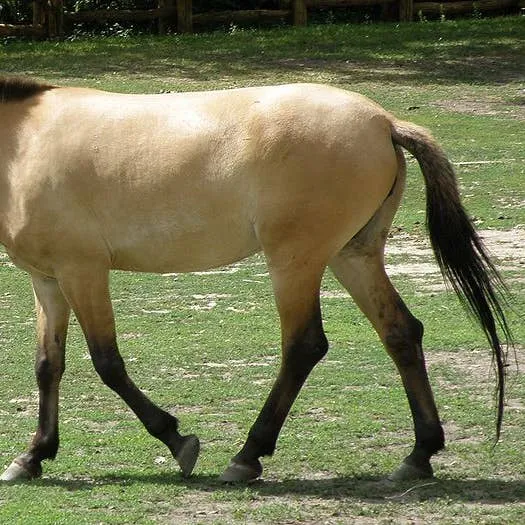
Stunning Equine Breeds: A Connoisseur's Selection
The author reflects on a lifelong love of horses and presents a curated list of breeds prized for their beauty, temperament, and suitability as companions.
109 articles
The author reflects on a lifelong love of horses and presents a curated list of breeds prized for their beauty, temperament, and suitability as companions.
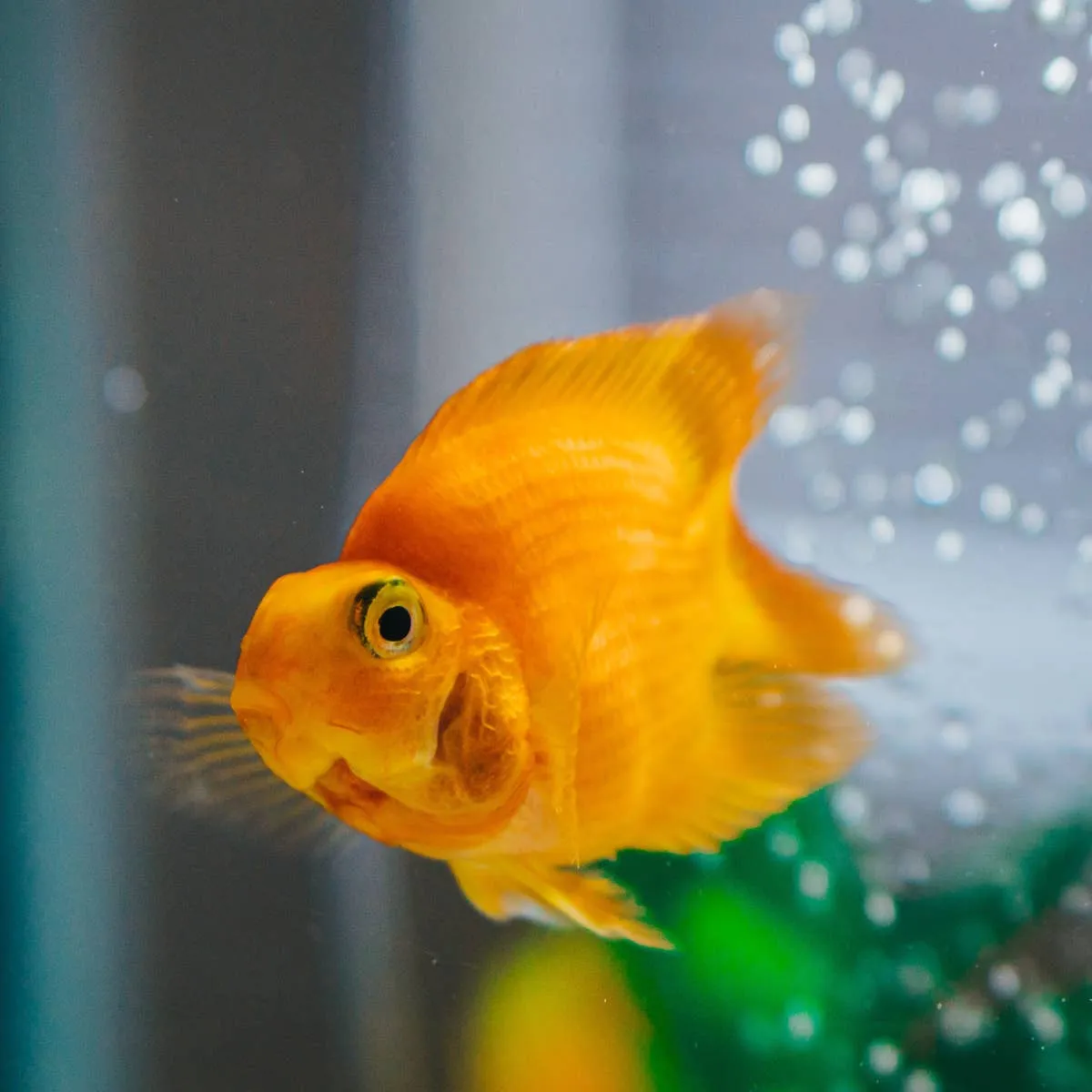
Many new fish keepers lose fish because they skip crucial preparation steps. This guide walks you through planning, water testing, tank placement, cycling, and maintenance so your aquarium can thrive with minimal effort.
Why can two bay parents produce a chestnut foal? This overview explains the fundamental genetics behind equine coat colors, from base colors and dilution genes to dominant and recessive inheritance, and how breed registries influence which colors appear.
Caged rodents can be fun and engaging, teaching children about responsibility and empathy, but they often need patience and consistent handling to become well-socialized companions.
Fry that stay near the substrate and skate along it on their undersides often have a developmental swim bladder problem rather than a quirky habit. This guide explains the cause, the feeding debates around baby brine shrimp, and when culling becomes the more humane choice.
What should you expect when you bring home a rescue horse? This guide covers gradual feeding, quarantine, hoof and parasite care, and the patience needed for social rehabilitation.
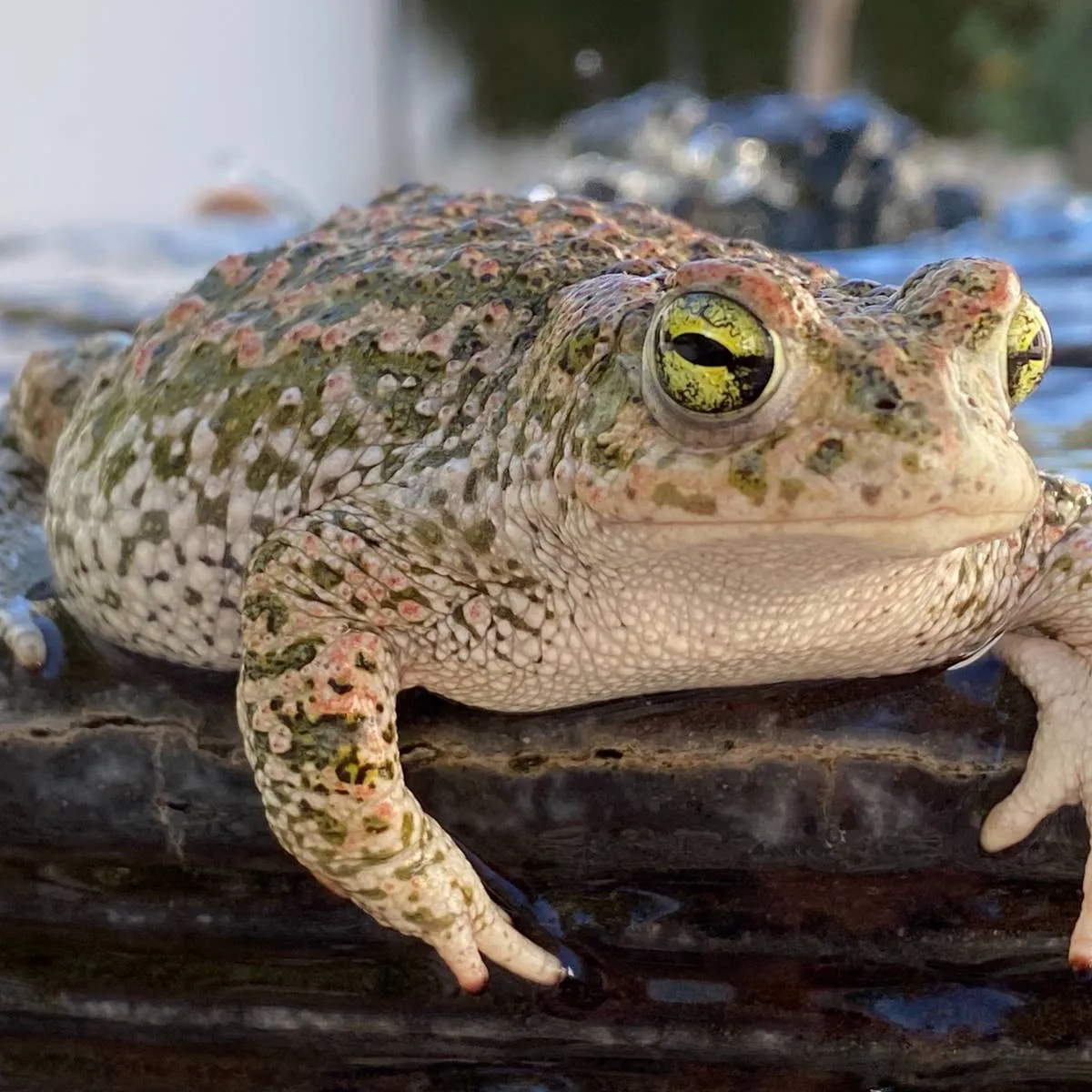
Taking a native toad from the wild can be a rewarding experience, but it requires knowing the legal landscape, identifying the species correctly, and replicating its natural habitat—here's a practical guide to doing it responsibly.
Groundwork matters as much as time in the saddle. This plan offers instructors, camp counselors, and youth program leaders a ready-made, unmounted lesson that uses weight guessing and safety poster projects to build awareness around horses.
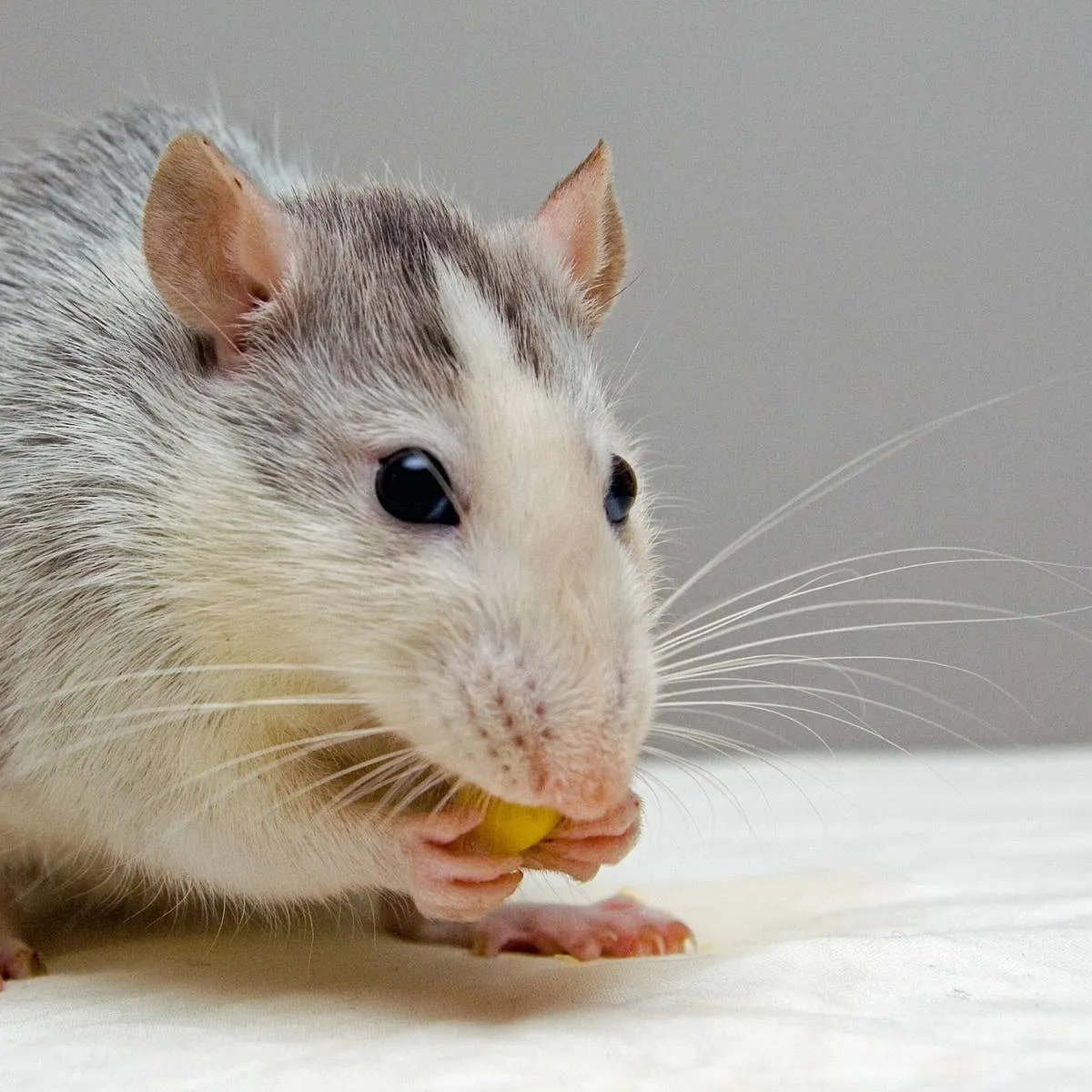
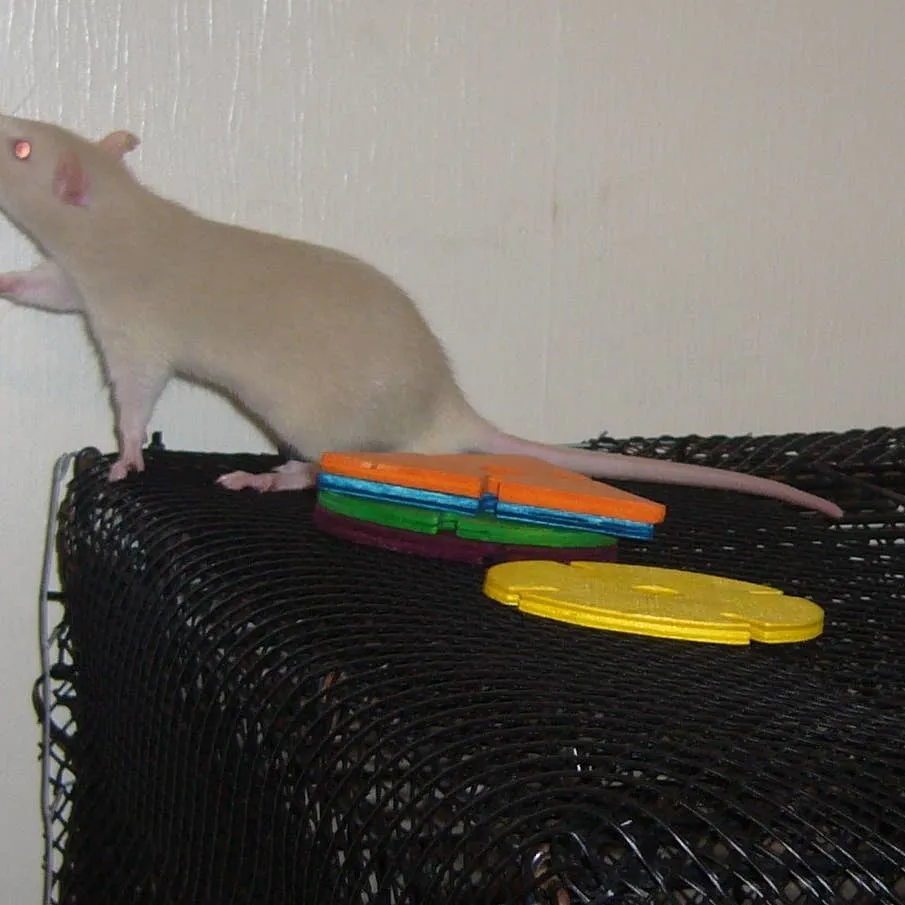
Learn how to help a fearful or shy rat become comfortable with handling, and what to do if aggression appears.
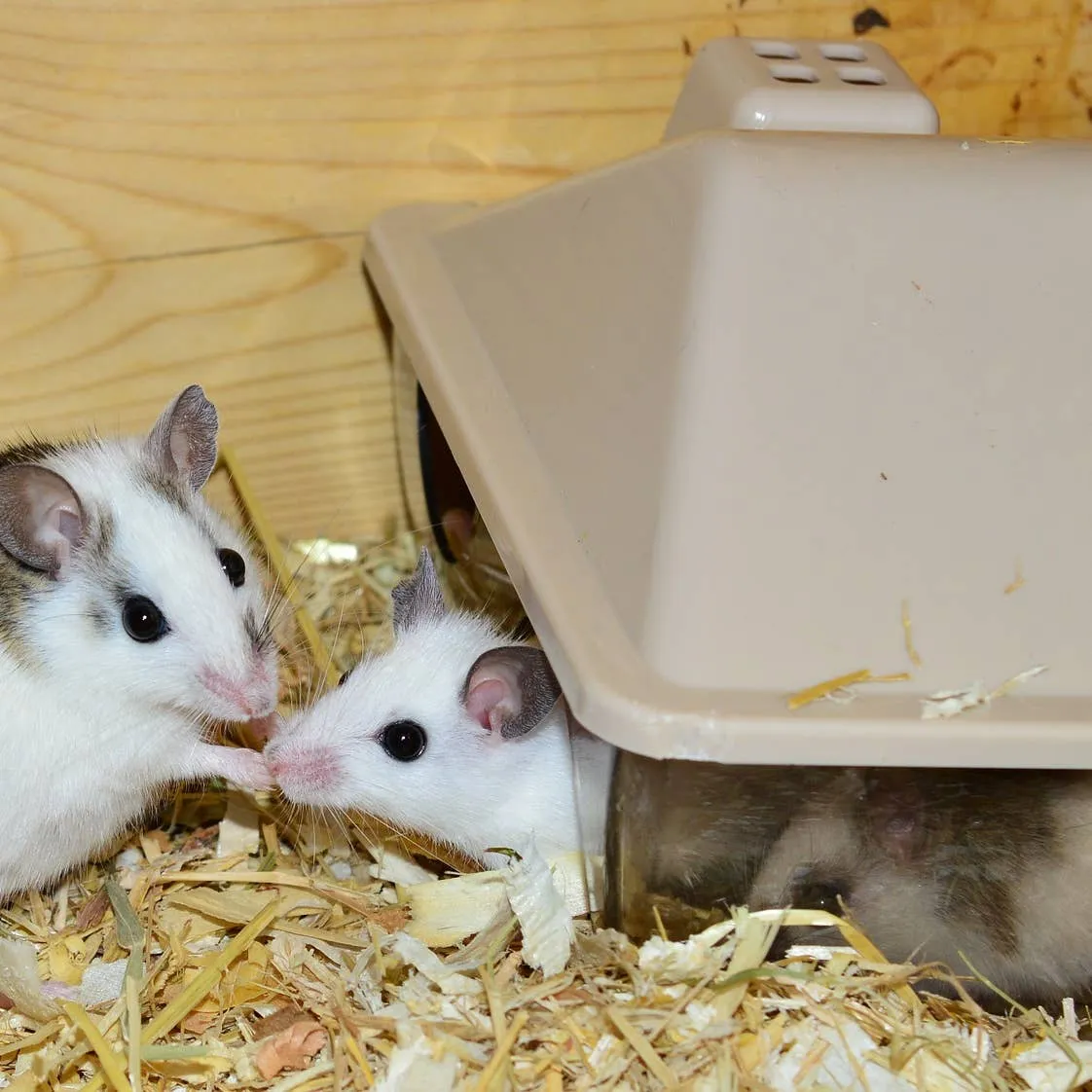
Two male mice can live together, but only if you manage their natural urge to establish a pecking order. After merging three adult males—and later watching one hierarchy collapse—I put together a practical guide covering neutral introductions, vanilla masking, sleepovers in a box, and what to do when the alpha mouse dies.
Hamsters can react to allergens like bedding, food, or airborne irritants. Spotting the signs early is key, since these small pets often hide illness until it becomes serious. Removing the trigger usually resolves the issue, but persistent symptoms may require a vet visit.
Service dog handlers often encounter invasive questions and unwanted attention. Understanding the role of a service dog—and why petting or distracting one can be dangerous—helps protect both the handler and the dog.
Puppy mills prioritize profit over animal welfare, often keeping dogs in overcrowded and unsanitary conditions. You can help by adopting instead of buying, urging pet stores to change, speaking out, donating, and supporting shelters.
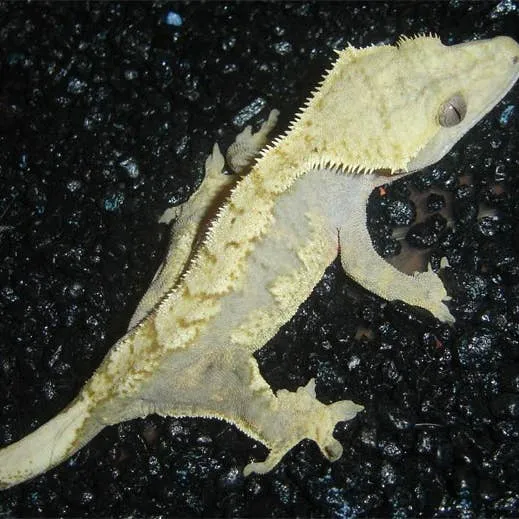
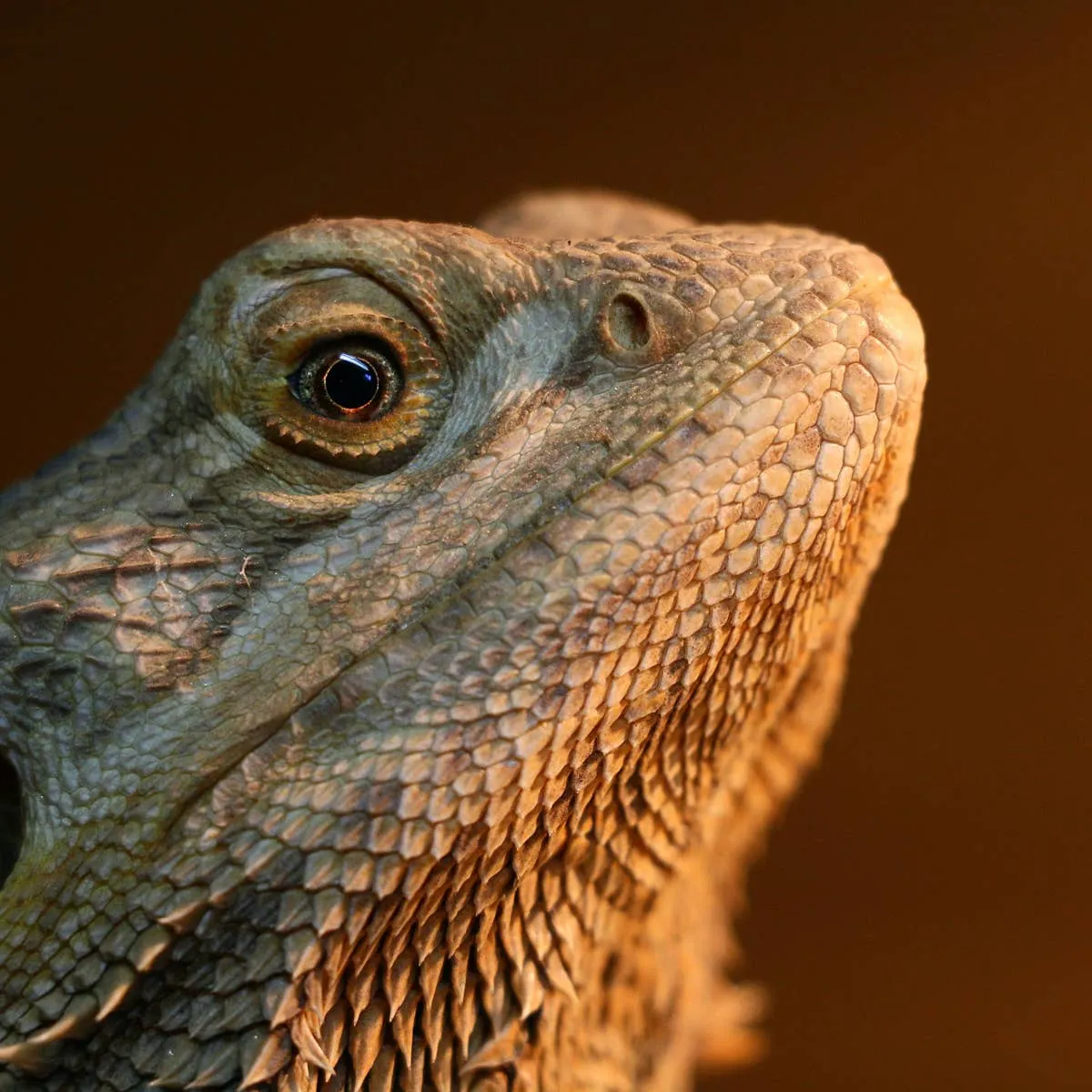
A wide-ranging set of Q&As covering typical concerns for snake, lizard, and turtle owners, from shedding and escape recovery to feeding quirks and habitat setup.
An experienced hobbyist details the equipment, livestock, and ongoing expenses required to begin breeding reptiles, along with a candid look at the financial challenges small-scale breeders face.
Calcium metabolism disorders in reptiles can stem from diet, lighting, or husbandry issues. This guide explains the causes, signs, and treatment options for metabolic bone disease, emphasizing early intervention and veterinary care.
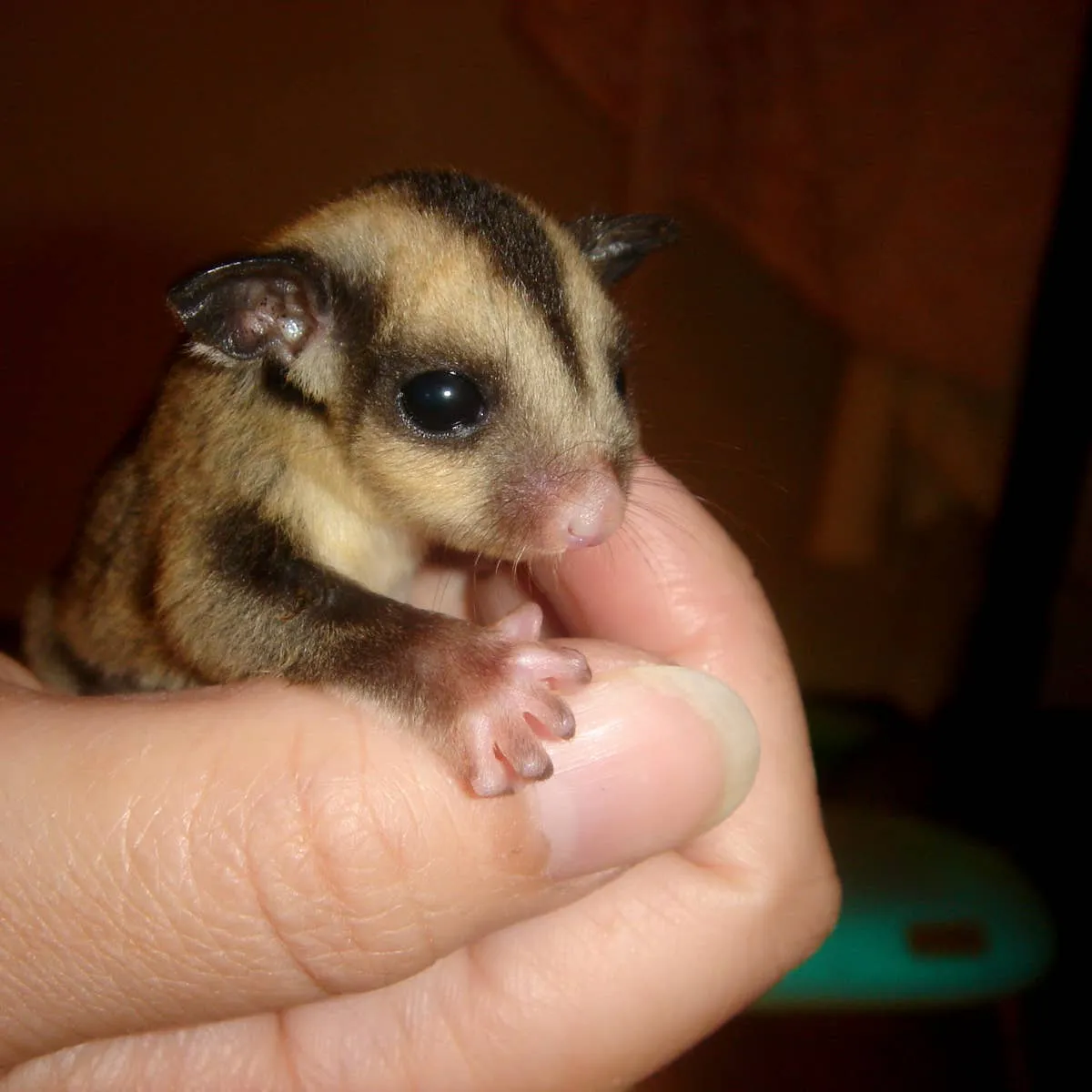
Sugar gliders are small, social marsupials that require spacious enclosures, a carefully balanced diet, and companionship. This guide covers their housing, nutrition, bonding, and the controversies surrounding their breeding and sale.
Practical guidance for recognizing and reducing equine anxiety, including nutritional considerations, show-ring preparation, trust-based training and controlled desensitization.