Health
Caring for a Dog That Has Lost Its Sight: A Personal Guide
A firsthand account of helping a dog adapt after vision loss, including behavioral signs, training adjustments, and home modifications.
79 articles
A firsthand account of helping a dog adapt after vision loss, including behavioral signs, training adjustments, and home modifications.
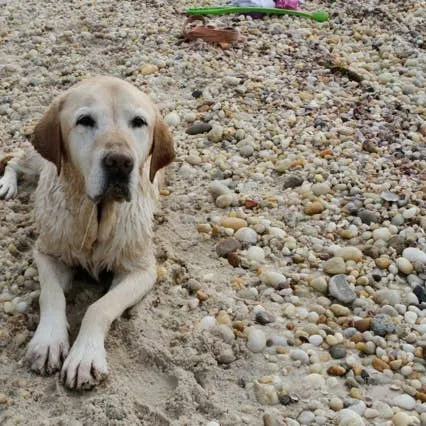
When my 10-year-old dog Sonny was diagnosed with laryngeal paralysis, I was overwhelmed. This is our story of surgery, recovery, and his return to an active life, including daily swims. If your dog faces the same diagnosis, I hope Sonny's experience offers you a measure of hope and practical insight.
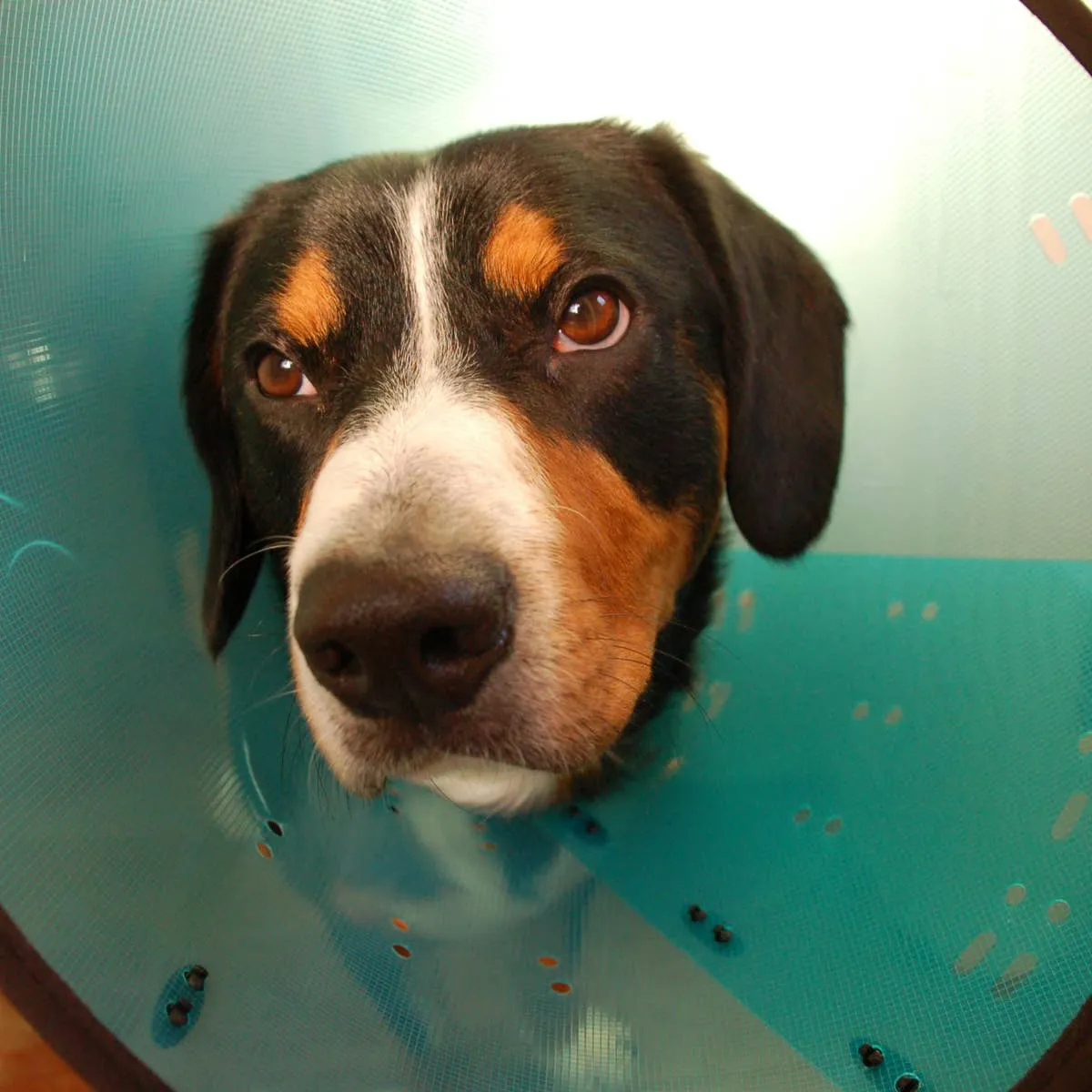
A dog owner shares their experience after their pet's dewclaw injury and neutering, evaluating five cone alternatives and putting an inflatable collar to a surprising peanut butter test.
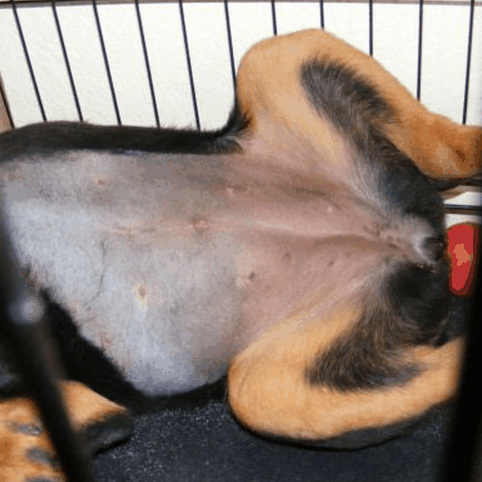
From checking for a surgical scar and secondary sex characteristics to hormone testing and microchip records, here are several approaches that can help reveal a dog's reproductive status.
Upper respiratory issues in cats—ranging from viral and bacterial infections to polyps and foreign objects—often manifest as sneezing, eye discharge, and nasal congestion. Understanding the distinct signs and appropriate care can help your cat recover.
When my adopted cat Lindemann turned every car ride into a mess, I had to figure out ways to ease his motion sickness. Here's what I learned from trial and error, including non-drug remedies, medication advice from my vet, and the creative tricks I used to get a pill into a stubborn cat.
After an operation, a dog may skip peeing for various reasons, from not drinking enough to discomfort or lingering anesthesia. Knowing when to call the vet is key.
If a dog swallows a fish hook, veterinary removal is the best course. When that's not an option, certain at-home steps might help the hook pass, but they are not guaranteed and carry risks.
Zylkene, a natural milk-protein supplement available without a prescription, may assist dogs and cats in coping with stress triggered by life changes.
This article provides an in-depth look at trilostane, a drug used to manage Cushing's disease in dogs and cats. It covers its mechanism, administration, side effects, and alternative treatments.
An exploration of alternative, natural strategies that may help soothe a dog's allergic skin reactions.
Natural therapies take longer to work than conventional treatments, so beginning early is important.
This article recounts one dog's experience with a swallowed sock that led to intestinal blockage and major surgery, while explaining causes, signs, treatment options, recovery, prevention, and financial preparation for pet owners.
This article explains the signs, causes, diagnostic challenges, and treatment of an underactive thyroid in dogs, highlighting why accurate testing is essential to avoid overdiagnosis and unnecessary medication.
Seasonal Canine Illness (SCI) is a rare but serious condition affecting dogs after walks in wooded areas, primarily between August and November. Learn how to spot the signs, what to do if your dog falls ill, and the current theories on its cause.
Explore a detailed guide of 18 strategies to help your nervous or hyperactive dog, from comfort food and safe spaces to training, medication, and alternative remedies, so you can find the right combination for your pet.
Ear mite infestations in dogs can be managed at home, but untreated cases may lead to complications. Learn about symptoms, diagnosis, and safe home remedies.
If your dog is slimming down despite normal eating habits, it could signal an underlying issue. Learn the common reasons for unexplained weight loss and what steps you can take at home while working with your vet.