Care · Dogs
Budget-Friendly Strategies for Maintaining Your Dog's Oral Health
Regular brushing and smart preventive choices can help you avoid costly dental procedures and keep your dog's mouth healthy without breaking the bank.
16 articles
Regular brushing and smart preventive choices can help you avoid costly dental procedures and keep your dog's mouth healthy without breaking the bank.
Owners have more influence over how long a dog lives than genetics alone dictates. This guide covers portion control, diet type, grooming, dental care, exercise, supplementation, and breed-specific lifespan figures, along with a caution that these measures support health rather than guarantee extra years.
Tear stains may be stubborn, but gentle home remedies and preventive steps can help manage them. This guide covers causes, cleaning methods, and natural prevention tips for dog owners.
A certified trainer breaks down the extinction burst: the escalation dogs show when a reward is withdrawn, with three real cases and six low-stress ways to prevent or soften it.
Tired of your home smelling like a kennel? These practical steps can help you eliminate dog odors and keep your living space fresh.
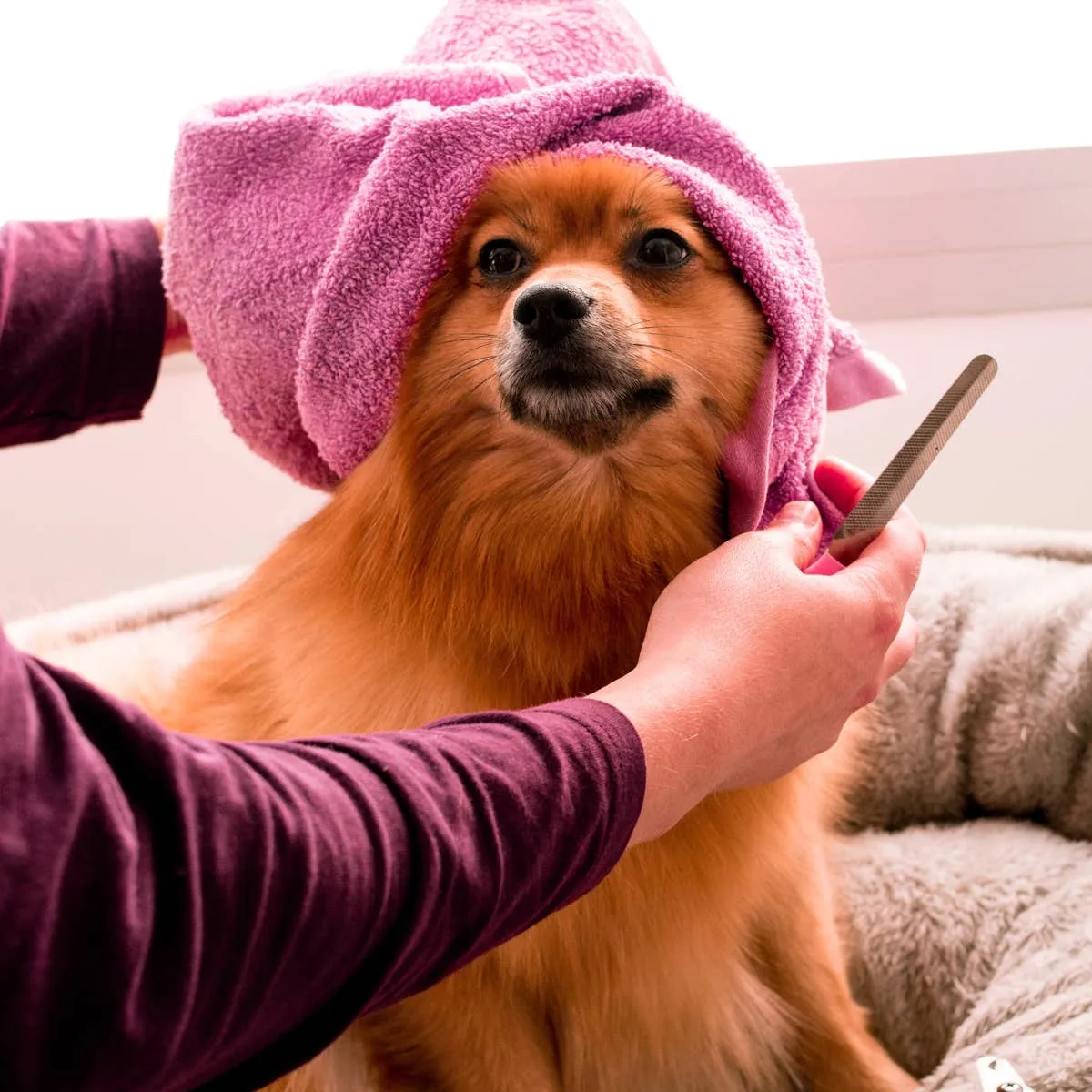
If your dog has a lingering smell, whether from rolling in something foul or just natural body odor, these strategies can help you manage it. From bathing and dry shampoos to ear cleaning and home deodorizing, here's how to keep your dog and your home fresher.
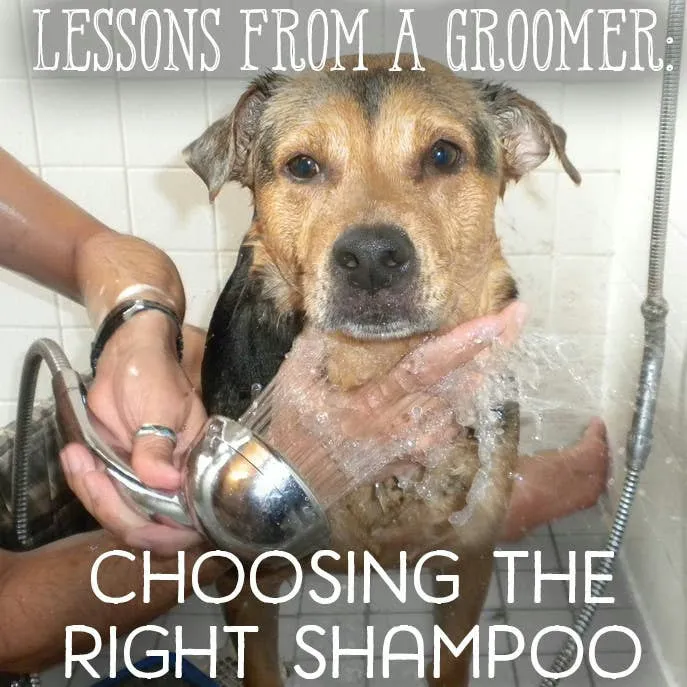
This article offers advice from a groomer on selecting dog shampoos, covering various types, their purposes, and proper usage. It also addresses flea shampoos, eye protection, and the risks of using human products.
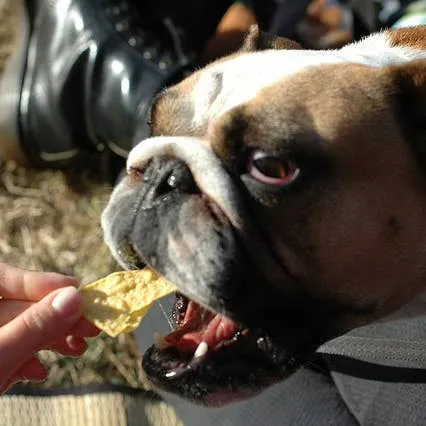
Learn which table scraps can be safe for your dog and which ones to avoid, along with practical advice on feeding leftovers and supplements.
An expert addresses a new owner's concern about a 2-month-old puppy that prefers lap time over treats, covering possible causes and offering practical steps to build confidence and independence.
Veterinarian Dr. Mark weighs in on the possible drawbacks of neutering an older dog, how it might affect temperament, and whether the procedure is truly needed.
Discover the reasons behind your dog's nighttime bowel movements and learn effective strategies to address them, including vet visits, stress reduction, and routine adjustments.
From rawhide to jerky and colorful biscuits, many popular dog treats contain additives or undergo processing that may pose health risks. This overview examines common concerns such as blockages, kidney issues, artificial colors, preservatives, sweeteners, grain-free claims, and bone treats.
A veterinarian responds to a pet owner's question about treating a dog's lymphoma without chemotherapy, detailing seven alternative approaches such as diet, antiparasitic drugs, mushrooms, CBD, and herbs, while noting the limited evidence and practical considerations for each.
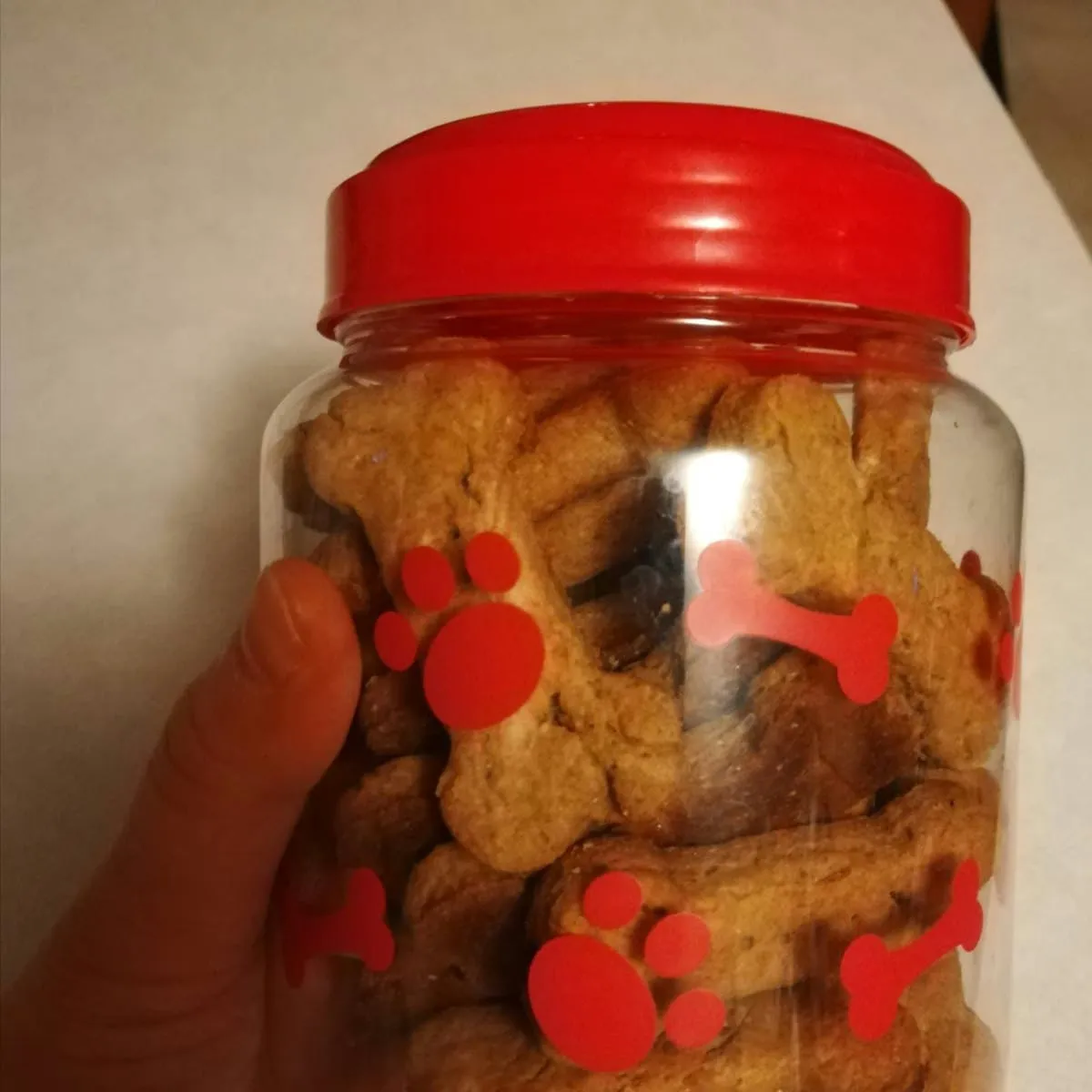
Whip up a batch of dog biscuits at home using whole wheat flour, milk, coconut oil, peanut butter, and honey. Since these ingredients include common allergens, check with your vet or confirm your dog tolerates them before baking. The recipe is easy to customize with mix-ins and makes a thoughtful gift for fellow pet owners.
Dog trainer Adrienne Farricelli challenges the common belief that walks are a universal fix for behavioral issues, explaining how overstimulating or poorly managed walks can actually worsen problems like reactivity and anxiety, and offers strategies to make walks truly beneficial.
A veterinarian outlines potential medical and cognitive reasons for loss of housetraining in older dogs, and emphasizes that euthanasia should only be considered as a final measure after all other avenues have been explored.