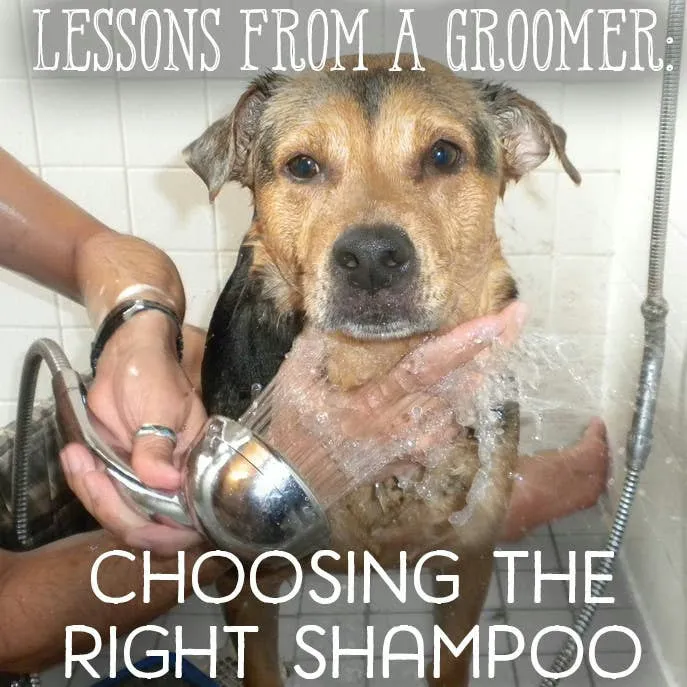
Budget-Friendly Strategies for Maintaining Your Dog's Oral Health
Robin Martin

Economical Ways to Care for Your Dog's Teeth
Veterinary dental care can put a serious dent in your wallet. You've likely heard that preventing problems is better than treating them—and that holds true for your dog's teeth as well. Keeping a dog's mouth healthy largely falls on the owner's shoulders.
Are you brushing your dog's teeth on a regular basis? The following three straightforward practices can help you maintain a healthy smile for your dog and steer clear of pricey cleanings, tooth extractions, and other procedures:
- Provide low-calorie dental chews and toys on a routine basis.
- Have tartar removed from your dog's teeth.
- Brush your dog's teeth daily or weekly.
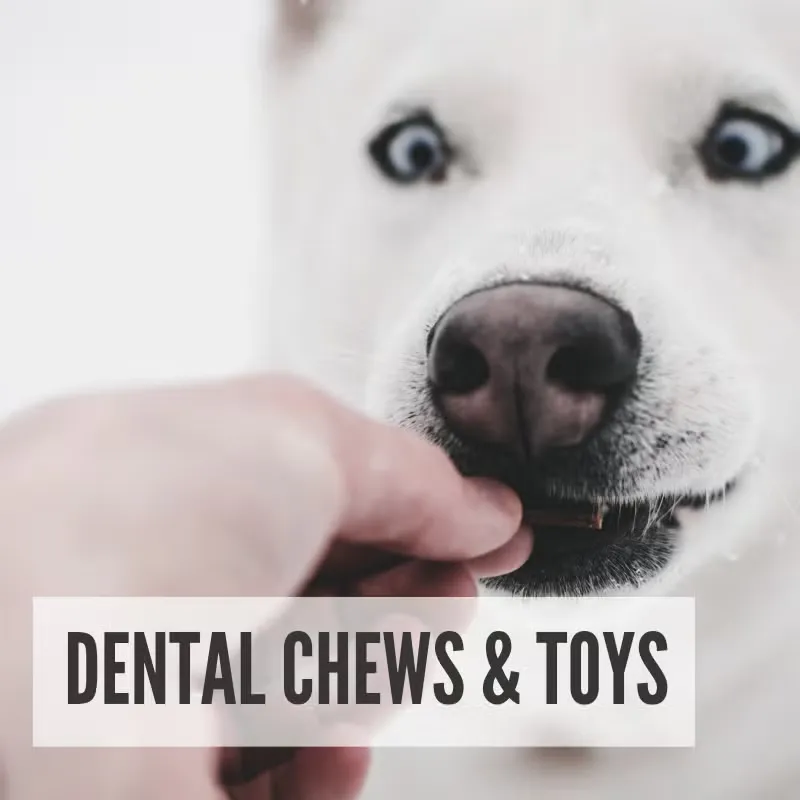
Dental chews and toys
1. Dental Chews and Toys
Among the simplest ways to support your dog's dental health is to let them chew. Giving your dog treats and toys designed for dental hygiene can directly benefit their teeth.
Bear in mind, though, that chewing alone does not eliminate the need to brush your dog's teeth at least once a week. I try to give my dog, Sherlock, at least one Greenie dental chew every day. Besides helping his teeth, it also does a good job of keeping his breath fresh.
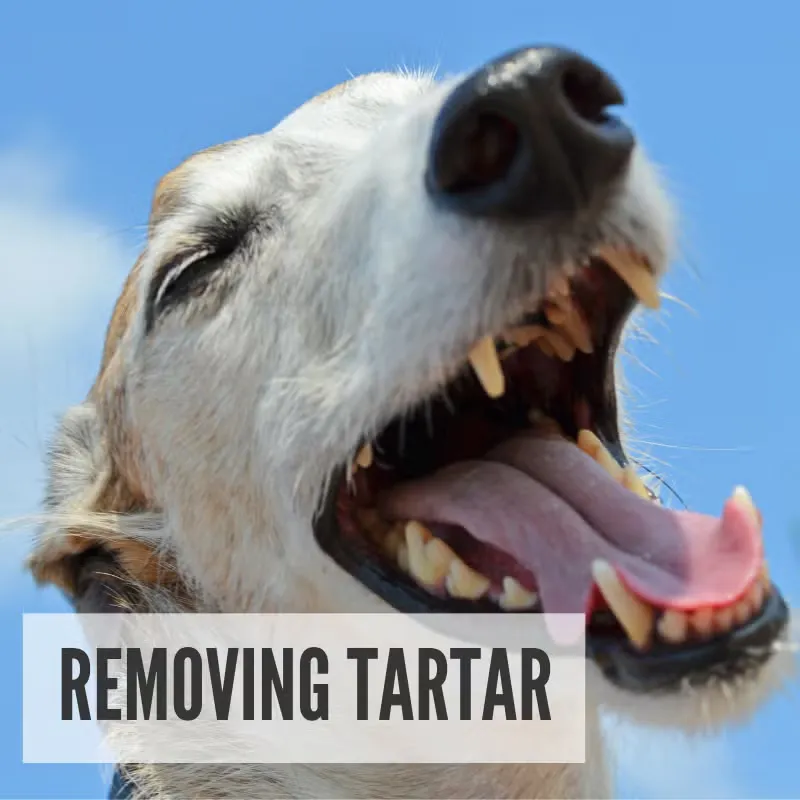
Removing tartar
2. Removing Tartar from Your Dog's Teeth
If your dog's teeth have started to look as though they've been chewing on yellow crayons, you may have some catching up to do. Nearly every dog owner has let their dog's dental care slide at some point, but once tartar buildup reaches that stage, action is necessary.
Consider a Dental Wipe
Typically, you would bring your dog to the vet for a teeth cleaning. If your dog's teeth aren't too far gone, however, products such as dental wipes can help remove or reduce tartar and get rid of those yellow spots on the teeth.
Once the tartar has been removed, it's best to continue brushing at least once a week. If you regularly share human food with your dog, a routine of brushing three times a week is preferable.
Anesthesia-Free Cleanings Performed by Veterinary Professionals
You might also look into anesthesia-free teeth cleaning carried out by veterinary professionals. While anesthesia-free cleanings are often viewed as risky and inadequate, this type of service is different: a veterinary technician or assistant does the cleaning under a veterinarian's supervision. It costs less and involves no anesthesia—a win-win.
3. How to Brush Your Dog's Teeth
Brushing is likely the single most important thing you can do to keep your dog's mouth healthy. If you're brushing your dog's teeth at least three times a week, give yourself a pat on the back—you're doing great. If not, find a toothbrush and start brushing those canines.
Brushing Your Dog's Teeth
Here's how to brush your dog's teeth:
- Help your dog get used to a toothbrush in their mouth. Start by letting your dog taste a small amount of veterinarian-approved toothpaste so they're more willing to allow the toothbrush.
- As your dog becomes more comfortable, lift their lip and gently brush the outer surface of their upper teeth. Be sure to praise them and offer treats if they are food motivated.
- Get your dog comfortable with you gently opening their mouth so that you can reach all tooth surfaces. Remember to always be gentle and praise them lavishly as you do this.
- Brushing your dog's teeth once a week is great; three times a week is fantastic; daily is exceptional!
The toothbrush shown in the video above is a good one to use because it will get each side of the tooth that you're working on. Over time, brushing your dog's teeth will help you save on those vet bills and might prevent your dog from developing serious oral issues. Be sure to share your success stories below!

My dog, Sherlock
This article is accurate and true to the best of the author's knowledge. It is not meant to substitute for diagnosis, prognosis, treatment, prescription, or formal and individualized advice from a veterinary medical professional. Animals exhibiting signs and symptoms of distress should be seen by a veterinarian immediately.