Banish Dog Odors from Your Home: A Practical Guide
Dakota Morgan
Recognizing and Tackling Dog Odors
It's easy to tell when you enter a home with dogs—often before you even see one, the distinctive smell gives it away. If you live with a dog, you might not notice the odor because you've grown accustomed to it. Don't let your dog's smell become a source of embarrassment. Friends may be too courteous to point it out; they might avoid visiting or assume that dog odor is just part of having a dog. But it doesn't have to be that way!
With a few straightforward measures, you can keep your house smelling fresh—and you might even see more visitors!
It Takes Two: Clean House and Clean Dog
Eliminating dog odors is similar to controlling fleas: you must address both the dog and the environment. Treating only one won't solve the problem. Even the most pleasant-smelling dog can leave a lingering odor if his bed isn't washed or old stains aren't removed. Conversely, if you scrub floors and shampoo carpets but your dog has a smelly coat, the freshness won't last.
A clean dog means a clean house!
Vacuuming Tip
Place a flea collar inside your vacuum cleaner bag—it can help kill fleas that are vacuumed up.
Eliminating Dog Urine Odors
Important: never use bleach! Its ammonia content smells like urine to dogs, which may cause them to urinate in the same spot again.
- For rugs or bedding, add about a quarter cup of cider vinegar to the wash.
- On carpets, blot up as much urine as possible with paper towels or newspaper, then sprinkle baking soda over the area, let it sit for at least 30 minutes, and vacuum or brush it up. Repeat if needed.
- On hard floors, mop with a solution of three parts warm water to one part white vinegar.
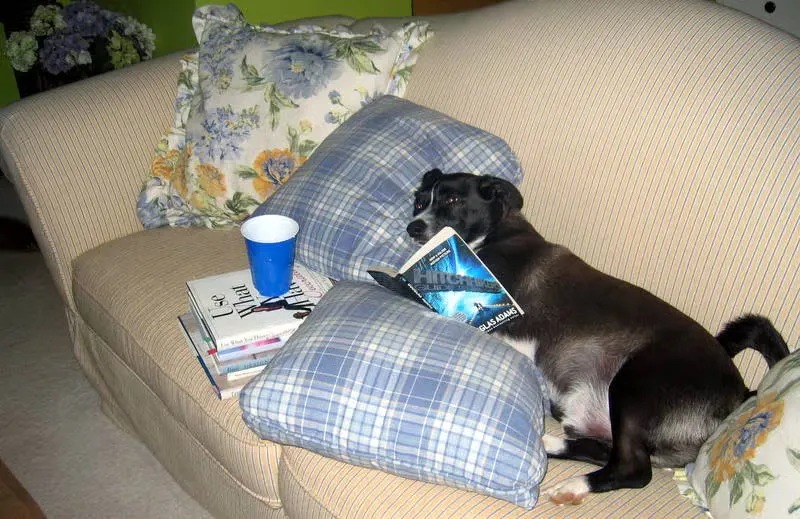
If you allow your dog on the sofa, put a blanket down first (and don't forget the book and soda, of course!).
Top Strategies to Keep Dog Odors at Bay
Ideally, you'd have hard floors and mop them daily. Keeping carpets limited to upstairs or areas your dog doesn't access will save you a lot of effort in fighting odors. Similarly, keeping your dog off the furniture reduces cleaning work.
In reality, many of us have carpets and enjoy letting the dog on the sofa. Here are some suggestions to keep your home smelling fresh.
- Open windows daily to air out the house.
- Vacuum carpets and mop hard floors every day. This removes hair and skin debris and also helps keep fleas in check. Empty the vacuum bag and dispose of it outside.
- On dry days, hang your dog's bedding outside to air while you walk the dog.
- Wash pet bedding weekly.
- If your dog is allowed on the sofa, lay down a blanket first. Wash it weekly along with the dog's bedding.
- Shampoo or steam clean carpets monthly. A good steam cleaner can be very effective at removing dog odors.
- If your dog urinates on the carpet, clean it up immediately (see below for how to deal with dog urine odors).
- If you're out when the dog urinates and can't find the spot, try using a black light to reveal it.
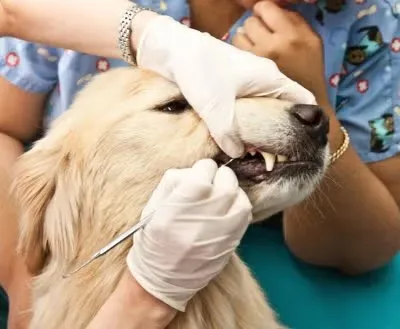
Have your vet check for underlying health problems.
Dogs, Diabetes, and Bad Breath
If your dog's breath smells of acetone (like nail polish remover), ask your vet to examine him, especially if he also shows other signs such as rapid breathing, vomiting, or lethargy. This could indicate diabetic ketoacidosis, a potentially fatal condition.
Why Does Your Dog Smell?
Dogs don't have to smell unpleasantly. Some odor is natural, but if your dog smells strongly, consider the reasons.
- Do you bathe him regularly?
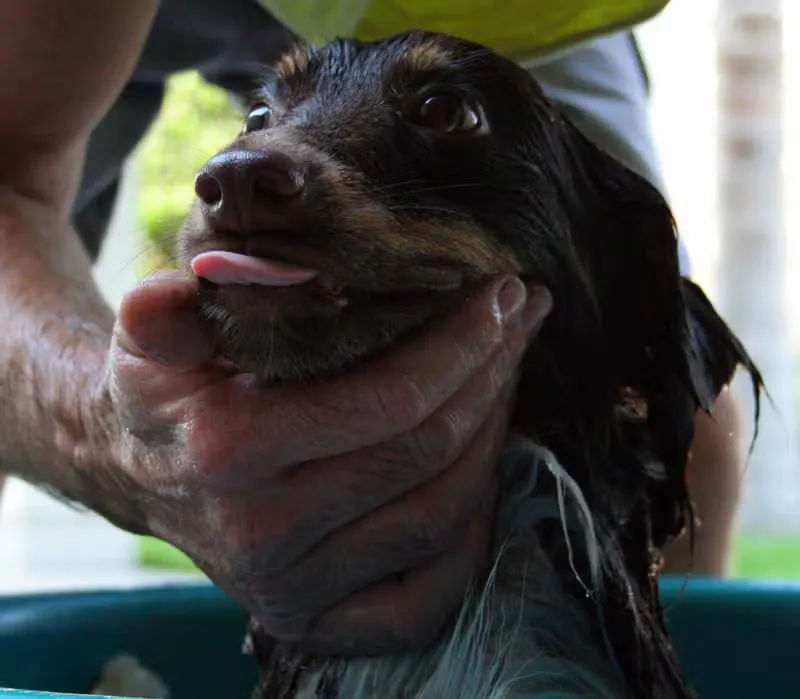
At least once a month is recommended. If he likes to roll in dirt, bathe him more often.
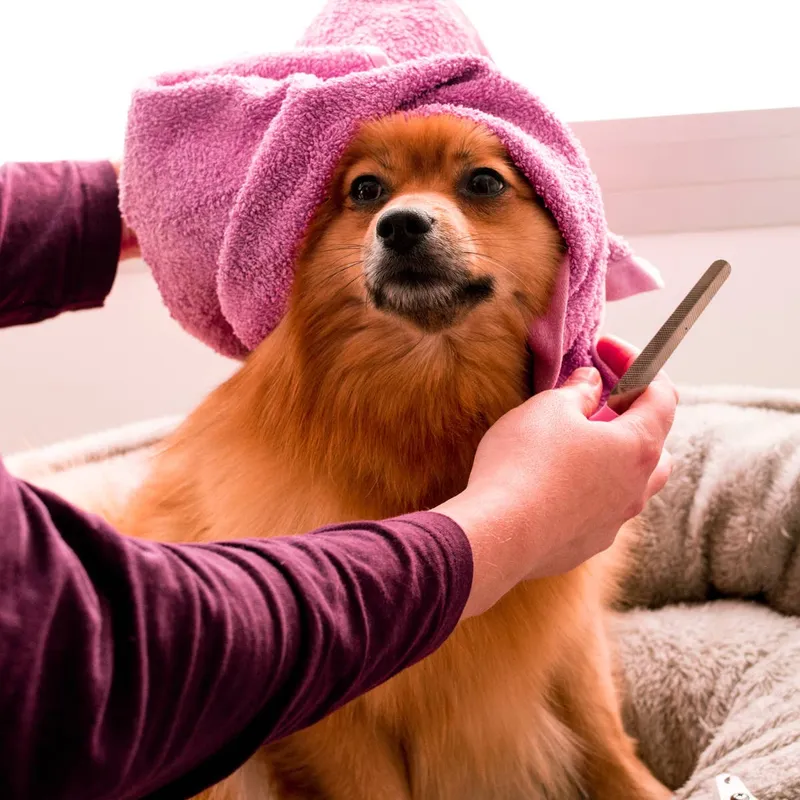
Groom him daily to remove loose hair and dander. This helps prevent buildup that can contribute to odor.
- Does his breath smell?
Bad breath can occur if you don't clean your dog's teeth. Tooth decay causes bad breath, and if the dog also drools, saliva can get on the coat around the mouth and smell. Changes in breath odor can indicate diabetes or kidney disease.
- Are his ears smelly?
Sometimes a dog can get an ear infection, which causes an extremely unpleasant smell. Take the dog to the vet. Don't try to treat it by cleaning the ears yourself; you can make it worse, especially if you put water in the ears.
- Full anal glands can cause bad odors.
There are two glands on either side of your dog's anus. In most cases, secretions from these glands are drained naturally when your dog defecates. However, sometimes this doesn't happen, and the glands become full, impacted, and smelly. If not addressed, the glands can become infected and very smelly. Your vet can express the glands and show you how to do it too. This will eliminate the odor.
- Does your dog have gas?
It's normal for dogs to pass gas occasionally, but if it happens frequently, his diet may need adjustment. Ask your vet for advice.
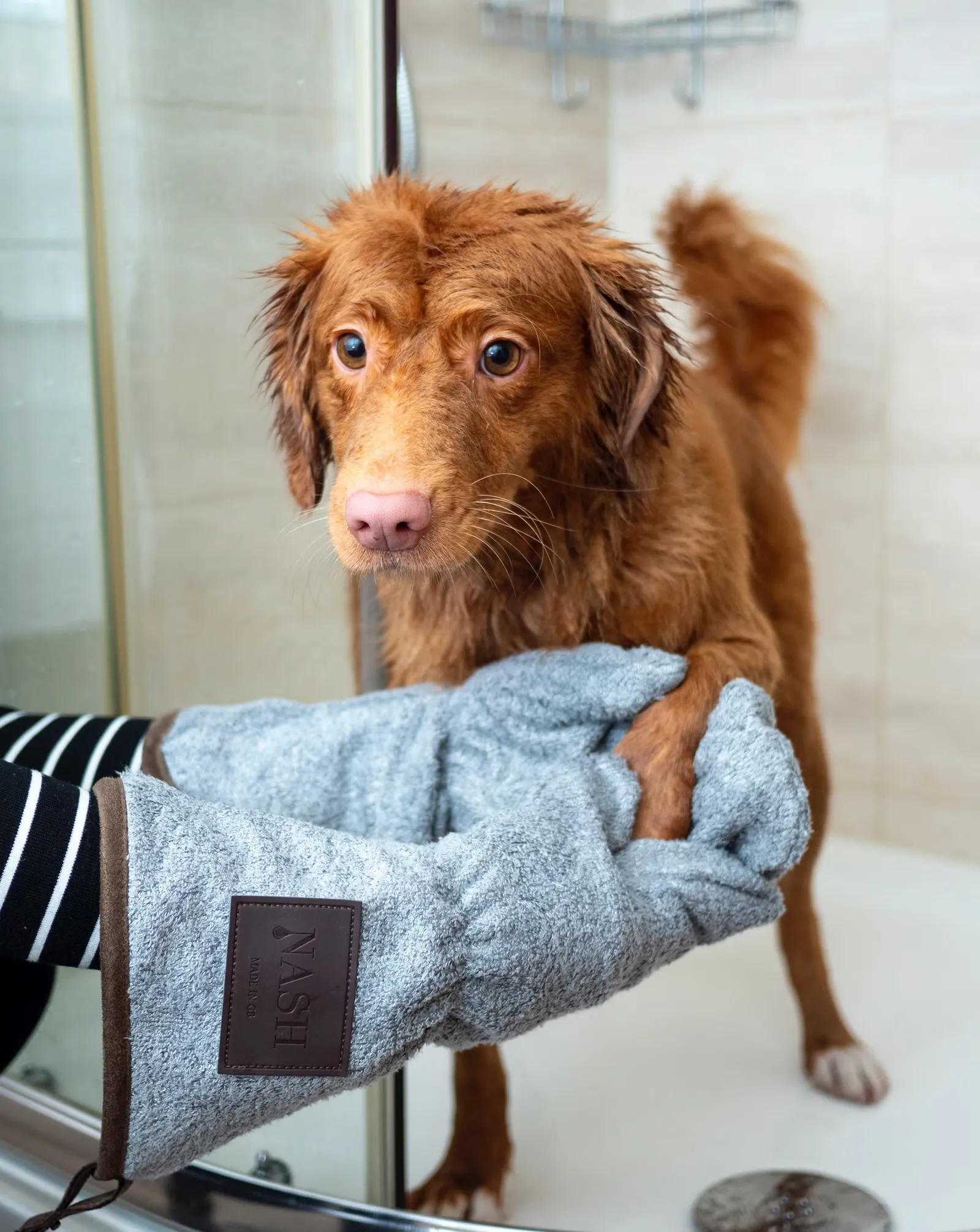
Be proactive and stop the odor at its source!
Jamie Street on Unsplash
The Responsibility Is Yours, Not Your Dog's!
Remember that you are responsible for your dog and your home; the dog may cause the smell, but only you can resolve it. So what are you waiting for? Get rid of that dog odor in your house!
This article is accurate and true to the best of the author's knowledge. It is not meant to substitute for diagnosis, prognosis, treatment, prescription, or formal and individualized advice from a veterinary medical professional. Animals exhibiting signs and symptoms of distress should be seen by a veterinarian immediately.