Five Ways to Tackle a Dog's Unpleasant Odor
Elliot Foster
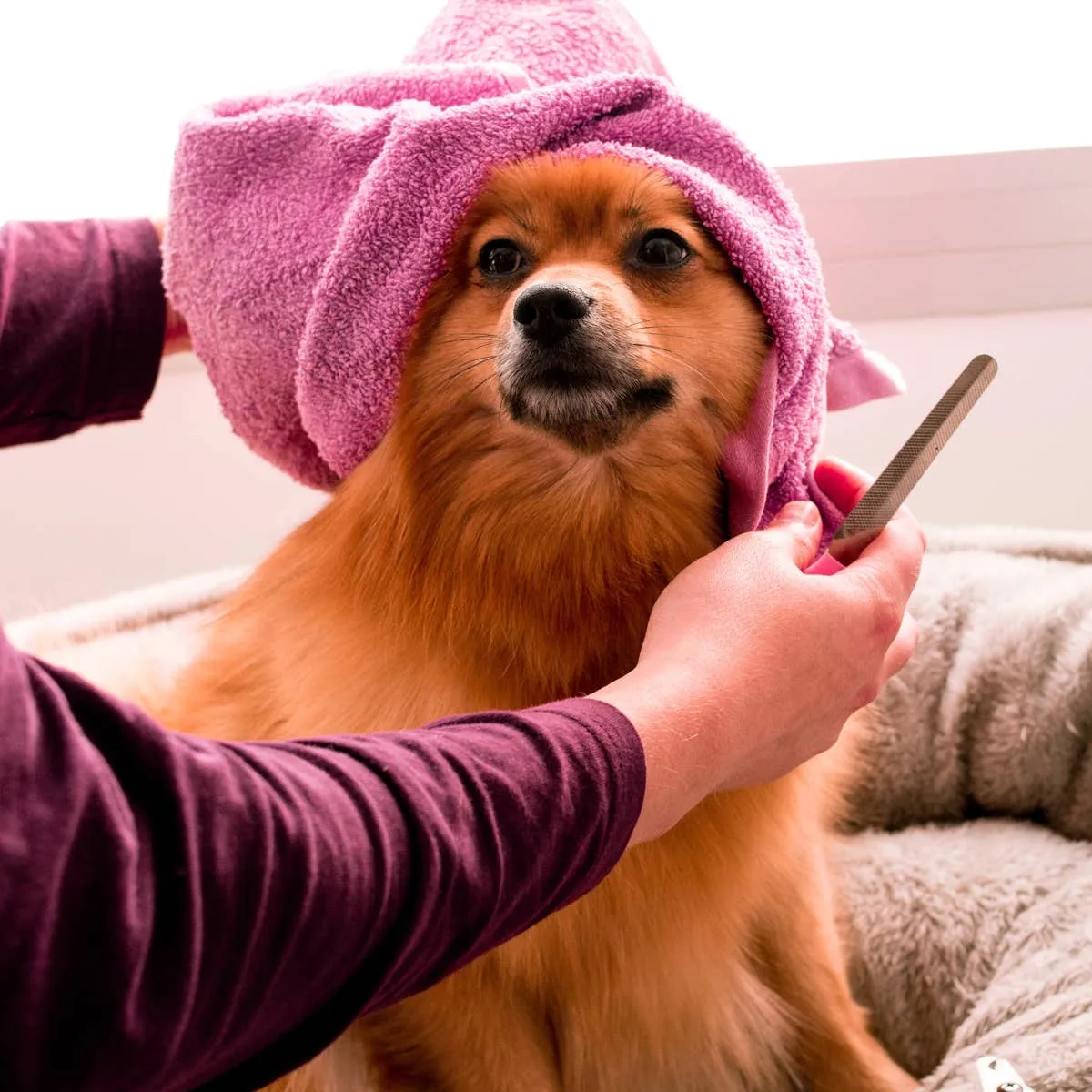
Understanding and Managing Dog Odors
Every dog has its own distinct smell, and some are stronger than others. That natural scent can cling to rugs, carpets, blankets, and virtually anything your dog touches. If you have a sensitive nose, the following tips can help reduce your dog's odor.
Keep your dog's stinky smell under control.
Photo by benjamin lehman, via Unsplash
Bathing Your Dog
A bath is the most straightforward fix for a smelly dog, but there are key points to consider. Dog skin is far more sensitive than human skin, particularly in short-haired breeds such as pit bulls and black labs.
Unless your dog gets sprayed by a skunk or rolls in its own waste, you should generally bathe your dog no more than once a month. When you do bathe, choose a shampoo made specifically for dogs with the most natural ingredients you can find. Look for products that contain baking soda for added odor control. Oatmeal and aloe are also beneficial active ingredients that can soothe your dog's skin.
Getting your dog into the tub can be challenging. Try to make the experience more pleasant by placing a non-slip mat on the bottom of the tub and ensuring the water is warm, not hot. Avoid the eyes and ears, and wash from the back of the ears toward the tail. Dry your dog thoroughly with a towel to prevent dirt and odors from sticking to the coat.
Dry Shampoos
Since frequent baths aren't recommended for a stinky dog, dry shampoo is a good alternative. Dry shampoos come as powders that you shake on and brush through the coat, or as sprays that you spritz on and comb through. As with any grooming product, opt for natural options whenever possible.
Deodorizing Sprays
In addition to dry shampoo, you might consider a dog deodorizing spray. As more companies focus on dog grooming products, there has never been such a wide selection of scents and added benefits, from itch and hot spot relief to flea repellents and skin conditioners. Simply spray it on your dog.
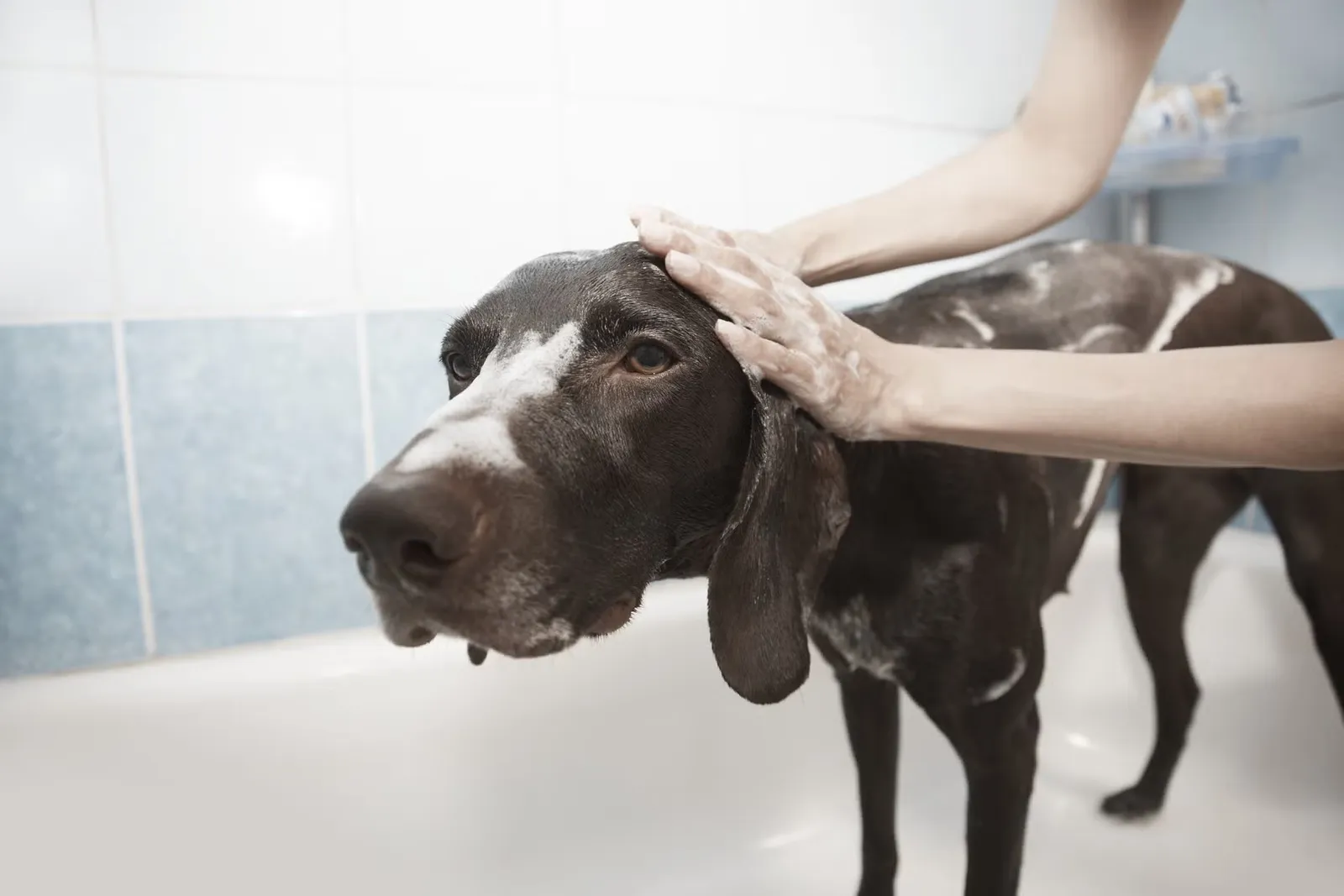
He's so stinky! What are we going to do?
Natural Dog Odor Removers
Dog grooming products can be expensive in stores, so you can also make your own dry shampoos and deodorizers by combining baking soda, cornstarch, and a dog-safe fragrance oil in scents like vanilla, cedarwood, or lavender. Mix them in a salt shaker or a recycled baby powder bottle for easy application.
Smelly Dog Ears
You might be surprised to learn that your dog's unpleasant odor often comes from its ears, especially in breeds with floppy ears, where reduced airflow makes infections more likely.
- Clean your dog's ears with an ear cleaner made specifically for dogs from your local pet shop.
- Apply the solution to the inside of the ear flap near the opening using gentle pressure.
- Remove excess gently with a cotton ball. Do not go deeper into the ear than what you can see. For deeper cleaning, rely on a professional groomer or your veterinarian.
When cleaning your dog's ears, do it in a tub or outdoors, and be aware that when your dog shakes its head, the solution and any debris it cleans out may fly around.
How to Keep Dog Breath Fresh
Bad dog breath can be a serious issue, especially if your dog likes to snuggle or sleeps with you. Treating dog breath is relatively simple when you target its source, typically plaque or bacteria buildup on the teeth. Dog treats that specifically claim to help with plaque control and fresh breath are an easy way to maintain your dog's breath while spoiling it a little at the same time.
Regularly brushing your dog's teeth can also help prevent not only bad breath but common dental problems like decay. Always use dog toothpaste, as dogs don't know how to spit out toothpaste, making human toothpaste potentially toxic.
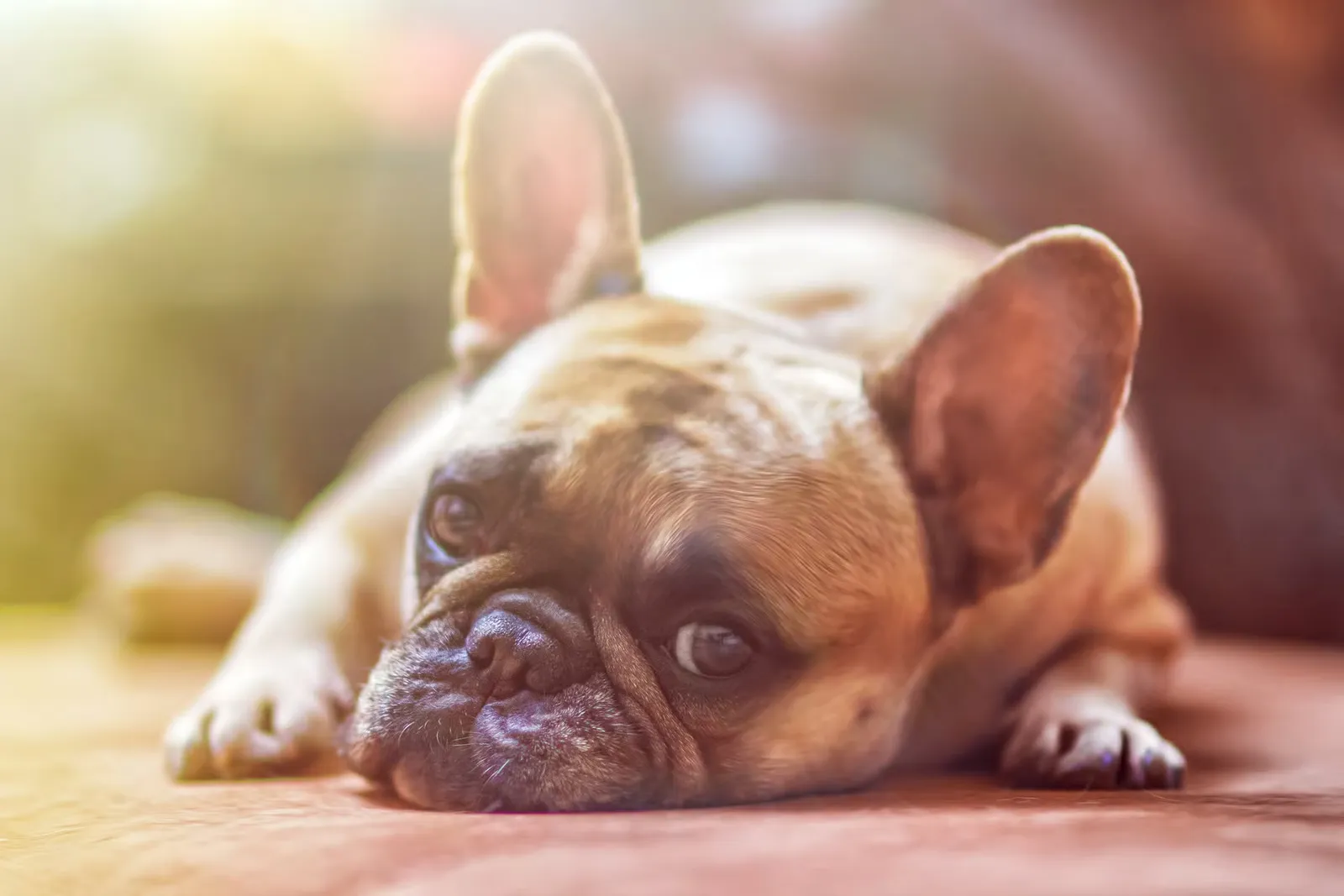
He just wants to be clean!
Home Dog Odor Control
Now that you've addressed odors on your dog, what about the remaining odors in your home? First, the vacuum is your best friend. Vacuum your carpets and furniture regularly to remove dog hair and skin cells that trap odors. Sprinkle your carpets with baking soda or commercial deodorizing carpet products and let them sit for a few hours before vacuuming to further help remove odors. Wash all dog bedding and soft toys regularly.
For air odors, consider a spray bottle with undiluted white vinegar. While the room will initially smell like vinegar, the smell dissipates quickly as it dries, taking other room odors with it. You can combine this method with a few drops of your favorite essential oil for additional deodorizing capabilities.
Remember, while many odors are just natural to your dog, more serious odors can indicate underlying health issues. If your dog develops a new odor or a particularly foul odor with no obvious cause, take them to your vet as soon as possible to prevent potentially serious health issues.
This article is accurate and true to the best of the author's knowledge. It is not meant to substitute for diagnosis, prognosis, treatment, prescription, or formal and individualized advice from a veterinary medical professional. Animals exhibiting signs and symptoms of distress should be seen by a veterinarian immediately.