Reptile Care Queries: Answers on Snakes, Lizards, and Chelonians
Skyler White
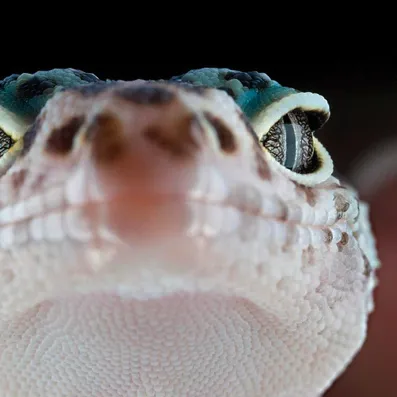
Reptile Keeping Is Not as Hard as It Seems
Many people assume reptiles are harder to look after than a dog or a cat. But when was the last time you had to walk a snake or buy a lizard a new chew toy?
Reptiles do have particular needs, yet experienced keepers generally agree that understanding them is no trickier than figuring out a dog or cat. Some would even argue it is simpler. Even so, plenty of owners still get confused about the finer points of reptile behavior, health, and husbandry—just as many people are unsure about basic dog and cat care.
Help is available if you know where to look. Online communities and forums dedicated to reptiles, for instance, let you ask questions and receive answers from fellow hobbyists who have already dealt with the same issues.
Reptile FAQ
I have compiled a lengthy list of reptile-related questions I have received over time, which may be useful to readers looking for guidance on their pets. The questions fall into three groups:
- Snakes
- Lizards
- Chelonians (turtles and tortoises)
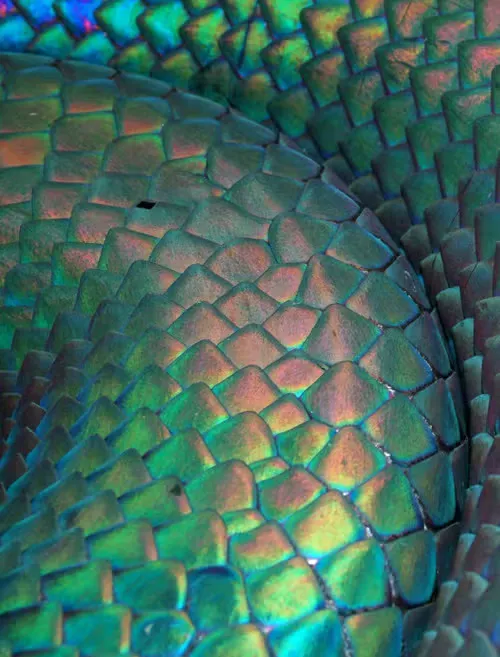
The beautiful scales of a snake
Snakes
This section addresses feeding, housing, and buying snakes, along with shedding worries, escape recovery, and more.
1. Is it normal for my snake to shed two months after her last shed?
A snake's shedding frequency is largely determined by its age, species, and growth rate. The cycle is driven mainly by food intake and the growth that follows. Very young snakes fed appropriately may shed every four weeks, while mature adults with little growing left to do might shed only a couple of times a year.
Health also matters—a snake will shed more often if it has skin issues such as mites, scale rot, or other wounds. For a growing snake, two months is normal. There is nothing to worry about.
2. Why does my Colombian rainbow boa keep opening her mouth wide, only on one side?
The Epicrates cenchria species is known for loving humidity and is prone to problems like respiratory infection if the environment is too dry.
That said, if your snake opens its mouth wide, it may simply be readjusting its jaw—a common sight after feeding. When snakes eat, their lower jaw dislocates and spreads to accommodate prey larger than their head. After a meal, they need to realign things. This can look like yawning or gaping.
Listen to your snake's breathing and note how long it holds its mouth open. Squeaky noises, spit bubbles, or prolonged open-mouth breathing or "panting" is abnormal and may signal respiratory distress.
Featured Gallery
1 / 1
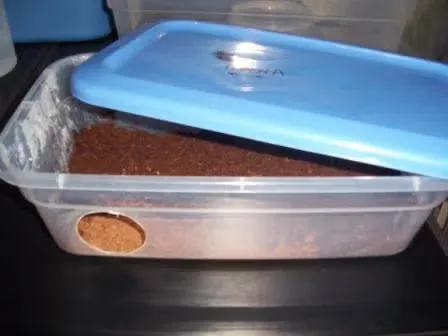
Humid hides are easy to make, and snakes benefit greatly from them.
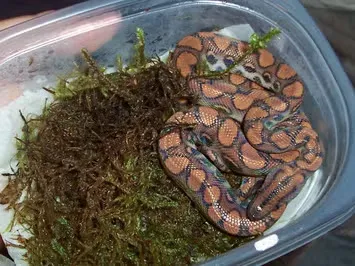
A baby Brazilian rainbow boa finds refuge in her humid hide. Note the cutout hole in the bottom left corner serving as the entrance.
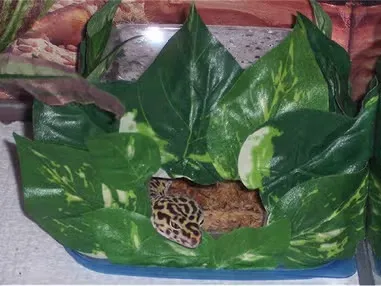
Even geckos like humid hides! This one was decorated with fake leaves for a more naturalistic appearance.
3. How can I raise the humidity in my snake's enclosure?
Some sources insist you need costly foggers, elaborate misting systems, damp towels over the tank, room humidifiers, and misting four times a day. For such a simple animal, that sounds like an enormous amount of work—and in reality, you do not need to go to such lengths.
With snakes, maintaining proper humidity is straightforward because they naturally seek out confined spaces. Here is what I do for my Brazilian rainbow boas, a species famous for its need for heavy, moist air.
It is easier to control humidity in a small area within a large tank than in the whole tank. I achieve this by giving each snake one or two simple humid hides.
A humid hide is a small retreat where a snake can find darkness and a humid microclimate. Pet stores typically do not sell them, and I have never found a commercial product that works as well as a plain plastic container with a single hole cut in the lid.
How to Make a Humid Hide
As you might guess, the humid hides I use are just plastic containers of the right size from grocery, retail, or thrift stores.
- Opaque containers work best. If you cannot find one, bury the container under the bedding or cover it with duct tape. The darkness inside will encourage the snake to use it.
- Fill the container with a water-absorbent material. Sphagnum moss and vermiculite are excellent; I use both extensively.
- Soak the substrate in hot water until all pieces are moist but not dripping. Squeeze it over a sink to let excess water drain.
- Put the substrate in the container, close the lid, and place the hide in the tank so it is half on and half off the heat pad (if using a heat lamp, make sure half the container is under the warm area).
- Replace the container weekly or every two weeks to prevent stagnant air and harmful bacteria buildup.
Besides the humid hide, I still mist the entire cage when the air feels dry, but you will not need to rely on it. Another helpful method is to place the water dish directly under a heat lamp. This promotes evaporation and adds moisture to the air.
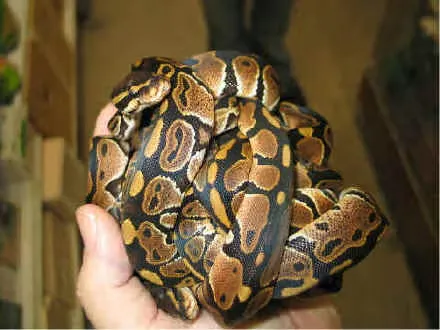
A ball of ball pythons make be cute, but it can be stressful to the animals depending on their standard of care and individual personalities.
4. Is it possible to keep two ball pythons together?
If you have a large enough cage for both, Python regius can do very well together. It is best to keep males with males and females with females unless you intend to breed—often a male can stress out an unreceptive female, which may cause one or both to refuse food. If you are unsure of your snake's sex, consider taking it to a veterinary clinic with reptile experience for a quick probing.
I also want to mention that providing multiple hiding places in a multi-snake habitat is key. If you offer only one heat source and one hiding place near it, both snakes will likely try to cram into the same hide, which can lead to stress and anorexia later on.
5. My snake escaped! What do I do?
Follow the walls that the snake's cage is against until you reach furniture, another room, etc. Snakes travel along walls and are usually found in the nearest closet or similar quiet, dark places.
Whenever you lose a snake, ask yourself, 'where would I go if I were a snake?' It helps to get down on the ground and envision your surroundings from their perspective. A snake wants somewhere dark and removed—usually a closet, but dark vents in the floor or wall, or holes under a cupboard, can be just as inviting.
In the past, I have found most of my escaped snakes in the corners of closet floors under piles of clothes. But some I found wrapped up inside the mechanisms of leather couches, under washing machines, or down in the basement.
If you don't find him at first, don't worry. Snakes usually turn up again, sometimes a month after they're lost. Search dark places before warm places. Snakes on the run first and foremost want somewhere dark and quiet to hide; heat typically does not play into their list of needs.
If Your Snake Escapes
Search dark places before you search for warm places. Snakes on the run want somewhere dark and quiet to hide.
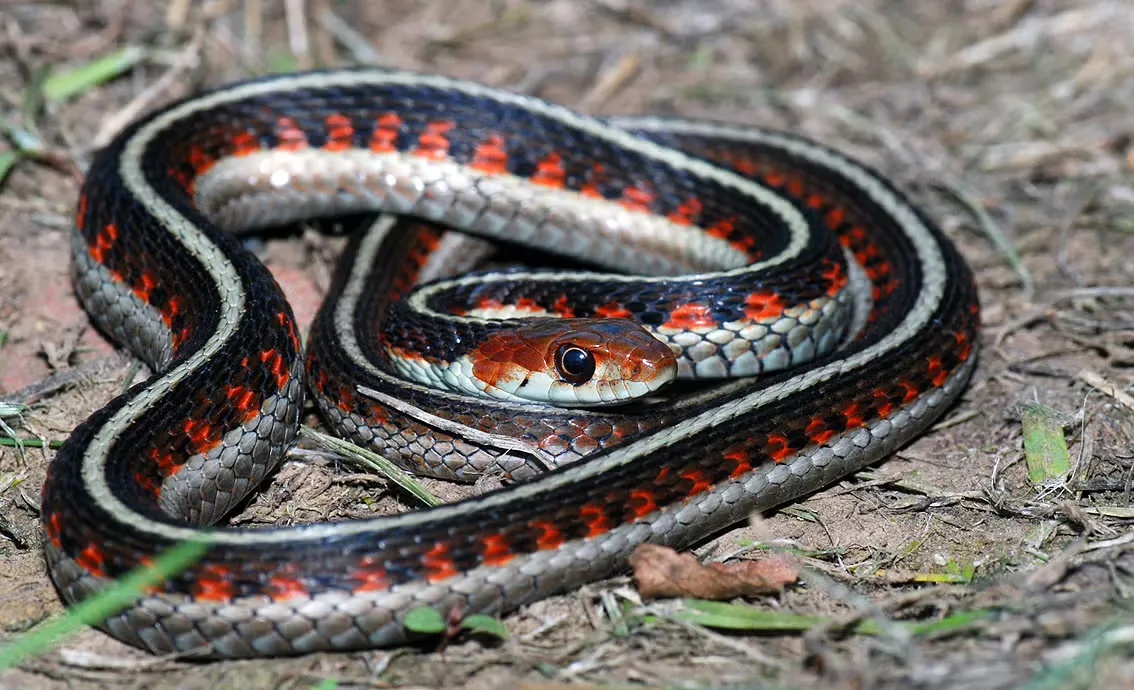
Garter snakes make active, attractive pets.
6. Why type of heating does a garter snake need?
Thamnophis do not necessarily require heat pads or lamps to survive, and in the wild, they are used to hunting, sleeping, breeding, and thriving in weather below 70 F. However, they will grow much faster and live a much healthier life if you offer them a heating pad appropriate for the size tank that they would be living in.
Put the pad under the tank on one side, leaving the other side cool so that the animal may escape the warmth if he so wishes. Heat emitters or incandescent heat bulbs, housed above the tank and fitted within a heat lamp, also do well.
Overheating a garter snake can happen, and ideally, you only want the warm side of their tank to be around 75–85 degrees. The cool side can safely be 10–20 degrees lower than the warm side without adverse effects. Garter snakes are very resilient and tolerate a wide range of temperatures.
7. Can I get a snake off of Craigslist?
I see nothing wrong with getting snakes from Craigslist; in fact, I applaud it if done responsibly. There are hundreds of ball pythons and corn snakes that are abandoned every month because their owners lose interest, don't understand them, or can no longer afford their care. These 'secondhand' snakes can oftentimes be the sweetest lil' things you'll ever meet, and sometimes you find impeccably sweet deals.
Some people may disagree and will caution you against buying from unrepeatable sources (a.k.a, anywhere that is not directly from a breeder), but I find this to be painfully unfair for the animals that need adoption. Humane societies do not regularly take in reptiles and only have room for so many (one or two at the most). A large number of them are euthanized.
There is nothing wrong with perusing Craigslist for a new pet, and nobody says you are forced to buy the animal in question when you go to scope it out. You are able to meet the animal before you buy it and assess its health using your own judgment.
If you are not snake or reptile savvy, I recommend bringing with you someone who is, so they may assist you in choosing a healthy animal. You always have the right to tell a seller, “Hey, I'm sorry, but this isn't what I was looking for.” If you are unhappy with the animal's quality, don't buy it!
8. What should I look out for when buying a new snake?
No matter where you get a snake, you want to make sure it's healthy before you “seal the deal” and make a purchase. Reptiles, unlike puppies and kittens, do not display a wide range of emotions or outward expressions and, thus, are very difficult to assess sometimes.
But if you are vigilant and observant, there are many things that would give away an unhealthy animal. When you go to acquire a new snake, you want to bring along a mental checklist of the following things:
- A snake with a healthy, firm grip around your hands and arm as you hold it.
- Active, attentive, and responsive.
- A healthy weight (you do not want to be able to feel the spine.)
- Shiny, clear eyes with smooth surfaces and no dimpling.
- A clean mouth with no bubbles, dried blood, or odor.
- Clear, silent breathing with no cracks, whistles, or sneezes.
- Smooth, white (depending on the type of snake) underside with no discolored ventral scales.
- A clear vent with no sign of discharge or obstruction. Inside the vent, it should be the same pinkness as the mouth.
- Note any kinks in the spine or abnormal masses or bumps along the sides and underside.
- Note any significant scars, scale rot, or external parasites.
Questions to Ask the Seller
After the physical, you want to ask the seller some questions:
- How old/what gender?
- When was the last time the snake shed?
- When was the last time it ate?
- Is it eating frozen/thawed, pre-killed, or live – rats or mice?
- If not from a breeder, then what's the reason they are getting rid of the snake?
- If from a breeder, then what are the snake's specific care requirements?
Asking the right questions will help you to feel more confident about the animal you are buying. If you are uncertain about the legitimacy of someone you are buying a snake from, assess the situation to be sure that this is really the right snake for you. Remember, it's okay to say, “no, thank you!”
9. Is a vine snake's venom potent? Do they make good pets?
Ahaetulla nasuta are not 'venomous' in the same way that cobras or vipers are. They are a rear-fanged snake, and their venom is very weak. They could not inject you unless they somehow accidentally perceived your hand as a food item and began to chew on it for many minutes. Its effect on you would most likely be minimal, similar to a bug bite or sting. Most feint attack when they are livid but do not actually bite.
Pet stores do not usually sell these guys as their care requirements are very high. You may have to buy one from a wholesaler or breeder by visiting one at a local reptile show or by ordering one online. They will cost you about $30 or $40 bucks. They are cheap because they are, to my knowledge, all wild-caught.
This is a very delicate snake, not recommended for beginners or intermediates. They need large cages, and their feeding requirements are through the roof. Trying to get these guys to take mice over lizards is like trying to fight a bull with a plastic cup. Lizards, as food, transmit a wide variety of parasites, and unless you are medicating the food or the snake, things can quickly go sour. I would not recommend this snake to most people.
10. I want a tiny snake, but rosy boas look kind of boring. What are my other options?
Lichanura trivirgata comes in very few colors and, in my opinion, are one of the most boring-looking snakes available in the trade. Basically, you're looking at two different patterns: gray with black stripes or gray with orange stripes.
Rosy boas are very docile, and they do not exceed 4 feet in length, so if those are the only two things that are important to you, then a rosy boa may be an excellent match. If, however, you want something of similar shape and size, but with a more appealing pattern, I would recommend you consider the following:
- Kenyan sand boas: These animals are renowned for their calm temperaments and ease of care. They come in a few different colors, but their normal pattern is a brilliant orange base contrasted by shiny black splotches. The males rarely exceed 2 feet, and the females rarely exceed 3. They are a very stocky, forgiving snake, and who can say no to that face?
- Children's pythons: Being snakes from Australia, these guys are obviously awesome. They stay a manageable 2 to 3 feet in length and have a faint, yet attractive, rainbow sheen on their scales when held in the right light. These snakes are friendly and fairly easy to care for. As with the others I have suggested, they are forgiving and would be suitable for a beginner should they get their hands on one. These are not commonly found in pet stores.
- Western hognoses: A personal favorite of mine, hognose snakes are entertaining and full of personality. They eat like pigs, they have the most adorable expression, and their short, fat bodies draw in even the most fearful of snake avoiders on account of them actually looking “kinda cute.” Yes, they are kinda cute, and they will stay cute forever since accounts of them reaching a 4 foot length are practically unheard of. These are not commonly found in pet stores.
- Gray banded kingsnakes: There are many different kinds of kingsnake that you may see at the pet store, but this is one of the smaller ones (rarely reaching 4 feet.) All kingsnakes have similarly simple care requirements, and as a rule, are excellent feeders.
Many people might recommend corn snakes and ball pythons, but both of those snakes are known for exceeding 4 feet lengths, and ball pythons in particular can be feisty, anorexic, and difficult for first-time snake owners to care for appropriately.
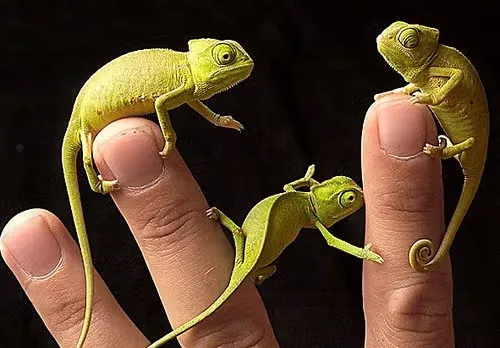
Adorable lizards climbing on fingers
Lizards
Got a question about your bearded dragon, leopard gecko, crested gecko, long-tailed lizard, iguana, or other kind of lizard pet? This section has the answers.
1. My bearded dragon is panting while he sits under his basking spot, but he won't move! Is he just stupid?
This is perfectly natural, healthy behavior that bearded dragons exhibit when they bask for long periods of time. Bearded dragons belong to a certain group of lizards that are sometimes affectionally referred to as sun worshipers. They like a lot of heat, and they like to spend a lot of time under it. Sometimes when they do this, they need to expel excess heat from their body, and so, much like how a dog pants when he is hot, a bearded dragon “gapes,” or opens his mouth, to help regulate his body temperature.
When the dragon reaches his desired core temperature, he will move away from the heat source and cool down elsewhere in your tank. Trust your dragon to know what he needs more than you think you know what he needs. If he is basking, let him bask. But if he is on the cool side of the tank and exhibiting this gaping behavior, be on alert. It may be much too hot in the tank for him!
Occasionally a bearded dragon will gape if he has a respiratory problem. The key is to observe his other behaviors as well. Do his mouth and nose area look healthy, are bubbles present, is there a 'wheezing' noise when he breathes, and does he frequently keep his mouth open, or is it only when he basks? Asking yourself these questions will help you determine the health of your lizard.
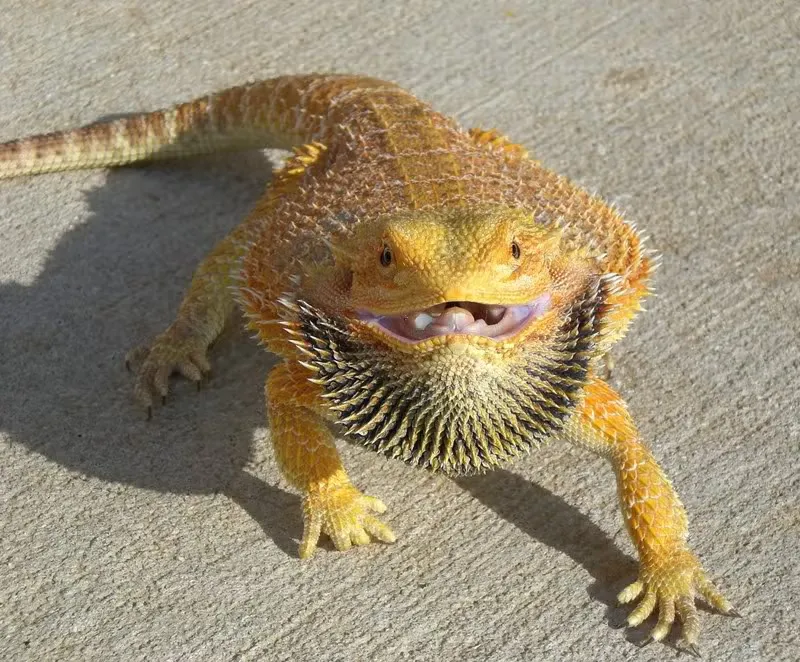
The darkening of the throat is where the 'beard' in this dragon's name came from. A blackened beard means “go away!”
2. Do bearded dragons change colors?
Bearded dragons often change their color depending on temperature and the level of stress or excitement they go through. If it's too cold in the tank, or if there is a sound, scent, or sight that is bothering them, a lot of times they will darken.
At night they also darken, and it will take time in the morning for them to return to their normal brilliance. Bearded dragon colors will fluctuate throughout the day in little ways as well. They will lose spots in one space and gain color in another. It is perfectly normal. During breeding season, males in particular become very bright.
Ideally, you want your dragon to maintain a range of normal to bright colors the majority of the time. If you constantly see your dragon paling, or turning dark, especially around the throat area, your lizard may be trying to tell you he is unhappy about something.
3. How do I know the temperature of my lizard tank?
In order to keep a steady environment in your animal's enclosure, you will need a very special device that will be able to accurately show you the temperature. This very special device is called a thermometer, and there are many different kinds available to the reptile owner.
It is of general opinion amongst reptile keepers that the plastic dial thermometers sold in most pet stores are absolute bull honky. You should not buy a thermometer unless it is a digital one, otherwise you will be wasting your money. Personally, I suggest a Pro Exotics Temp Gun for fast, accurate, and mobile readings, but there are many other different kinds of stationary digital readers and guns that will work.
I prefer the guns simply because I can check the temperatures of all areas in multiple tanks with an instant readout, whereas with stationary thermometers you are limited to one tank at a time, and the location of the probe is key.
Please do not limit yourself to reptile-specific temperature readers either. Oftentimes those sold in gardening or motor vehicle stores are of much higher quality than anything you will find at your local Petco.
4. Why does my leopard gecko wag its tail?
Leopard geckos wiggle their tail for many reasons, and there are many speculations, but no hard scientific explanation, as to why they do this. In my experiences it seems to be a certain level of arousal they reach that causes them to perform this behavior, such as right before they catch a bug (the thrill of the hunt), when two geckos meet (how exciting!), during mating rituals (self-explanatory), or when they perceive something to be a threat (always a rush).
One theory is that geckos wiggle their tail as a distraction, to draw the eyes of predators, and prey, to focus on a part of the gecko's body that is not important, but this does not explain the behavior during breeding.
It is important to note the animal's subtle body postures in order to figure out what he may be telling you. If the tail is wagging slow and the animal is low to the ground or making hissing noises, this can be a sign of nervousness or fear and it means that the animal is much too grumpy and does not want to be picked up. Quick wagging is usually made from a gecko that is an aggressor, such as one who is bullying another or one who is hunting.
It is perfectly normal behavior, but many geckos will outgrow it if kept alone, or will not exhibit it as often as they mature.

A meal fit for a king! …Or a dragon.
5. Why won't my bearded dragon eat his salad?
Bearded dragons, contrary to the misconception that all lizards eat bugs and meat, are primarily vegetarian as adults. It is definitely best to start offering salads to beardies early on, even if they don't take to it right away. If yours absolutely refuses, don't worry, even if you can't ever get him to eat raw salad, you can gut-load your crickets with salad before feeding them to him so at least he will gain some of his vegetable requirements in that way.
When I am training young bearded dragons to eat vegetables, I find that they show very little to no interest if the food is not moving. What I usually do is a will pick up a small, bite-sized piece of fluffy green (usually romaine, sometimes parsley) and slowly twirl it in between my two fingers so the piece is in motion and the dragon can see it. Sometimes it catches their eye and they come over to inspect it, and bite it, but sometimes they only want to look at it. Looking is better than nothing, and that is progress in and of itself!
Unique Smells to Entice Your Dragon
Feeding vegetables and fruits that have strong or unique smells seem to attract a dragon's attention as well. I find that crushing parsley over a salad gives it a “minty” scent that many dragons find interesting, and will sometimes investigate. The following are all excellent smells that may work for your pet:
- Mango
- Pineapple
- Blueberry
- Non-toxic flower petals such as hibiscus, honeysuckle, rose, or dandelion
- Cactus or prickly pears
- Mint
- Cilantro
- Basil
I have heard of some people who had success spraying salad lightly with a mist of 100% organic fruit juice such as orange or apple juice, which will help keep the salad fresher longer and also may attract diners with its sweet, inviting smell. Every dragon is different, maybe yours will prefer one smell over another. The only way to know is to try to see.
Tempting Your Pet With Bright Colors
Bright colors also attract attention, especially the color red (which is why hibiscus and rose petals work wonders). Try bell peppers, squash, or brightly colored berries to attract him over to a salad. A dragon will very rarely approach an all-green salad right off the bat. If you really want to try to get him to eat, explore other varieties of vegetables that may spark his interest.
Make sure to keep the salad in all day, and leave him alone with it for a while. A healthy bearded dragon should not starve himself when food is available. Do not give up hope. It's his stubbornness versus your willingness.
6. My crested gecko is not eating his crickets, what do I do?
What size is the enclosure? What is his temperature and humidity set at? Do you provide him with UVA and UVB lighting? Does he have enough places to hide, enough places to climb? Do you leave the crickets in the cage so they can walk all over him and bother him while he sleeps? When a reptile is not eating, this is a chance for you to take a step back and try to assess the animal's living situation and possible needs.
Many animals will refuse food if they are too cold or too hot, the cage is too dry or too wet, or they are not being stimulated through UV rays. They will also refuse food if stress is affecting their normal living, which is a common occurrence with lizards that constantly have crickets in their cage. This continual “swarm” of bugs stresses them out, so it is important that the food items are in the cage no longer than an hour.
Try to provide a quiet, well-furnished sanctuary for your animal that caters to his sense of security. You can accomplish this by offering multiple places to hide in, and a significant nighttime period free of light or disturbances.
Crested Gecko Diet, a commercially manufactured powdered food, can also entice a stubborn cresty to eat, and arguable he should be eating that instead of crickets anyway. If you are unable to get a hold of CDG right away, then a mashed fruit and unsweetened yogurt mixture may work temporarily. Crested geckos seem to favor fruits like mangoes, peaches, figs, and bananas.

Just because a chain store carries animals does not necessary mean its animals will be in poor condition. Quality reptiles can be found anywhere.
7. Can I buy a bearded dragon from Petsmart?
There are many unsavory tales of misery surrounding the “perils of pet stores,” and Petsmart routinely falls under a poor light in the eyes of animal advocates due to their corporation status. I am here to tell you that it is not the title of “pet store” you should be concerned about, but rather the quality of each individual store's pet care.
The rumor that Petsmart orders all of their animals from the same wholesaler/breeder is unfounded and untrue. How could a single company produce enough animals to supply the entire Petsmart franchise (over 1,145 stores)? Petsmarts will use different suppliers for their reptiles depending on location, and truthfully quality is not always consistent.
The rumor that all reptiles sold in pet stores are wild caught is also completely untrue. Bearded dragons, for example, are always captive born, captive bred animals due to the strict regulations in Australia that protect against the import and export of native fauna. There are no wild caught bearded dragons in any pet store, let alone Petsmarts, which abide by the technical legalities of the pet trade (whereas mom-and-pop stores will routinely have “slightly illegal” things).
I see no problem with buying from Petsmart, assuming you do your research first, and assuming you know how to choose a healthy lizard from a sick lizard. Ask the right questions and look for the right things. But I will caution against taking a pet store employee's information as verbatim—with animals, it is never wise to use just one source of information. Please read books, pamphlets, articles online, and talk to as many people as you can. A pet store employee may not know everything, and they may have some false information—but hey, so do some books. Educate yourself, do not rely on someone else to give you all the answers.
8. My iguana has a cut on his arm! What do I do?
For superficial wounds, blisters, and burns on reptiles, household Neosporin (also known as Triple antibiotic ointment) works wonders.
- Be sure to flush the wound first with Betadine or sterile water before applying any ointment or bandage.
- The ointment should be applied nightly, or twice daily (morning and evening), until the wound has healed over.
- Make sure that the animal's enclosure is kept cleaned and disinfected to prevent possible infection of wound sites.
- Assuring the animal is kept in the warmer range of its optimal temperature requirements will help with healing rate, as will the continuation of a proper diet.
If the wound is deep, substantial, showing signs of festering, or you feel uncertain about its severity, take the animal to a veterinarian as soon as possible.
Go to the Vet!
If the wound is deep, substantial, showing signs of festering, or you feel uncertain about its severity, take the animal to a veterinarian as soon as possible.
Ick.
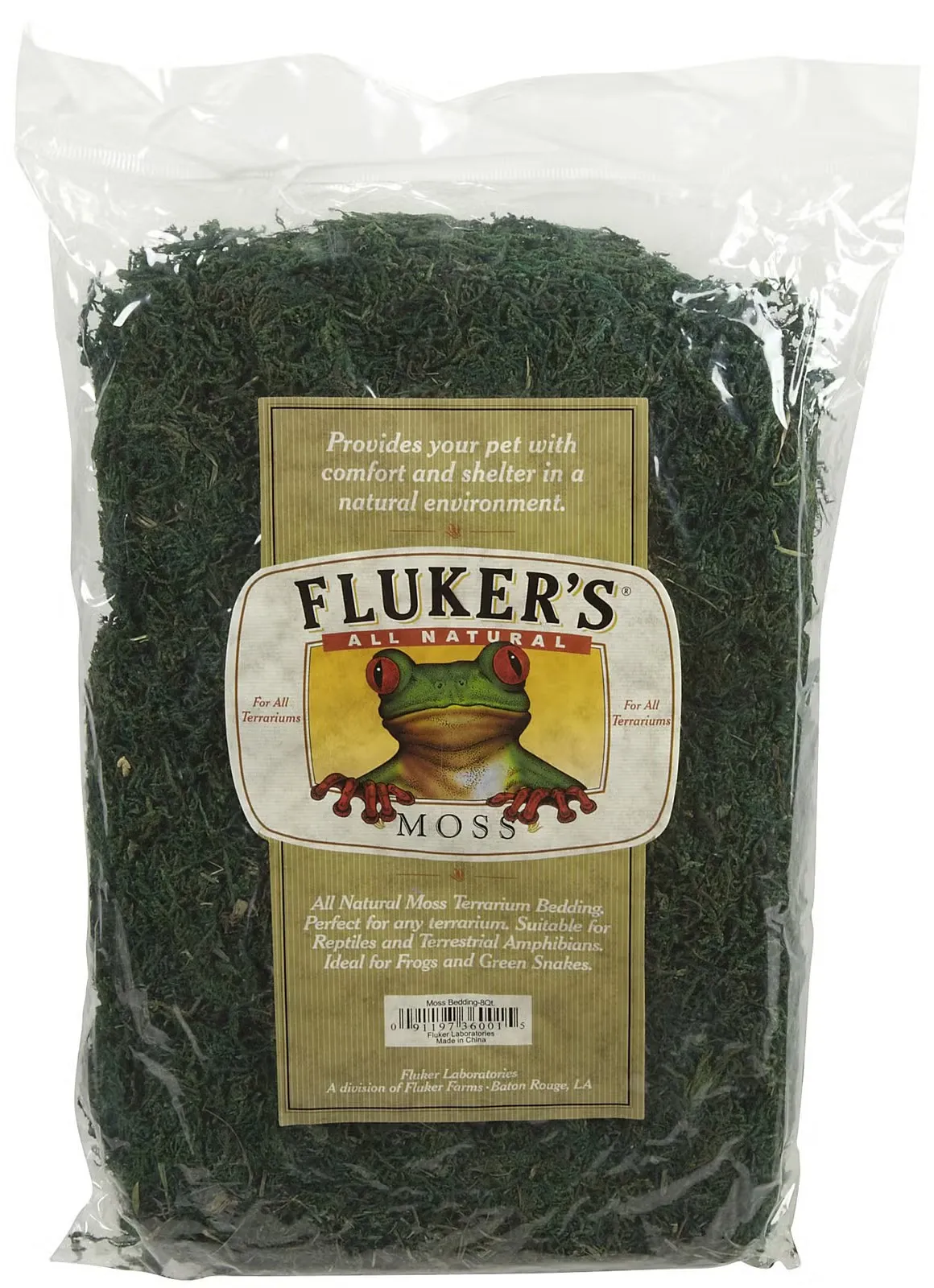
9. Is Fluker's green moss safe for leopard geckos?
The Fluker's moss is dyed. It probably won't hurt your gecko, but it's still dye, and that makes me uneasy. It's a pain in the butt; it dyes everything it comes into contact with and it smells manufactured. I stay away from the stuff simply because I have better alternatives at my disposal.
When providing humidity and aesthetic touches to a tank, I rely on sphagnum moss. It's lightweight, fluffy, looks interesting, holds humidity for longer, and actually contains antifungal properties which help to cut down on dangerous bacterial growth in terrariums. You can find it at most garden stores for relatively cheap.
10. Can lizards get snake mites?
Snake mites do not target lizards, they are an order specific parasite. There are mites that lizards can get, but they're usually red, whereas snake mites are decidedly black or brown. Melissa Kaplan has a great webpage about reptile mites.
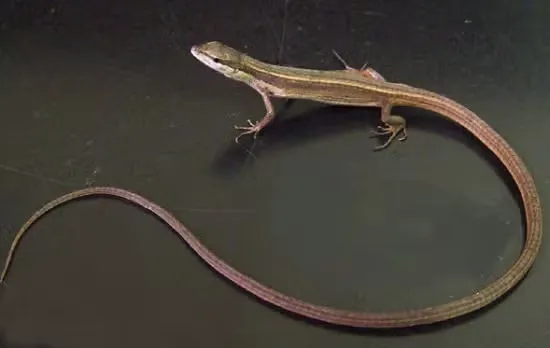
Long tail lizards have…very long tails.
11. How do I care for long-tailed lizards?
Akydromus sexlineatus care is very similar to that of green anoles. Starting with tank size, a single lizard should have 10 gallons of room. Two or three lizards can be housed in a minimum tank of 20 gallons.
They need a humid environment, so a substrate of cypress mulch, coconut fiber dirt, repti-bark, sphagnum moss, vermiculite, etc, or a combination of all of these are good choices. As these lizards love to climb and hide amongst leaves, please furnish their cage with many sticks and fake or real plants for them to feel adequately secure in.
You should try to keep the tank between 70-85 degrees, with a basking spot of around 90. Provide UVB as well, as these are active diurnal lizards. Misting should be done nightly, and the bedding should remain relatively damp so as to provide a good amount of humidity throughout the tank.
Diet should be a variety of small insects. They do not like to tackle large prey and are quite delicate, so make sure the crickets and worms you provide are small enough so that they can easily chomp them up.
12. Is a pothos plant okay for a water dragon cage?
Epipremnum aureum, the pothos plant, is a great starter plant for terrariums. It doesn't require extensive lighting, seems to work just as well in high temperatures and humidity as it does in a cooler living room environment, and the trailing stems it produces adds an exotic and beautiful touch to any enclosure.
It is not so much poisonous as it is containing potentially high levels of acidic toxicity which, if eaten often on a day-to-day basis, could result in problems. The occasional nibble here and there is harmless, and unless you are keeping a very herbaceous species such as a green iguana or a greek tortoise, I wouldn't worry about pothos being harmful.
Water dragons are more interested in tearing foliage up with their claws as they scurry about than they are in eating them, anyway.
13. What does spot-checking a lizard's cage mean and how do I do it?
To “spot check” a reptile's cage means to go into the cage every day and pick out anything unsanitary. “Anything unsanitary” includes feces, urates, left-over sheds, uneaten food, etc. This is also a time where the reptile keeper will make sure that all cage furnishings are in the correct place, temperatures are appropriate, water is fresh, and the animal's condition is satisfactory.
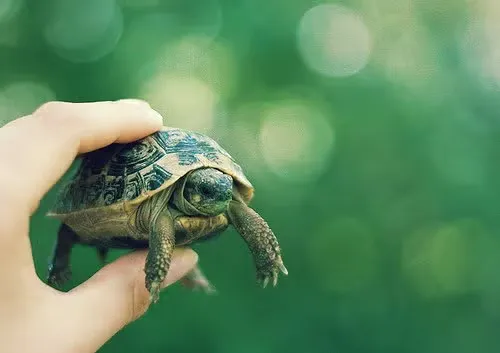
A tiny turtle.
Chelonians (Turtles and Tortoises)
This final section covers common questions about pet turtles and tortoises, including feeding, breeding, housing, and ailments.
1. Will my turtle get impacted if he eats a snail shell?
Snails are a delicious treat for most water turtles. Not only do they relish mollusks, but shells will give them a boost of calcium, which will in turn help them grow a stronger, more beautiful shell themselves. Turtles can digest snail shells, so don't worry if you don't see “shell bits” come out the other side. Impaction occurs when animals consume materials that they cannot digest, such as sand, gravel, or plastic.
2. Where can I find a good turtle breeder in the U.S.?
Kingsnake Breeders offers a good list of options to start from. Reputable breeders. Quality animals.
3. Can two map turtles live in a 10-gallon tank?
One map turtle shouldn't even be in a 10-gallon tank! Turtles need lots of room and are quite dirty. Hatchlings should be in at least a 20-gallon tank (a 20 gallon long would be better), which means double if you have multiple little ones.
The growth rate of aquatic turtles varies widely, dependent on things like stress, enclosure size, readability of food, and temperature, but at one year a map turtle should be around 3 inches long if kept and fed appropriately. In two to three years you are looking at an animal approximately 6 inches long, and a turtle that size will benefit from living in the largest tank you can realistically afford to maintain.
10-gallon tanks are not appropriate for most reptiles, let anyone any commercially sold turtle.
4. Help! My turtle's shell is turning white!
Please direct yourself to Austin's Turtle Page to accurately identify which shell problem your little guy has.
It's hard for me to tell you what your turtle has without the aid of pictures, but there is a wealth of information on that page with helpful steps on how to get your turtle back on track. Feel free to read the rest of that website as well, especially the Water Quality area, as improper water quality is the leading cause for most ailments in water turtles.
This article is accurate and true to the best of the author's knowledge. It is not meant to substitute for diagnosis, prognosis, treatment, prescription, or formal and individualized advice from a veterinary medical professional. Animals exhibiting signs and symptoms of distress should be seen by a veterinarian immediately.