Picking a Safe Substrate for Your Land Hermit Crab
Rowan Wood
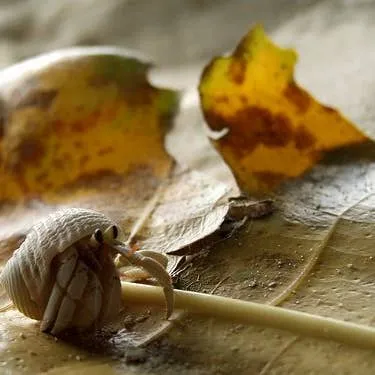
Choosing Bedding That Works for Land Hermit Crabs
Land hermit crabs spend their days hidden in the ground and come out after dark to search for food, so the material filling the bottom of the tank is where they pass much of their time. That makes it worth getting right, both in type and in quantity.
Shops offer plenty of possibilities: sand, forest bedding, crushed coral, gravel, small river pebbles, potting soil and wood chips are among the common ones. Not every option suits a crab, though. Some stop the animals from burrowing, others are harsh against their bodies, and some simply fail to retain moisture.
The sections that follow go through the main choices and note which are safe for captive hermit crabs.
Options Covered Here
- Sand
- Forest Bedding
- Other Substrates
- Harmful Substrates to Avoid
1. Sand
Sand combines good looks with practicality: crabs can tunnel into it easily because it does not cave in, and it costs little. There is no need to seek out bags labeled for hermit crabs. A 50 lb. bag of play sand picked up at a hardware store for about three dollars does the same job as specialty crab sand at a far lower price.
Inspect any bag of sand or other bedding before adding it to the crabitat, checking for insects or tears in the packaging. Smell it as well; a strange odor means it should stay out of the tank. Most sand is washed or sterilized before packaging, but rinsing it, letting it dry and baking it in the oven is still a sensible extra step.
Depth matters: the layer should be deep enough that a crab can disappear completely into it. Keep it damp, too. While arranging the crabitat, mix in water until the sand is moist without being soupy — aim for the texture of sand you could shape into a castle.
2. Forest Bedding
Compressed into a hard brick, forest bedding makes an excellent crabitat substrate. It consists of coconut fibers shredded so finely that the material feels almost like soil. As time passes it firms up slightly, which lets crabs dig into it. Put the brick in a bowl, add water and leave it until it has absorbed enough to soften and crumble readily. To improve it further, work in pre-arranged salt water; crabs enjoy eating the bedding, and this supplies some of the extra minerals they require.
Moisture retention is a major advantage of forest bedding: it keeps humidity at a suitable level so the tank does not need misting. Its one drawback is that it can draw fungus gnats — tiny black insects that may lay eggs and start breeding inside the tank.
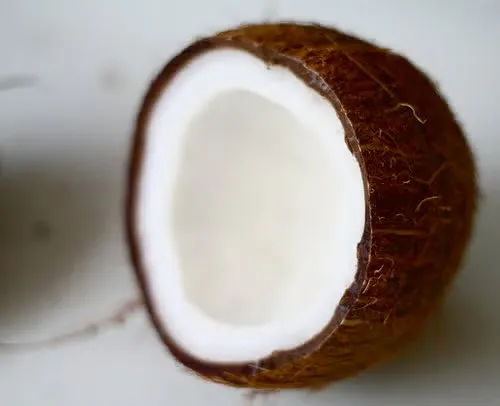
Forest bedding comes from very finely shredded coconut fibers. Many crab owners have seen their crabs experience beautiful molts in it.
3. Other Substrates
Many owners prefer mixing forest bedding with sand instead, which arguably gives crabs the best substrate of all, with a texture well suited to digging. Crushed coral is another acceptable choice; according to many owners, hermit crabs seem to love crushed coral.
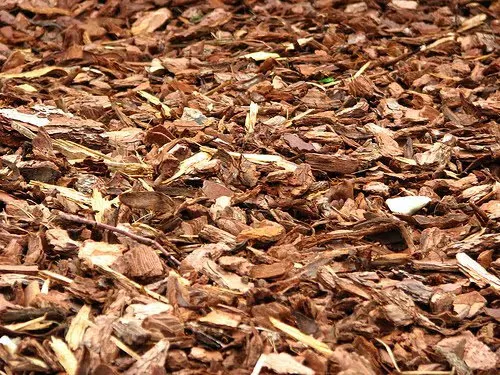
Avoid using wood shavings, as they dry out hermit crabs.
Blandine Géneau CC BY 2.0
4. Harmful Substrates to Avoid
The materials above suit hermit crabs. Gravel (unless it is very fine), small river pebbles, potting soil and wood shavings do not. Rocks are too coarse for crabs to dig beneath, and they retain too little moisture, so water can collect under them. Small pebbles and gravel are fine in limited areas of the tank provided they are not the main substrate.
Potting soil may carry pesticides and other chemicals that are dangerous to crabs. Moss should be avoided as well; it encourages bacterial growth and draws insects.
Many pet stores sell a substrate called Calci-sand, which is very healthy for hermit crabs to eat. It should be sprinkled only in the food dish, however, because once wet it hardens like a brick and prevents crabs from burrowing into it.
NOTE: Never use substrates such as corn, pine, or cedar shavings; they dry hermit crabs out and have even led to death.
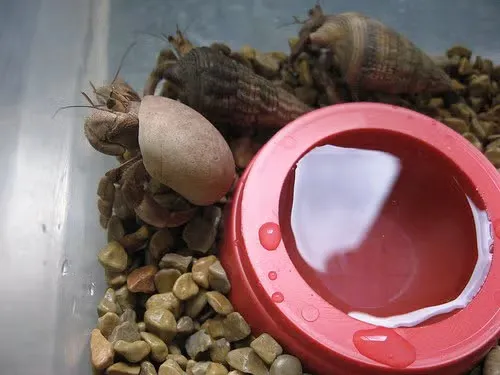
Gravel does not hold moisture well and is too coarse for hermit crabs.
Tom Woodward CC BY-NC 2.0
Making the Choice
With this many alternatives, picking the right substrate can be difficult, particularly if you are unfamiliar with them. Because hermit crabs sit in the substrate all day, its safety matters greatly. Given proper care, your hermit crabs should live long, healthy lives.
This article is accurate and true to the best of the author’s knowledge. It is not meant to substitute for diagnosis, prognosis, treatment, prescription, or formal and individualized advice from a veterinary medical professional. Animals exhibiting signs and symptoms of distress should be seen by a veterinarian immediately.