Taking Action Against Puppy Mills: Adoption, Advocacy, and Awareness
Skyler White
Halting the Puppy Mill Cycle
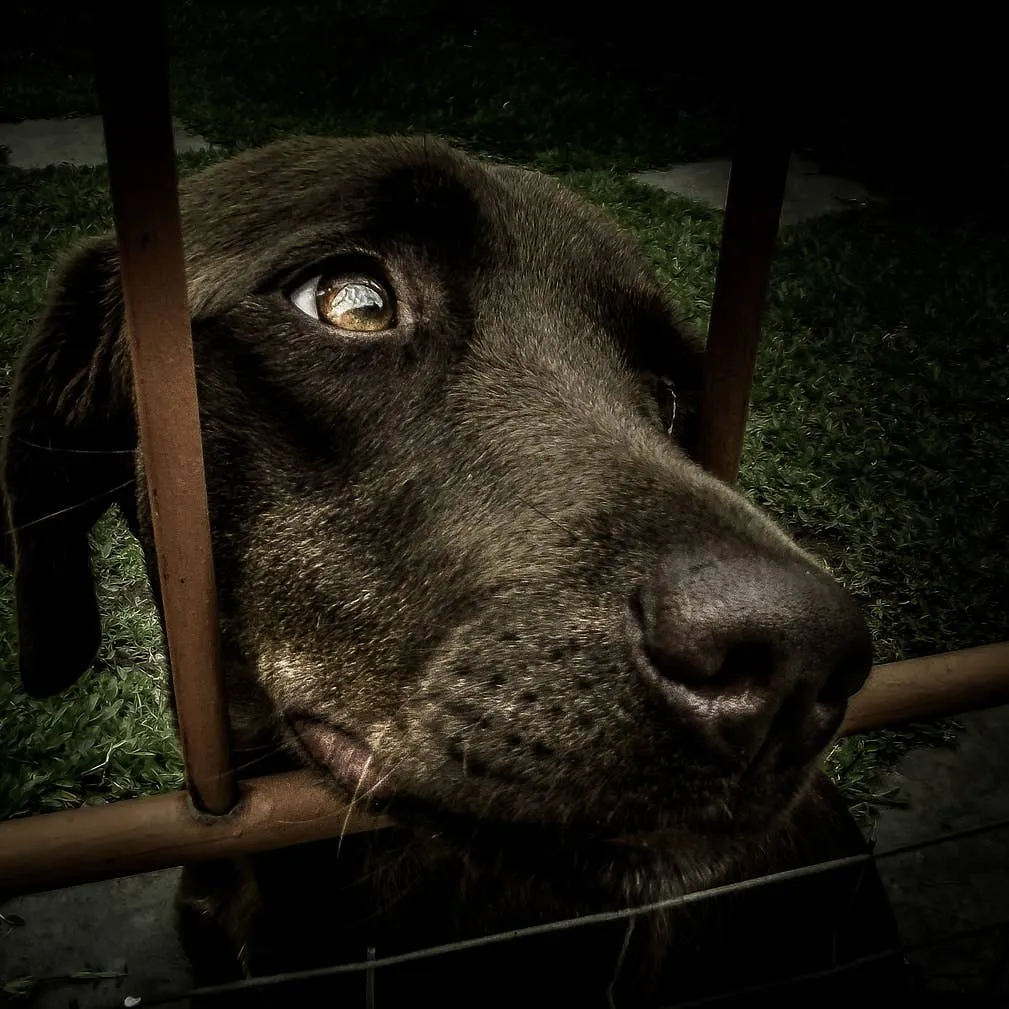
Rather than purchasing a pet from a store or an online seller, think about adoption first. Many animals at local shelters are strays or have been abandoned. When we adopt, we reduce the demand that keeps puppy mills profitable. Beyond adoption, we can raise our voices in our communities and persist in efforts to rescue dogs from harmful situations.
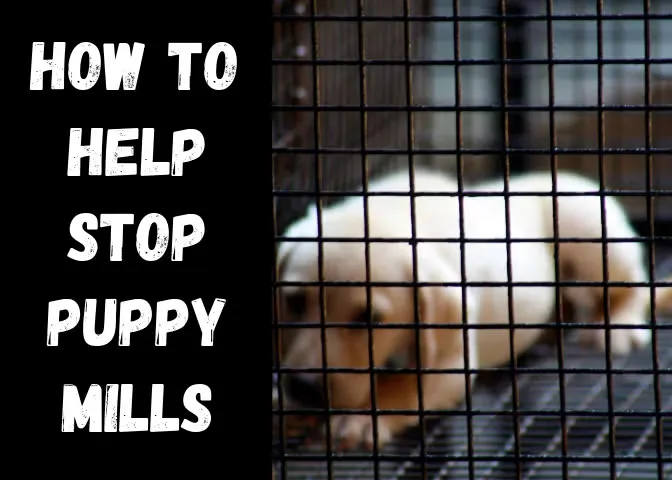
Puppy mills may operate within the bounds of the law, but the conditions in which many dogs and puppies are kept are morally unacceptable.
heymrleej, CC BY-SA 2.0, from flickr
Defining Puppy Mills
Puppy mills are large commercial breeding operations where profit takes precedence over the well-being of the animals. Depending on their size, a single mill can house anywhere from 10 to 1,000 dogs.
Living Conditions Inside These Facilities
Female dogs are bred as frequently as possible; once they can no longer reproduce, they are often killed. The environment is typically overcrowded and unsanitary. Cages are frequently stacked, and many have wire floors that harm the animals’ paws and legs.
Many dogs die in these places without ever experiencing a happy life. They never feel fresh air or see sunlight. Often, they remain in their cages except for breeding, and the cages are only about six inches larger than the dog itself.
Key Facts About Puppy Mills
The United States alone is estimated to have 10,000 puppy mills. They sell puppies as young as eight weeks old. Female dogs are bred until they are no longer able to reproduce, after which they are often killed.
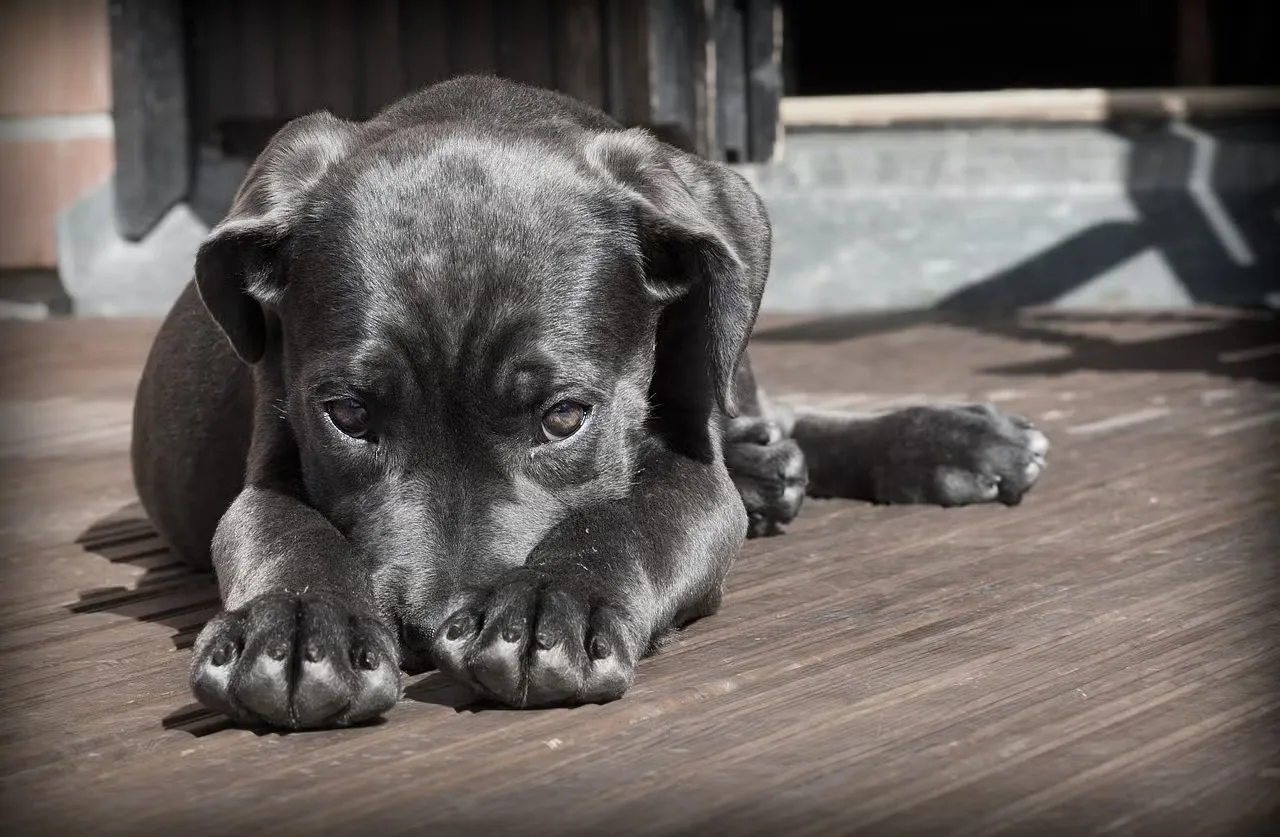
The requirements for operating a puppy mill are minimal, creating opportunities for abuse and inhumane conditions and treatment.
No Access to Fresh Air
Many dogs in puppy mills never get to enjoy fresh air or see the sunlight.
Legality of Puppy Mills
Surprisingly, the short answer is yes. However, many puppy mills lack all the required documents to be legal, making them illegal. If you suspect a puppy mill, contact your local ASPCA or other authorities.
The Animal Welfare Act (AWA) permits puppy mills to operate legally. This act only enforces minimum standards for these animals.
What it allows:
- Unlimited number of dogs
- Stacked cages
- Mesh and wire flooring
- The dog may be caged their whole life except to breed
- Animals not wanted may be killed
- No human interaction
- No exercise
All of this is legal. Actions need to be taken to improve the welfare of these animals.
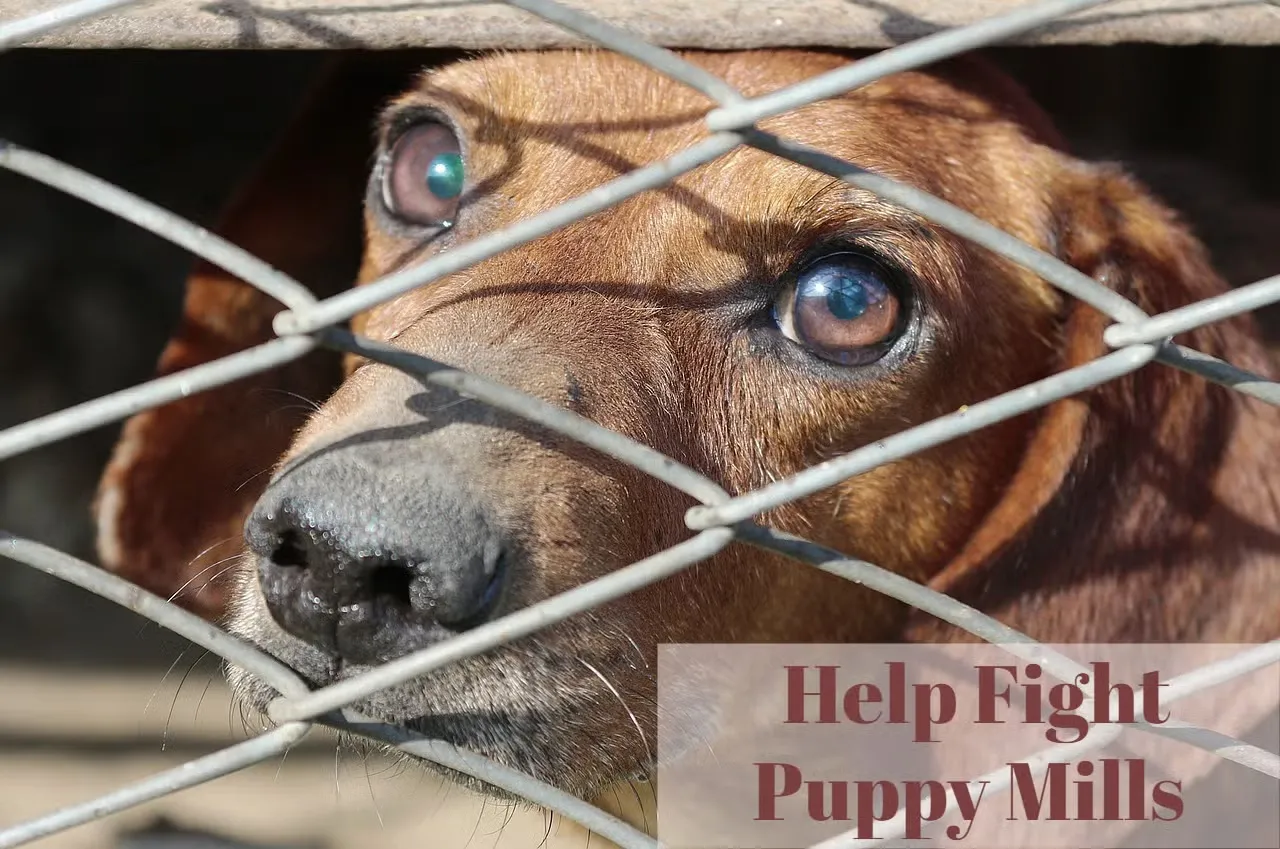
There are a number of ways to take a stand against puppy mills.
Poor Living Conditions
Many dogs become sick and do not receive proper veterinary care. They never get to be normal, happy dogs. They won’t get proper human interaction, grooming, exercise, nor a breath of fresh air. Many dogs die in the mill.
Steps We Can Take
Here are some actions we can take to start fighting against puppy mills.
- Adopt, Don’t Shop: Instead of going to your local pet shop or finding a pet online, consider adoption.
- Urge Change: If you suspect your local pet store is involved with puppy mills, ask them to consider changing and suggest they take in pets from shelters to sell. If nothing changes, consider reporting them if many of the animals become sick.
- Speak Out: Speaking out in your community can draw attention to these situations. Put up flyers at your vet’s office. Call the local newspaper and tell them everything you know about puppy mills. Consider writing a letter to your legislators and asking them to improve the conditions of these animals. Raise awareness in any way you can!
- Donate: You can donate to stop puppy mills and save animals’ lives.
- Support Shelters: Many organizations like The Humane Society accept donations to save animals from these mills and provide more no-kill shelters.
Why We Need to Fight
Saving animals’ lives is the top priority. As we already know, many animals are in harmful situations. This is why we need to keep fighting and put an end to puppy mills! Profit over well-being is just unacceptable.
One Adoption Makes a Difference
Adopting a pet from the shelter can make all the difference. When we adopt, we save animals’ lives and give them a wonderful home, thus allowing more room in shelters. Adopting versus buying means that the puppy mill animals will most likely go to a local shelter if they are not sold from the pet store. One adoption saves more than one animal’s life. It gives them a second chance.

Let’s fight!
Let’s Continue the Fight
Now that you have learned more about puppy mills, please raise awareness when you can!
Let’s put an end to puppy mills.
Never stop fighting!
This article is accurate and true to the best of the author’s knowledge. It is not meant to substitute for diagnosis, prognosis, treatment, prescription, or formal and individualized advice from a veterinary medical professional. Animals exhibiting signs and symptoms of distress should be seen by a veterinarian immediately.