Stunning Equine Breeds: A Connoisseur's Selection
Elliot Scott
Selecting the Finest Breeds
When compiling this selection, I focused on physical traits—coat color, mane and tail, feathering, and overall build. I also limited the list to breeds noted for good temperament, comfortable riding, and potential as companion animals.

A look at some beautiful horse breeds
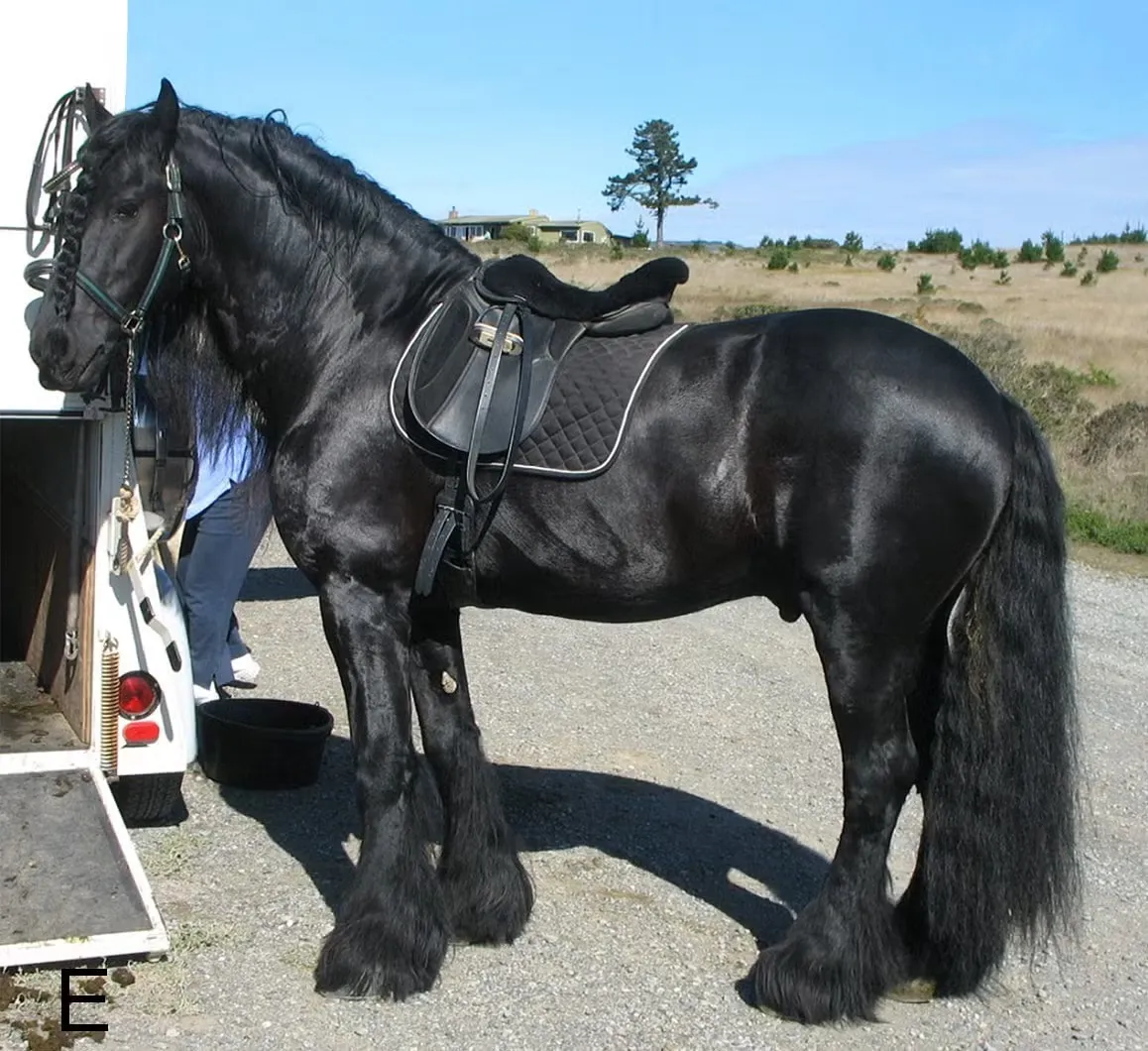
The Friesian
Cook D, Brooks S, Bellone R, Bailey E., CC BY-SA 4.0
Friesian
The Friesian is always black and stands between 14.2 and 17 hands. Its long, silky mane and tail are accompanied by feathers on the lower legs. Even the largest individuals move with remarkable grace and agility.
This breed is known for a gentle, docile nature and has appeared in films such as The Mask of Zorro. Historically, its ancestors carried knights into battle.
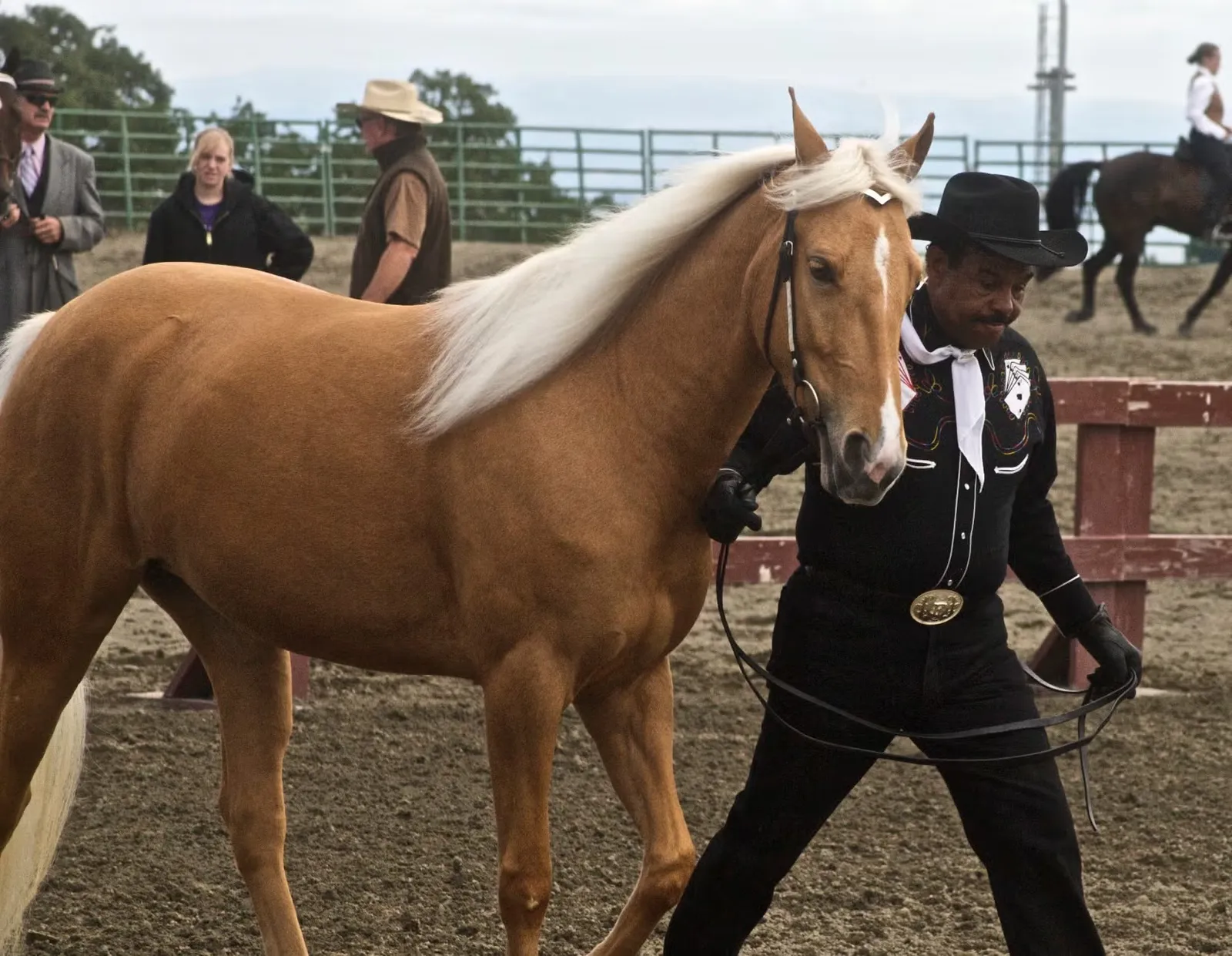
Tennessee Walking Horses
Just chaos, CC BY 2.0 , via Wikimedia Commons
Tennessee Walking Horse
The Tennessee Walking Horse is recognized for its stance: the front legs are held straight while the hind legs are set back, away from the body.
Riding this breed is exceptionally comfortable because its unique gait is smooth and even. It is often described as the most sweet-natured of horses, making it a good choice for a child’s first full-size mount. Its size is also practical, typically 15 to 16 hands.
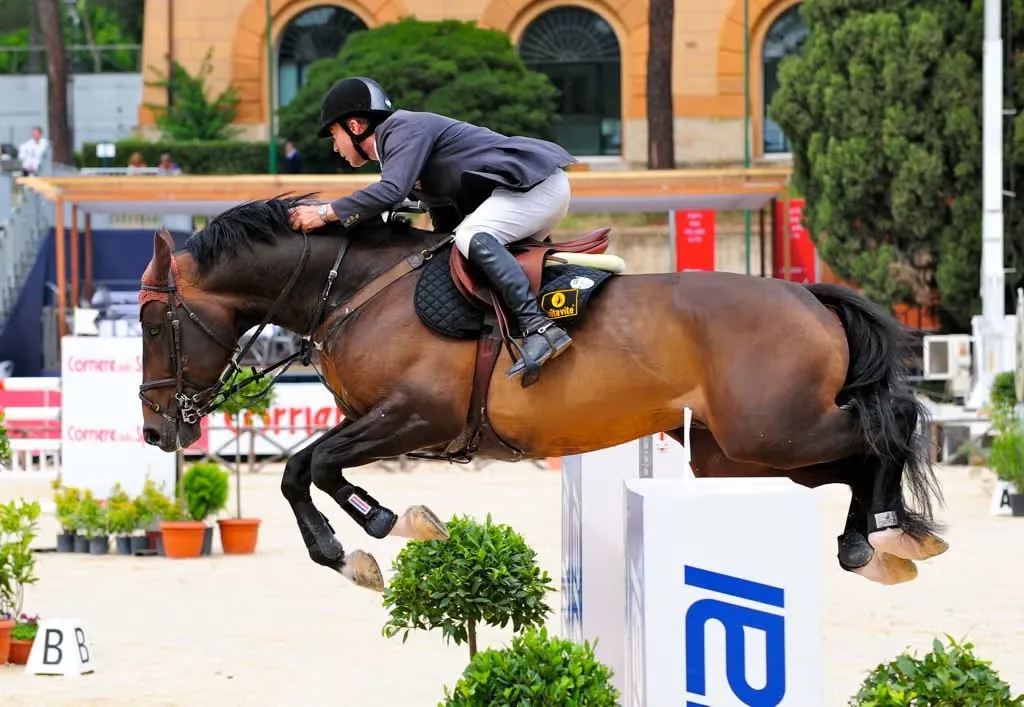
Dutch Warmblood
claudiogennari, CC BY 2.0 , via Wikimedia Commons
Dutch Warmblood
The Dutch Warmblood is growing in popularity in the United Kingdom and the United States, thanks to its striking appearance as well as its athleticism and calm, friendly temperament. It is related to Thoroughbreds and stands fairly tall, around 15.3 to 16.3 hands.
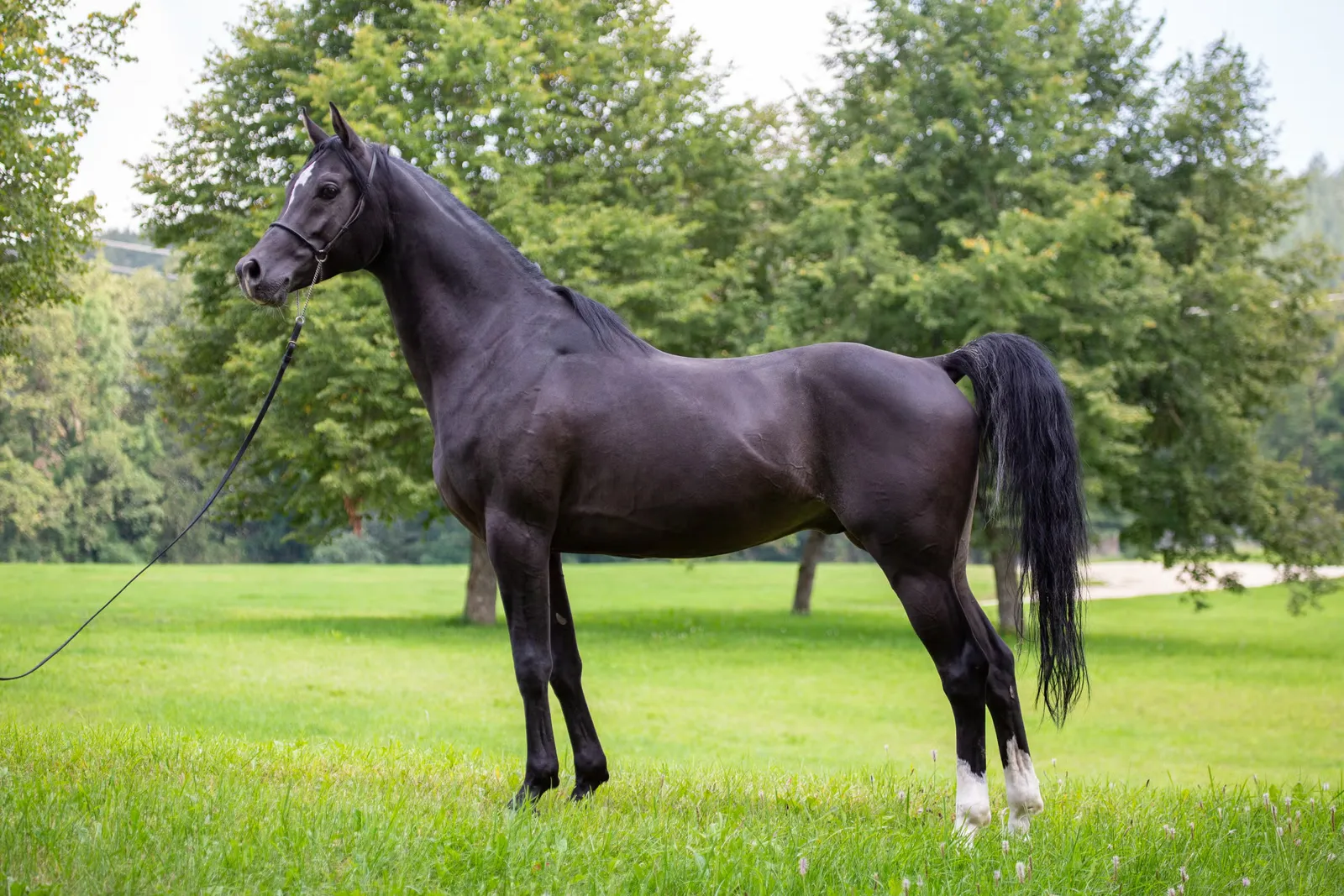
Arabian
OliverSeitz, CC0, via Wikimedia Commons
Arabian
Many consider the Arabian the most beautiful horse in the world. Its head is small and elegant with a concave profile, and several other physical traits are unique. It has 17 ribs instead of the usual 18, a well-arched neck, and a distinctive angle at the mitbah (where the neck meets the body). The tail is high-set and arched.
With its stamina, the Arabian is ideal for endurance riding. Though small (14.2 to 15 hands), it is full of spirit and character.
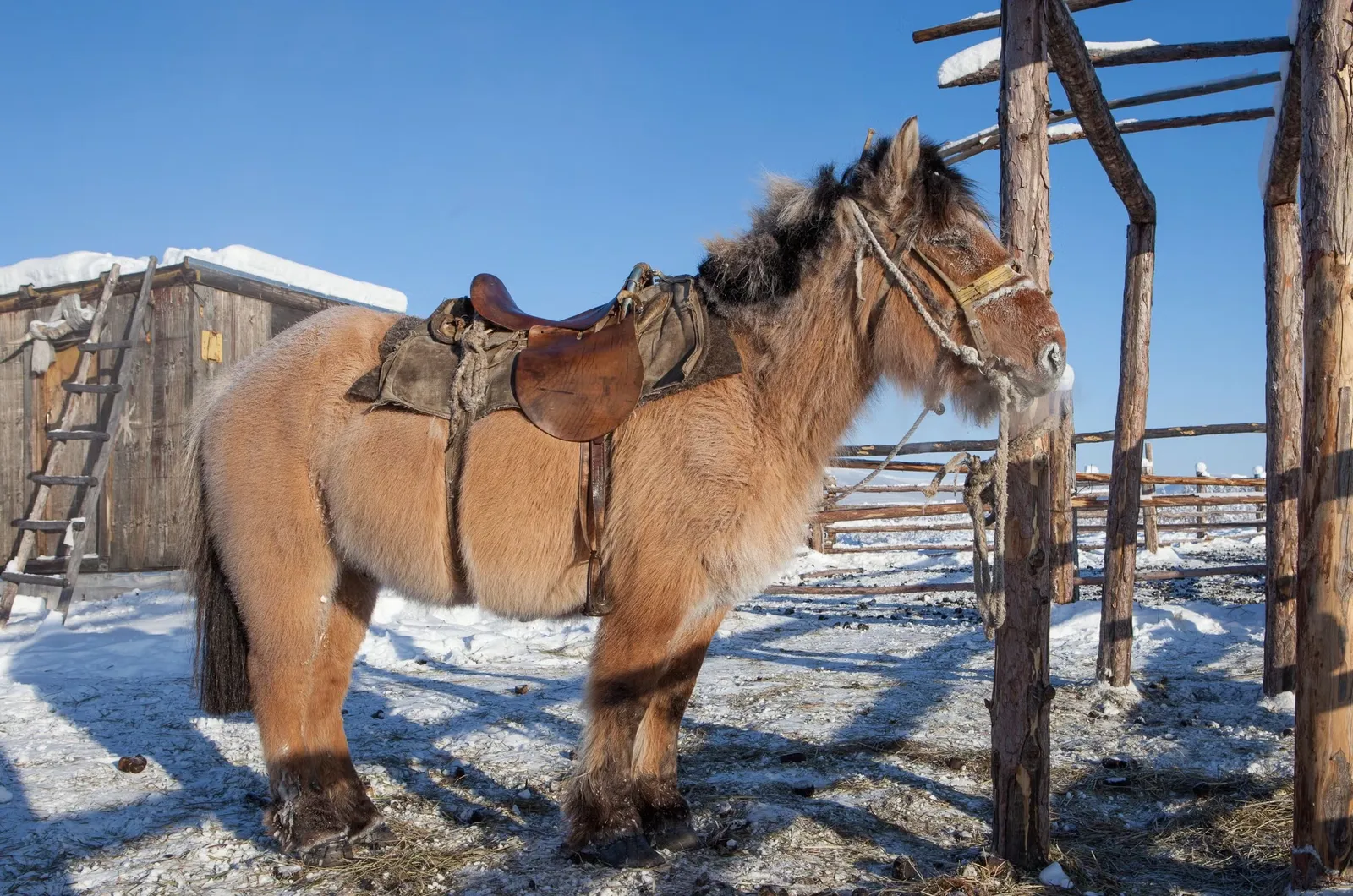
Yakutian
Maarten Takens from Germany, CC BY-SA 2.0 , via Wiki
Yakutian
The Yakutian horse survives the extreme climate of the Yakutia region and shares some features with the Shetland pony. It is stocky with dense fur and can locate vegetation even under snow. This is a small horse, averaging about 14.2 hands.
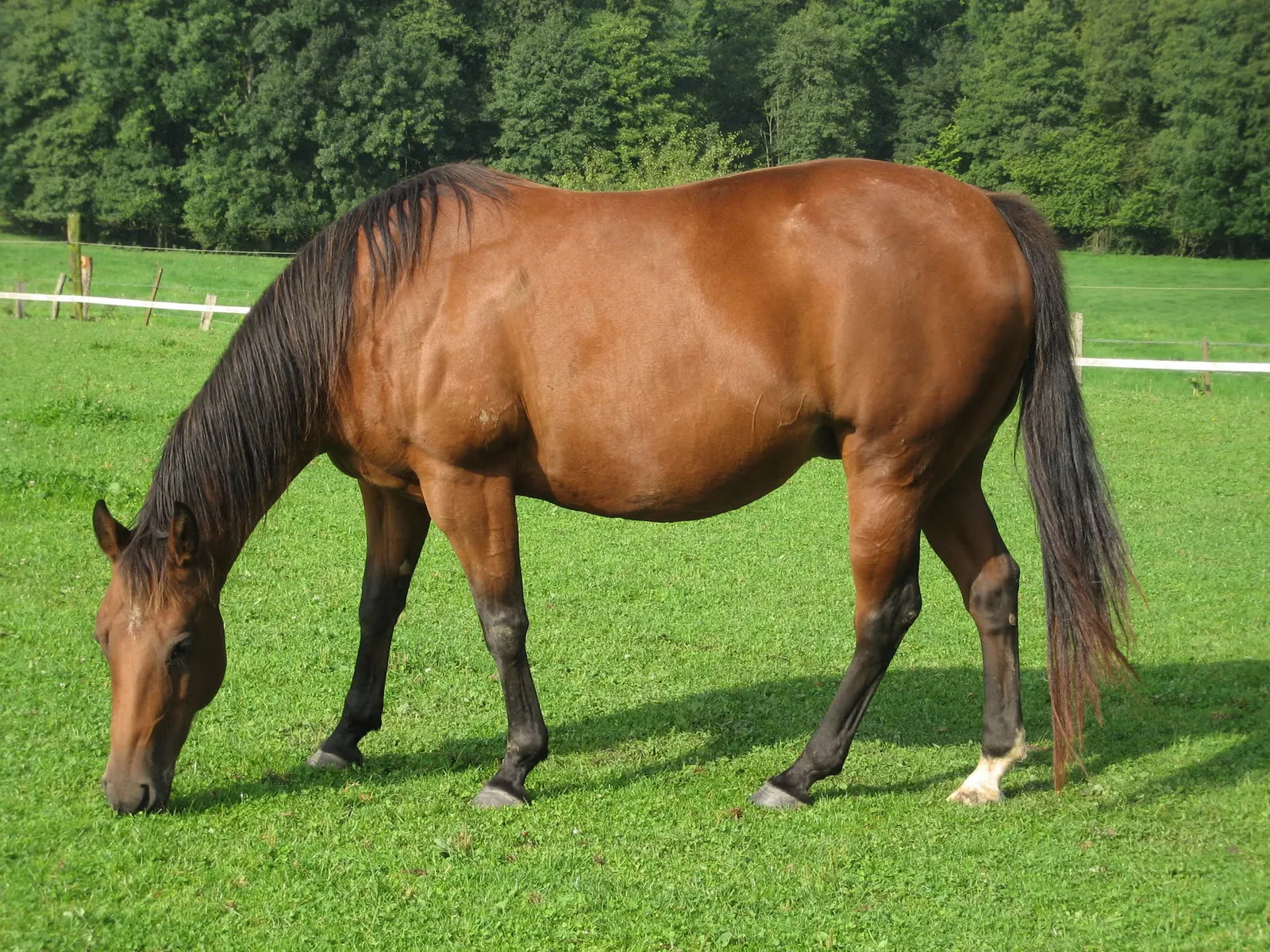
American Quarter Horse
evelynbelgium, CC BY-SA 2.0 , via Wikimedia Commons
American Quarter Horse
The American Quarter Horse was the first breed developed in America and has influenced many others since. It is among the most successful competition horses and currently holds the world record for show-jumping. It also performs at a high level in dressage.
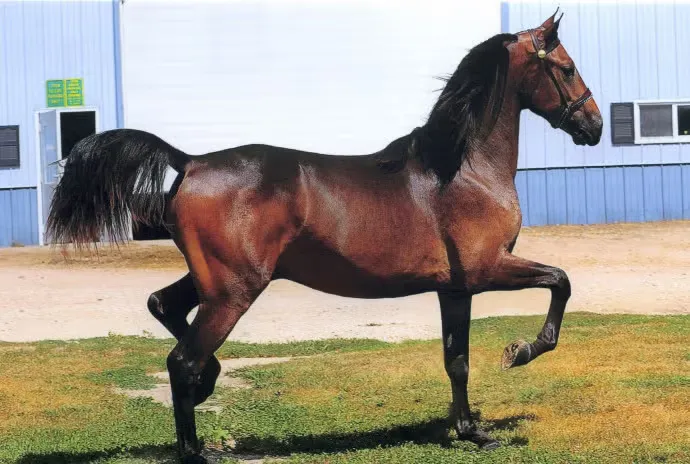
Morgan
Selena N, CC BY 2.0 , via Wikimedia Commons
Morgan
The Morgan takes its name from its first owner, Justin Morgan, who acquired the horse as repayment for a debt. This American breed has influenced many others, including the Tennessee Walking Horse. Morgans excel in most equestrian disciplines and stand 14.2 to 15.2 hands.
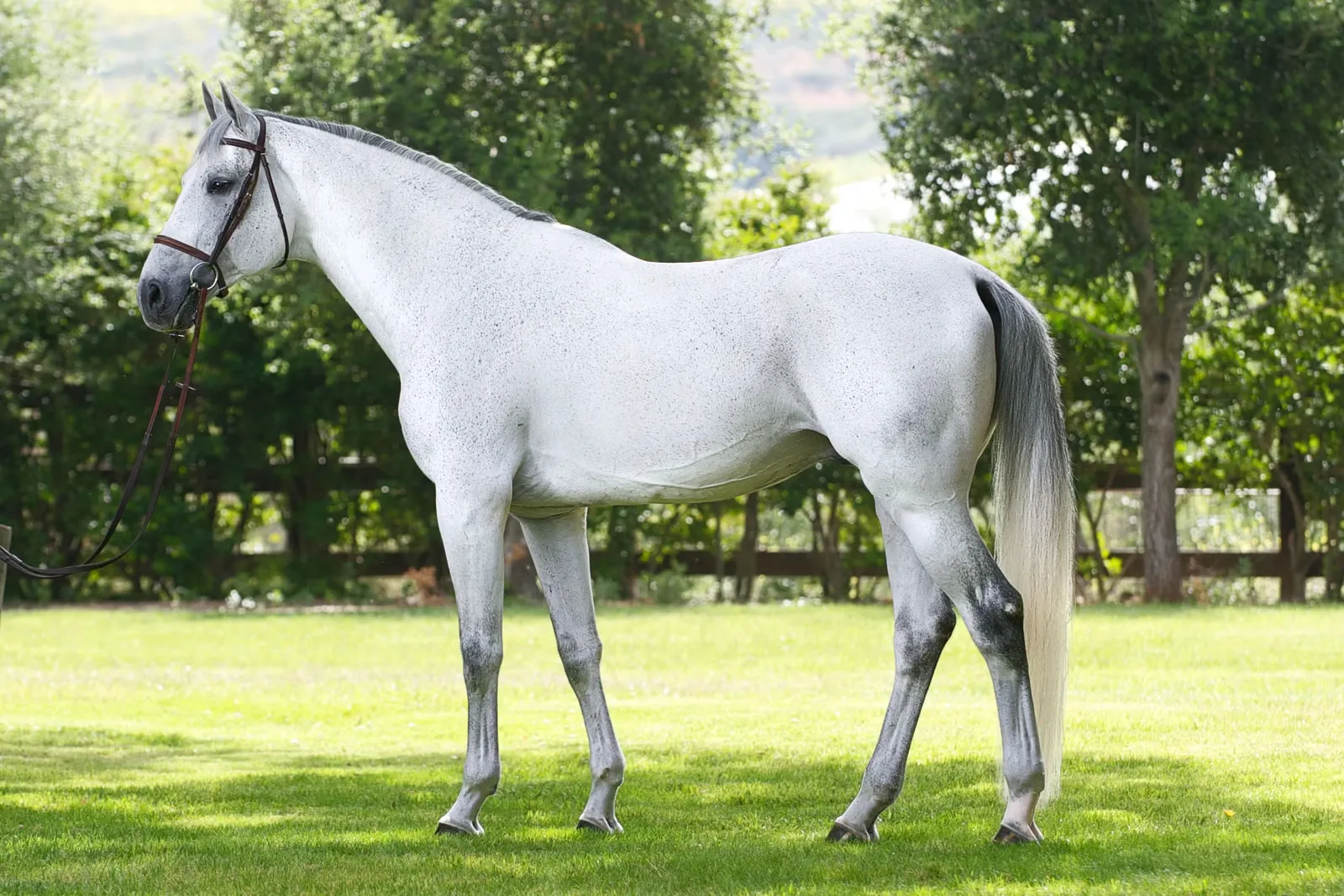
Holsteiner
Just chaos, CC BY 2.0 , via Wikimedia Commons
Holsteiner
Holsteiners originate from Germany and stand 16 to 17 hands. They are medium-framed and are thought to be the oldest of all Warmblood breeds. Their sweet disposition made them suitable as coach and riding horses, and their strong body and legs also made them excellent jumpers.
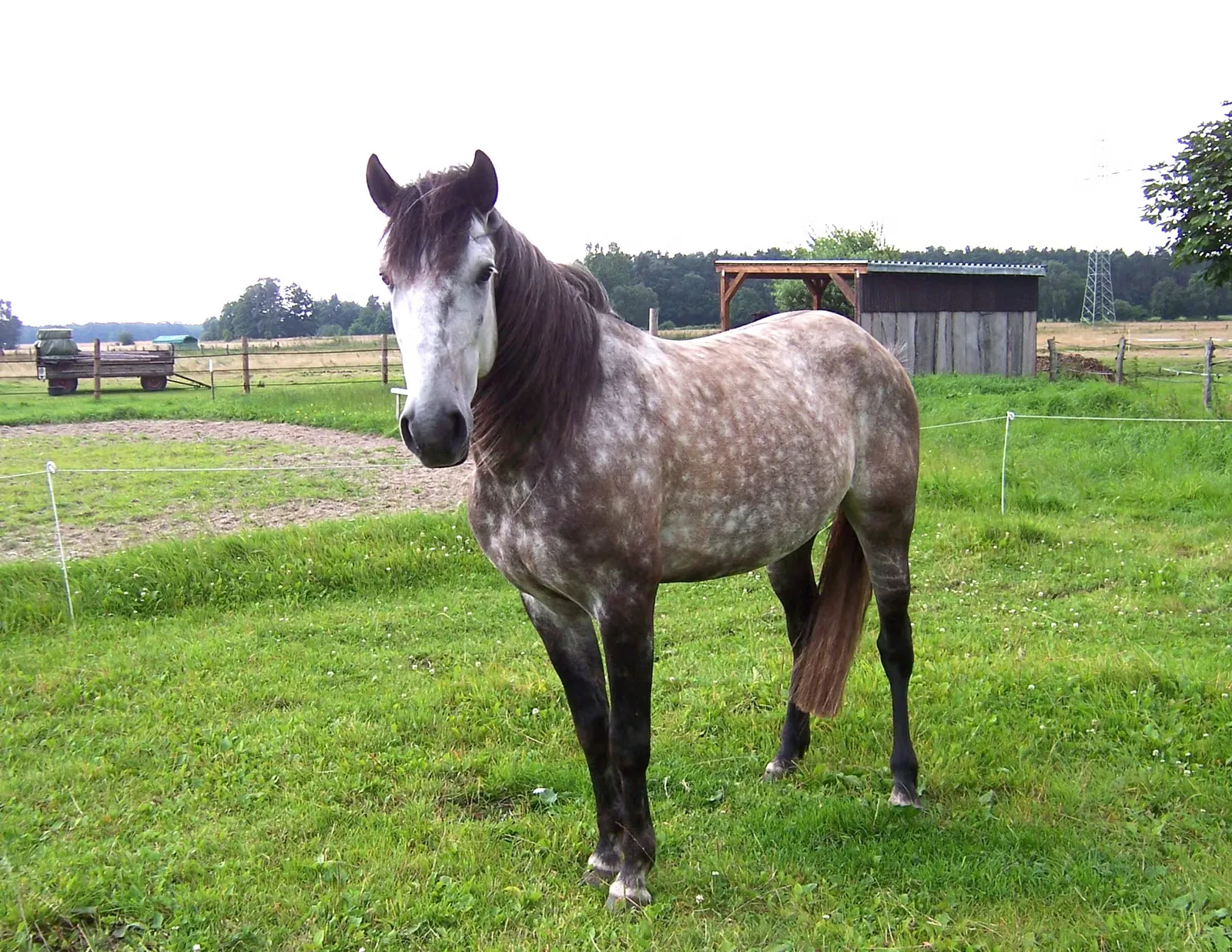
Lusitano Horses
Hydro, CC BY-SA 3.0 , via Wikimedia Commons
Lusitano
The Lusitano comes from Portugal. It is closely related to the Andalusian and usually stands 15.2 to 15.3 hands. These horses are powerful, energetic, willing, and intelligent, which makes training relatively easy.
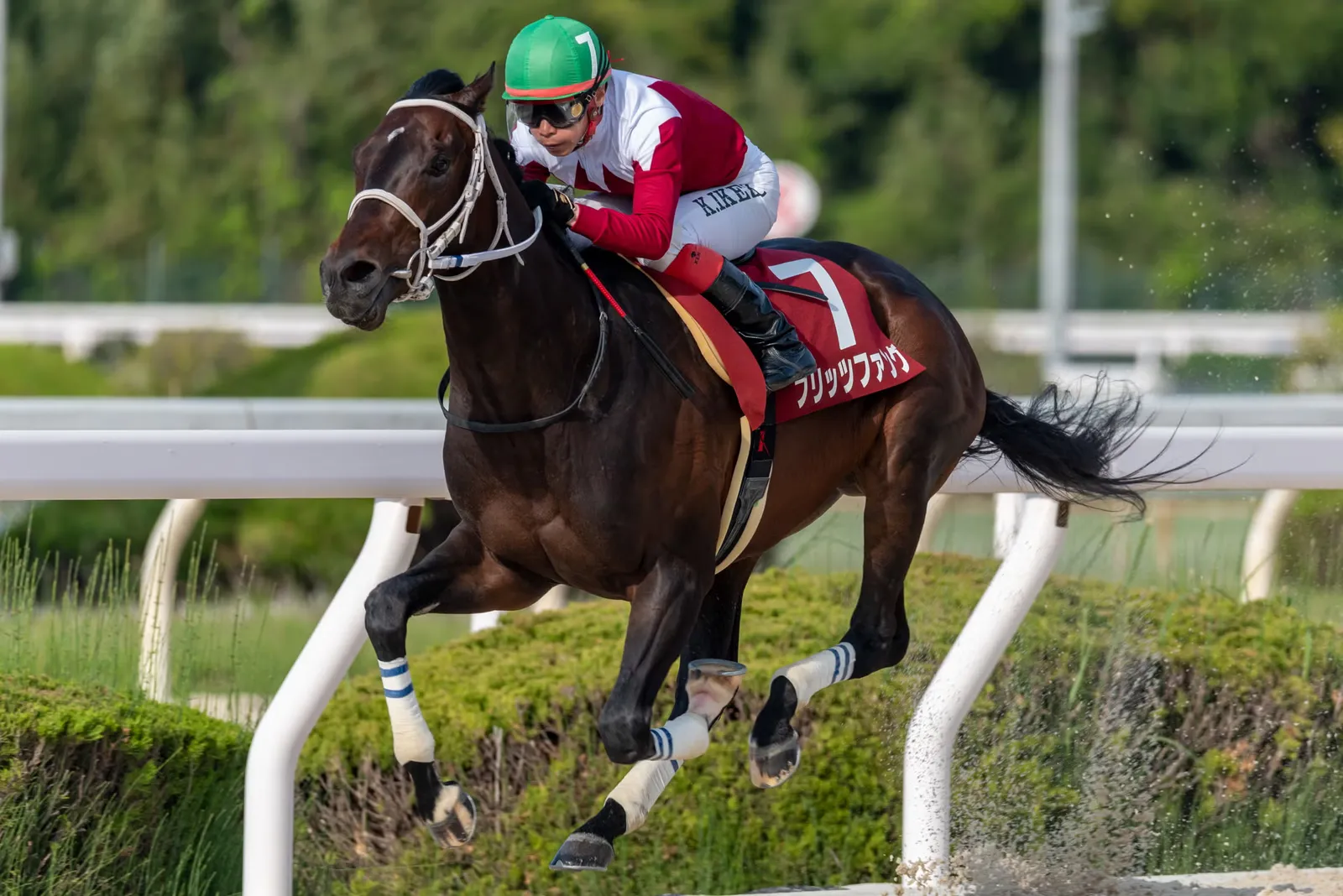
Thoroughbred
Panpaka, CC BY-SA 4.0 , via Wikimedia Commons
Thoroughbred
Thoroughbreds are popular for racing, show-jumping, and dressage. They are a tall, elegant breed with remarkable stamina, speed, and strength, and well-muscled bodies make them highly sought after for sports. They descend from Arabian horses and were developed in Great Britain.
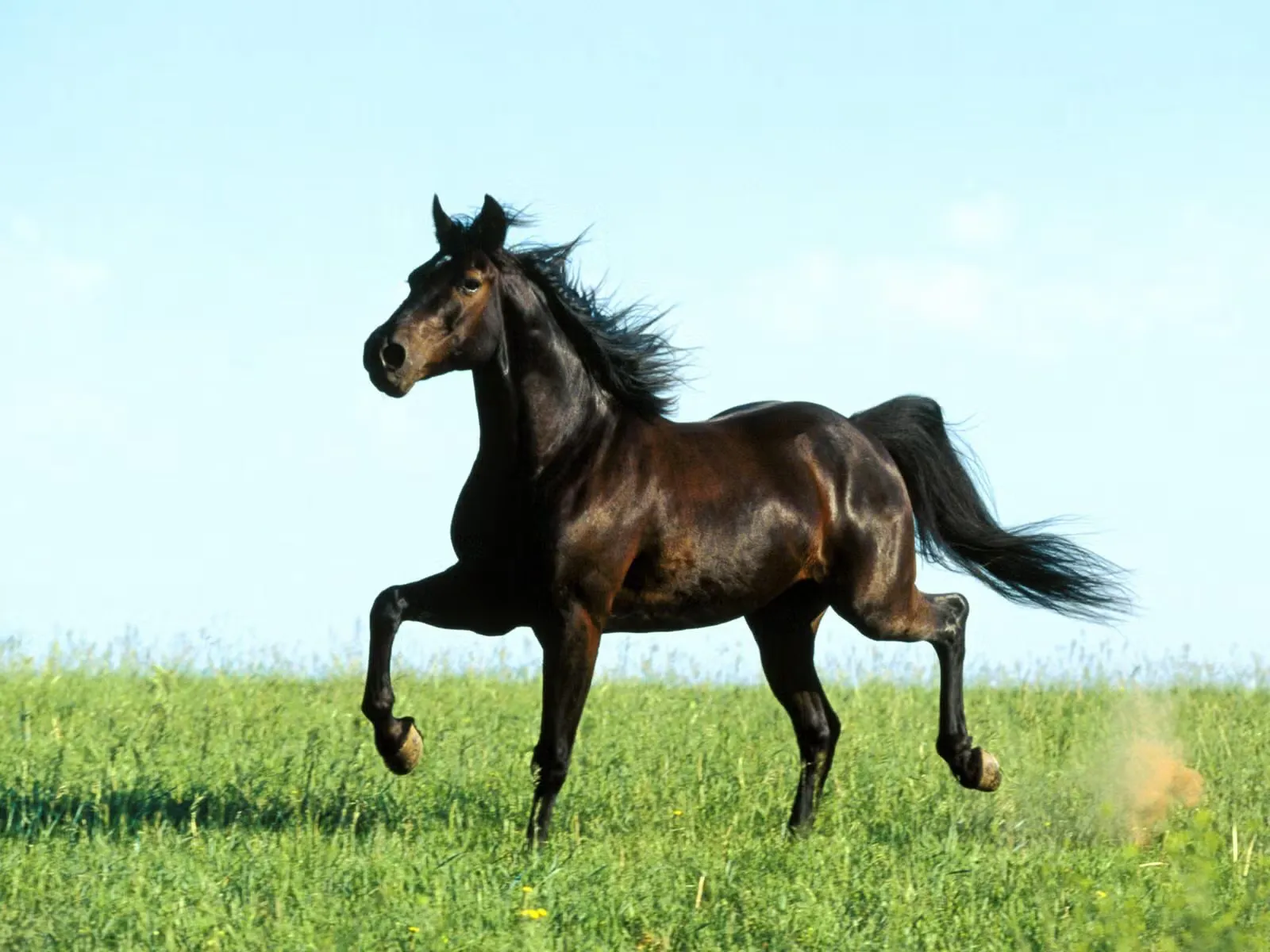
Missouri Fox Trotter
The Missouri Fox Trotter is known for its distinctive four-beat diagonal gait, the Fox Trot. It is sure-footed, calm, friendly, and gentle, making it a good starter horse. It stands about 14.2 to 16.2 hands and comes in most horse colors.
 dregsplod from Tulsa, Oklahoma, USA, CC BY 2.0 , via Wi
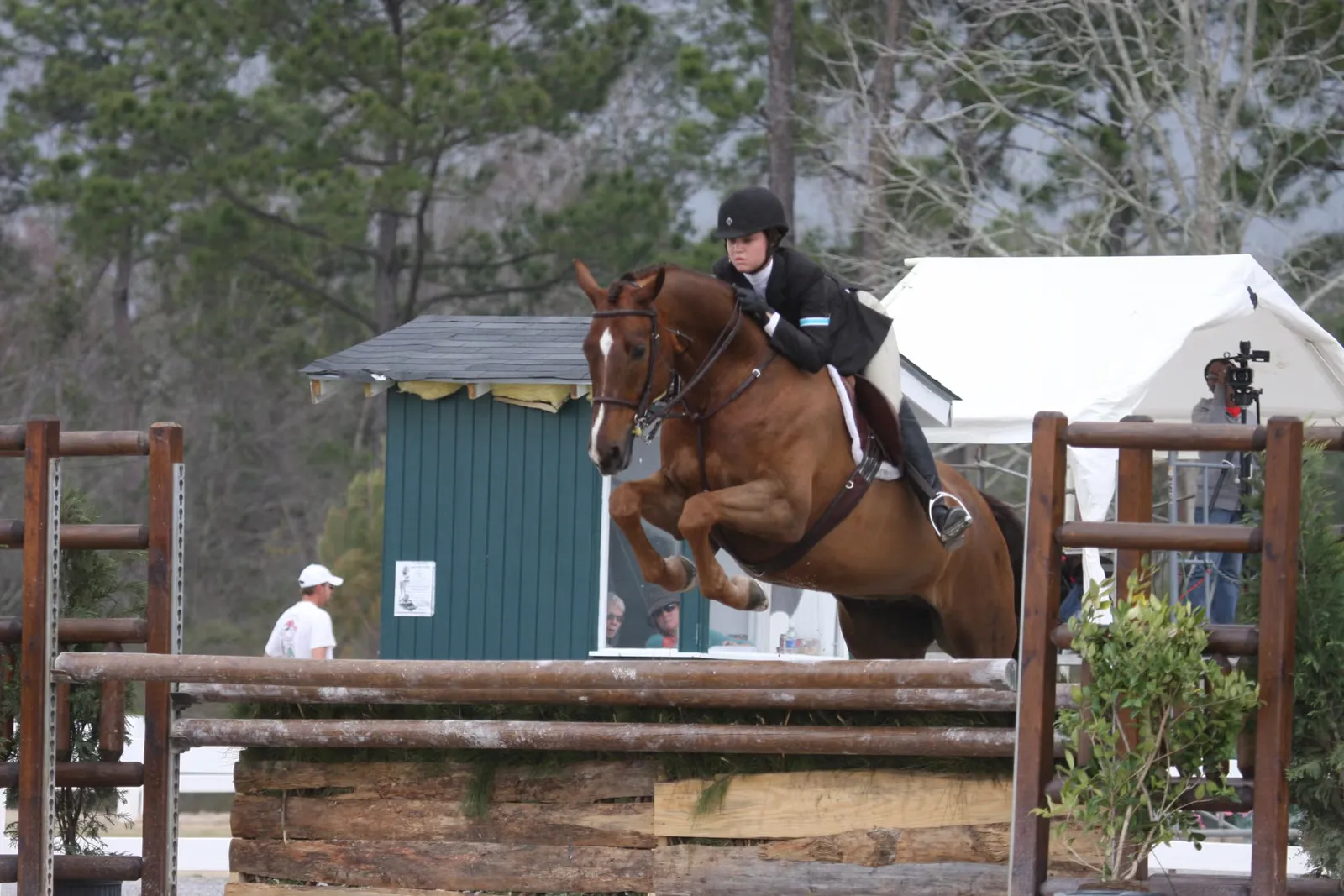
Hanoverian
The Hanoverian is a Warmblood from Germany. It is often seen at the Olympics, valued for its athleticism, excellent temperament, and beauty. The breed resulted from crossing Thoroughbreds, Warmbloods, and Spanish/Andalusian horses, among others, to combine the best traits of these breeds.
 Ulruppelt, CC BY-SA 3.0 , via Wikimedia Commons
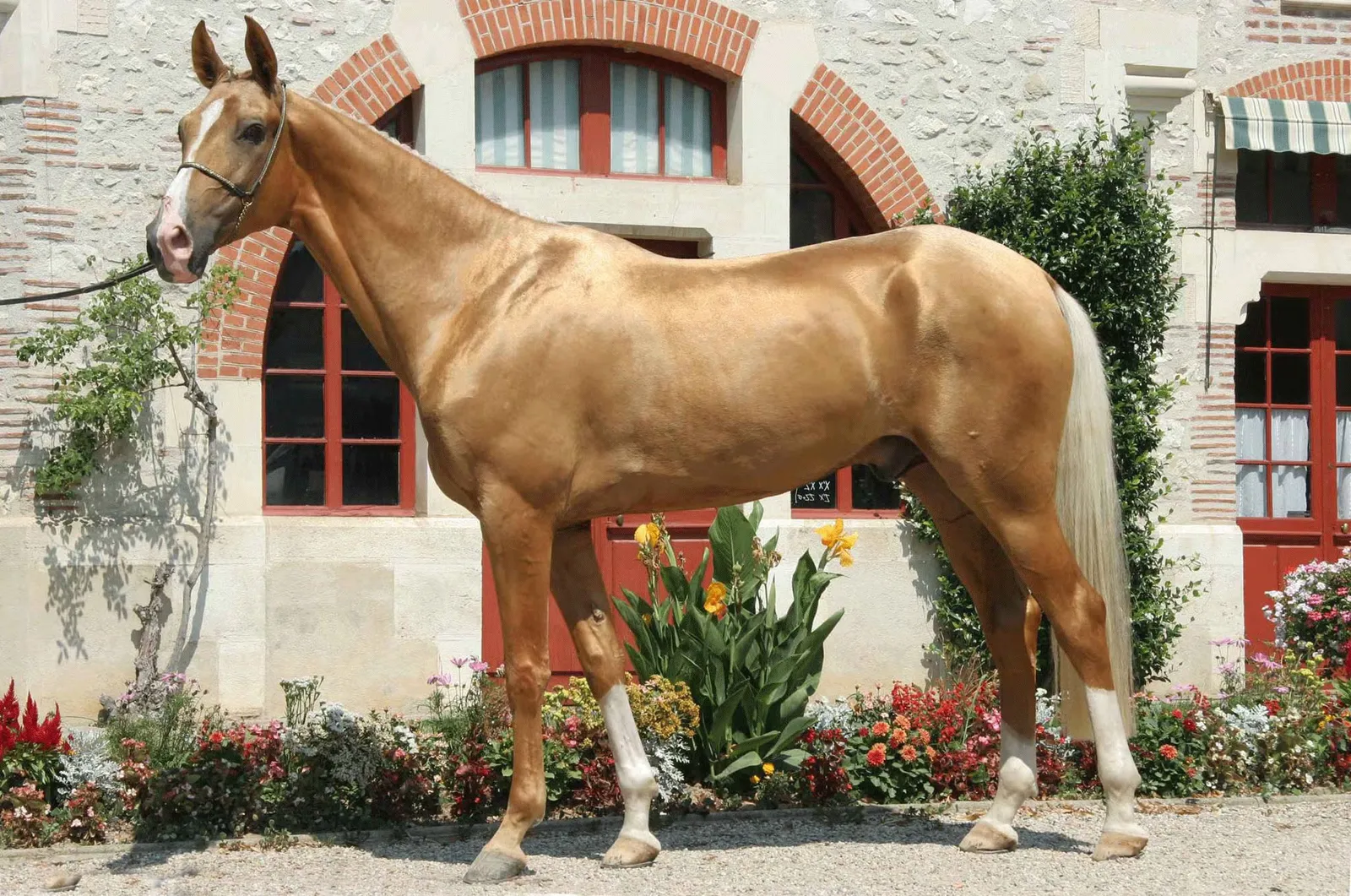
Akhal Teke
The Akhal Teke, called “the golden horse,” is famous for its short, glossy coat with a metallic sheen. It originates from Turkmenistan, where it is the national emblem. It is also known as the greyhound of horses for its speed and athleticism, especially in show-jumping.
 Braveheart, CC BY-SA 4.0 , via Wikimedia Commons
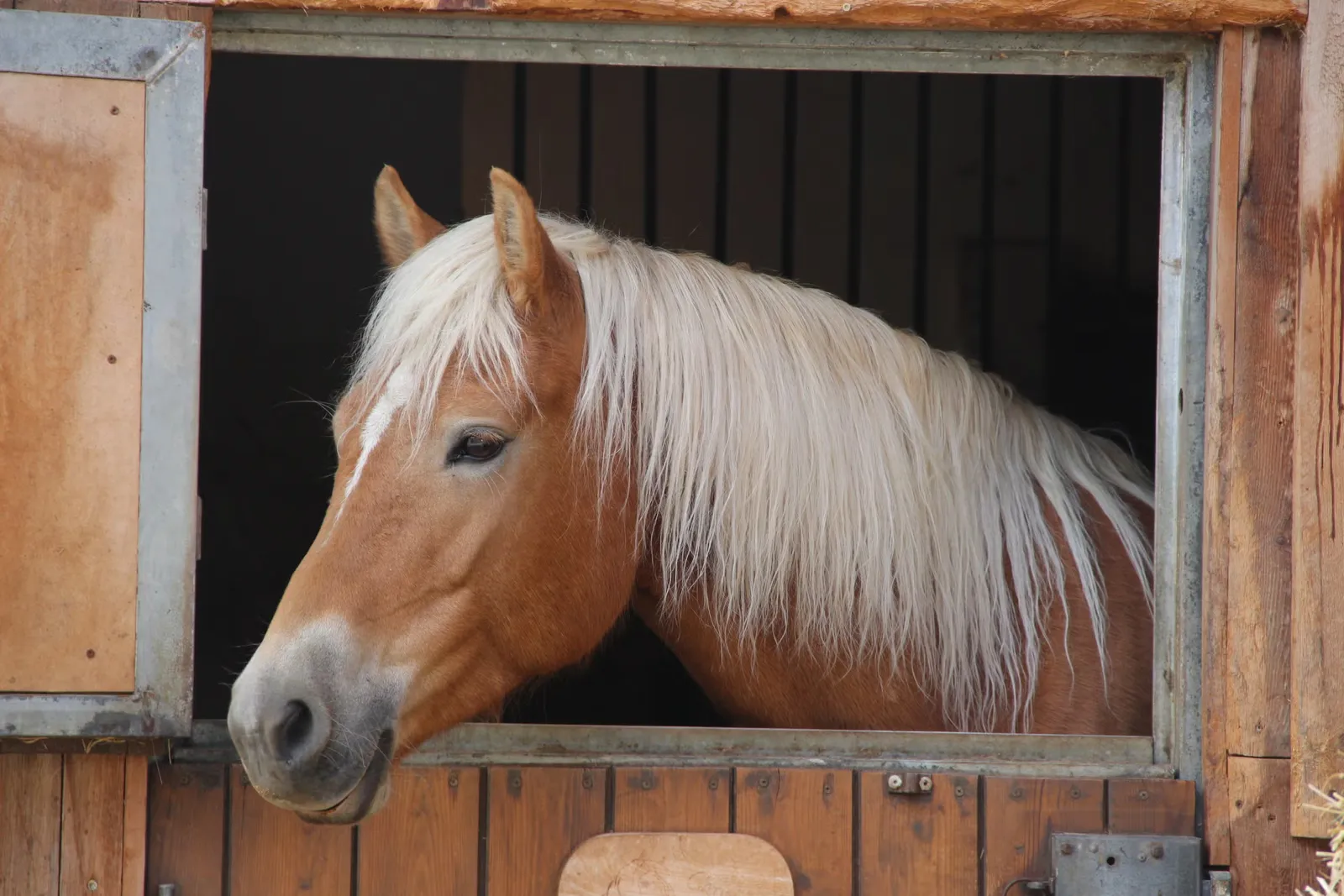
Haflinger
Haflingers were developed for mountainous areas because of their sure-footedness on rough terrain. They are always chestnut with a white or flaxen mane and tail, and their elegant, smooth gaits make them excellent riding horses. They are quiet and calm, ideal for children learning to ride because of their patient nature.
 Artur Baboev, CC BY-SA 3.0 , via Wikimedia Commons
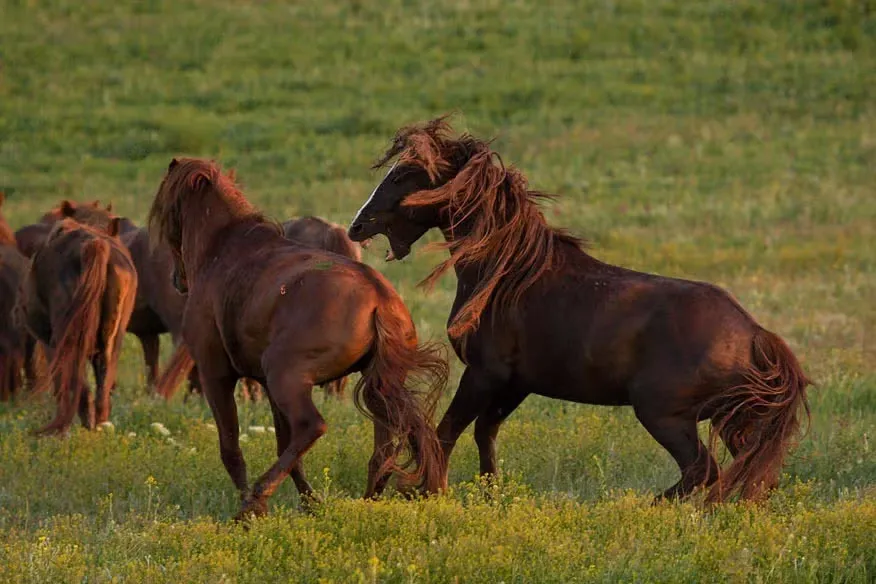
Russian Don
Russian Don horses were first used by the Cossacks as cavalry mounts. They usually stand about 15.1 to 15.3 hands and vary in color. Their endurance, stamina, and speed make them great saddle horses, especially for long distances.
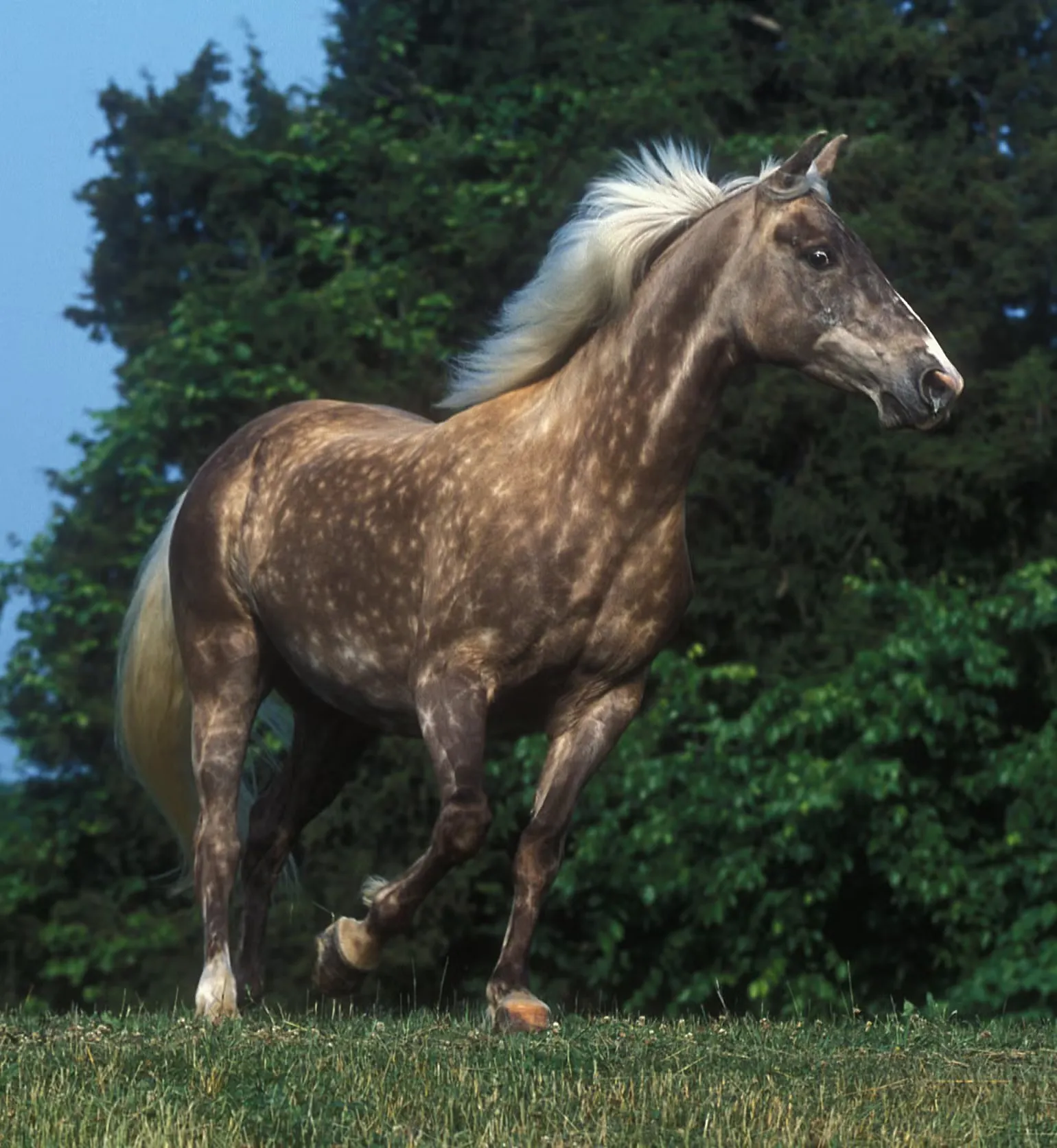 Andersson LS, Juras R, Ramsey DT, Eason-Butler J, Ewart S, Cothran G, Lindgren G., CC BY 2.0
Rocky Mountain Horse
The Rocky Mountain Horse was created in Kentucky, USA, for purposes such as cattle driving, herding, and general riding. They range from 14.2 to 16 hands and generally have a solid body color with a flaxen mane and tail.
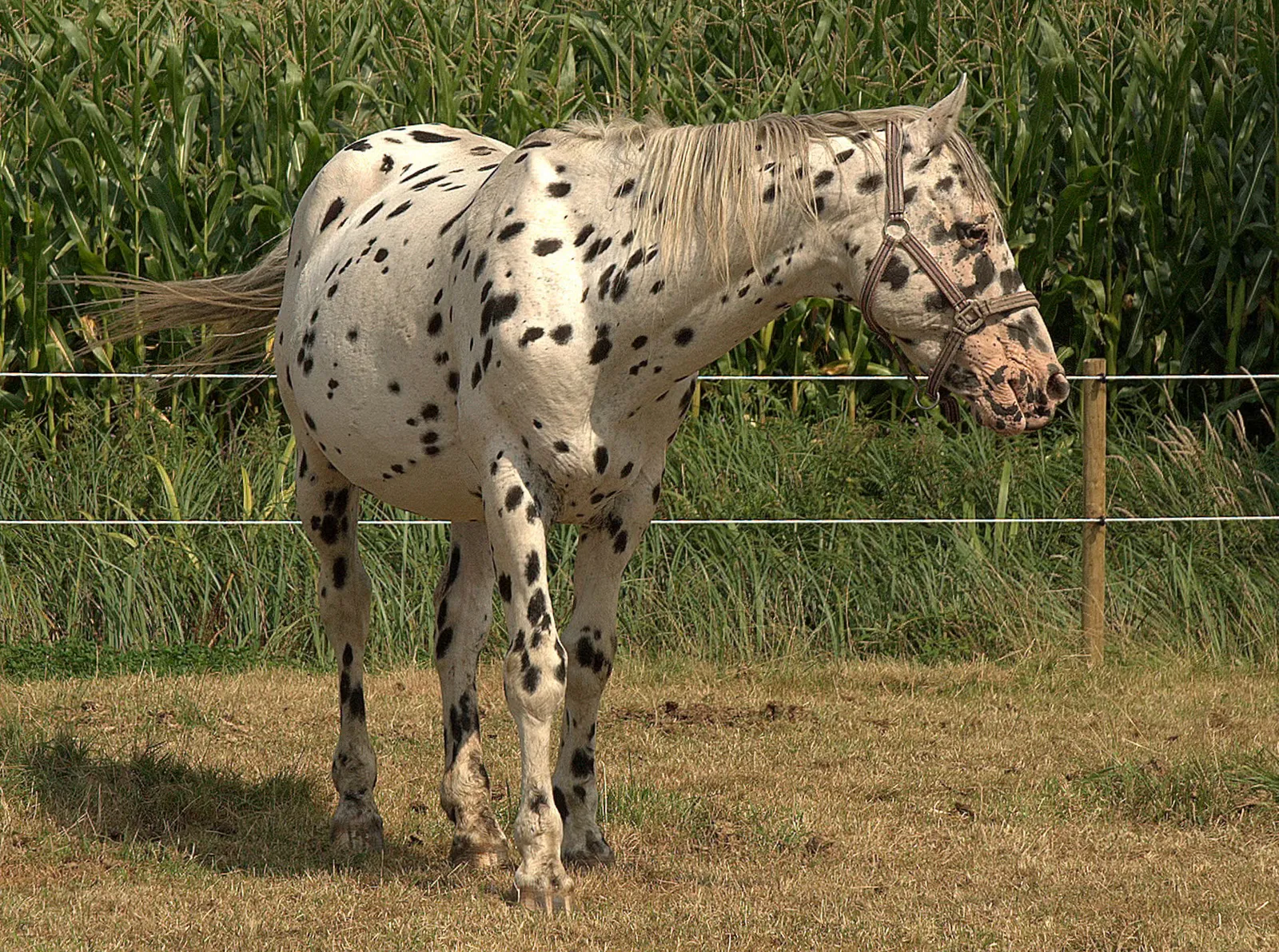 Paul Hermans, CC BY-SA 3.0 , via Wikimedia Commons
Knabstrupper
The Knabstrupper, sometimes called the “Knabstrup,” is known for its spotted coat, caused by a genetic mechanism called the “leopard complex.” They generally stand 15.2 to 16 hands and are often associated with Appaloosa horses, though they are separate breeds.
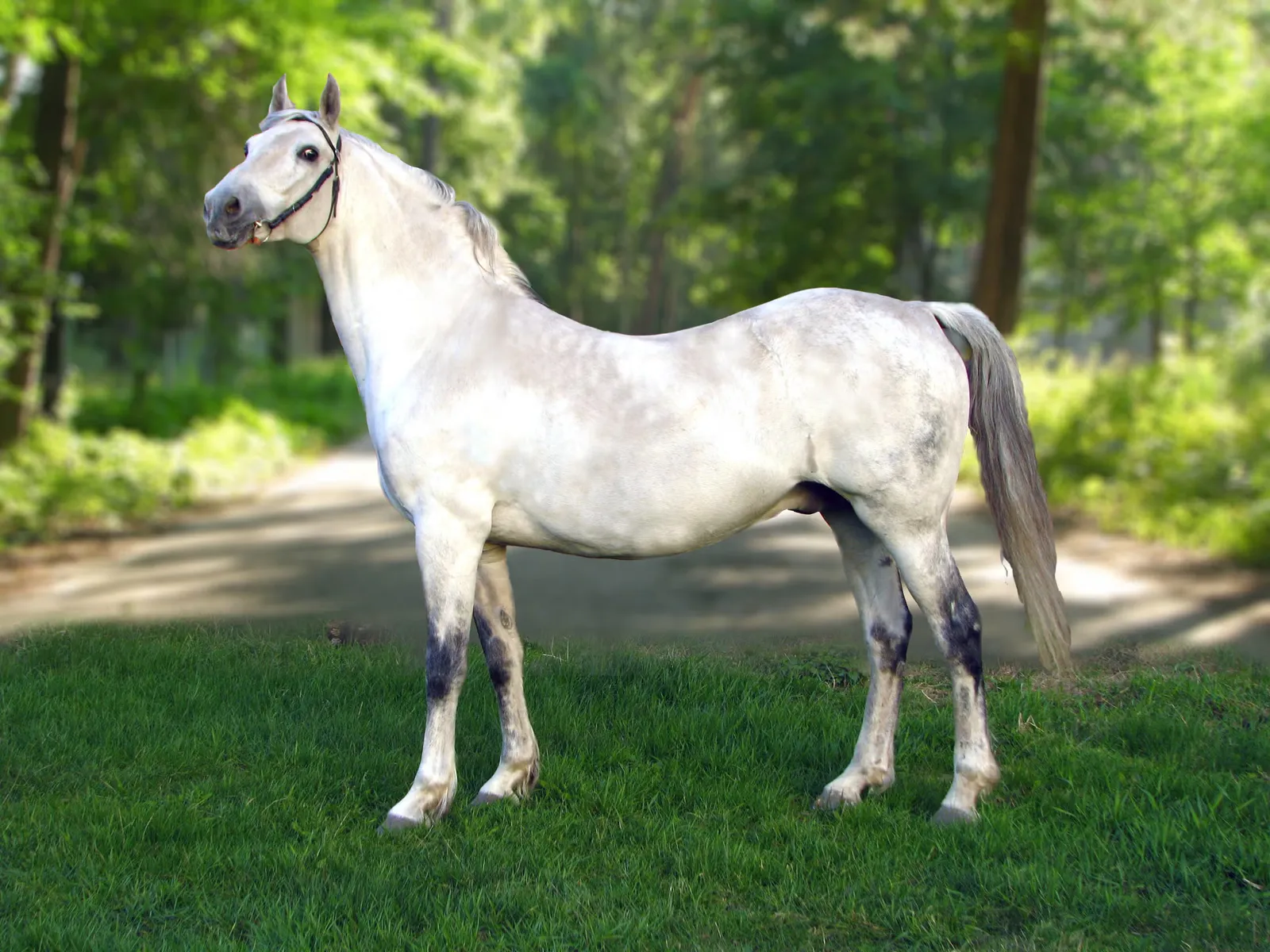 Natalya Shabur, CC BY-SA 3.0 , via Wikimedia Commons
Orlov Trotter
The Orlov Trotter is noted for its unmistakable trot and its ability to reach high speed with matching stamina. In the past, Russian nobility used them for harness and saddle. They have an excellent temperament and are very beautiful to look at.
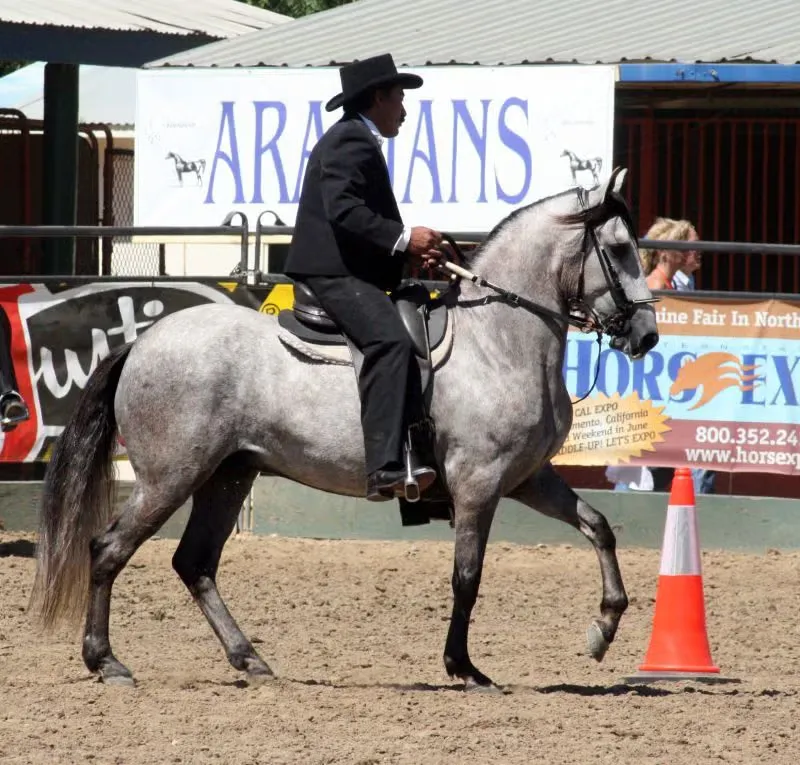 Just chaos, CC BY 2.0 , via Wikimedia Commons
Paso Fino
Paso Fino horses are naturally gaited light horses with a slender, elegant look and great beauty. They are prized for their four-beat natural ambling gait, which is smooth and comfortable. The name literally means “fine step.”
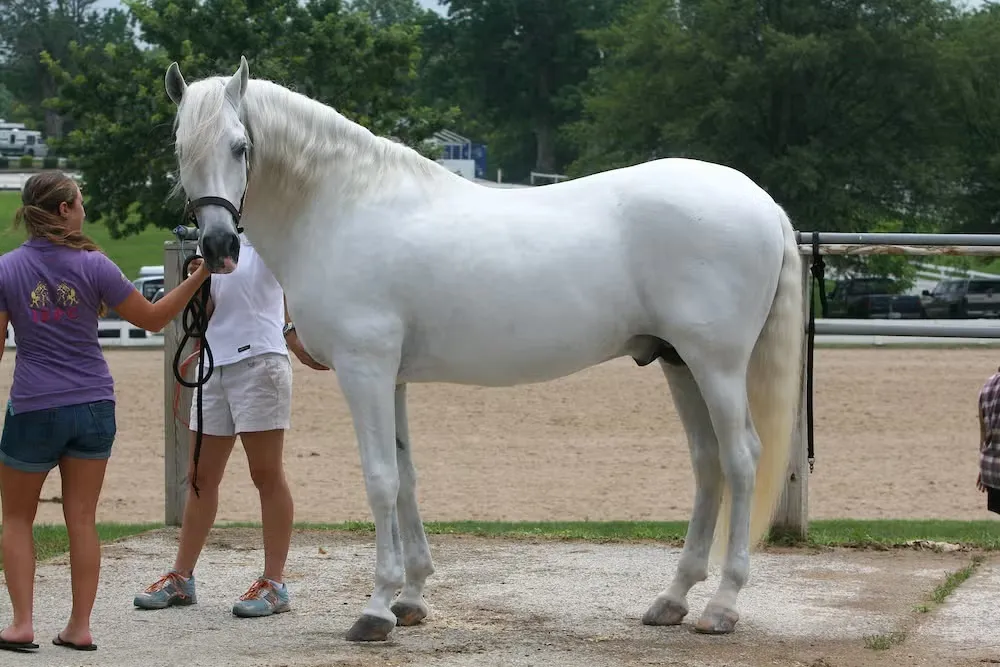 Heather Moreton from Louisville, KY, USA, CC BY 2.0 , v
Andalusian
The Andalusian, also known as the Pure Spanish Horse, is a well-muscled, strong, and elegant horse standing about 15.2 hands. These horses are often pure white or black, but other markings are accepted in the breed standard.
The breed performs very well in dressage and has a smooth, comfortable gait. It is known for being reliable and having a good temperament, making it a brilliant riding horse.
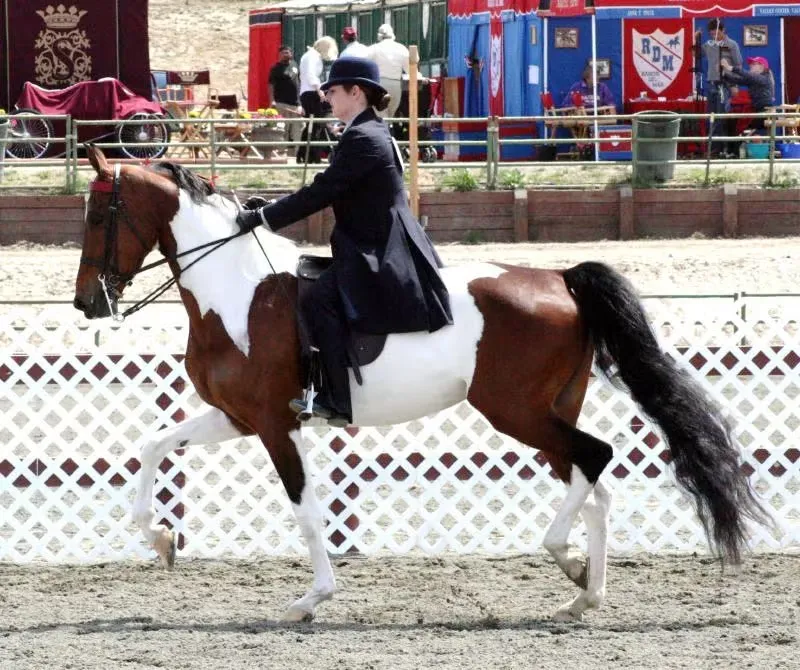 Just chaos, CC BY 2.0 , via Wikimedia Commons
National Show Horse
The National Show Horse has only recently been recognized as a breed in its own right. It is the result of crossing a Saddlebred with an Arabian and is bred to excel in harness, side-saddle, saddle-seat, halter, and many other show disciplines. These are exceptionally athletic horses with five gaits, standing 15 to 16 hands.
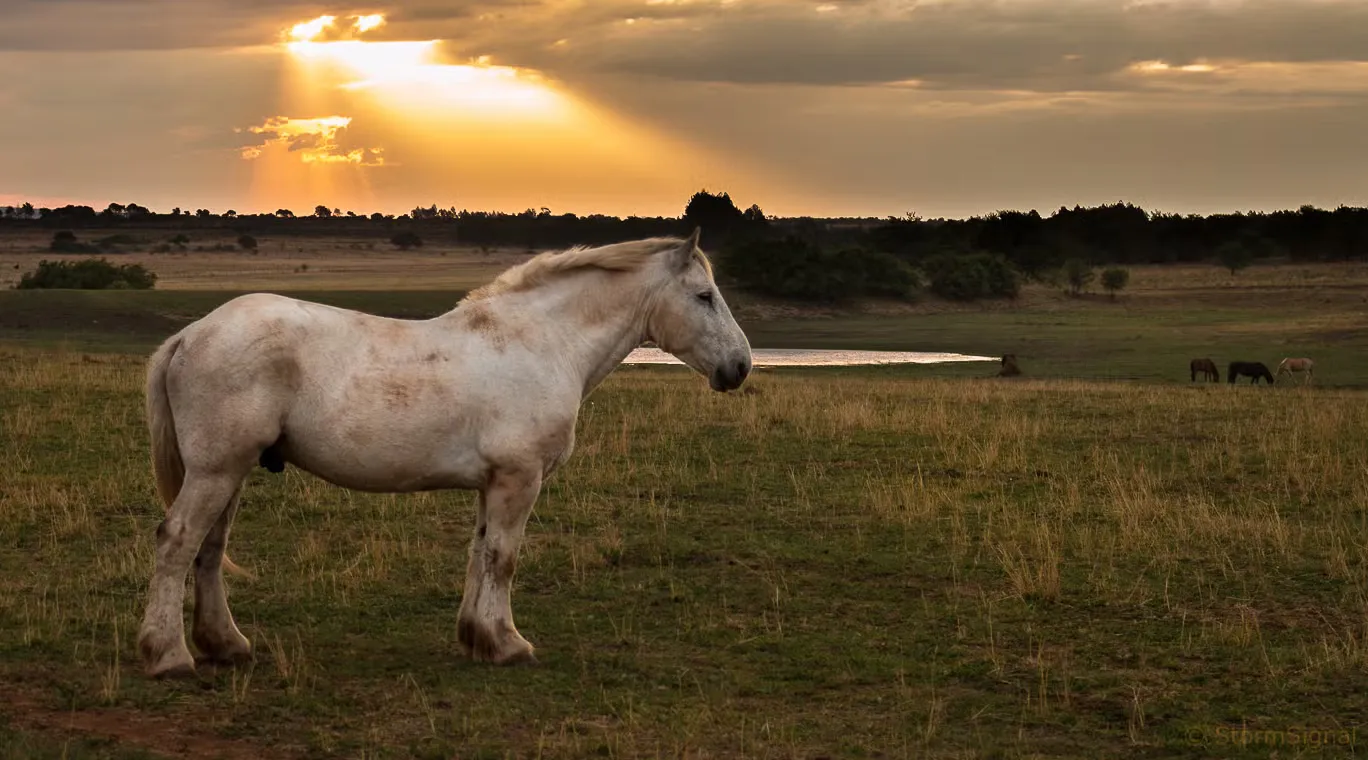 StormSignal, CC BY-SA 2.0 , via Wikimedia Commons
Percheron
The Percheron is a draft horse breed from western France. The ideal height ranges from 15 to 18 hands, and they can weigh up to 2,600 lbs. At the end of the 19th century, most driving horses were Percherons, a role they filled perfectly due to their calm, docile temperament and strength.
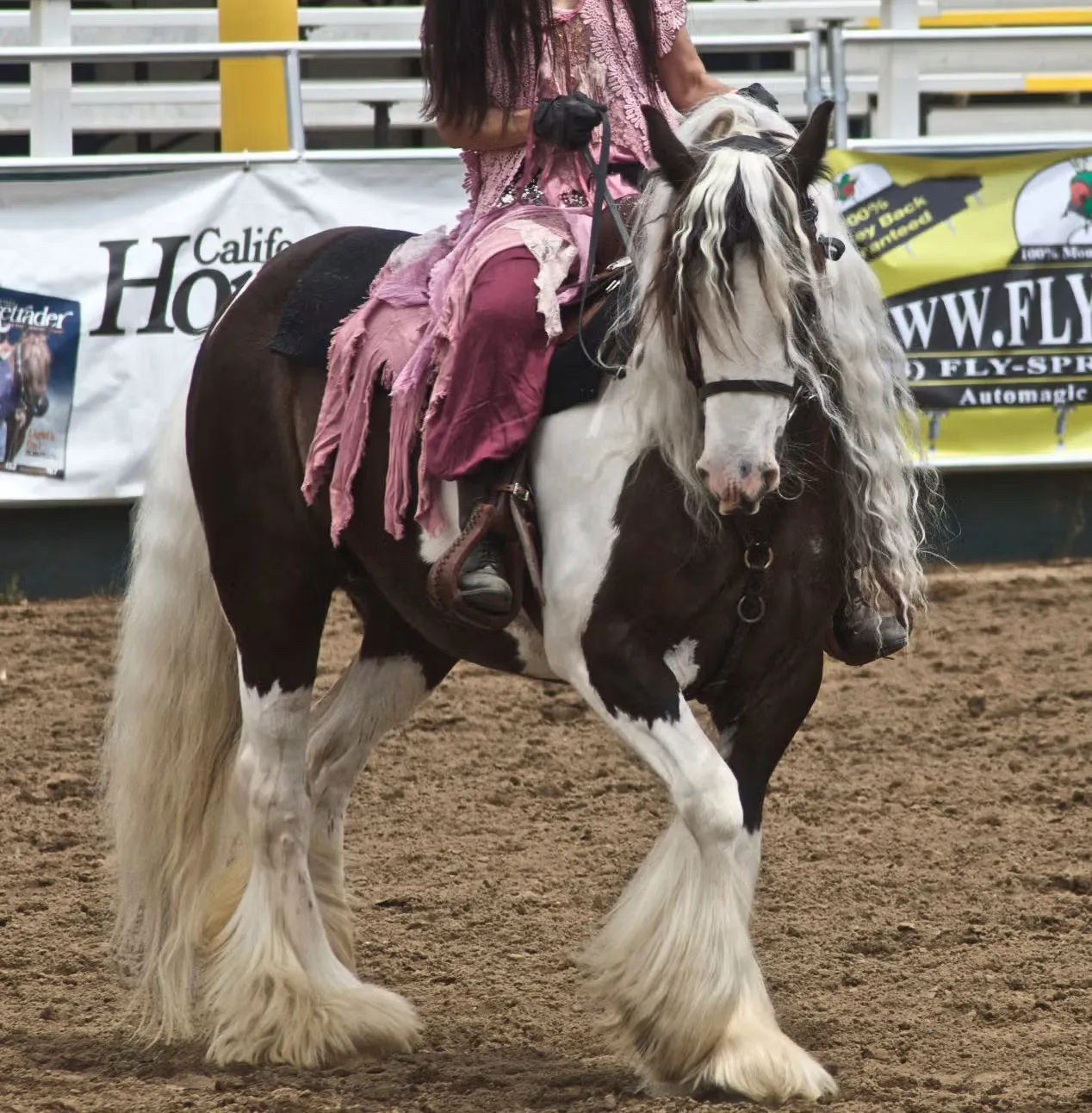 Jean, CC BY 2.0 , via Wikimedia Commons
Gypsy Vanner
Gypsy Vanners were used by the Romanichal people to pull the vardoes in which they lived and traveled. They are best known for their abundant feathering from the knee down and their pinto pattern, usually black and white but sometimes other colors. Similar in appearance to the Shire horse but smaller, Gypsy horses stand about 14.2 to 15.2 hands.
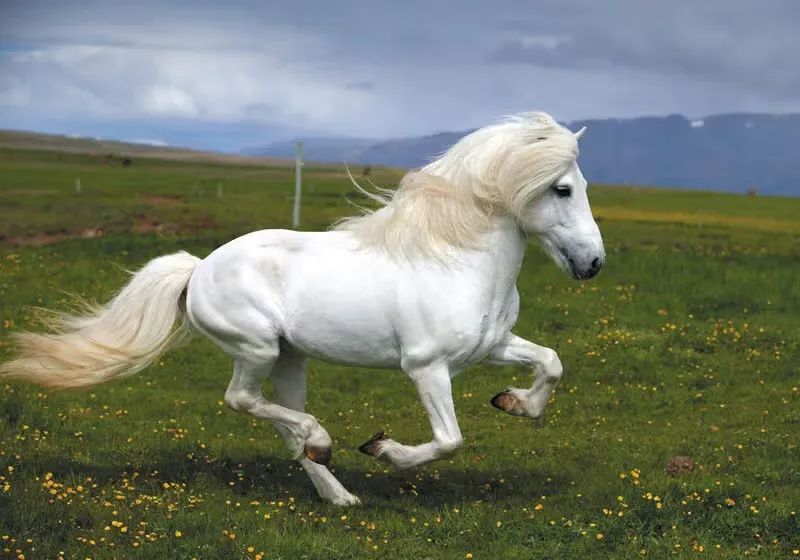
Icelandic
Icelandic horses originated in Iceland and are relatively small horses used for agricultural work, showing, racing, and riding. The breed has two unique gaits: the flying pace, which is smooth but fast, and a four-beat ambling gait.
One mare lived to a remarkable 56 years, and the breed is known for longevity and hardiness. However, these horses should not be ridden until they are four years old, as they mature slowly.
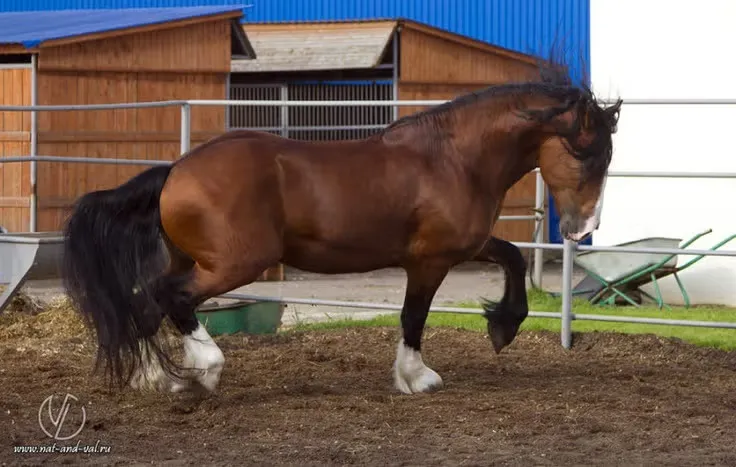
Vladimir
The Vladimir heavy draft horse originated in Russia and was influenced by several other breeds, including the Shire. They have strong, feathered legs and well-muscled bodies and are known for their strength. They also have gentle, intelligent personalities and are suitable for riding and work.
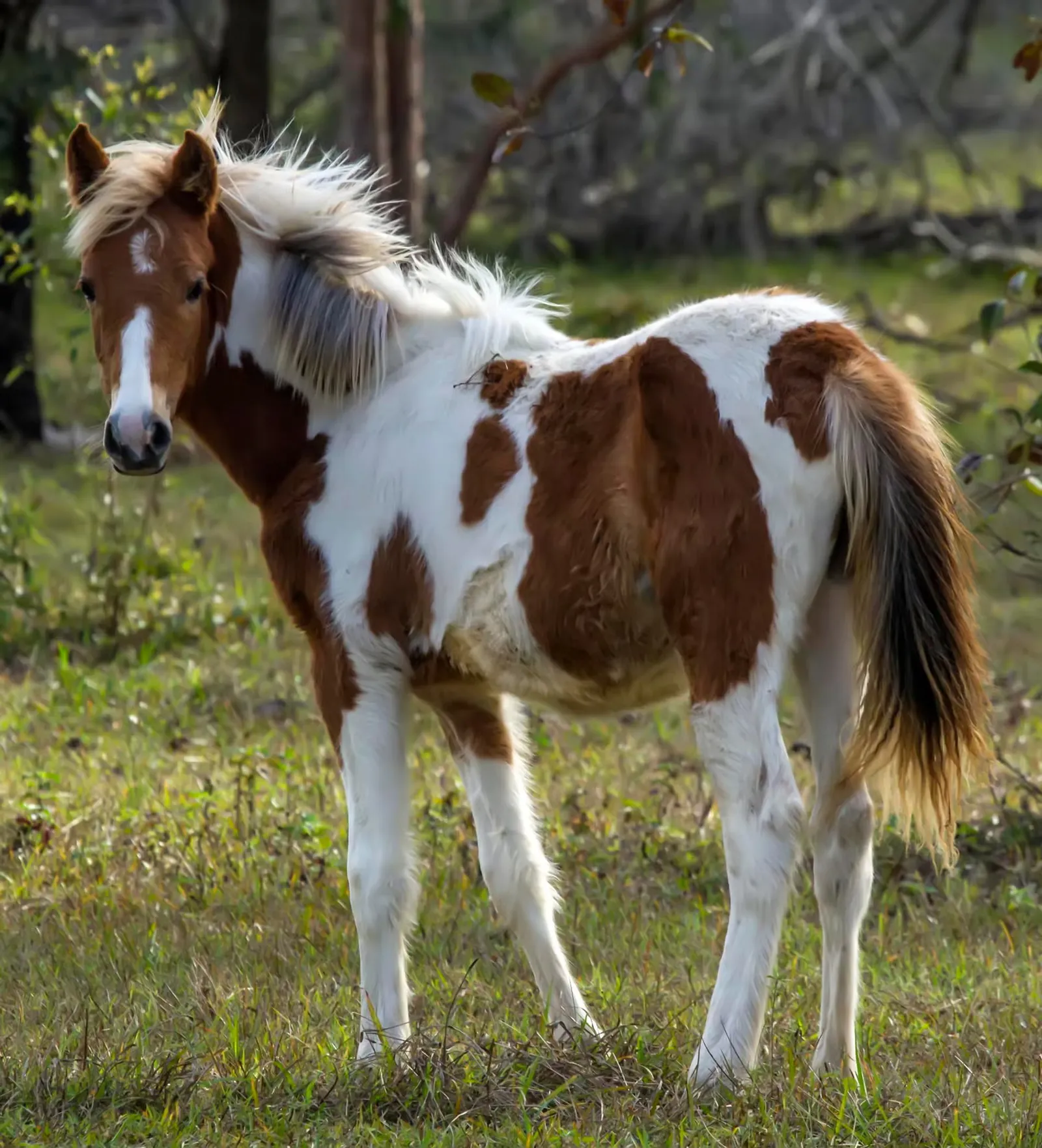 Sheba_Also 43,000 photos, CC BY-SA 2.0 , via Wikimed
Paint Horse
Paint horses are exceptionally beautiful, especially in the face, head, and neck. The breed combines the body conformation of a Western stock horse with a pinto pattern that is usually white and dark. Bred in America, these horses are bright, intelligent, sweet-natured, patient, and calm. They are a perfect horse for any new rider and for children.