Sugar Gliders as Pets: Habitat, Diet, and Social Needs
Sage Miller
Understanding Sugar Gliders
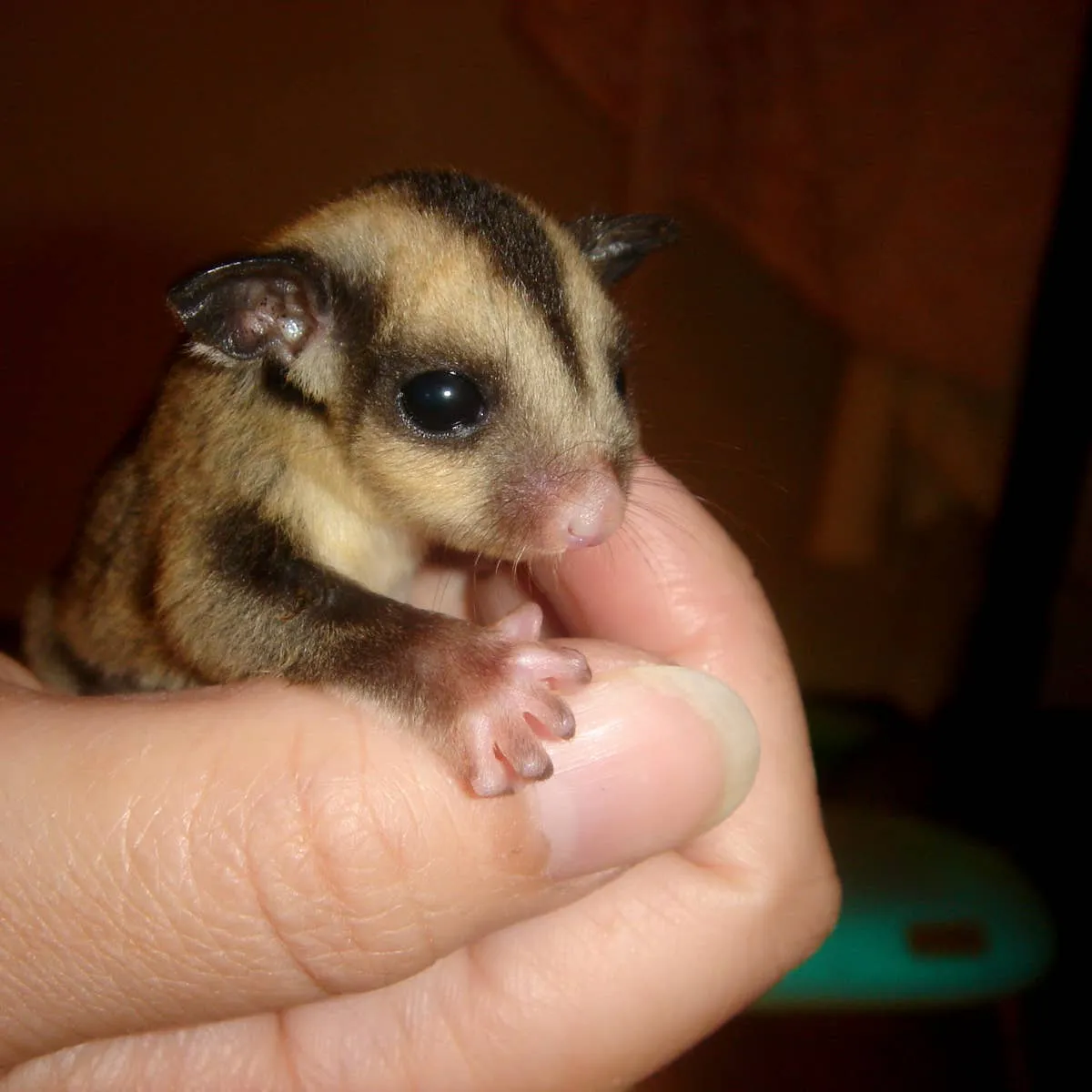
Sugar gliders, sometimes called sugar bears, are small, furry marsupials that have become increasingly popular as exotic pets over the past decade and a half. They are nocturnal and native to Australia. On average, they measure 9 to 12 inches in length and weigh just a few ounces.
Their coat is soft, and a skin membrane on each side connects the front and hind legs, enabling them to glide across considerable distances. This membrane functions like a parachute, slowing their descent when they leap. In captivity, these animals form strong social bonds and remain quite active when housed appropriately.
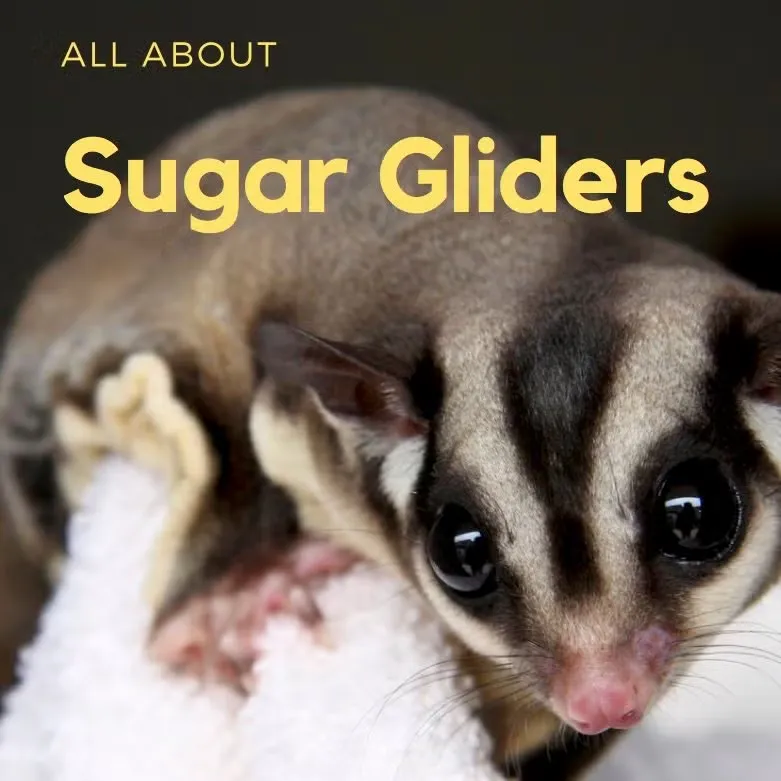
The sugar glider is an anatomically remarkable species, famous for its gliding ability.
Alessandro Di Grazia Creative Commons
Topics Covered
- What Is a Sugar Glider?
- Suitable Habitats
- Suitable Diet
- Socialization and Bonding
- Keeping Them as Pets
Suitable Habitats
Gliders originate from Australia, Indonesia, Tasmania, and New Guinea. They inhabit treetops and descend to the ground only when necessary. Being nocturnal, they sleep through the day and become active after sunset. Their native environments range between 65 and 90 degrees Fahrenheit.
Cage Dimensions and Construction
Because gliders are naturally social and energetic, they need ample room to jump and play. The smallest acceptable enclosure for this species measures 2 feet in width, 2 feet in diameter, and 3 feet in height, with bar spacing no greater than 1/2 inch.
Gliders are easily startled, and their cages should not be built from bare metal or mesh, as their claws can become trapped. If that happens, they may pull their limbs free and potentially dislocate or lose toes or feet in the process. Avoid cage materials with loose strands protruding.
Habitat Enrichment
Gliders are active animals that need open space and obstacles for jumping and gliding. Without toys and room to glide, these pets become bored and lethargic and may fail to thrive.
Gliders have considerable energy to expend and may need a hamster wheel for running when kept in captivity. Choose a wheel carefully: depending on its design, the glider’s small tail could become caught in the center. Owners can place nail file pads in the wheel to help wear down the nails.
Hammocks and Hideouts
Gliders enjoy sleeping in hollow logs and hammock pouches. They can be quite particular about their sleeping spot, so offer a variety of options until they choose a permanent one. Bonded gliders like to sleep near their owner’s scent. Wear a shirt to bed for five to seven nights, then hang it like a hammock or lay it on the floor so your glider can climb inside.
You can also wear a hammock pouch around your body for your sugar glider to sleep in. This mimics the glider’s infancy, when they stay in their mother’s pouch for two to three months.
Suitable Diet
Provide Natural Fruits and Insects
In the wild, gliders eat the vegetation around them. In captivity, however, closely monitoring their diet is essential. Many factors go into creating a proper diet, and many foods can make them ill. Gliders enjoy berries, fresh fruit, and insects, but their preferences change over time, so offer variety.
Natural Foods vs. Harmful Foods
| Natural Diet | Harmful Foods |
|---|---|
| Flower blossoms | Raw sugar (in chocolate) |
| Nectar | Garlic |
| Eucalyptus | Cheese |
| Acacia gum | Dairy |
| Insects | Foods treated with pesticides |
Foods the species would eat in the wild and those that should not be fed in captivity
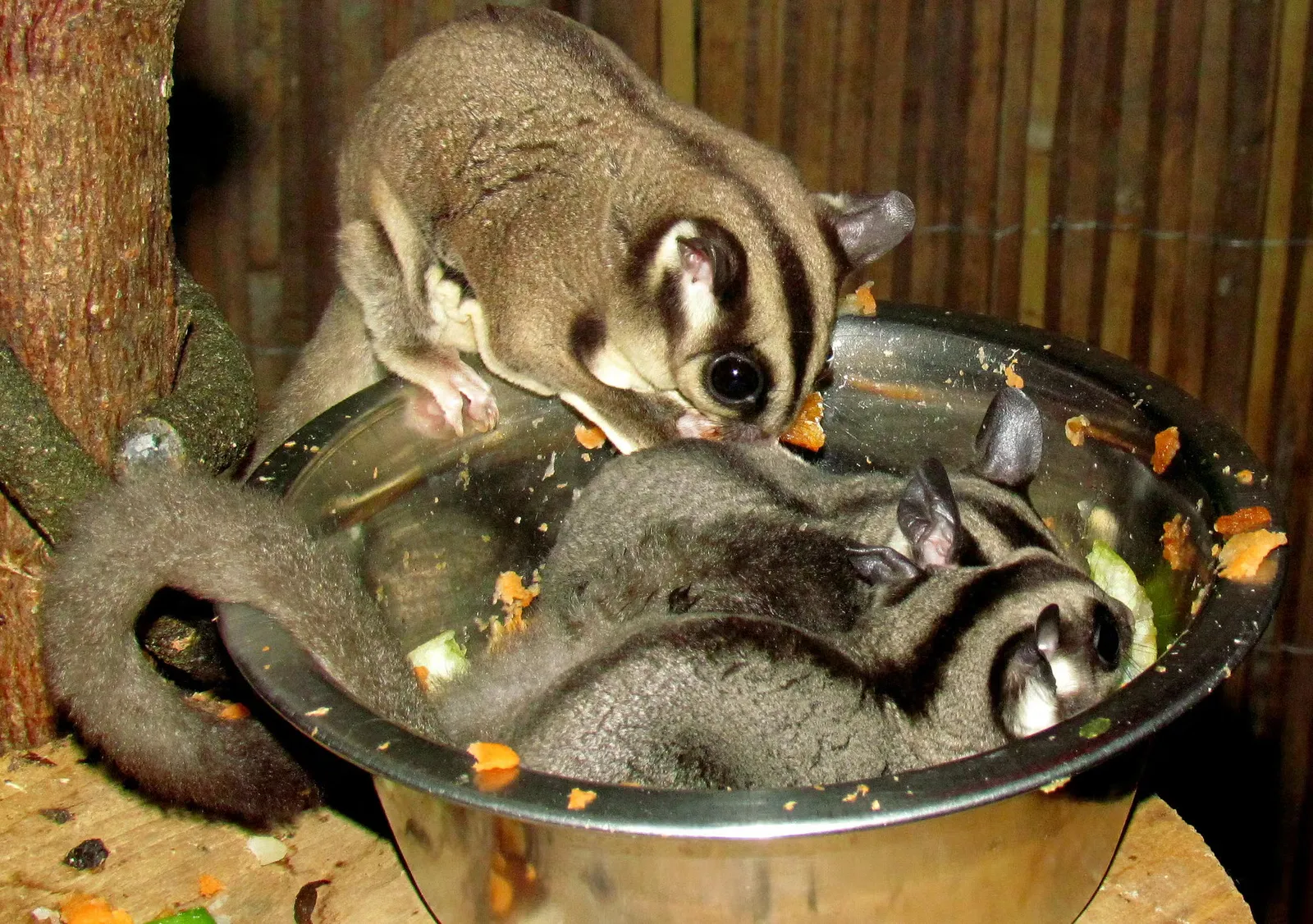
Sugar gliders should receive a wide variety of natural foods.
Ozzy Delaney CC BY 2.0
Balance the Calcium and Phosphorus Ratio
To ensure an adequate diet, proper vitamins must be added to the glider’s food. Many multivitamins formulated for gliders are available to sprinkle on their food. Giving a calcium powder supplement every other day (or less often) is a good practice to ensure sufficient nutrients. Do not increase calcium simply to compensate for phosphorus intake. It is better to build a balanced diet from the start.
A proper phosphorus-to-calcium ratio is vital. The body uses calcium to balance internal phosphorus levels. When the diet contains too much phosphorus and too little calcium, the body draws calcium from the bones to make up for the deficiency. The first symptom of this disorder is shaky hind legs. Gliders can become paralyzed or die from phosphorus poisoning or complications of calcium deficiency.
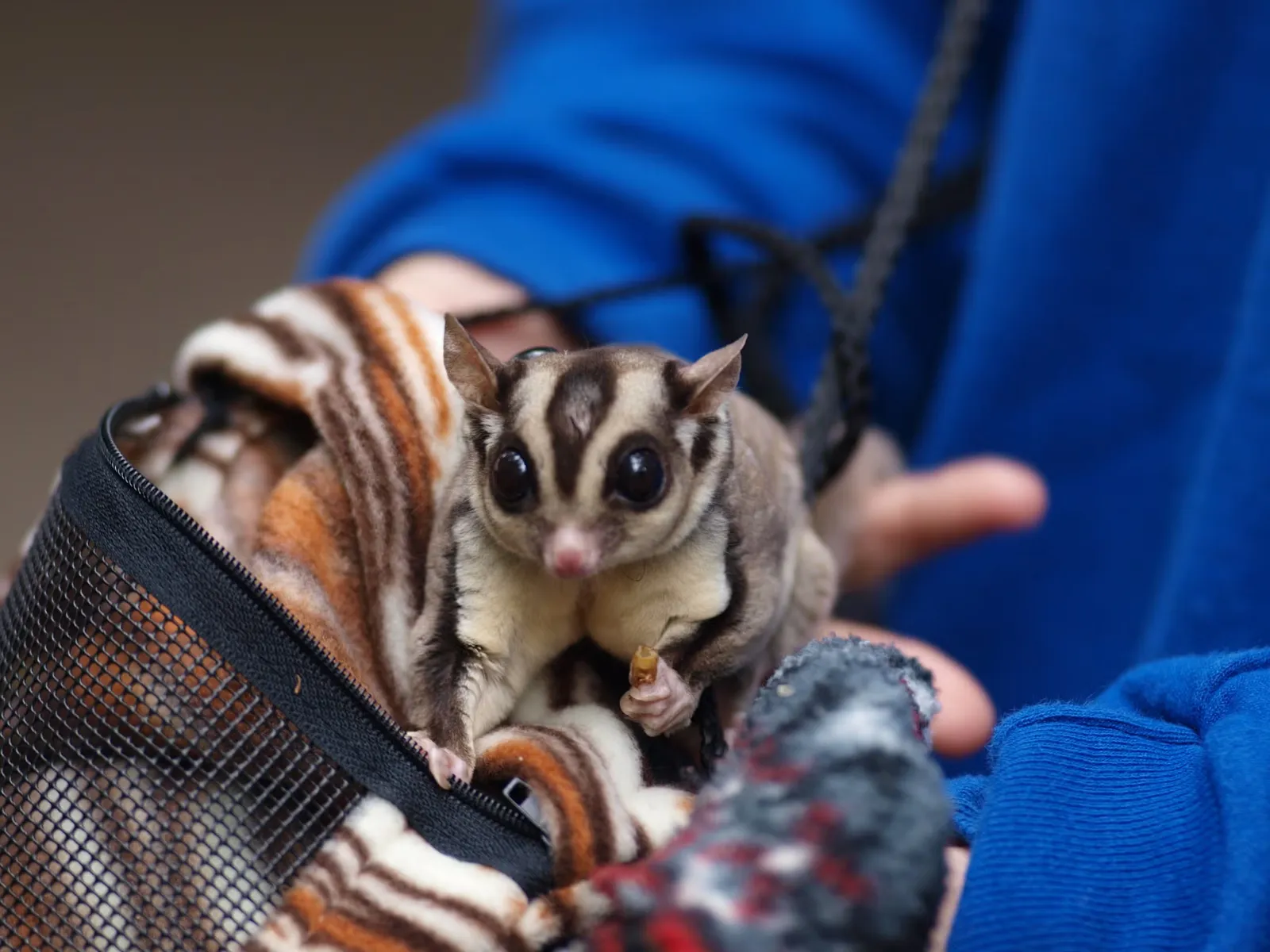
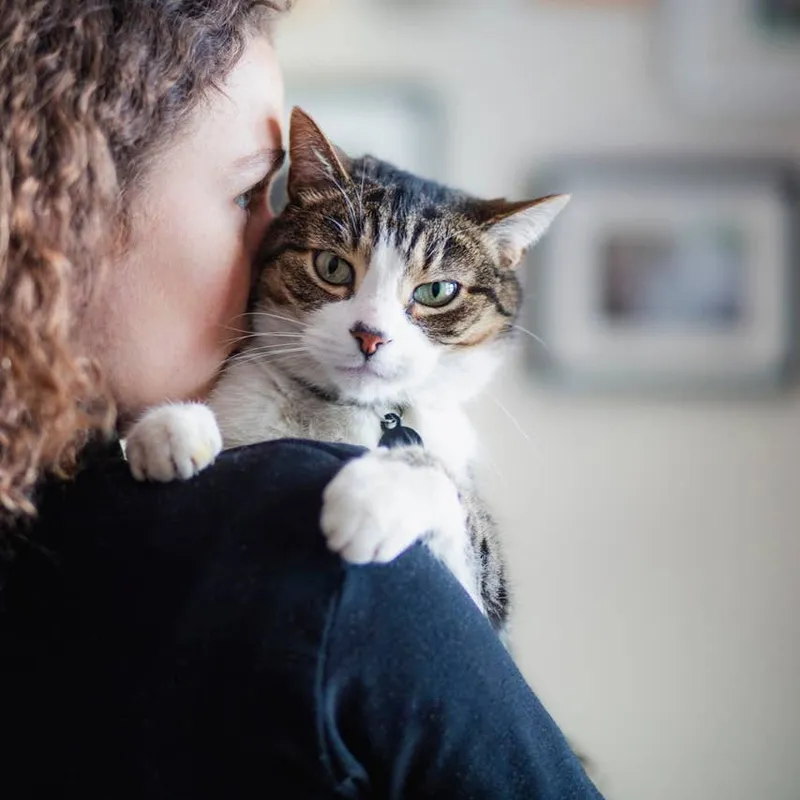
The species is social and, in captivity, will form a strong bond with its caretaker.
Sugar Hold 2737 CC BY-SA 2.0
Socialization and Bonding
Socialization Is Key
Sugar gliders are extremely social by nature. In the wild, they live in families or colonies of seven or more. In captivity, keeping them socially active (ideally with another glider) is important. Without a companion to play with and cuddle, they become depressed. Males compete for dominance, which can lead to malnutrition and minor injuries, so keeping just one male per colony is ideal.
Bonding
During bonding, gliders rub their scent glands on one another. Keeping your glider in a pouch hanging from your body while they sleep is recommended. You can also keep them inside your shirt. Gliders particularly enjoy armpits as scent pockets.
You can give them a worn shirt that carries your scent, but start slowly. Offer your shirt to a new glider only while they are sleeping, and over time, you can place one in their cage permanently.
Quick Tips for Socializing Your Glider
- House your glider with at least one other companion.
- If you have a colony, you can sit back and watch your gliders play together.
- Hide and seek is a favorite game of mine among many. Gliders will climb just out of eyesight and wait for you to come around and find them.
- Let your glider scurry around on you while you walk around and do other things.
- Many gliders prefer to hang out on your back, though it does make it difficult to get them off when playtime is done.
Deciphering Sugar Glider Vocalizations
| Type | Sound | Meaning |
|---|---|---|
| Bark | Like the bark of a dog | Used to get attention, communicate a need, engage in play; expresses boredom |
| Crabbing | Deep and raspy like a locust | Scared or nervous, used to ward off predators; often used around new owners |
| “Sneezing” | Chatty, soft noise, like the purring of a cat | An indication of contentment |
Learning a glider’s personality helps determine its mood and intent.
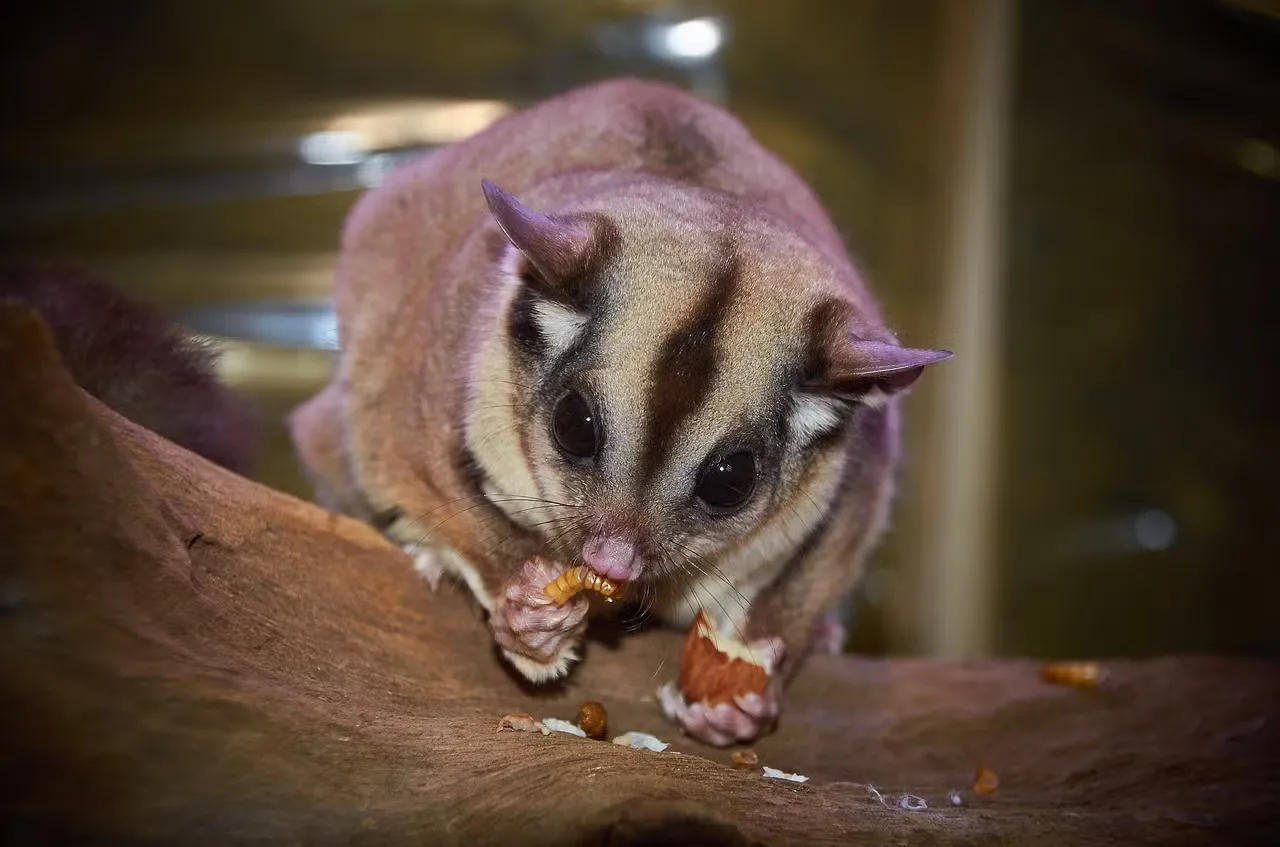
Snacking on nutritious food
andyround62 CC0
Keeping Sugar Gliders as Pets
The practice of keeping gliders as pets has generated considerable controversy in recent years. Part of the problem stems from large-scale breeders who do not care for the species properly and collect them improperly. Another issue arises from uninformed pet owners. In both cases, a person needs to research before purchasing a pet, especially an exotic species.
I adopted a glider from an owner who had bought her from a large-scale breeder; she was especially shy and frightened. After she bonded with us, we noticed she was having small seizures. Unfortunately, by the time we noticed, it was too late, and we lost her.
Owners may want to think twice about whom they purchase from. Many of these large-scale breeders enter native habitats and capture gliders illegally, and many things can go wrong in the process.
Why They Make Great Pets
Sugar gliders make wonderful companions. With a proper habitat that offers room to run and jump, they will be comfortable. Bonding with a new glider takes time, but patience and love will make them a marvelous addition to any family!
This article is accurate and true to the best of the author’s knowledge. It is not meant to substitute for diagnosis, prognosis, treatment, prescription, or formal and individualized advice from a veterinary medical professional. Animals exhibiting signs and symptoms of distress should be seen by a veterinarian immediately.