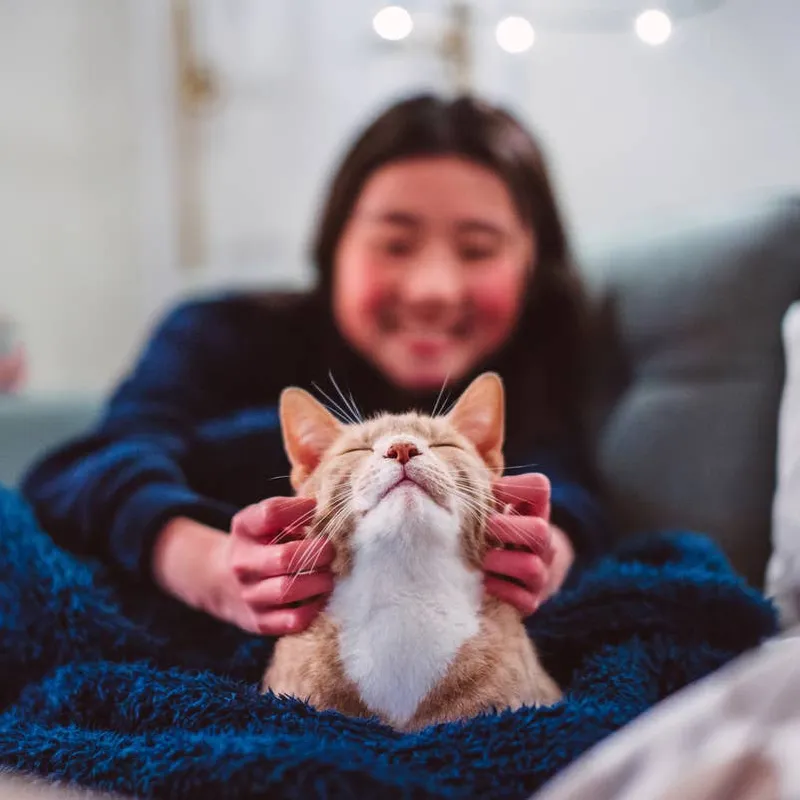
8 Expert-Backed Ways to Show Your Cat They're Safe—Without Saying a Word
Sam Cooper
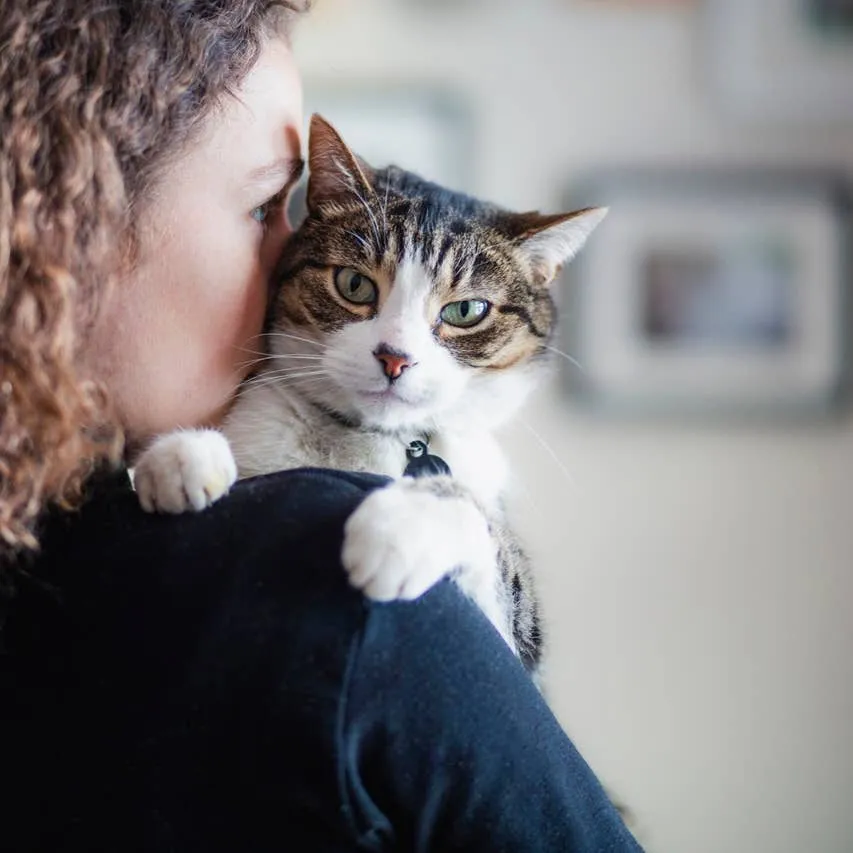
If you share your home with a cat, you want them to feel protected and at ease—whether they're dozing in a sunbeam or padding from room to room. You probably already recognize the things that unsettle them, but pinpointing what actually makes them feel secure is trickier. The reason is simple: cats don't process communication the way people do, so reassurance can't come from words alone.
The encouraging part is that cats notice the small things you do all the time. Affection, cozy hiding spots, respect for their body language, and a steady daily rhythm all combine into a message that they can let down their guard and trust their surroundings.
Below are eight ways to tell your cat "you're safe," drawn from guidance shared by Liz Gibbs, a pet trainer and general manager of Woofies Delray Beach. These habits can help your cat feel cared for, ease stress, deepen trust, and strengthen your relationship—whatever your cat's age, breed, or temperament.
Communicating Safety in a Language Your Cat Understands
Let Familiar Scents Do the Talking

What comforts your cat may not be what you'd guess.
Cats won't grasp the sentence "you're safe here," but they can read your actions and the way you look after them. For a cat, security is often tied to familiarity—and that makes your scent one of the strongest signals that you love them and are looking out for them.
So what can you do when you're away from home and your cat seems uneasy? According to Gibbs, leaving an item that carries your smell—a soft blanket, a bed, or a worn piece of clothing—can make a difference. Those familiar scents keep your cat feeling connected to you and more settled until you're together again.
Give Them a Retreat of Their Own

Every cat benefits from a snug spot to unwind in.
Even self-assured cats want time alone and somewhere to go when they're frightened, overwhelmed, or simply tired of company. Homes that work well for cats tend to offer several dedicated hiding places they can choose from when they need a quick escape.
"Pet parents can help cats feel secure by letting them know they have their own safe space," Gibbs clarifies. "Providing specific areas just for them, such as cat trees, beds, boxes, window seats, etc. can help them to spread their scent and feel safe."
Want to earn a little extra goodwill? Make sure your cat has a tall cat tree or another elevated perch to climb. Gibbs notes that cats feel safer up high, where they can survey everything around them. A tall, multi-level cat tree is among the best purchases you can make for your cat's comfort and sense of security.
Be Around—Companionship Counts
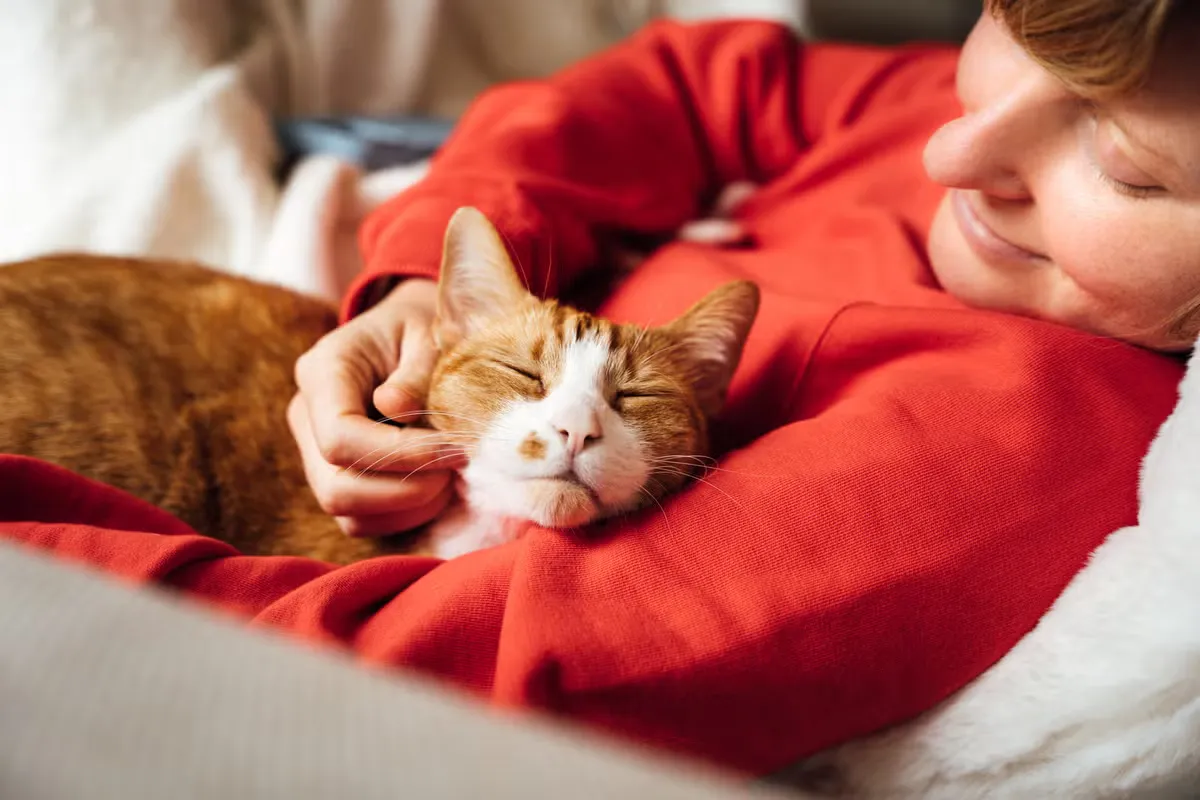
Many cats feel most at ease near the people they trust.
To your cat, you're more than a food provider; you're a familiar presence that makes their world feel safe. Simply knowing a trusted person is nearby can be soothing, particularly for cats who are shy, anxious, or still getting used to a new home.
"It is a common misconception that cats are aloof and like to be by themselves," says Gibbs. "While that is true of some cats, the majority thrive having their family home with them. Even if your cat is skittish or new to the home, having someone there can be reassuring. Cats like being with their family and do like to be included."
When your cat feels loved by you, they also understand that you'll keep them safe.
Hand Your Cat the Controls
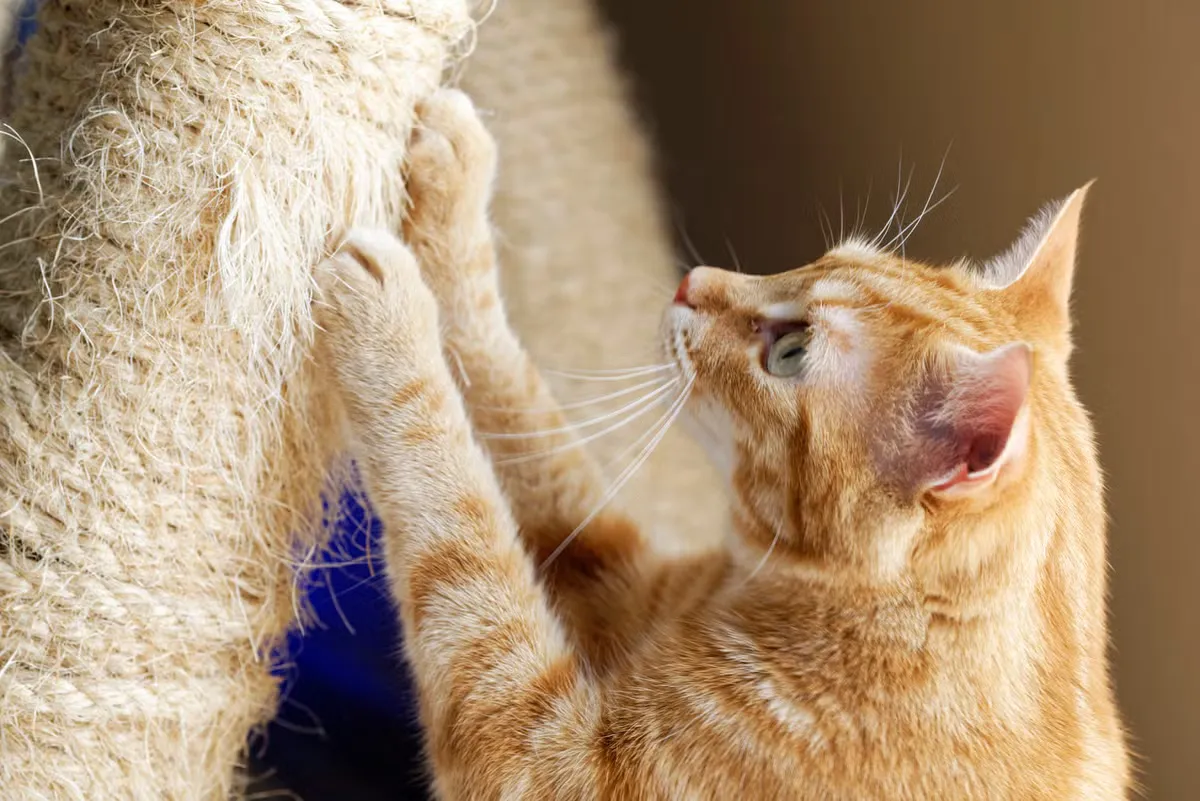
Cats settle in when their space lets them feel in charge.
A sense of control over their surroundings helps cats feel secure. One easy way to support that is to give them outlets for natural behaviors—scratching, climbing, and marking their territory. These small freedoms build confidence and comfort at home.
"Cats scratch for a variety of reasons," Gibbs explains. "It helps to mark their territory by spreading their scent through scent glands in their paws, relieves stress, and removes the outer layer of their nails to keep them sharp and healthy. Scratching is an essential part of a cat's routine, and vital to their mental and physical well-being."
Gibbs suggests offering several different scratching posts. That lets you observe which styles your cat takes to, while also giving them plenty of enrichment and stimulation.
Honor Their Limits

Leaving your cat room to decide is reassurance in feline terms.
Your cat is family, but that doesn't mean you should make their choices for them. In fact, cats tend to feel most secure when they know a choice is theirs. So even when it's tempting to scoop up a cat who isn't in the mood, giving them space when they want it helps them feel safe, understood, and less stressed.
"Respecting your cat's physical boundaries is so important," explains Gibbs. "Not all cats want to be held and cuddled, and when they are forced into uncomfortable situations, it can ruin your relationship with them."
Letting your cat decide when affection happens shows them they can trust you. Over time, that helps them feel safe and comfortable being themselves around you.
Keep Your Touch Gentle
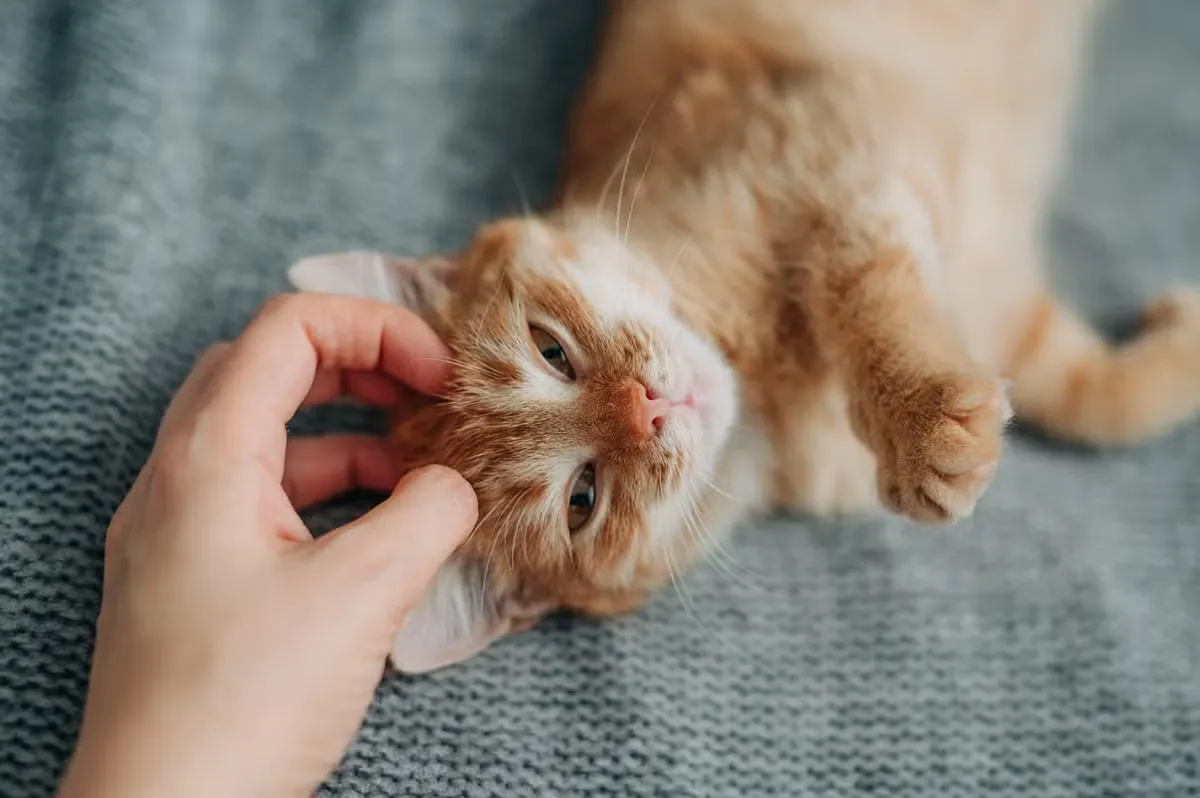
Affection on your cat's terms is more likely to feel reassuring.
Some cats adore settling into your lap; others prefer affection in small servings. Learning how your cat likes to be touched is one of the strongest ways to show affection and convey safety without uttering a word.
By watching their body language and behavior and allowing them to choose when to interact, you show your cat that they're understood and cared for. A gentle touch, offered when your cat is willing, can leave them feeling safe, secure, and deeply loved.
Keep the Routine Steady

The everyday rituals you barely notice may mean more to your cat than you think.
Sticking to a routine is one of the ways you can show your cat you'll protect them in a language they grasp.
Cats are habit-driven, after all. They learn your daily pattern and come to rely on it. If that schedule keeps shifting, they may feel anxious and unsettled, unsure when they can depend on you to care for them.
On the other hand, keeping a regular routine tells your cat there's nothing to worry about.
"Having a set routine for feeding and other daily tasks can help cats feel comfortable," Gibbs says. "Knowing when they will be fed, when you will be home gives them stability, which they connect with safety."
Putting your cat's needs first signals that their feelings matter. That builds trust and strengthens your bond in a way your cat can understand and link to comfort.
Use Play to Build Confidence and Trust

Confidence and security grow together—and playtime feeds both.
Some of the most effective ways to reassure your cat aren't complicated at all—they center on encouraging play. A cat who feels safe is a cat comfortable enough to take part in enrichment activities.
"Playtime is so important for cats, and encourages their natural behaviors to come out," Gibbs affirms. "Playtime also increases their confidence levels and helps them feel more comfortable in their environment trust being around you."
Whether your cat chases toys, pounces, or bats around a favorite object, spending time playing together shows them they're safe, supported, and cared for.