Small Pets in Cages: What Families Should Know About Hamsters, Gerbils, Mice, and Rats
Robin Martin
Choosing a Caged Pet for a Child
Walk into almost any pet store and you'll see them: small furry creatures dozing or playing in their enclosures. A single cute sneeze, a peanut stuffed into a cheek, or a hamster spinning upside down on a wheel can instantly win a child's heart. While some parents hesitate because of cage-cleaning duties, small rodents can be a smart pick when space is tight or when a family wants a shorter-term commitment.
Because these animals are delicate due to their size, it's wise to wait until a child has moved past the toddler years. With proper supervision, though, small rodents can suit kids of many ages. Shy species such as mice are less hands-on than their bigger relatives but are still fun to observe. The ideal rodent for your child depends on the child's energy level, how they prefer to interact, and the time and room available.
What Small Rodents Are Like as Pets
Small rodents make charming companions. They can be affectionate, responsive, and entertaining. For a busy child—especially one who can stick to a weekly care routine and has a gentle touch—a caged pet can be a good fit. These animals usually need only a modest amount of space, and their enclosures can be relocated fairly easily.
Many small rodents are social and prefer to live with others, so they don't have to depend solely on their human caregiver for company. Even so, getting a caged pet used to people early in life encourages friendly interaction and reduces biting. They need something safe to chew on for both enrichment and dental health, but these items are usually inexpensive.
If a rodent lacks suitable chewing material, it may gnaw on its cage instead, which can lead to escapes or digestive blockages. Almost all of these animals are skilled escape artists, so choose your enclosure carefully and inspect it daily for damage.
Pros and Cons at a Glance
| Animal | Advantages | Drawbacks |
|---|---|---|
| Hamster | Can be kept alone; amusing; interactive if socialized early | May bite without proper handling; active at night; escape-prone |
| Gerbil | Easy to care for; friendly; fun to watch | Escape-prone; chews a lot; hard to keep alone |
| Mice | Active; simple to maintain; needs little space | May jump from hands; tends to bite; requires very gentle handling |
| Rats | Social; very interactive; intelligent; highly trainable | Expert escape artists; easily bored |
Hamsters
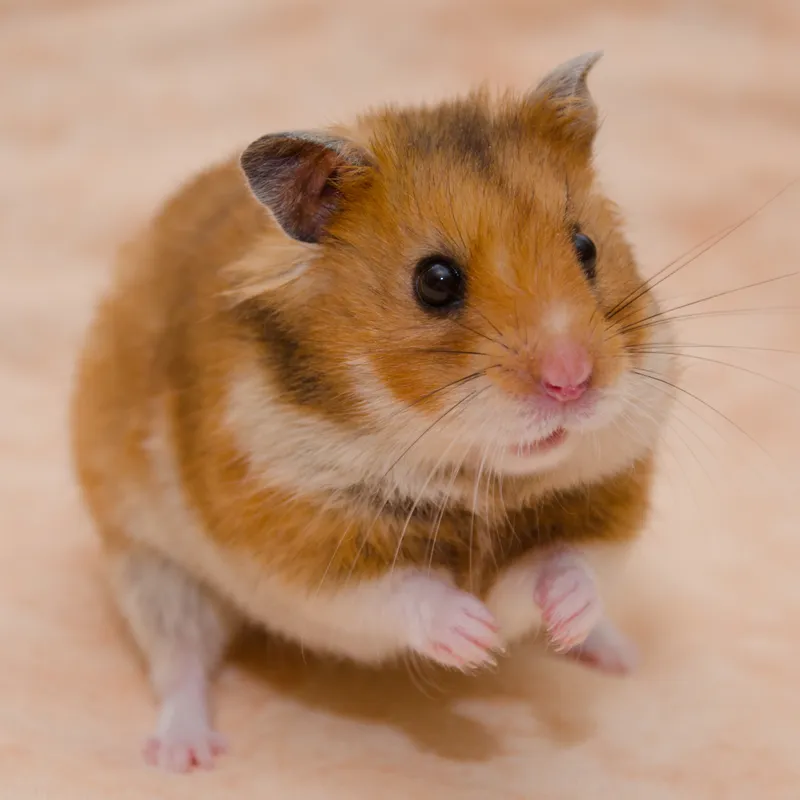
Hamsters are a common pick for families with kids. Nearly every pet shop has several enclosures holding pairs or groups of these little furballs. They're cute and amusing, and while it isn't easy, they can even learn a few simple tricks.
Hamsters can be a bit grumpy, so taming and socializing them to people when they're young is essential for a well-adjusted pet. Their nocturnal habits can also disturb light sleepers. On the plus side, they are the best of the small rodents for living alone. In fact, many hamster breeds strongly resist having a roommate unless it's of the opposite sex. Putting a male and a female in the same enclosure usually leads to a lot of baby hamsters.
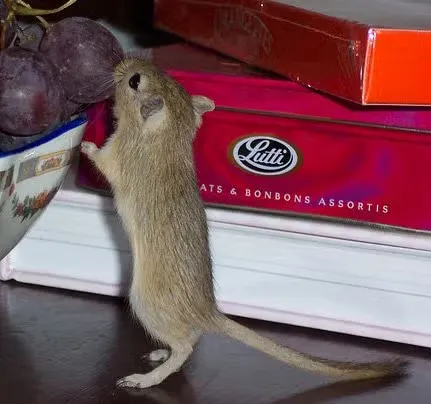
Gerbil
Gerbils
Gerbils are another enjoyable choice for children. Like hamsters, they are small, furry, and fun—they even look similar, though gerbils have larger hind feet and longer tails. Don't be fooled: they are quite different animals. Gerbils are desert dwellers that do much better in pairs or groups. It's usually best to get two or more at the same time, because as they mature they can become aggressive toward newcomers, especially females.
Gerbils are less likely to bite than hamsters, but socialization is still important. Again, if you get a male and a female, you'll likely soon have many gerbils needing homes. If kept as a single pet, a gerbil must receive plenty of human interaction, and it may struggle to groom itself since it can't reach every spot without help.
Mice
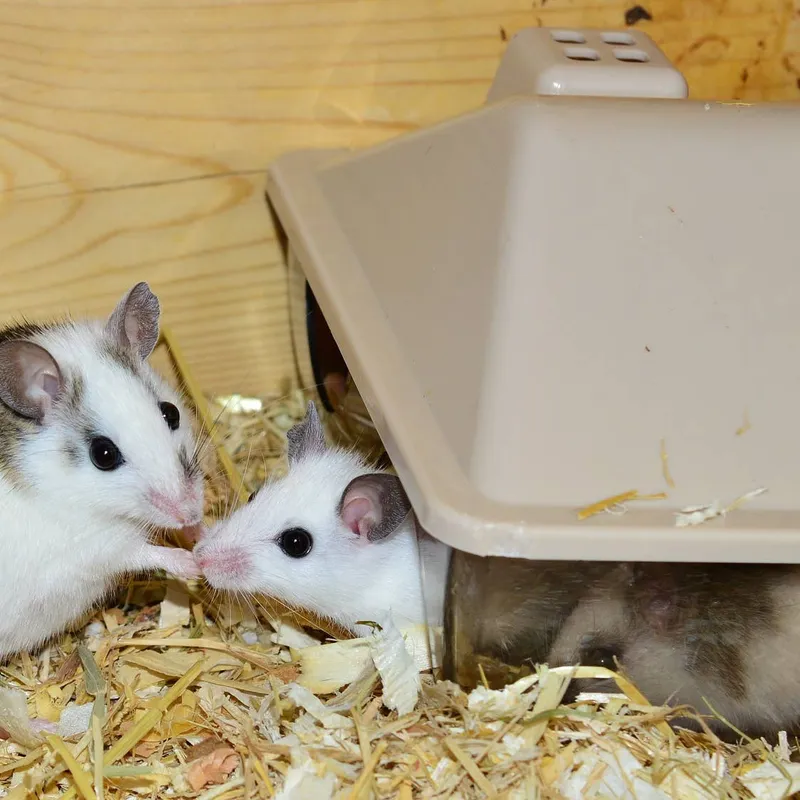
Today's pet mice descend from either common house mice or deer mice. Mice are the least expensive of the small rodents, though not necessarily the best value. They're cute and can be entertaining to watch, but they aren't as affectionate or easy to handle as the other small rodents listed here. Mice need the company of other mice, so keep them in groups or at least pairs.
They are lively and fun, but their attention span is short. Any sudden sound or sight sends them running for cover, and once a mouse is on the move, it can be hard to find and catch. Speaking of running, they love to use wheels—even wild mice do! Just make sure the wheel you choose is lightweight or securely mounted, because heavier wheels can tip over and break their tiny bones.
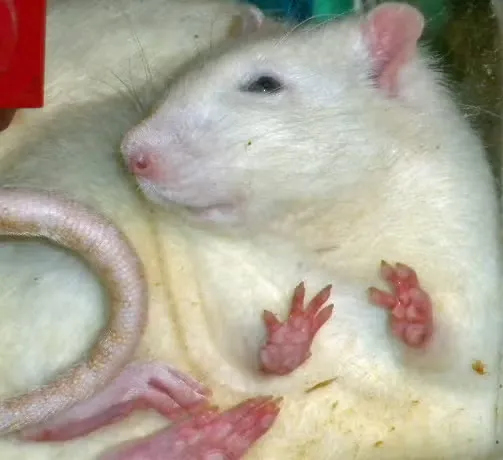
Just waking up!
Rats
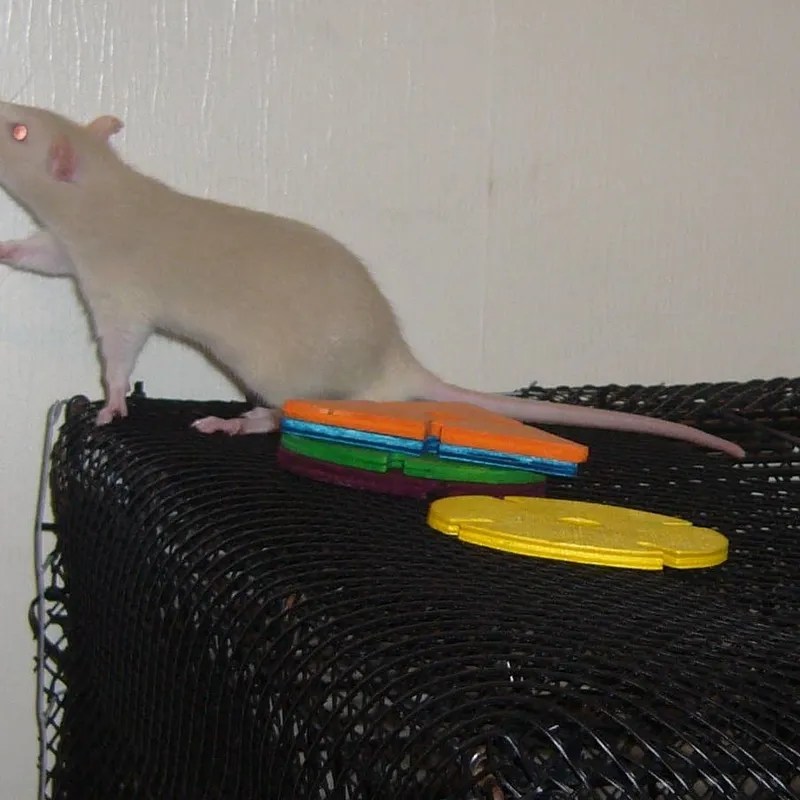
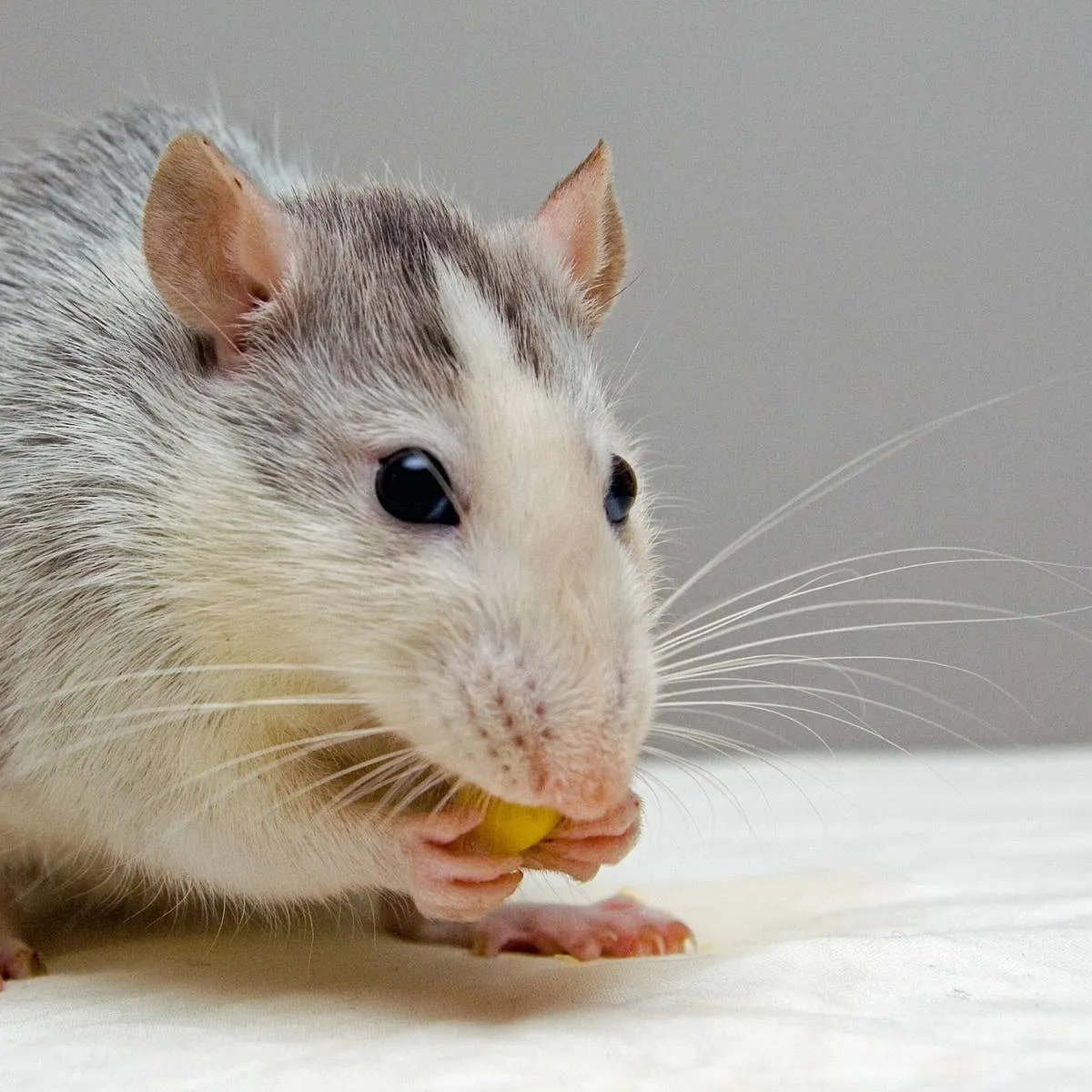
Rats are my personal favorite among the smaller rodents. I've lived with each of these animals at different times, but I always return to rats. They are bigger and sturdier than the other three, yet just as capable of slipping out of a cage. On the other hand, if they do escape, they're the most likely of these rodents to come looking for you rather than hide.
If you can't spend at least two to three hours a day socializing your rat, it's best to keep them in pairs or groups to avoid depression and health problems. Rats are very intelligent and highly social, so without some form of entertainment they get bored. A bored rat becomes either destructive or depressed. Rat toys are easy to find—either at a pet store or from items you might otherwise throw away, like paper towel tubes. Rats are also very trainable, readily learning to come when called, ride on your shoulder, and even perform complex trick routines.
Safety and Supervision
Most children over four can handle small rodents without hurting them, and feeding and watering tasks are usually simple enough for a young child to do with minimal supervision. The only job that calls for an older child or an adult is cleaning the animal's living area. Giving a child appropriate chores is fine, but remember that it's still your responsibility to make sure they follow through so the pet stays healthy and happy.
Just a day or two of neglect can be fatal for small animals like these. Handling is best left to children four and older, who have the dexterity for these fragile creatures, and handling should generally stay supervised until the child is at least seven to nine years old, depending on the child. Small rodents may still be suitable pets for some children who are too young to hold them. Many young children and toddlers will be delighted simply to watch them run on a wheel or explore their home in runaround balls.
This article is accurate and true to the best of the author’s knowledge. It is not meant to substitute for diagnosis, prognosis, treatment, prescription, or formal and individualized advice from a veterinary medical professional. Animals exhibiting signs and symptoms of distress should be seen by a veterinarian immediately.
Questions & Answers
Question: Do you have any recommendations in regards to toys or housing for gerbils? We know about the escape problem, so I have her in an aquarium, but I’d like to provide her with ledges and more than just bedding and cardboard. She has some tunneling material, but I’m always looking to make her more comfortable and happy.
Answer: Gerbils tend to be burrowers rather than climbers, so they like lots and lots of bedding and burrowing, and don’t use ledges as much as some of the other rodents. Any sort of tunnel under bedding tends to be frequently used, and if you set a clear tube or tunnel up near the front of the cage, you may see them more often when they don’t feel as observed. Some people like using smaller glass jars that the gerbil can roll around, or larger ones they can play in. Small upside down terracotta pots are popular for them to climb on, but be sure to frequently check for edges and plug or enlarge any hole at the bottom as gerbils have been known to get stuck.