Building Trust with a Timid or Defensive Pet Rat
Logan Howard
Helping Your Pet Rat Feel at Home
Rats are bright, inquisitive animals, and a well-socialized pet rat ranks among the friendliest companion animals—second perhaps only to dogs. While most rats that have been handled regularly are outgoing, those acquired from a pet shop or rescue may initially fear humans. With patience and a bit of time, taming a pet rat is usually quite achievable.
Two main behavioral patterns require attention: aggression and shyness. If your rat is simply shy, allow a few days for it to settle into its new environment; after that, begin gentle but confident handling—regardless of whether the rat seems to like you yet.
Getting your rat used to being picked up and touched is key. Many owners of shy rats have found success by taking the rat out of the cage daily and petting it for a while until it grows accustomed to the routine.
Should You Just Leave the Rat Alone?
Avoid overstimulating or frightening your rat with loud noises or quick movements, but frequent handling is vital if you want your pet to become and stay tame. Experts suggest giving rats at least an hour outside the cage each day. A good portion of that time should involve you holding and interacting with them.
Encouraging Your Rat to Leave the Cage
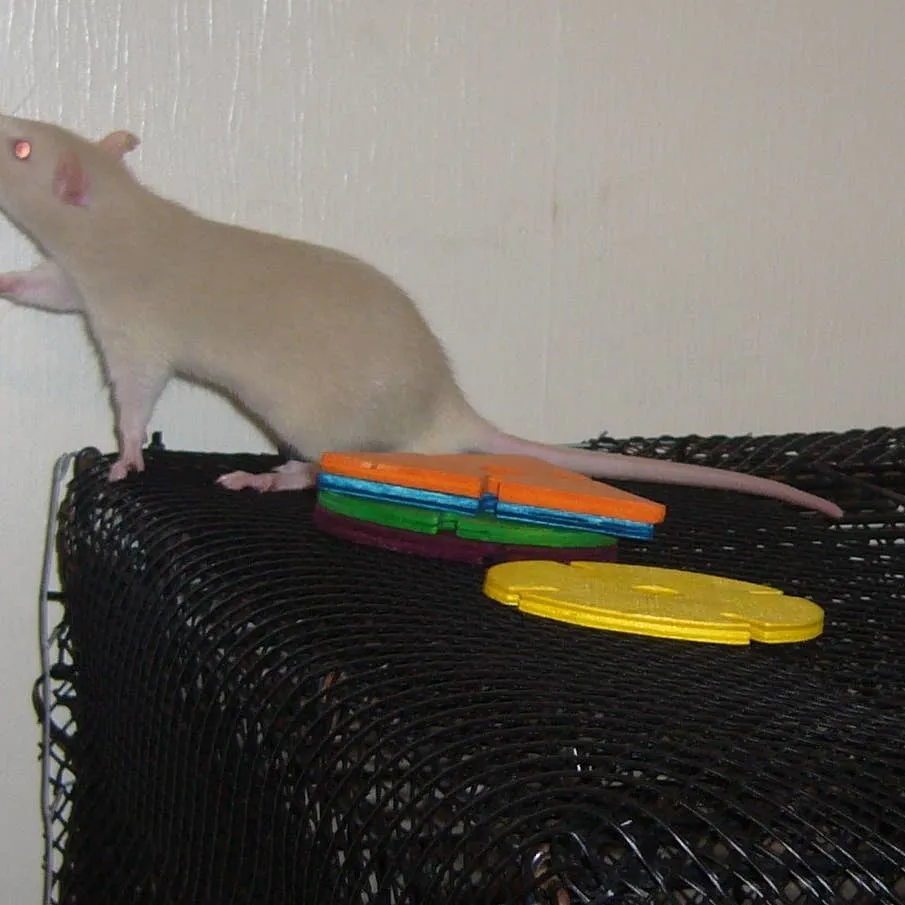
Most rats are eager to exit their cage—even a large enclosure becomes dull over time. Assuming the rat has had several days to adjust to its new surroundings, simply open the cage door while sitting nearby; your rat will likely come out on its own.
A healthy rat is a curious rat. If yours never emerges, check whether it is asleep. Rats, particularly young ones, need a lot of daytime sleep, so you may be attempting to play at the wrong time. Morning and late evening are usually the best times for interaction.
Does Solitary Housing Make a Rat Friendlier?
Many rat behavior issues stem from keeping them alone in the belief that a solitary rat will bond more closely with people. This is not true. For mental and emotional well-being—rats do have emotions—a rat needs the company of its own species. If your rat is extremely timid and anxious, it may be missing a companion.
Sudden Aggression in an Older Rat
Older rats can develop tumors that lead to aggressive behavior. If an older rat's temperament changes abruptly from friendly to hostile, a veterinary checkup is worthwhile to rule out a medical cause.
Further Reading on Rat Care
This article reflects the author's best knowledge and is not intended to replace diagnosis, prognosis, treatment, prescription, or individualized advice from a veterinary professional. Animals showing signs of distress should be seen by a veterinarian promptly.