Recognizing Allergy and Illness Symptoms in Hamsters
Morgan Lewis

Allergies in Hamsters
Hamsters are generally robust, but they can develop allergies to food, bedding, and other substances. The most frequent culprit is bedding or another household agent—often something sprayed into the air.
Treating an allergy is straightforward: simply remove the allergen. If you miss the signs, however, the allergy can worsen and lead to more severe conditions. It's not unusual for untreated allergies to progress to wet-tail or an infection because of a weakened immune system and the stress placed on the body.
Hamsters can bounce back from allergy symptoms fairly quickly, but you must monitor them closely, as they typically don't show weakness or illness until it's too late. If you change anything in or around your hamster's cage, keep a close watch.
Are you confident in managing allergies in hamsters?
Causes of Allergies
Allergies can stem from various sources. The most common causes include food, bedding, or other household items (smoke, perfume, furniture polish, etc.).
Hamster Food Allergy
Hamsters may be sensitive to dietary changes, so if you plan to switch foods, do it gradually. Mix the new food into the old little by little until you can fully transition the hamster without major health issues.
If your hamster can't slowly adjust to the new food, he may have trouble digesting it, which can trigger a reaction. If you're only adding one or two new items to the diet and he shows any reaction, remove them.
It's best to keep your hamster on a regular diet. You can offer fresh fruits and vegetables as treats, but only one at a time. That way, if an allergic reaction occurs, you'll know which food caused it.
Hamster Allergy to Bedding
Many types of bedding are available for small animals. Generally, avoid cedar and pine because their strong oils can cause respiratory illness. Stick with aspen eco-straw pellets, recycled newspaper bedding (such as CareFresh), and other dust-free options.
If you suspect the bedding is making your hamster ill, remove it and use paper towels or toilet paper for a while to see if symptoms resolve or persist.
Other Household Allergens
If nothing has changed in diet or bedding, and your hamster shows no signs of allergy, check whether anything else in the room with the cage has changed.
Sometimes hamsters develop allergies to aerosols, spray furniture polish, cigarette smoke, perfumes, air fresheners, and nearly anything airborne. Hamsters have sensitive respiratory systems, so be careful about what you introduce into the air where your hamster spends most of his time.

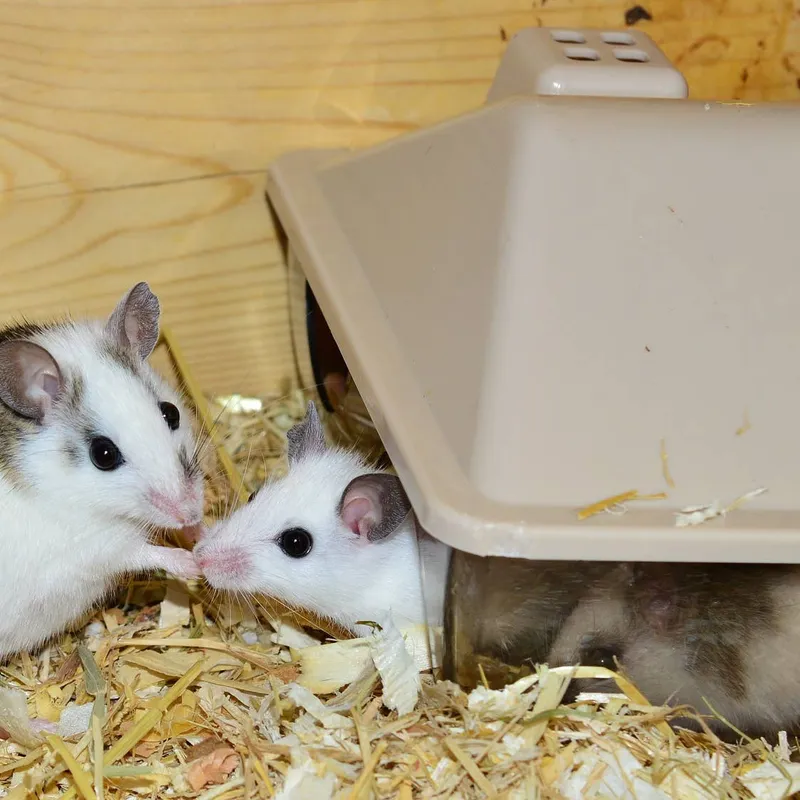
Hamsters might be allergic to their bedding.
Signs and Symptoms of Allergies
You may notice one or more of the following symptoms:
- Dry skin
- Hair loss
- Irritated stomach
- Persistent and frequent itching or dry skin
- Red feet
- Runny nose
- Scratching
- Skin irritation
- Sneezing
- Swollen feet
- Watery eyes
- Wheezing
- White flakes around the eyes and ears
Signs of an allergy typically appear shortly after exposure to the allergen.
Relieving Allergies and Veterinary Care
Soothing an allergy is simple: remove whatever is irritating your hamster. Change the food if it's a food allergy, or change the bedding if that's the cause.
If symptoms don't improve within a few days, try removing something else. Avoid changing too many things at once, though, because you won't know for sure what caused the allergy and what to avoid.
If you identify the allergen but symptoms persist, you may need veterinary help, as an infection rather than an allergy could be responsible.
This article is accurate and true to the best of the author's knowledge. It is not meant to substitute for diagnosis, prognosis, treatment, prescription, or formal and individualized advice from a veterinary medical professional. Animals exhibiting signs and symptoms of distress should be seen by a veterinarian immediately.