Matching Horse Size to Rider: What You Need to Know Beyond the 20% Rule
Sam Cooper
Determining the Right Horse Size for You
New riders and those buying their first horse frequently wonder what size animal they should get. Riders who are heavier might even question if riding is a suitable activity for them. Finding the correct size is not a straightforward task.
For many first-time buyers, a practical first step is to ask a trainer which horses they feel most at ease on; this can provide a useful reference point. Still, there are broad guidelines to consider for matching a rider to a horse, which involve the following factors:
- Weight
- Height
- Intended activity
Evaluating a Horse's Weight-Bearing Ability: The 20% Guideline
When you start looking into how much weight a horse can carry, you will probably encounter the 20% rule first. It is generally stated as:
The combined weight of rider and gear should be no more than 20% of the weight of the horse.
To illustrate, a horse weighing 1,000 pounds should not be asked to carry more than 200 pounds. This principle underlies the 200-pound weight limits often seen at riding stables, though a few places set the cap at 250 pounds, which can serve as motivation to shed some pounds if possible.
This rule is a useful starting point, but other considerations also come into play.
The Rider's Skill Level
A horse has a harder time carrying a rider who lacks experience. Beginners tend to be passive passengers. It may not be flattering, but it is accurate.
- For instance, a skilled rider weighing 140 pounds might be fine on a 13-hand pony, but a prudent instructor would not place a novice of the same weight on that same animal.
- With more experience, a rider learns to maintain her own balance, support her own weight, and sit more softly on the horse's back. Weight that shifts with the horse is less taxing than weight that does not.
Assessing a Horse's Physical Condition
A horse that is not physically fit should not be expected to bear as much weight.
- When starting a young horse, it is generally wise to use a lighter rider if possible. A green horse lacks the muscle to carry a rider and will feel the weight more acutely.
- The same applies to a horse that has been idle for months. If you cannot reduce the rider's weight, then keep rides short at first and gradually lengthen them as the horse gets fitter.
- Horses with a history of chronic lameness, back issues, or founder should not be asked to carry as much weight as healthy horses.
- Older horses should also not be asked to carry as much weight.
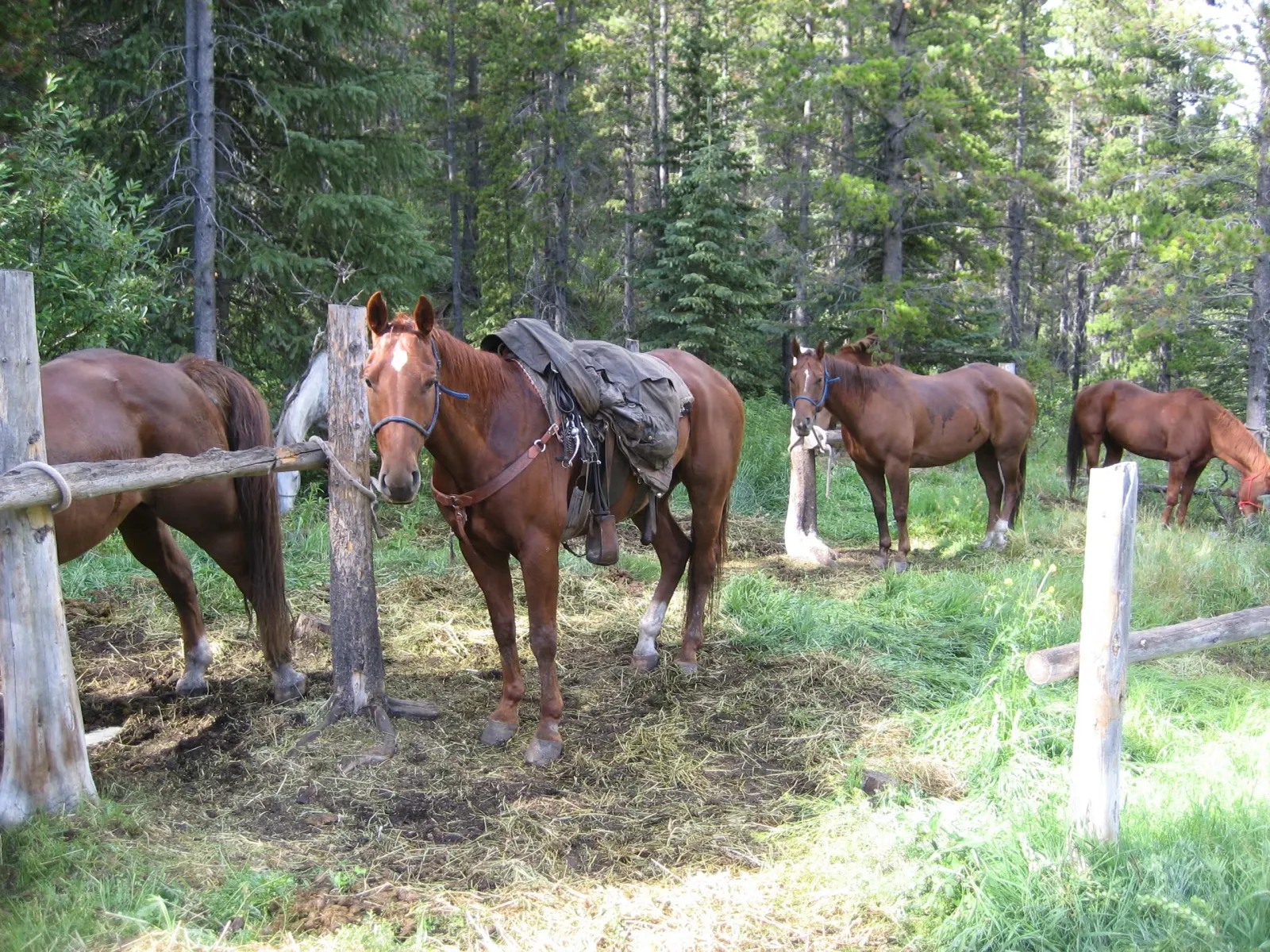
If a horse hasn’t been worked recently, rides should be kept short while fitness levels are built back up.
Self
Build and Body Type
A horse's conformation has a clear effect on how much weight it can bear.
- Back. A horse with a very long back is more likely to have back problems, so the weight carried should be reduced a bit. Conversely, a horse with an extremely short back may not handle heavy saddlebags well because they sit too far back and are, at best, uncomfortable for the animal.
- Bone. The foundation of weight-carrying ability is bone. You measure a horse's bone by running a string or dressmaker's tape around the front leg just below the knee. In England, horses are classified as light, medium, or heavyweight based on bone measurement: lightweight is 8 inches and under, middleweight is 8 to 9 inches, and heavyweight is over 9 inches. More bone means more carrying capacity and a greater likelihood of staying sound. Very tall horses often have insufficient bone.
- Type. For taller riders, body type matters more than height. You need a horse with enough barrel to accommodate your leg. That means your heels should not normally drop below the horse's barrel, as this makes riding harder and makes the horse look too small for you, even if it carries you without issue. On the other hand, you do not want a horse with so much barrel that your heels hit the saddle rather than the horse.
- Ponies. Generally, ponies can carry more weight relative to their size than horses. Some breeds are famous for exceptional carrying capacity, notably the Dartmoor and Exmoor ponies in England (no taller than 12.2 hands, yet often able to carry a full-grown man across the moors) and the Icelandic Horse.
- Draft horses. Many heavier riders think the solution is to buy a draft horse. They are huge and have plenty of bone, right? The issue is that draft horses were bred to pull weight, not to carry it on their backs. Their proportions and muscling are different. A high-quality cross between a draft horse and a riding horse is a better choice for an extremely tall and heavy rider than a pure draft.
Intended Use, Activity, and Equipment
- Western vs. English gear. Keep in mind that western tack weighs more than English. A western saddle often weighs 50 pounds. An English saddle, without irons, weighs 20 pounds or less. This is a significant difference that is very noticeable when saddling. If you plan to trail ride with saddlebags, allow another 15 to 20 pounds.
- Work intensity. The more you plan to work a horse and the more intense the work, the less weight you should ask it to carry. If you only ever do short trail rides near your own property, you can often get by with a smaller horse.
- Showing. For showing, it is crucial that you appear proportionate to your horse, although in dressage and saddlebred competitions, very large horses are currently in fashion. Many believe that to win, you need a tall horse.
- Barrel racing and gaming. For barrel racing and gaming, the ideal is the smallest horse that can comfortably carry you and do the job, because smaller horses can turn more quickly. Barrel racing horses are rarely over 15 hands but tend to be stocky sprinter types that can bear more weight.
- Racehorses. Racehorses, of course, carry as little weight as possible. Because of this, it is worth noting that Thoroughbreds generally have less bone and cannot handle as much weight as their height might suggest, especially taller Thoroughbreds bred for longer distances.
Will a Horse Show Signs of Being Overloaded?
The answer is: sometimes.
- Mules. Mules are particularly known for making it very clear to their handlers if they are being asked to do too much and may even lie down and refuse to move until part of a pack is removed.
- Horses. Many horses, however, will continue to work without complaint regardless. Horses will keep going when overburdened, lame, or tired, and I have, many times, had to literally stop one from trying to continue to work when it clearly should not. Although I have known horses, especially ponies, to balk or stop and refuse to move if the rider is too heavy, most will not. It is therefore up to the better judgment of the rider to determine when something might be too much.
This is one of the reasons why mule people often insist mules are smarter than horses.