What to Consider Before Buying a Horse for Your Child
Taylor Hill
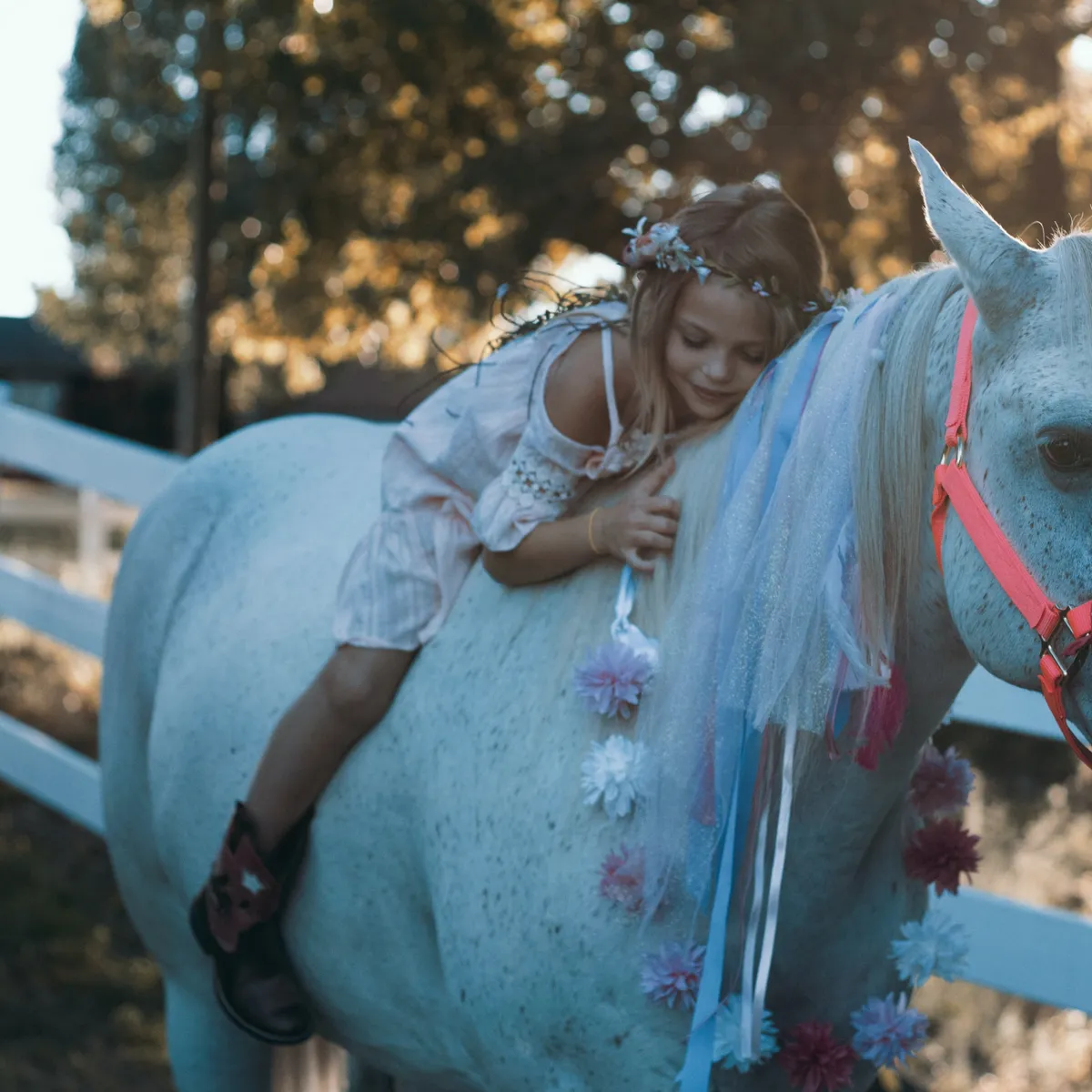
Deciding If Your Child Is Ready for a Horse
Many children who take riding lessons eventually ask their parents for a horse of their own. If you already have experience with horses, you may feel equipped to judge whether your child is ready. However, numerous parents become involved in horses because of their child's interest in riding, and they may lack confidence in assessing readiness for ownership.
Assuming your child is enrolled in lessons and you have a good relationship with their instructor, your first step should be to ask the instructor for their opinion. It can be difficult to hear that your child is not ready, but a good instructor prioritizes the student's safety and success. If they say no, they are acting in your child's best interest.
Instructors often share stories of eager families who purchased a horse for their child too soon, and these stories rarely end well. Discovering after the purchase that you are overwhelmed can damage your child's confidence. Some determined riders may work through the difficulties and learn from them, but for a timid child, owning a horse and not succeeding could mark the end of their riding experience.
A child's first horse should feel like a significant milestone. We want them to feel proud and committed, and most importantly, we want the horse to support their progress in riding.
Once you decide to move forward, finding the right horse is the next step—a topic for another time. Here, I want to help you with the first step: determining whether your child is ready. I will break it down as simply as I can.
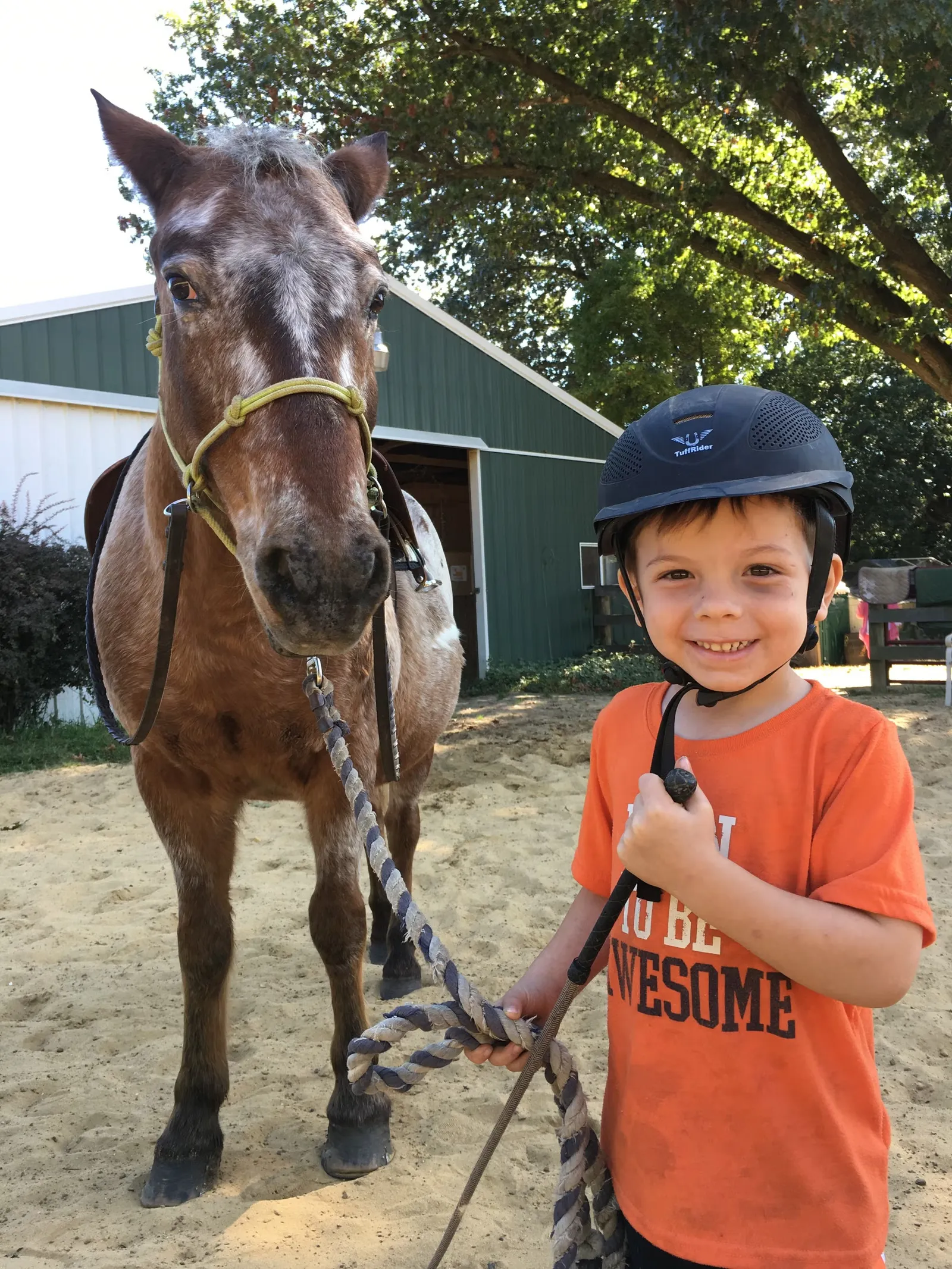
Oliver and Peanut. Oliver was fortunate to grow up in a horse-oriented family, but these tips are for families without that background.
Six Questions to Ask Before Buying a Horse
Consider these questions yourself or discuss them with your child's instructor:
1. Is my child a confident or timid rider?
If your child is timid, leasing a horse first or spending more time on lesson horses is likely the safer choice for now.
Keep in mind: If you have been in a lesson barn environment, buying a horse means your child will, for the first time, not always have someone available to help handle situations. For safety, your child should never ride without someone else present. Instructors are paid to teach, not to babysit.
If your child is confident enough to work through challenges independently, that is a good sign they are ready for ownership. If they are timid and unsure, they probably are not ready yet.
2. Can my child catch, groom, and tack up on their own?
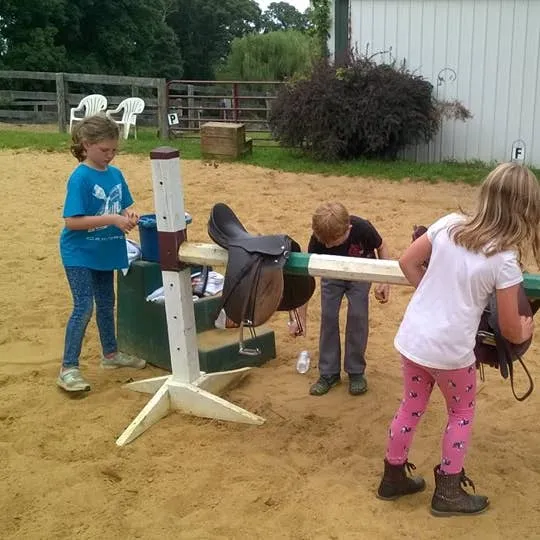
In a lesson program, your child likely has had help with these tasks. After purchasing a horse, they will often need to handle them alone. Scenarios such as catching a horse turned out in a field or bridling a stubborn horse can occur. While you can always ask for help, owning a horse means these are tasks you should be able to manage yourself.
3. Can my child ride a variety of horses?
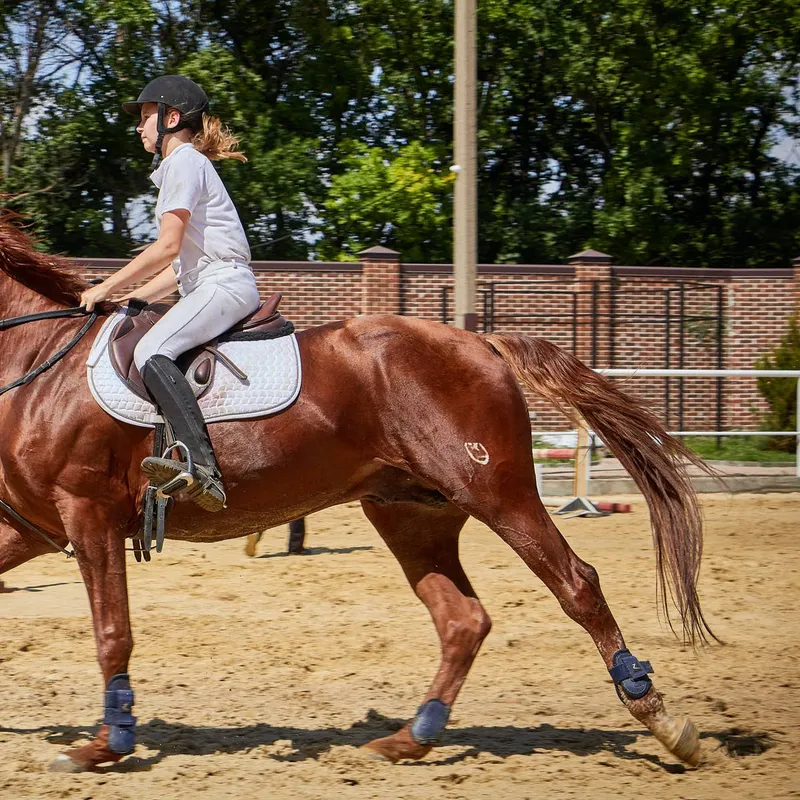
Horse shopping involves riding new horses, so before deciding to buy, you want to ensure your child is confident on more than just one lesson horse.
4. Does my child know their riding goals?
Before buying, you need to know what your child wants to do with the horse; otherwise, you won't know what to look for. Having a sense of direction helps you choose the most suitable horse for the job.
5. Does my child have an interest in all-around horsemanship?
Once you own a horse, ensuring its health is your responsibility. If your child only wants to ride and shows no interest in learning about horse nature and care, they should not own one. You can never know everything about horses, but a child who is going to own one should want to learn as much as possible.
6. Does your child have the time to dedicate?
If your child rides only once a week and has other commitments on all remaining days, you probably should not buy a horse. Even the most well-behaved horse will quickly lose its training if not ridden regularly. Additionally, your horse needs exercise to stay physically fit, and bored horses can develop bad habits.
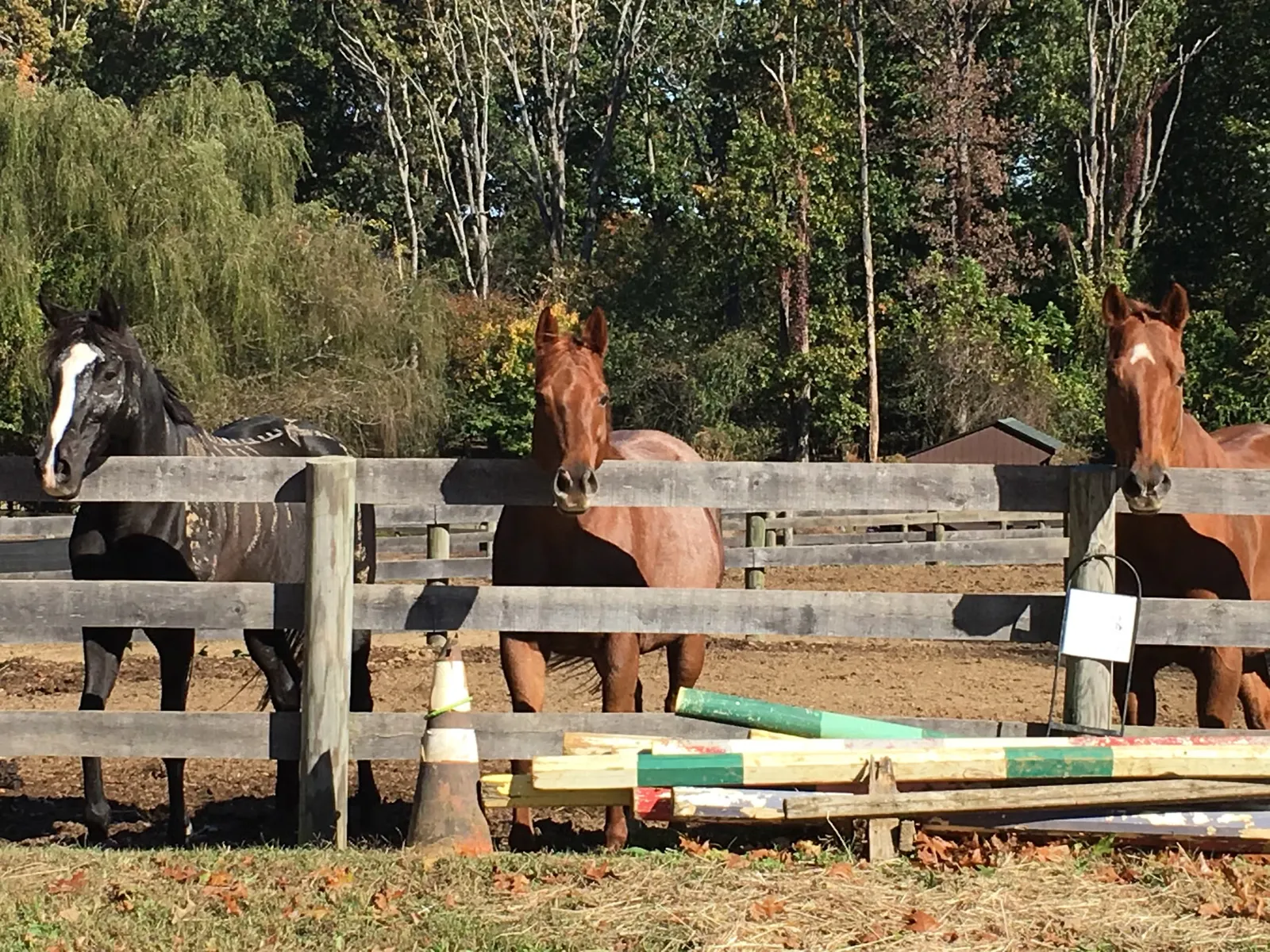
So tempting! Of course every kid wants one!
More Questions to Ask Before Buying a Horse
If you discuss these topics with your instructor and they confirm your child is ready to be a horse owner, congratulations! Here are a few more things to consider:
- What is your budget? Your instructor cannot help find your child's dream horse without knowing the price range.
- Consider boarding options. Ideally, you would board at your instructor's barn—do they have openings? What is the cost, and what boarding options do they offer? What other options are in the area, and would they suit you?
- Can you afford it? Boarding, farrier bills, dentist, and other professional services add up to a significant financial commitment.
- Can you afford lessons, too? To succeed, your child will still need lessons. Can you afford that on top of all other ownership expenses?
- Do you have time to get your child to the barn regularly? If you normally do not stay, find out your barn's policy on minors being there without supervision. Some barns allow it if other people are present; others require a parent to stay and supervise. Honestly, if you are considering ownership, you should want to stay and be with your child as often as you can.
- Do you have your own tack? If not, did you include that cost in your horse budget?
If the Answer Is "No": Your Plan B
If your child's instructor says they are not ready for their own horse, it may disappoint your child, but remember the instructor has their best interest in mind. Here are some things you can do to build your child's skills and prepare them for future ownership.
- Take more lessons: Multiple lessons each week can help your child progress faster and give them a chance to ride a variety of horses. Now that your instructor knows ownership is your goal, they will likely be happy to put your child on different horses.
- Lease a horse: You could lease one of the lesson horses your child knows. It is like a test drive for ownership. Moving from weekly lessons to multiple lessons to leasing is a natural progression. I recommend it to all my clients.
- Go to camps and clinics: Have your child attend riding camp or participate in clinics your instructor offers.
- Volunteer: If the farm has opportunities, have your child volunteer; the more time they spend in the barn handling horses, the better.
- Read and learn: Read horse books and magazines. Learn as much as you can; the more you learn before owning a horse, the better. This can help prevent you or your child from learning horsemanship lessons the hard way.
Many parents have told me that buying their child a horse was the best decision they ever made. It gives the child something to focus on and keeps them busy enough to stay out of trouble.
Owning a horse teaches responsibility and dedication and gives a child a great sense of pride. If your family works hard together, you will get there, and being prepared will be well worth the wait.
Important Note
This article should not replace advice from someone who knows you and your child. These are generalized suggestions I have gathered during my career with kids and horses.
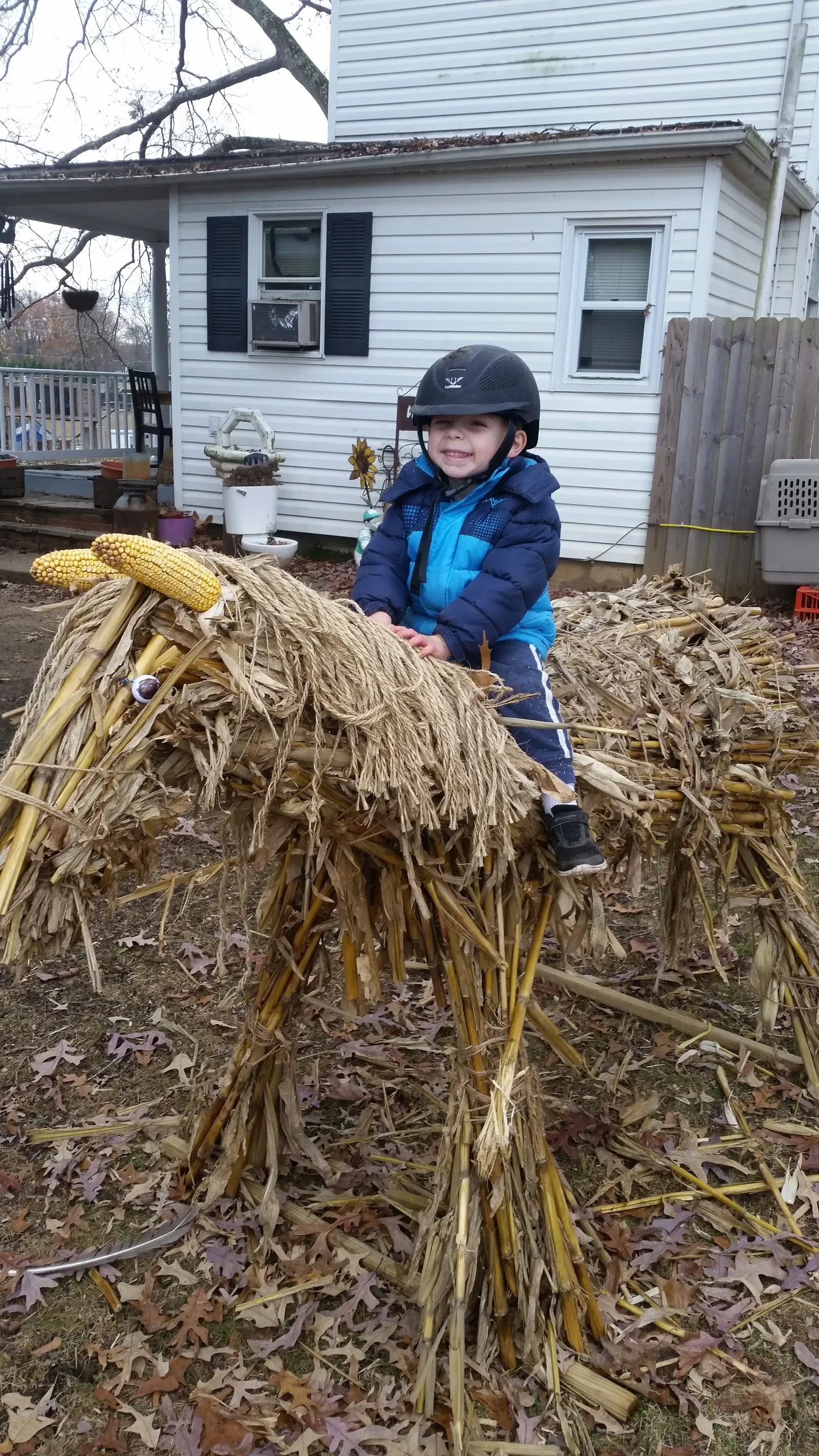
The safest horse on the farm, “Husky,” the corn husk horse!