A Step-by-Step Guide to Safely Introducing Fish into a New Tank
Harper Kelly
Ensuring the Survival of Your New Fish
Once you've purchased fish for your aquarium, the way you introduce them to their new environment can determine whether they thrive or struggle. If you want to keep them alive, it's crucial to acclimate them properly to your bowl or tank. While the process may seem straightforward, there are several key actions that can significantly impact their well-being.
Spending about 15 minutes to introduce fish correctly increases the likelihood that they will adapt successfully, while also reducing the risk of introducing illness to any fish you already own.
Introduce Fish Gradually
It's best not to put more than two or three fish into the tank at one time. If you're set on adding more, plan a return trip to the store in two weeks to pick up the rest.
Minimize Travel Time
The moment you've bought a new fish, head straight home. Avoid making additional shopping stops while the fish waits in the car. The small bag contains a limited supply of oxygen, and its temperature can shift far more rapidly than that of a 10-gallon tank. Also, double-check that you haven't bought more fish than your tank can accommodate.
A speedy trip home cuts down on stress caused by sudden temperature swings or oxygen depletion. Such stress can trigger diseases that may harm not only the new fish but also burden your entire aquarium. To give your fish the best chance, make the pet store your final errand before returning home.
Keep the Bag Sealed
Leave the bag closed and first equalize the water temperature between the bag and the tank.
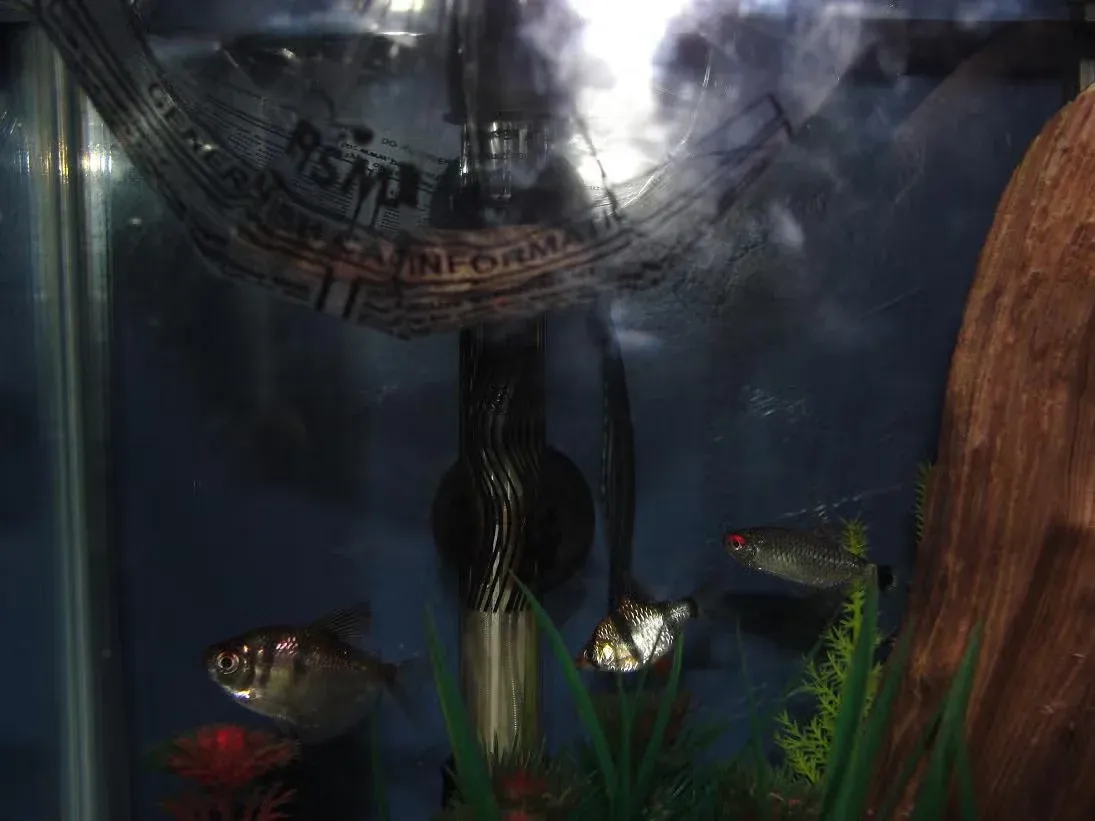
Let the bag float on top for 15 minutes
landocheese
Match the Water Temperature
After you get home, float the unopened bag in your aquarium water for a minimum of 15 minutes. This allows the water inside the bag to slowly adjust until its temperature matches that of the tank or bowl.
A gradual shift is gentler on the fish and eases the transition, especially regarding temperature differences. Meanwhile, your existing fish may provide some entertainment as they investigate the unusual bag drifting at the surface.
Stay attentive to your new fish. If you leave it in the bag too long or forget about it, oxygen levels in the bag can drop, potentially harming or killing the fish.
Transfer Only the Fish
Do not pour the bag's water into your tank; ensure that only the fish enter.
Introducing Fish to the Tank
Now comes the moment to place the fish in the tank, but proceed with caution. Under no circumstances should you dump the pet store water into your clean aquarium or bowl. That water could carry diseases you want to avoid.
To introduce a new fish properly, use a small net to lift it from the bag and gently release it into the tank water. This way, the bag water stays out of your tank.
After adding all the fish, you can dispose of the pet store water by pouring it down the drain.
When to Offer Food to New Fish
Wait at least one to two hours after adding new fish before feeding them. This gives them time to calm down and adjust to their new environment so they are more likely to eat. It also lets the other fish become familiar with them.
Feed as you normally would, providing only as much food as all the fish can consume within a few minutes. If they don't eat well initially, don't worry. They will likely be ready at the next feeding.
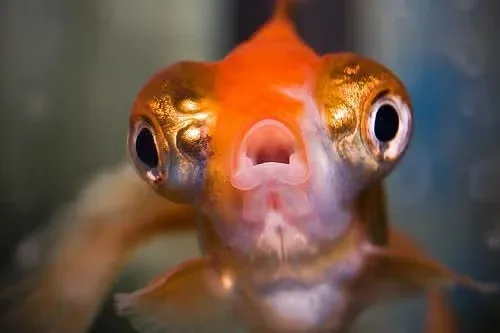
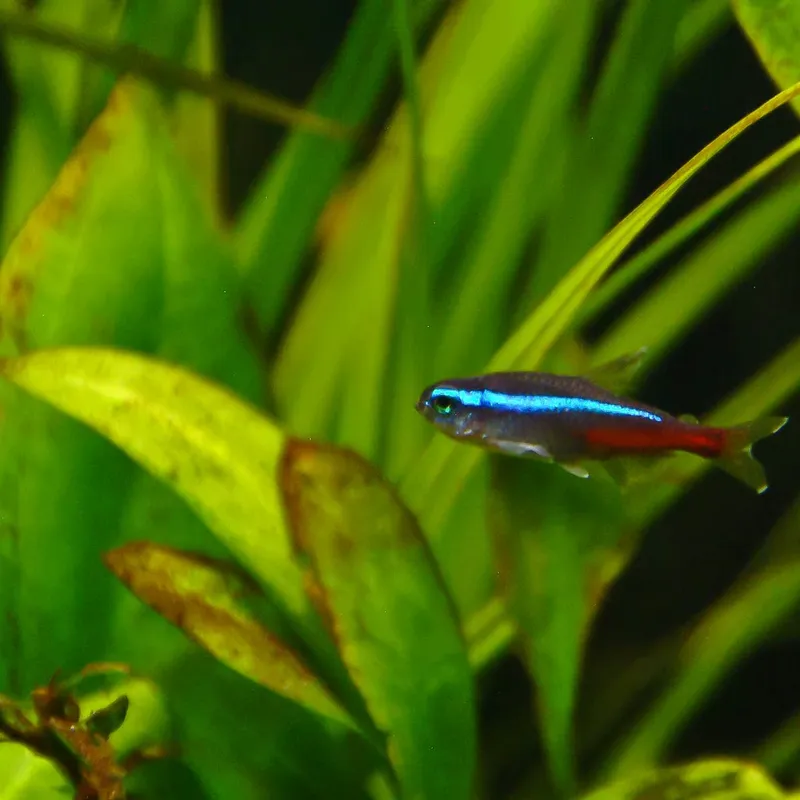
This is the happy face of a fish that was acclimated to his tank properly.
Benson Kua via Flickr, CC BY-SA 2.0
Recap for Adding Fish
To keep your new fish alive, remember these steps:
- Limit additions to no more than three at a time.
- Return from the store without delay.
- Match the water temperature in the bag before opening it.
- Introduce only the fish, discarding the store water.
- Wait a couple of hours before feeding.
By following these simple guidelines for acclimating fish to their new home, you greatly improve the odds that they will adapt successfully. Best of luck with your new aquatic pets!