Seven Child-Friendly Fish Species and Key Aquarium Care Advice
Toby Howard
I can still recall the day I brought home my very first fish. It was an angelfish, acquired from a local pet shop owner who accepted my two small hamsters as a trade. Since I was allergic to the hamsters and eager to find them a new home, swapping them for a fish felt like a fair deal to me.
Fish make wonderful pets for children, offering plenty of chances to explore and learn. With their diverse sizes, colors, and shapes, they can really fire up a young imagination. It might sound odd, but I find being in a room with a well-kept aquarium very soothing. The gentle sound of the water pump is calming as well.
Related: 8 Fish To Avoid in Beginner Aquariums: Difficult Species
Fish Care Fundamentals
Fish are fantastic, but they are not like typical pets and can easily be forgotten once the initial excitement fades. That means you will need to discuss with each child what it takes to care for a pet. Who will handle feeding? Who will clean the tank or bowl? Who will clean the filter? Setting up an aquarium at home takes some time to get used to.
After you have decided to go ahead, a few other general choices await you: Do you prefer a freshwater or saltwater tank? Saltwater tanks, also called marine tanks, are considerably more involved to set up, manage, and maintain.
Selecting the Right Aquarium
Another thing to think about is the size of the tank. Will you go with a 10-, 20-, or 25-gallon tank? Your budget and the space in your room will determine what suits you and your child. Keep in mind that a larger tank means more cleaning.
Lighting and a Water Filter Are Usually Needed
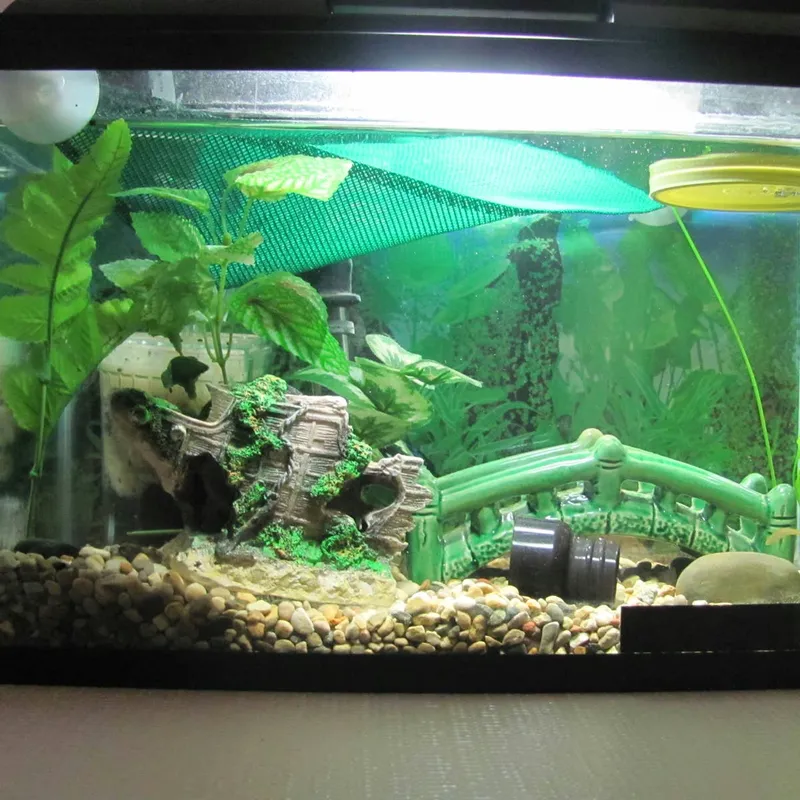
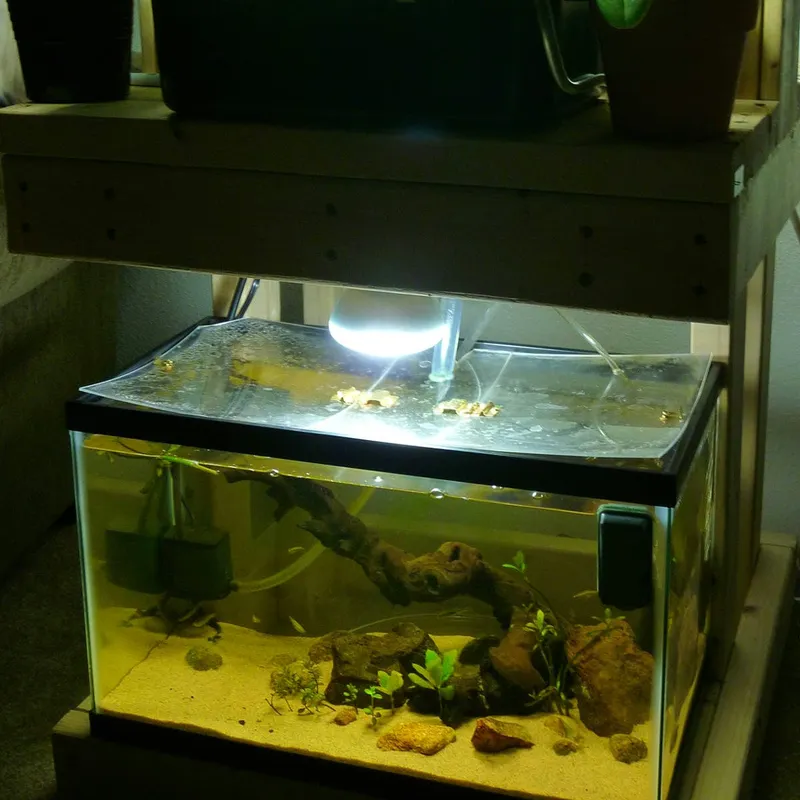
Gravel, plants, and other decorations give fish places to hide and feel at ease. Live plants are really neat, but they need extra attention. A light and water filter are essential to keep the tank clean.
Related: Tropical vs. Cold Water Fish: A Beginner’s Guide
Top 7 Fish for Kids
These fish can make excellent pets for your children.
1. Molly Fish
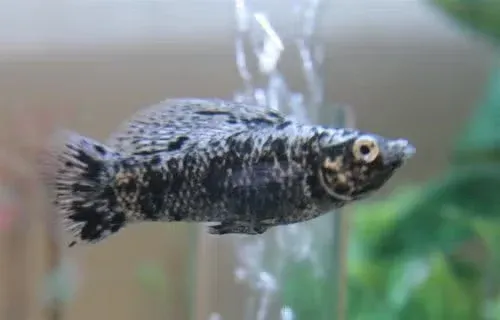
Mollies are colorful and get along well with other fish. They originate from the American South, Central America, and South America, and they are fascinating to watch. They need freshwater tanks that are a bit on the warmer side. They enjoy hanging out and hiding among plants.
Mollies appreciate a little salt, so you can add aquarium salt—but confirm with your pet shop that it is safe for the other fish in your tank.
2. Platy Fish
Peaceful platies come in a variety of colors, including red, blue, and black. They often appear in gold as well, which leads to them being mistaken for goldfish. Sometimes called moonfish, they are very active. They also breed easily and quickly, and they love to have babies—hundreds at a time, in fact.
3. Angelfish
Native to South America, these beautiful fish are a joy to watch swimming. They are generally peaceful, though some older males looking to mate can be somewhat aggressive. Overall, they are quite docile. When a male and female pair up, they tend to be partners for life and only reproduce with each other.
They usually prefer warmer water. They also need a deeper, larger tank because of their body shape. They can eat fish flakes, frozen fish food, or live fish food.
4. Goldfish
Goldfish are fairly easy to care for, which makes them great for kids. Originally from Asia, these little fish are peaceful and get along with most other fish. They need a freshwater tank and prefer a temperature of about 63 degrees Fahrenheit.
They grow quite quickly and, in doing so, produce a lot of waste, so be sure to invest in a small tank filter. They also like little spots to hide and relax, so add a few items and/or plants to your tank.
5. Guppies
These tiny fish are peaceful and get along with most other fish. They like to be with friends, so try to get a few together. The colorful ones are usually male, while the silver-ish ones are mostly female.
Because they are so small, try to ensure they are not eaten by larger fish in the tank.
6. Blue-Green Chromis (Salt/Marine Water)
These friendly fish usually get along with most other types of fish and with each other. They come in deep shades of green and blue and are very pretty. Native to the Indian Ocean, they require saltwater tanks.
If you do get them, try to get a few, as they prefer to live in schools or groups.
7. Betta Fish
Bright and colorful, bettas know how to draw attention. When two males are in the same tank, it could spell trouble. Males will fight each other until one of them dies, so if you get a few bettas, make sure that you only take home one male.
Be careful with putting these fish with other fish, because they could eat the young of other species. They can also jump out of the water, so if you do get one, then make sure you have a cover for your tank. Basically, they are great when they are alone—but not when they are with other males or small fish.
Related: 300+ Hilarious, Cute and Clever Fish Names
General Tips for Fish
- Fish don’t really like wide swings in temperature. This could happen if the tank is placed by a window and exposed to direct sunlight. It can also happen if the tank is near a vent, heater, radiator, or fireplace.
- Believe it or not, fish can be sensitive to sound, so putting your boom box (do they still make those?) or your television by your tank may not be a good idea. Your good vibes may not be good vibes for the fish. Sure it might fit nicely, but noise has a tendency to stress them out.
- Tap water has chlorine and fluoride in it, which may be harmful to fish, so try to get a pH Kit to help make sure the water is safe for your fish. After cleaning the tank you may have to use your pH kit properly before placing your fish back in the tank.
- Fish waste (through their gills and poop) increase the ammonia levels in your tank, which can kill off the fish, so it is important to be diligent about cleaning. Bacteria live off the ammonia, so check at your pet store for more info.
- Not all fish get along. Some species are a bit more aggressive and territorial. So please check again with your pet store owner or worker to get the skinny on putting certain fish you like together.
- When shopping for fish, make sure you get healthy fish. You can tell which fish are healthy by checking if they are active and alert, have clear eyes, and don’t have any visible sores on their bodies
What To Do When Your Fish Dies
The death of a family pet can be tough on everyone, especially young children.
It happens. The death of a family pet can be tough on everyone, especially young children. However, there is a silver lining in that it might make a great “teachable moment” in your family.
- When a fish dies, we should quickly remove it from the tank, so that it doesn’t make the other fish sick too.
- Oftentimes, they will die because of the quality of the water, so check the PH levels regularly.
- When a fish dies, we often flush it down the toilet. However, many experts don’t like this idea because it can carry illnesses that can spread. Simply bury it or put it in the trash.
In the end, I think fish are great for kids. It also makes a great “test” of their overall responsibilities on whether they can care for a larger and more involved pet, like a dog!
© 2011 whynot1