Belgian Hares: A Storied Past and Their Role as Companion Animals in America
Blake Hall
Introducing the Belgian Hare
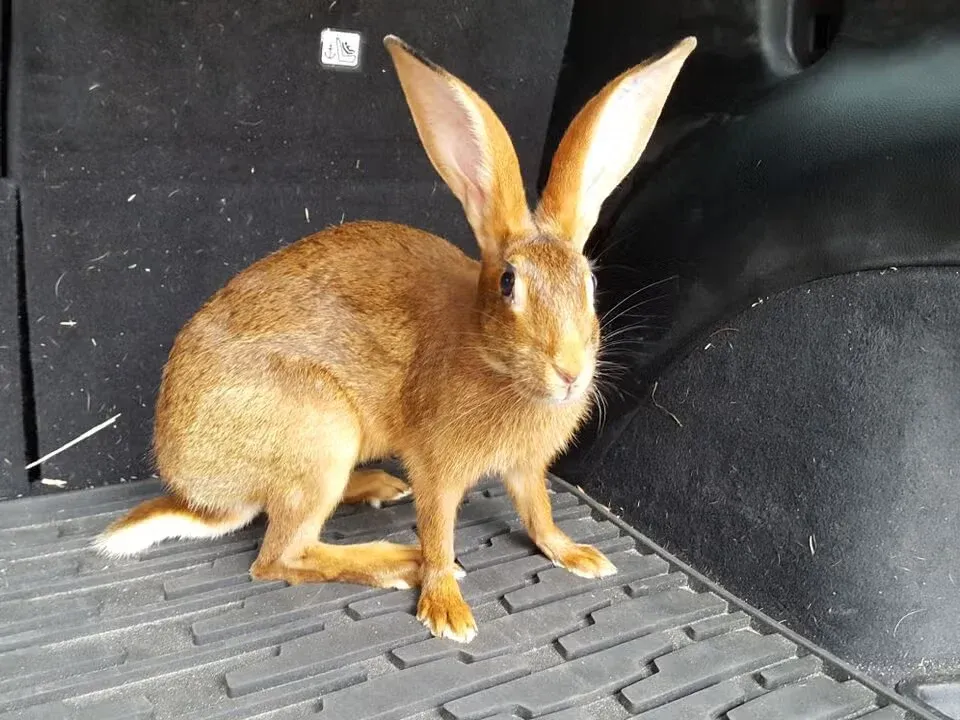
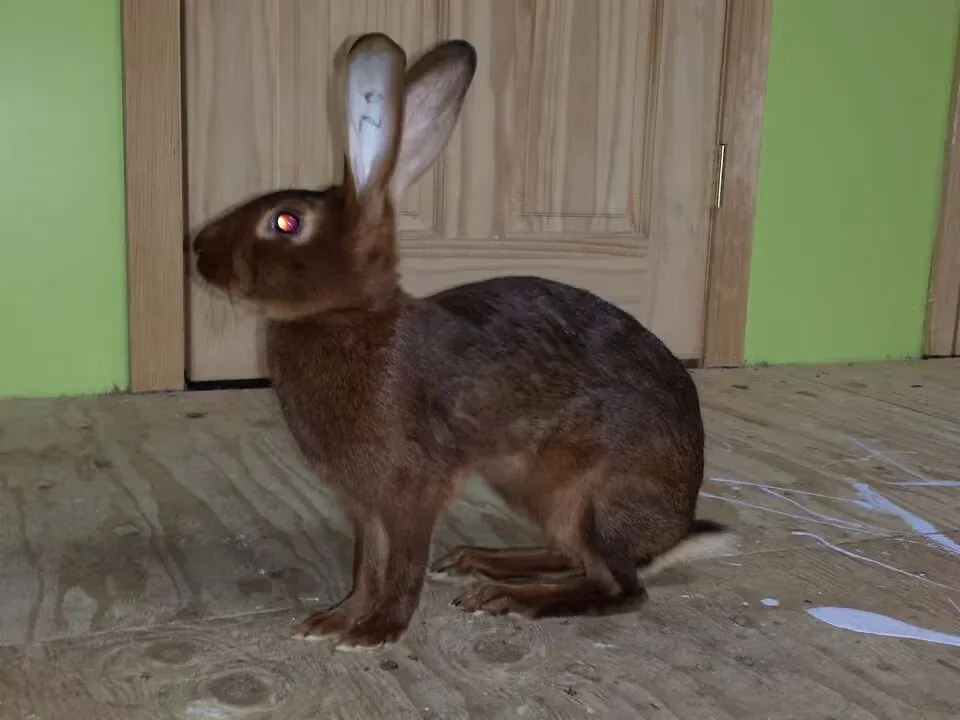
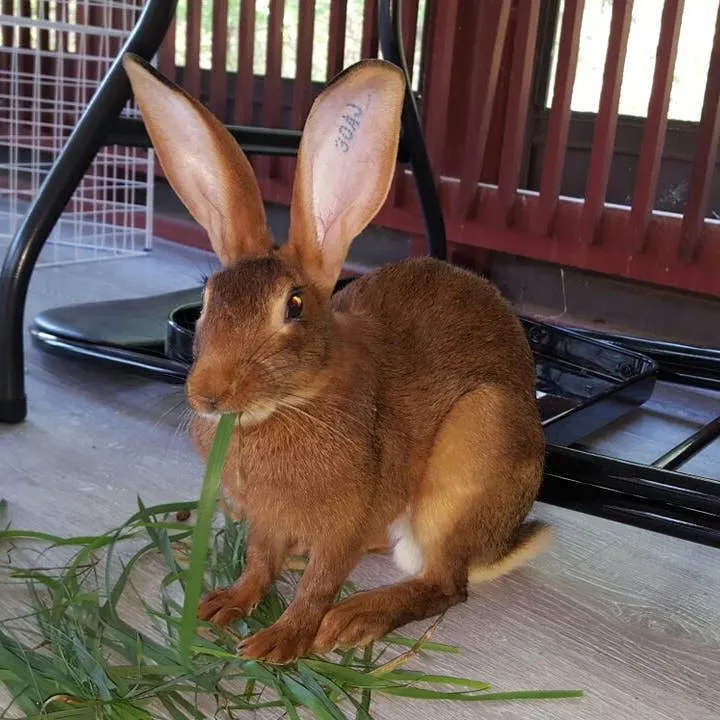
Among rabbit breeds, the Belgian Hare is often regarded as particularly refined. It features upright ears of considerable length, a slender face reminiscent of a deer, prominent eyes, elongated toes that resemble fingers, and the most convex back of any domestic rabbit. Its polished look, combined with nimbleness and swiftness, has earned it the moniker “The Racehorse of Rabbits.”
Yet these rabbits offer more than visual appeal; they are possibly the most intelligent rabbit breed and are exceptionally active physically when compared to more familiar types. Their captivating history adds to their allure.
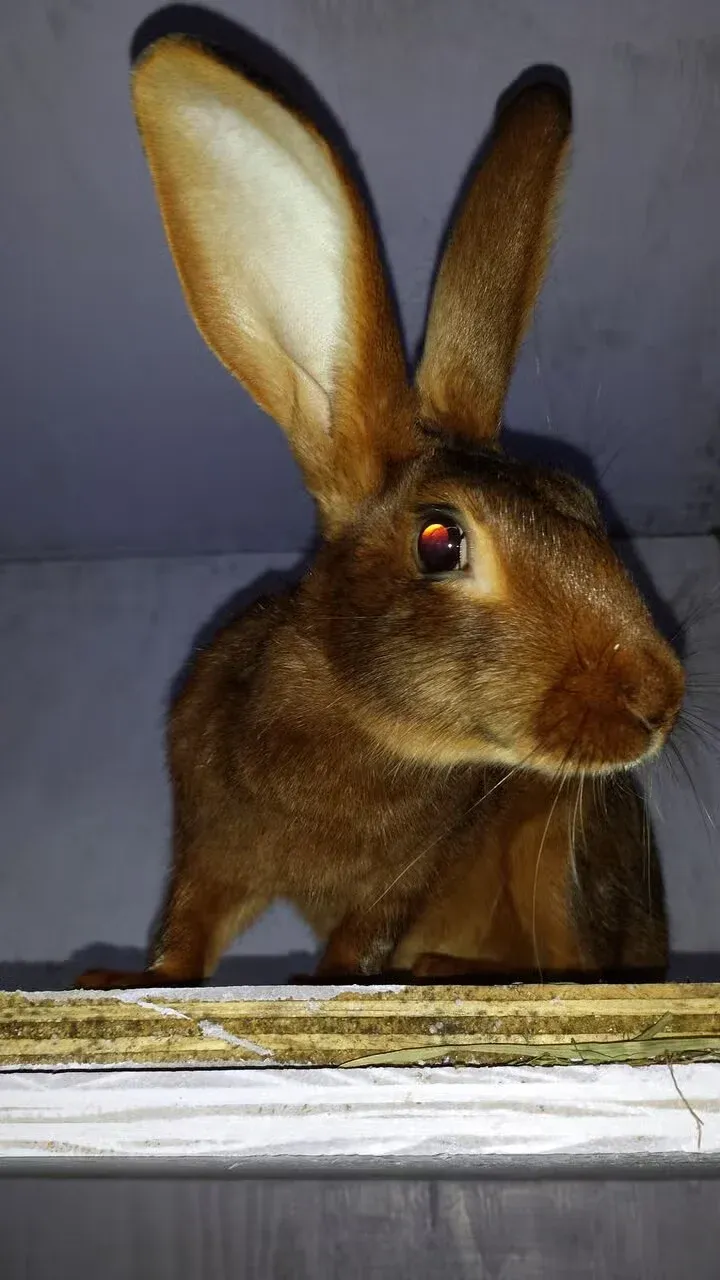
This Belgian hare is curious!
Origins of the Breed
The Belgian Hare was initially created in the 1800s as a source of meat. Early on, breeders in Belgium attempted to cross a rabbit breed that no longer exists, the leporine, with wild European hares. The goal may have been to impart a wild hare flavor to the meat. However, after being brought to England in the late 1870s, the breed began to diverge into two separate types with two separate purposes.
Meat Production vs. Appearance
One line was developed for greater size to improve meat yield; this line became the foundation of the Flemish Giant breed. The other line, which evolved into today’s Belgian Hare, was selected primarily for its looks. Breeders continued to cross them with English wild hares until they closely resembled their wild ancestors.
The Distinctive Ruddy Coloration
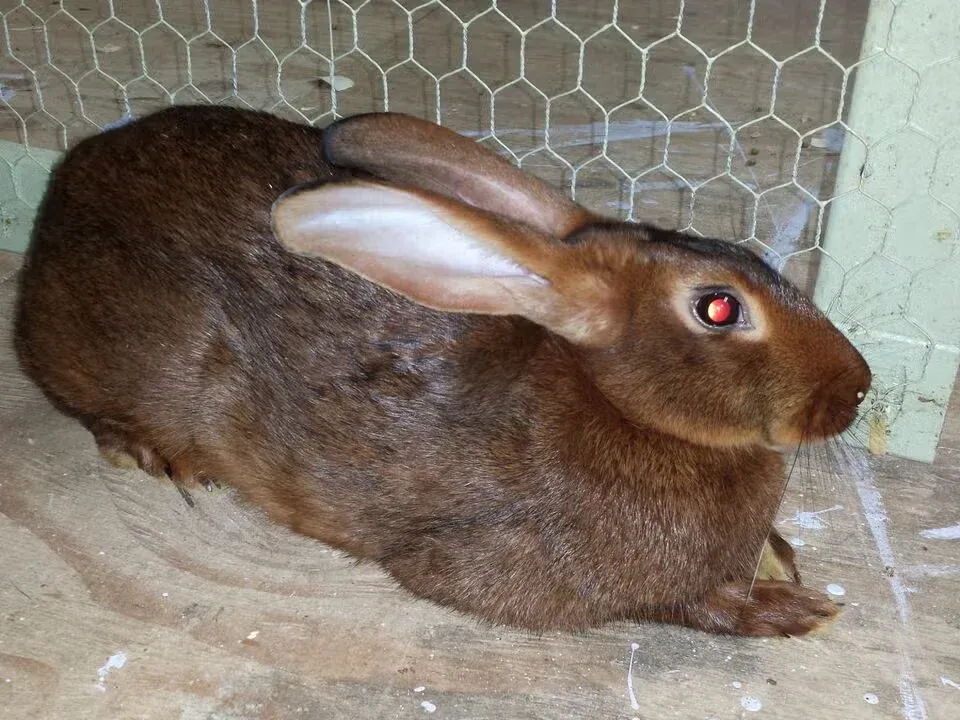
Rabbits with a reddish-brown coat were preferred, and this became the breed’s most identifiable color. This ruddy shade is seldom seen in other breeds and is similar to the ticked pattern of an Abyssinian cat.
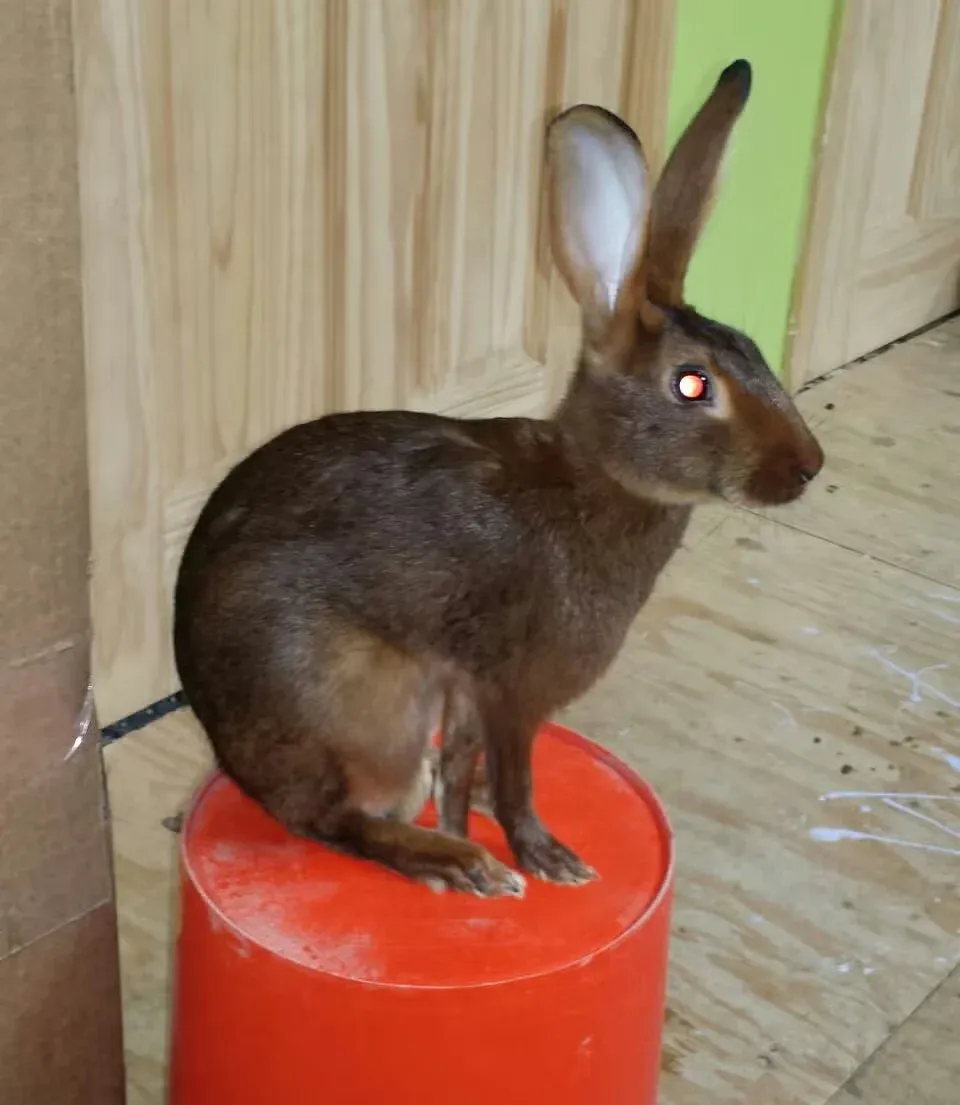
This breed’s agility and speed earned them the nickname “The Racehorse of Rabbits.”
Belgian Hares Arrive in America
Throughout most of its history, the United States raised rabbits almost solely for meat. Pet and show rabbits were virtually unknown when, in 1888, E.M. Hughes brought the first Belgian Hares to the country. He worked with W.N. Richardson and G.W. Fenton to introduce these exotic animals at small livestock exhibitions nationwide and encourage people to keep them.
Progress was slow at first, and the Belgian Hare remained a curiosity until the Great Belgian Hare Boom of 1900. Promotion efforts had gone from a lack of enough people to sustain a single club to more than 600 large rabbitries, each housing 75 to 1,000 animals.
Show Rabbits Commanding High Prices
At that time, two types of hares existed: the practical meat rabbit and the “fancy” exhibition hare, which was much more refined in appearance. The fancy type continued to be bred in the US and imported from Europe.
Hares that won at the highly popular shows sold for extraordinary sums. Many fetched as much as $1,000 per animal, a substantial amount when a laborer might earn only 15 cents a day.
Rise and Fall
These costly animals made the breed the first in the US to gain popularity as pets. They could be found on farms and in homes alike. But by 1917, the boom had collapsed. Too many hares had saturated the market, prices fell, and interest eventually waned.
Industrialized Farming Deals a Blow
Belgian Hares are a high-energy breed that requires ample space to move about and maintain muscle in their hind legs. They also need a solid surface to rest their toes on, or they are highly susceptible to breaking them or developing infections from wearing them down on wire. Most breeders today recommend a cage at least six feet long, two feet wide, and two feet tall.
Hares Struggle in Small Cages
Historically, this type of enclosure was standard on homesteads across the US that raised meat rabbits. But when rabbit breeding became industrialized, most rabbits were housed individually in small wire cages. Hares did not thrive in this environment. In addition to the stress of being unable to exercise and the health issues they faced living on wire, they also suffered mentally and would not breed under such conditions. It wasn’t long before hares became very rare.
Today, the vast majority of Belgian Hare owners are exhibition breeders who are drawn to the sleek appearance but often stop keeping the breed because of its space requirements. They have had difficulty re-entering the pet trade largely because, in the US, even outside industrial farms, keeping rabbits in very small cages is considered normal practice.
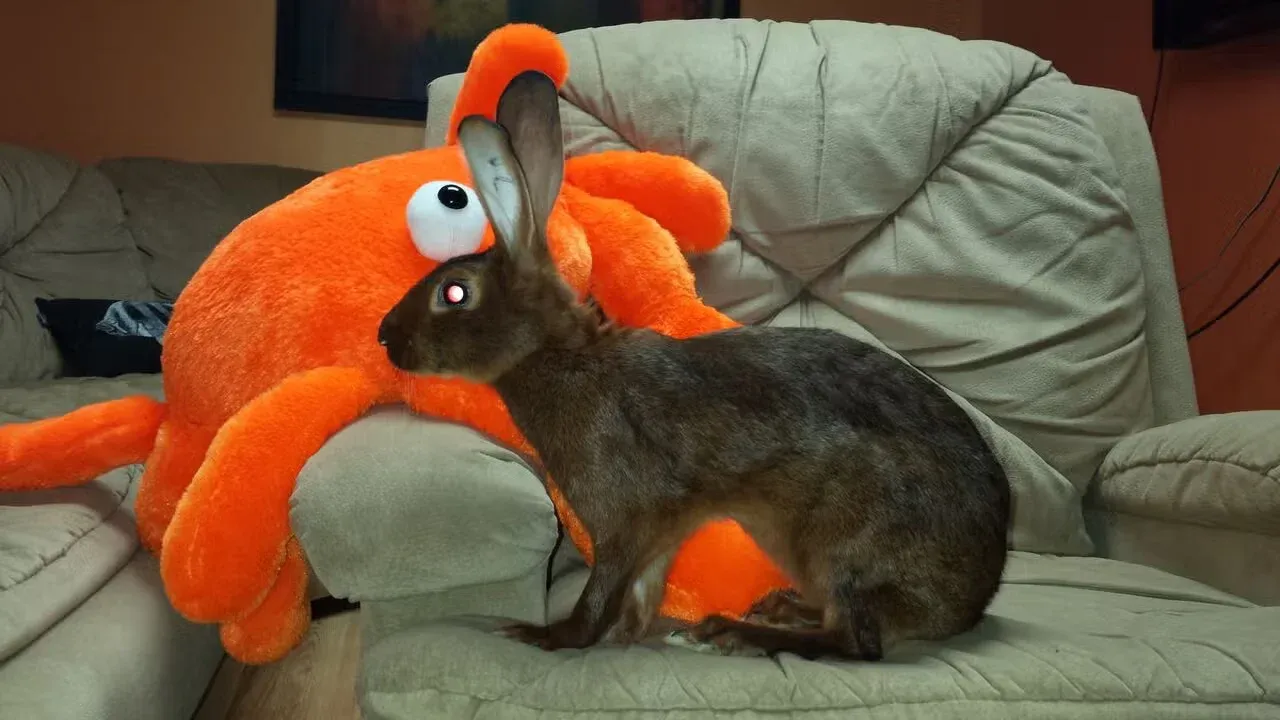
I love to watch my hares bound around the house.
My Three Belgian Hares
However, I have been fortunate to own three of these beautiful animals, and they have all been wonderful pets. My two males were litterbox-trained almost immediately, and I take great pleasure in watching them run at full speed around the house.
Belgian Hares are nearly extinct in the US today. I came across my first one by chance and then spent two and a half years trying to find him a mate, which I had to have shipped. I keep looking for other breeders, but they are harder to find than a needle in a haystack if you’re not part of the show world.
Hares in the US vs. Europe
Sadly, in the US, Belgian Hares now come in only one recognized color, ruddy, and suffer from inbreeding. Their lifespan in Europe remains the highest of any rabbit breed at 7–10 years, while in the US it is actually shorter than most rabbit breeds at around 3–4 years. European breeders have four recognized colors: Ruddy, White, Black, and Black & Tan.
Personally, I hold hope for importation to expand the bloodlines and regain health and vigor. In the meantime, I am an advocate for Belgian Hares as pets and larger enclosures for all rabbit breeds.
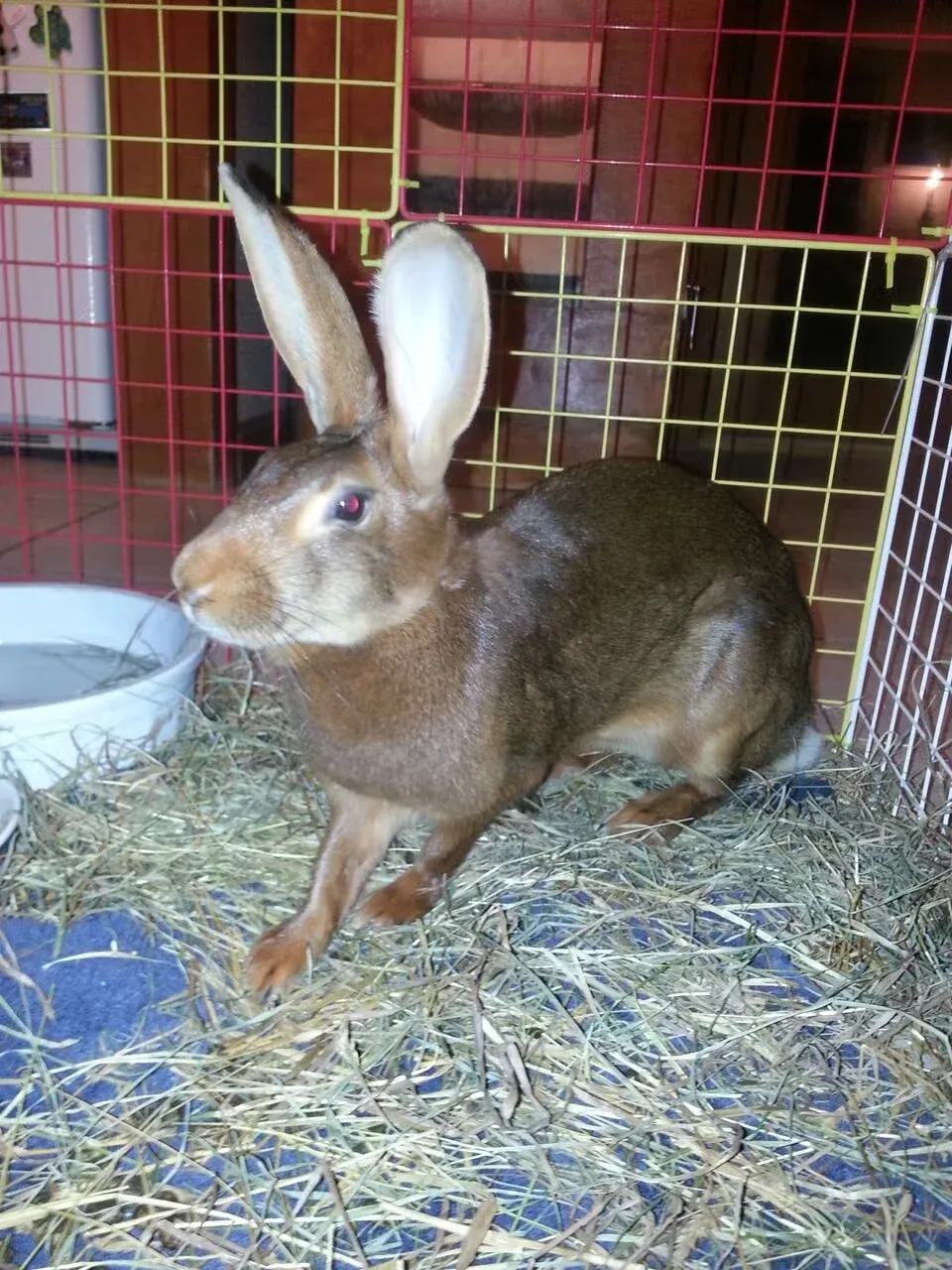
Hares are extremely easy to potty train.
Personality of the Belgian Hare
Hares are a very energetic breed and, in some cases, can be stressed by loud noises and changes in their environment. This means that certain sensitive individuals can be at risk of dying from shock due to any of these circumstances.
That being said, mine got used to dogs barking, power tools, and loud music without a problem. They do startle pretty easily, though, and if they are running free, this could mean a lost rabbit pretty fast! They are extremely quick and can get very far ahead of you in the blink of an eye.
Intelligent, Affectionate Companions
They are, however, extremely smart animals, usually very easy to litterbox train. They learn their names quickly and can be trained easily for jumping competitions or to do other tricks. If they’re handled when young, they make for exceptionally affectionate pets. As with most rabbits, they also make for quiet companions. I have found mine all have a different sense of humor and are quirky and individualistic.
Having had many breeds of rabbits over the years, I have found these Belgians to be almost completely different. I compare owning them more to what it’s like to own a particularly odd cat. My current male, for instance, can jump up onto tables. I am really not sure how he does this; there’s a small possibility he’s learned how to fly, but there he is, sitting there staring at me from the table!
Health Concerns
Belgian Hares in the US suffer from a series of health conditions. First, their delicate feet are prone to broken toes and bumble foot infections and need to be checked routinely for these issues. And since their backs are so arched and their energy level is so high, they can suffer from broken backs if they flip out and twist while running. And hares, like any rabbit, can sometimes have misaligned teeth that will need trimming if they can’t grind them down on their own.
Degenerative Disorders
Degenerative spinal disorders are also known to affect some lines. This usually causes older bucks to slowly lose control of their hind legs and, eventually, their bladder and bowel. If allowed to continue, this disorder usually ends in death from sepsis when they lose the ability to poop.
There is work being done by breeders to figure out if this is a genetic issue (which I suspect from breeding fancy rats who showed up with the same problem years ago) or if it is just inherent in the whole breed.
Spaying and Neutering
They are notoriously hard to breed for many reasons, and I wouldn’t suggest spaying or neutering simply because the stress would likely be detrimental to them. Between strange smells, a stressful environment, dogs barking, and the possibility of reacting badly to the anesthesia (a risk all rabbits have), I wouldn’t personally risk it.
Temperature Sensitivity
Finally, Belgian Hares do poorly in excessively hot weather and can die of heatstroke pretty quickly. I’m honestly not sure how they fare in the cold, as I haven’t had to deal with the issue myself. With all this being said, most of their health concerns can be taken care of just by knowing what to look for, and I wouldn’t avoid the breed just for these issues by any means.
Photos of My Belgian Hares