A Practical Guide to Encouraging Your Parrot to Speak
Toby Howard
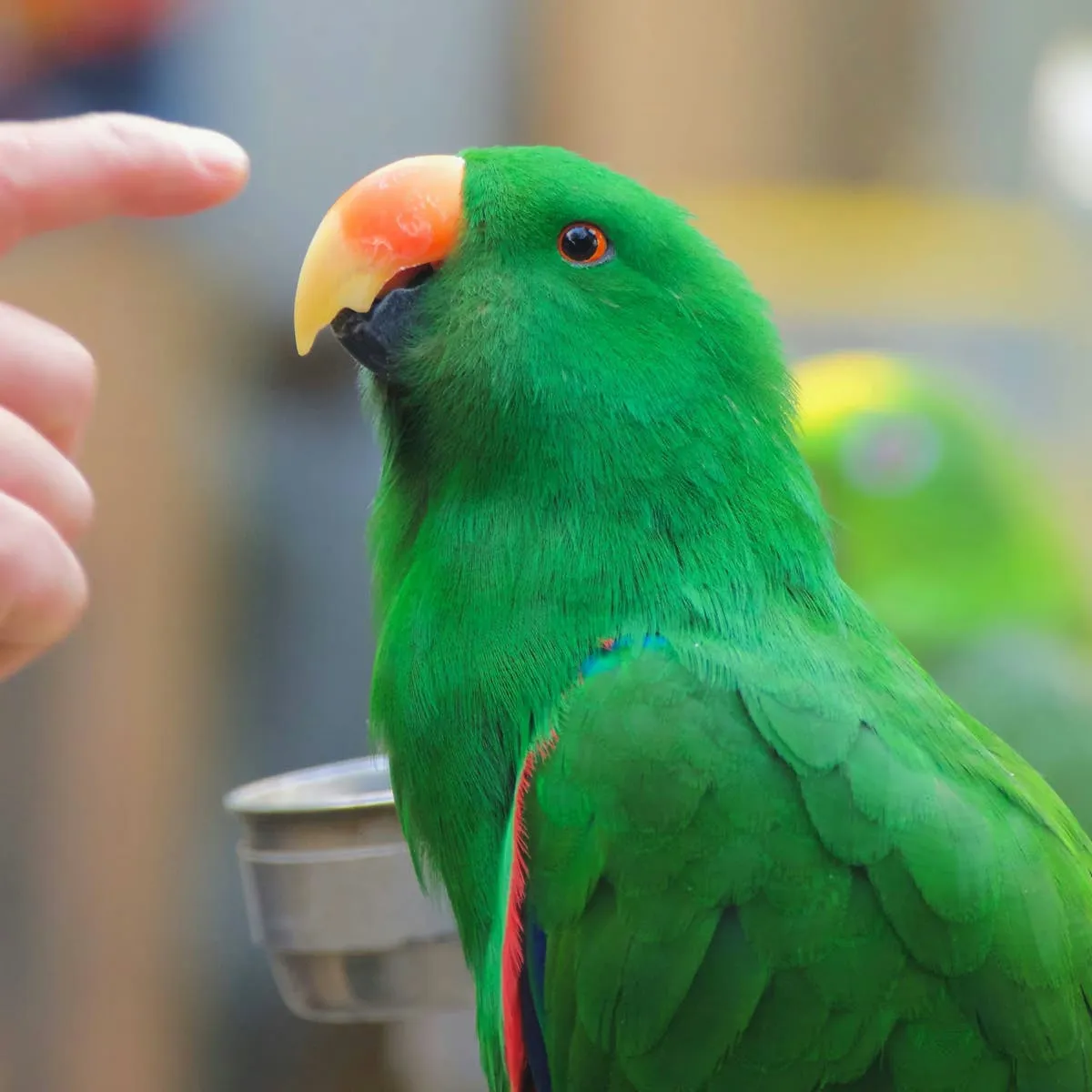
Parrots captivate with their vivid eyes and striking feathers, and they reveal their personalities through distinctive body language and actions. Even more fascinating, certain parrots can acquire human speech, using words and phrases from their surroundings to interact with their caretakers.
Some parrots pick up talking without any help, while others become proficient when their owners actively work with them to nurture that skill. Yet others learn through structured avian speech-training techniques.
Related: Spiritual Meanings Behind Why Birds May Be Appearing in Your Life, According to an Expert
Top Talking Parrot Species
African Greys and Amazon parrots rank among the most skilled talkers. These birds often learn numerous words and sentences and can use them in impressive ways—employing language to connect with their human companions by posing questions, identifying specific people, objects, or locations, counting, keeping time to music, making requests, and conveying their needs or even feelings.
Macaws and cockatoos can pick up a few words or short phrases, but they are not typically regarded as the best talkers. Naturally, there are exceptions, and success largely hinges on the individual bird, its natural inclinations, and the amount of time the owner devotes.
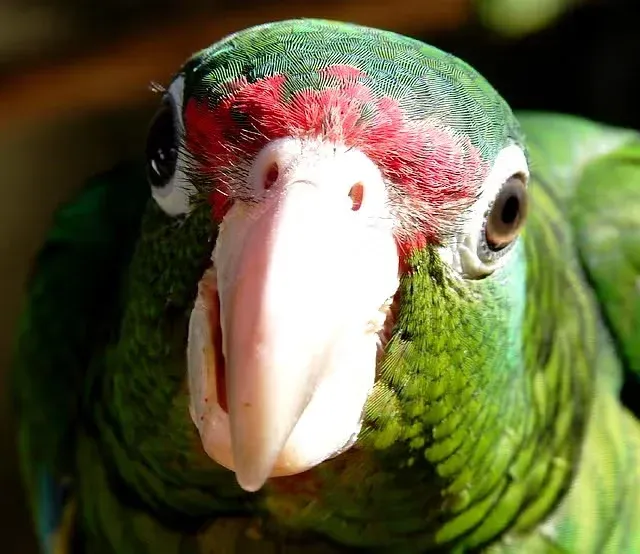
A parrot carefully observes and learns, and you can teach it to converse with you.
Pablo Torres of U.S. Fish and Wildlife Service Southeast Region
Avian Speech Training at a Glance
These are the most effective ways to encourage your pet parrot to talk.
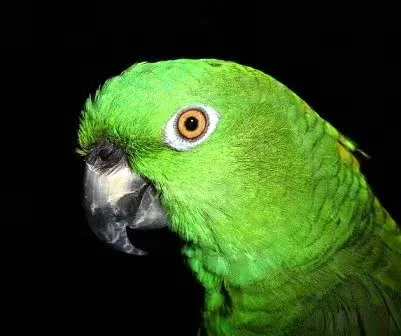
Polly wants a cracker, and Polly can be taught to ask for one! This is an Amazon parrot.
Pixabay
1. Start Early
Bird owners should begin speech training as soon as they can. A young parrot will attentively listen to sounds around it and try to imitate them.
2. Set a Good Example
Teaching a pet parrot to talk begins with modeling the right behavior. Use simple words and repeat them consistently so your parrot links those words to specific foods, objects, or situations.
For instance, each morning you could greet your bird with “Hi” or “Good morning.” Your parrot takes cues from you because you are a “flock member,” so it will absorb and copy the routines you establish, including the sounds in its environment.
A useful guideline: if you want your bird to learn to talk, talk to it frequently.
Simple Words Are Building Blocks for Sentences
Once a parrot masters simple words, you can expand on them. A single word like “Hello” can become part of a short sentence: “Hello, pretty bird.”
Related: Stunning Eclectus Parrot Blows People’s Minds With Her ‘Eyeliner’ and Fluffy Feathers
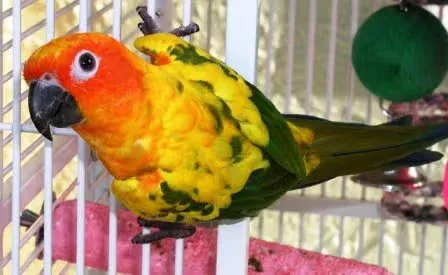
Capture your bird’s attention by making your words sound interesting and musical.
Pixabay
3. Use Expression When You Talk
Parrots are inherently musical and express this through whistles and songs.
When teaching a pet parrot to talk, owners can grab their bird’s attention by making words sound interesting and musical, using intonation and expression. This brings words to life and makes them more intriguing and compelling. Saying “Want a COOKIE?” with enthusiasm will spark your bird’s curiosity. We’ve all had to sit through a monotone lecture and remember how bored or sleepy we felt. Your feathered friend is no different.
If you are enthusiastic when you speak, your parrot will often repeat words with similar gusto once it learns them. Parrots are expressive and love to show it. For an owner, hearing a parrot speak with enthusiasm and intonation can be a delightful experience.
4. Be Patient
While learning to talk, a young parrot will produce various whistles and squeaks and should never be punished for these noises. Some are innate sounds parrots naturally make, but a parrot will also experiment, listening carefully to sounds in its environment and then trying to replicate them.
What may seem like “noise” could actually be a bird attempting to match its own sounds to those it hears. Allow your bird that freedom to experiment, and soon you may be rewarded with words or sentences.
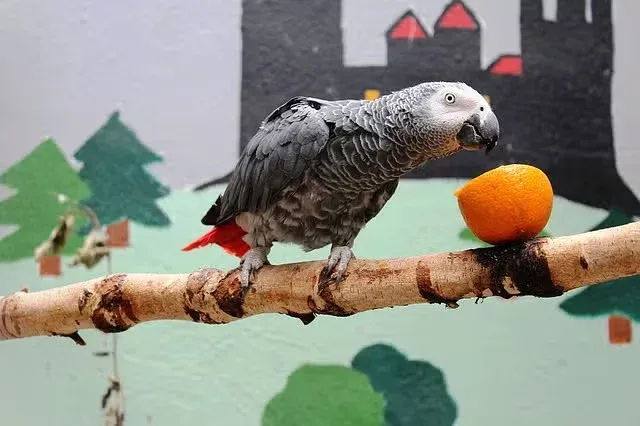
“Want an orange?” Each time you give your parrot a certain food, say what it is.
Pixabay
5. Use Word Association
Owners can train a parrot to talk through word association. For example, food treats can help a parrot learn to talk. While giving a parrot an orange, the owner could say, “Want an orange?” This helps the parrot link the word “orange” with the specific food it receives. If it enjoys a certain food, it associates pleasure with that word and will be encouraged to use it again to repeat the experience or request that food.
One Taste and Bailey Nailed It
My African grey parrot, Bailey, was a fast learner. I brought him orange juice and said, “Want some orange juice?” I didn’t think more about it but soon learned how much Bailey had enjoyed his new drink. The next morning, I heard Bailey asking, “Want some orange juice?” He had enjoyed it so much the day before that he quickly associated the new word he heard me say with his tasty drink, and now he wanted more.
Related: Parrot Singing About Being a ‘Bad Boy’ Will Make You Erupt With Laughter
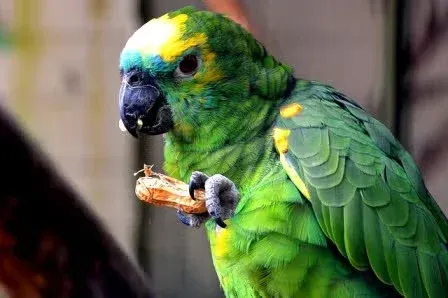
Reward your parrot when they ask for a treat on their own. For example, give them a nut when they say “Nut!”
Shutterstock
6. Provide Positive Reinforcement and Rewards
If a parrot asks for a nut on its own, owners should reward the bird with positive reinforcement and give the requested item.
This way, the parrot comes to associate words with rewards, making learning to talk a positive experience.
When a bird learns it can use words to get its needs met, it is encouraged to continue learning how to use human language to communicate with its owners—not only for social needs but also to actively communicate.
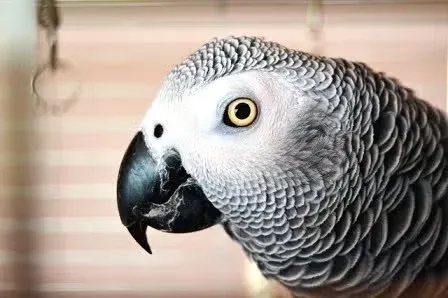
A parrot should be near you, not routinely kept in a separate area of the house.
Pixabay
7. Keep Your Parrot Close to You
Location is crucial for fostering avian training. This may seem obvious, but if you want your parrot to learn to talk and communicate with you, your bird should be near you during its waking hours. Surprisingly, some owners complain that their bird never talks—only to later discover that the bird spends its days alone in a bedroom or even on a different floor of the house.
A parrot should be in close proximity to its owners so it can absorb daily household sounds. Its cage and any tree perch or play stand should be placed in an area where the family spends most of its time.
Shutting a bird away in a separate part of the house for long periods will not foster talking ability and could lead to other problem behaviors. When training a parrot to talk, working with its flocking instincts is a good strategy to encourage vocalization.
Household Sounds and Avian Talking
It could be said that a companion parrot is like a sponge, soaking up sounds in its immediate environment. This is evident in how parrots also imitate common household sounds: the door squeaking, the microwave beeping, water running, a kettle whistling, a dog barking, the phone ringing, the answering machine. So it’s clear why close proximity is essential if you want your parrot to become a fluent talker.
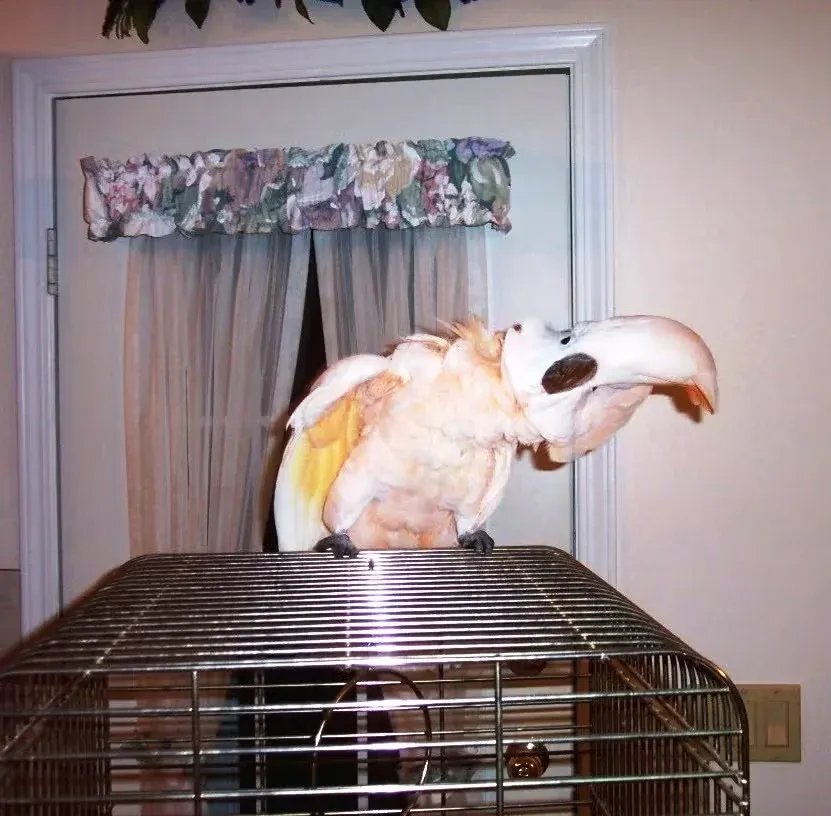
Cockatoos can learn a few words or even some short sentences.
Athlyn Green
8. Train Your Bird During Optimal Talking Times
Parrots tend to be more vocal in the mornings and evenings. When teaching a pet parrot to talk, training sessions should be started when the bird is naturally receptive and expressive.
Respect your parrot’s natural behavioral rhythms, including being sensitive to its wanting and needing to interact, needing time to eat and play, needing quiet time, and needing time to rest. Sometimes, just like humans, parrots have an off day and may need time to recharge and recover from over-stimulation, over-tiredness, or stress.
For the best results, when attempting to teach a parrot to talk, do not try to fit “talking sessions” around your schedule. Rather, fit your schedule compassionately and reasonably around your parrot’s natural routines.
Related: Tiny Parrot Learning to Wave and Say ‘Hi’ Is the Cutest Thing You’ll See All Week
9. Combine Words With Actions
A good avian speech training strategy combines words with actions. When returning a bird to its cage for the night, an owner could say, “Night, now.” This conditions the parrot to associate this routine action with these words.
A Word of Caution
Parrots tune in to words spoken with emotion and will copy angry outbursts, yelling, or crying. A parrot will readily master colorful expletives and curse words and won’t hesitate to use them at the most inopportune moments, such as when company or the local minister is visiting.
Time and Effort Lead to Rich Rewards
Teaching a pet parrot to talk takes time, effort, and love, but most parrots, with the right encouragement, eventually produce words or sentences. Hearing a parrot give a greeting, ask for a toy, form a unique sentence on its own, or communicate its feelings is truly an unforgettable experience.
This article is accurate and true to the best of the author’s knowledge. It is not meant to substitute for diagnosis, prognosis, treatment, prescription, or formal and individualized advice from a veterinary medical professional. Animals exhibiting signs and symptoms of distress should be seen by a veterinarian immediately.
© 2017 Athlyn Green
1. Start Early | 4. Be Patient | 7. Keep Your Parrot Close to You |
2. Set a Good Example | 5. Use Word Association | 8. Train Your Bird During Optimal Talking Times |
3. Use Expression When You Talk | 6. Provide Positive Reinforcement and Rewards | 9. Combine Words With Actions |