Bringing Home a Feathered Companion: A Guide to Choosing and Caring for a Pet Bird
Blake Hall
Is a Pet Bird Right for You?
If you're contemplating adding a bird to your household, there are several key questions to ponder beyond just the species:
- What level of commitment does this require?
- Where will the bird be housed?
- Who will be responsible for its daily care?
- What financial costs are involved?
- Should you bring home one bird or two?
This guide offers advice on adopting a bird and what to anticipate when you bring it home.
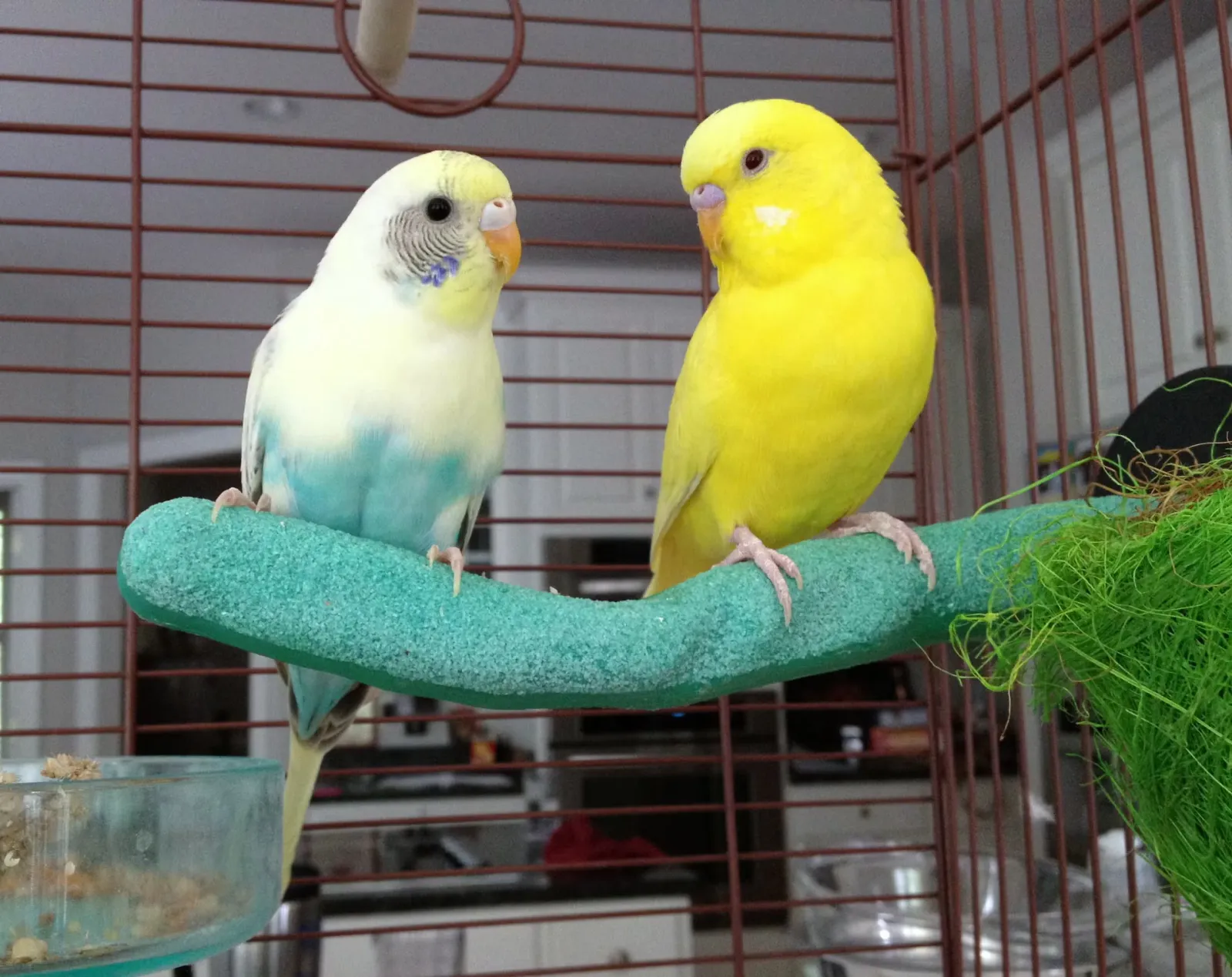
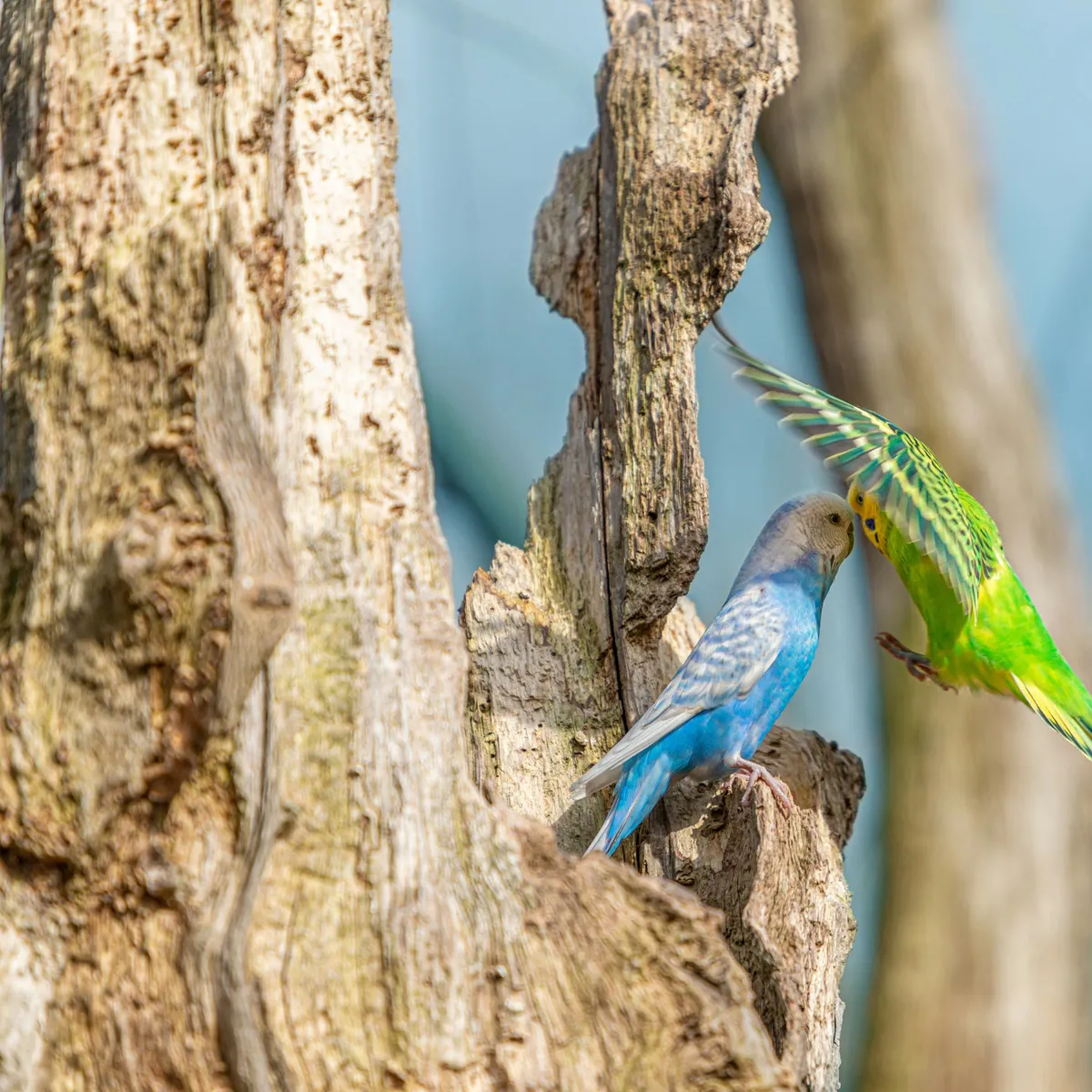
How to take care of a bird. “Marshmallow” and “Lemon” are small pet parakeets.
Sarah Johnson
Understanding Avian Lifespans
Before choosing a bird, consider how long it might live. Are you prepared for a 10-year commitment or a 75-year one? Small birds like parakeets often live 10–15 years, while certain parrots can outlive their human companions.
Selecting Your Bird
Pet birds are usually sold singly or in pairs. A single bird is more likely to form a strong bond with you, whereas two birds may bond primarily with each other and pay less attention to you.
A Personal Anecdote: Lemon and Marshmallow
That's why my daughter chose a single parakeet, naming her Lemon for her bright yellow feathers. They bonded, and my daughter had some success with training. However, after a year, she decided to get a second parakeet—a white one she called Marshmallow. The two birds became inseparable, and while Lemon became less interested in my daughter, she seemed happier overall.
Spotting a Healthy Bird at the Store
After deciding on the type of bird, visit a pet store and observe the birds' appearance and behavior. Healthy birds are active and alert. Check that their feathers are bright and clean, their eyes are clear and free of discharge, and their beaks are also free of discharge. Many pet stores offer a two-week return policy, so if a bird appears ill or doesn't fit well, you can return it.
Assessing Personality
Spend time watching how the birds behave. Is a particular bird quiet and still, or is it noisy and climbing around the cage? Smaller breeds tend to be more active, but observing them for a while can give you a better sense of their temperament.
My daughter picked Lemon because she was a stunning yellow bird with cute white cheeks. But Lemon wasn't playful and ignored most of her toys. She was a “talkative” bird, though, and seemed healthy and content. When we got the second bird, we looked for one that was more active. Marshmallow was clearly the “crazy” one at the store—flying around and playing with all the toys. Now that she's part of the family, she's taught Lemon her tricks, and they have a great time together.
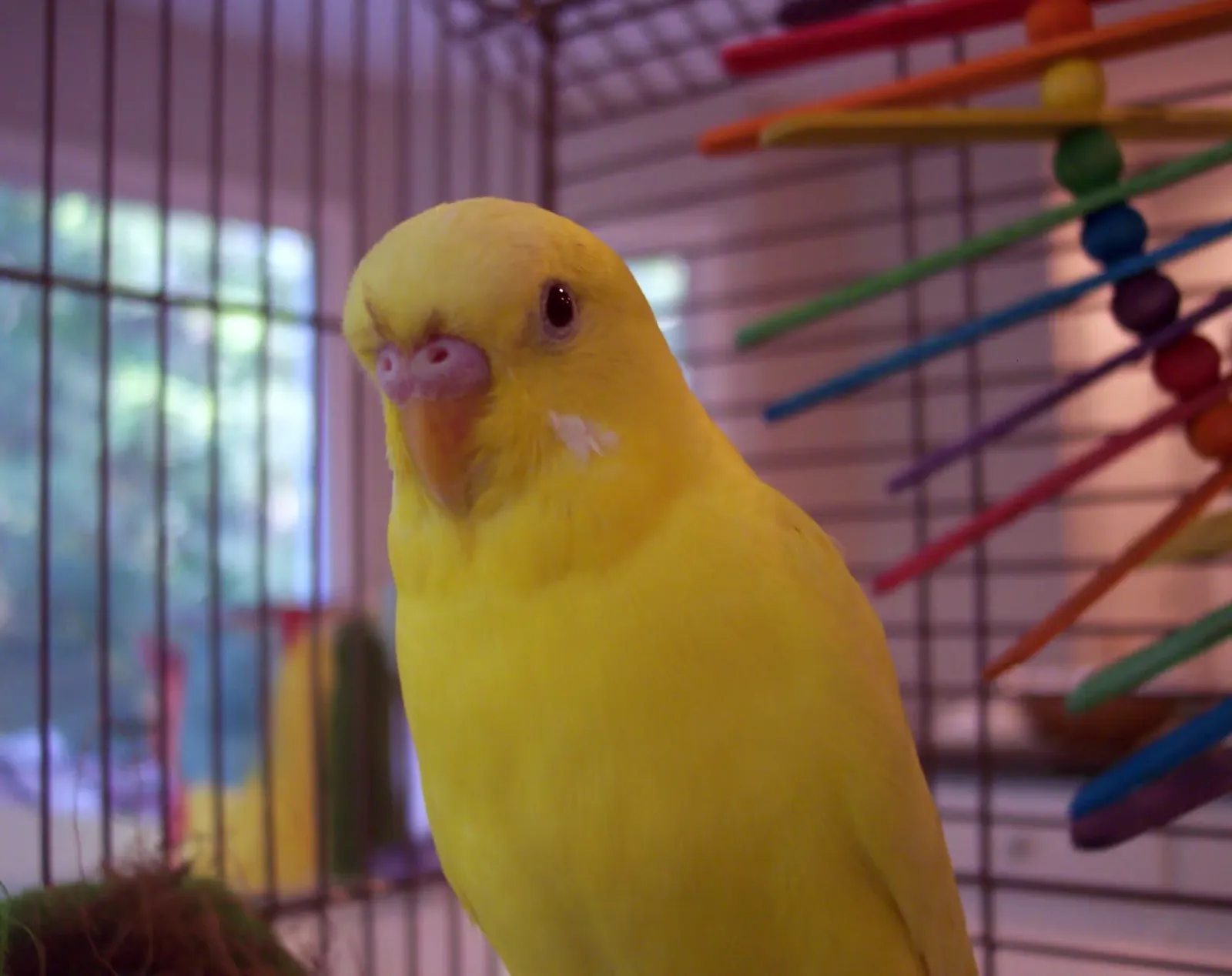
“Lemon” was not a very active bird until another bird was added to her cage.
Sarah Johnson
Housing Your Bird
You'll need a cage and a safe location for it. The cage should be out of direct sunlight and away from drafts. If you have other pets, place the cage where cats or dogs won't disturb it.
We keep our birds in a central area between the kitchen and breakfast room. Remember, birds are noisy, messy, and can have an odor. Even with regular cleaning, there's often a bird smell and scattered feathers and seeds. Every morning, we change the newspaper lining the cage bottom and sweep up debris with a small dustpan and brush.
Essential Bird Supplies
When you buy a bird, pet store staff can help you choose the right cage and supplies. Birds range in price from about $15 for a parakeet to hundreds for larger parrots. Basic supplies include:
- Cage
- Food and water bowls
- Toys
- Mite/lice spray or container
- Vitamins
- Food
Daily Care Requirements
Adopting a bird means committing time to its care. Most birds crave attention and won't thrive if ignored. Finches and canaries are exceptions—they typically don't interact with people and dislike being handled. They're happier with other birds, so it's best to get them in pairs or groups.
To care for your bird, you'll need to:
- Refresh food and water daily
- Clean the cage regularly
- Prevent mites (using sprays or hanging containers)
- Provide vitamins (sprinkled in food or water)
- Train if desired
- Cover the cage at night
- See an exotic vet if illness occurs
- Give affection and attention
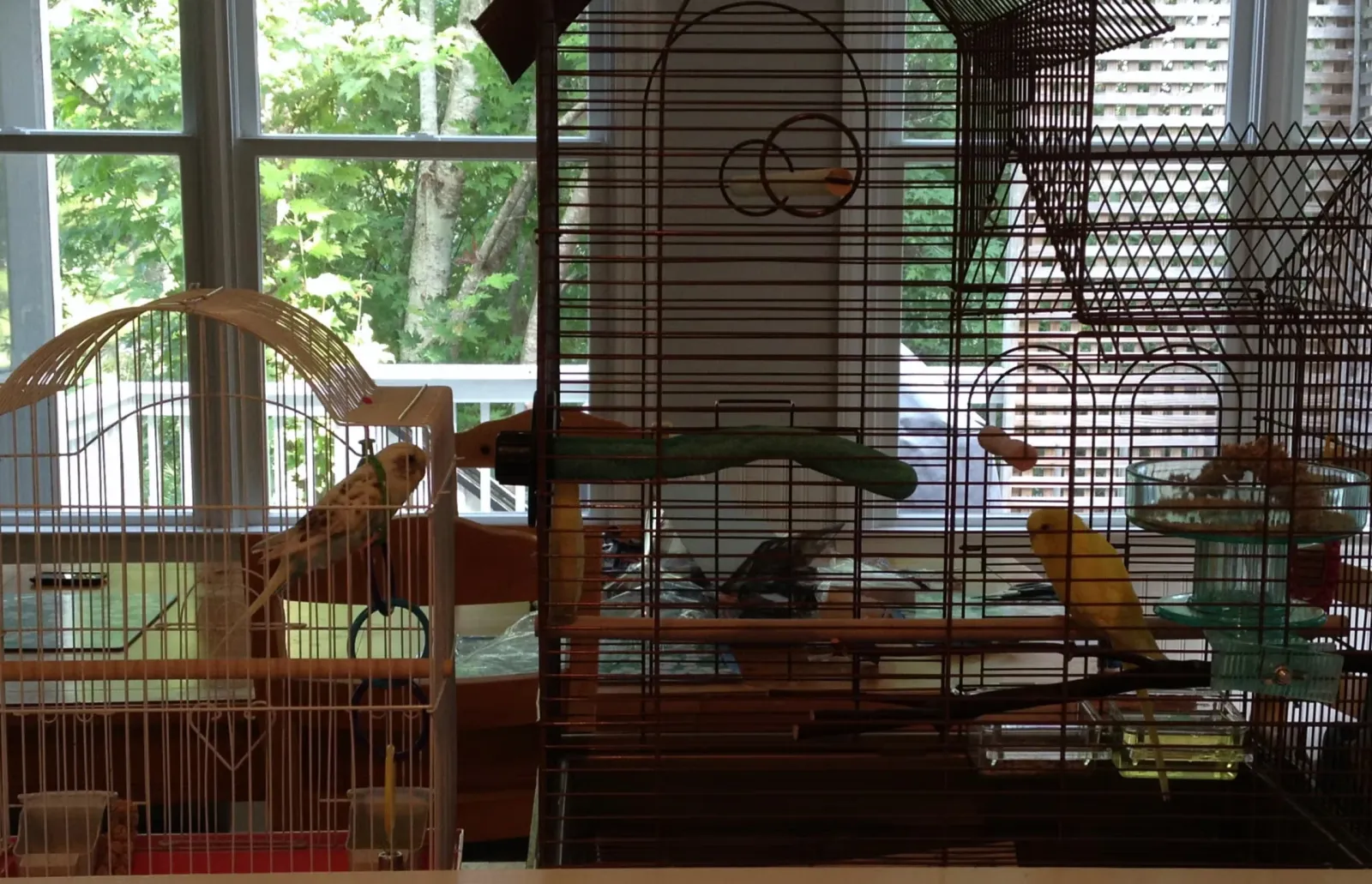
Before adding a new bird to the cage, keep the birds in separate cages that are side by side for a week so they can get used to each other.
Sarah Johnson
Adding Another Bird to the Flock
If you already have a bird and are considering another, keep these points in mind:
- You'll likely need a larger cage if housing them together.
- Male + female = baby birds.
- You may need extra food and water bowls, though some birds share.
- Food consumption will increase.
- More birds mean more noise and mess.
When we brought Marshmallow home, we kept her in a smaller cage next to Lemon's larger one so they could get acquainted. We planned to wait a week, but after three days, they were eager to be together. We let Marshmallow in, and they've been inseparable since.
At first, Lemon wouldn't let Marshmallow chew a certain toy, but they worked it out. Lemon is clearly the dominant bird and demands daily head scratches from Marshmallow.
Some birds are territorial and less accepting. Keep them in separate cages side by side for a week, then try introducing the new bird to the main cage. If problems arise, separate them at night until they adjust.
Welcoming Your Bird Home
When you first bring your bird home, it may be very quiet and inactive for a couple of days as it adjusts. Consider covering part of the cage to give it a secure hiding spot.
Lemon took three days to warm up, and we were delighted to hear her loud chirp. She makes various noises and especially enjoys singing Katy Perry songs. Marshmallow adjusted in just one day. Though their sounds are similar, we can always tell who's “talking.” They bring us a lot of joy.
This article is accurate and true to the best of the author's knowledge. It is not meant to substitute for diagnosis, prognosis, treatment, prescription, or formal and individualized advice from a veterinary medical professional. Animals exhibiting signs and symptoms of distress should be seen by a veterinarian immediately.