Four Effective Ways to Keep Your Parrot Active
Harper Kelly
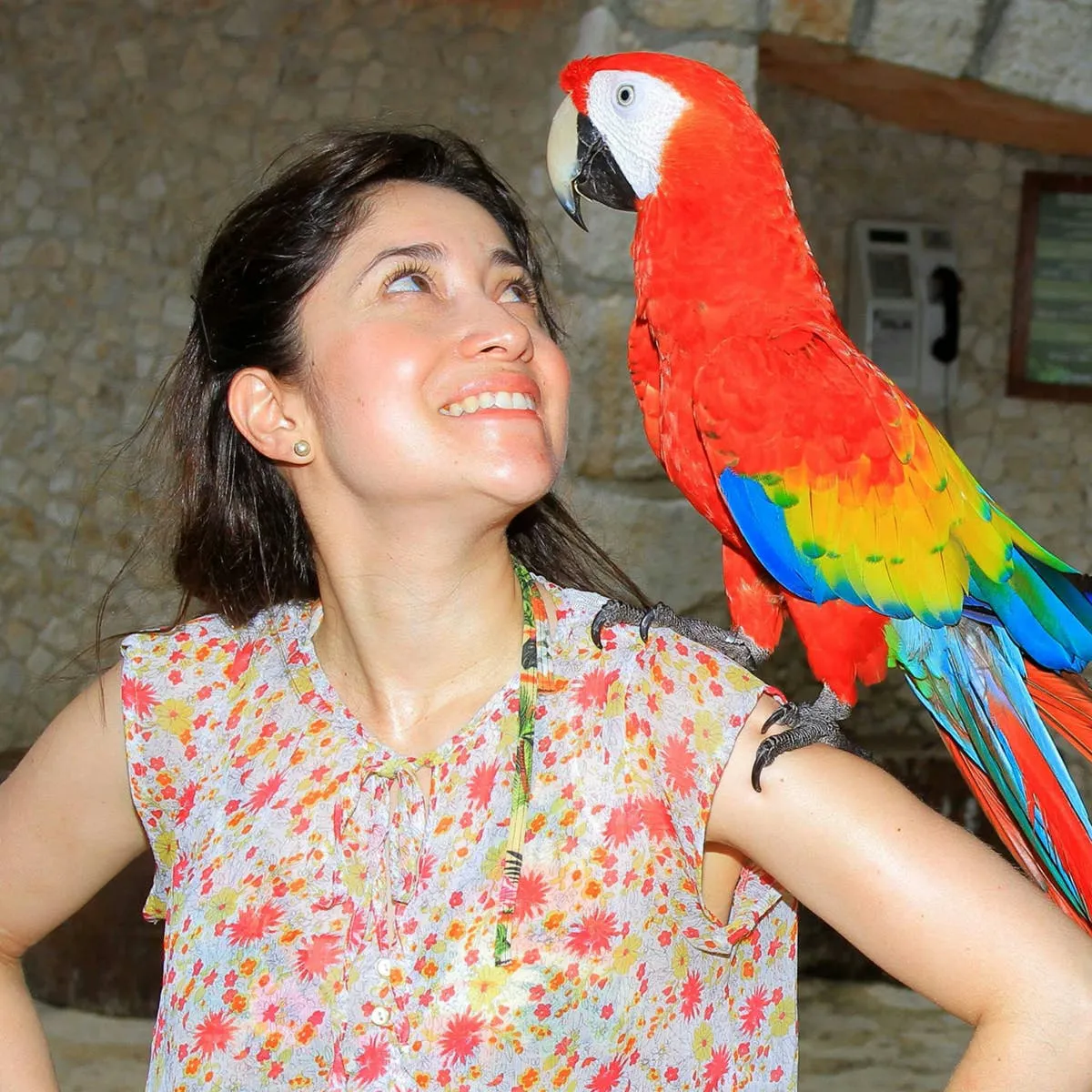
Parrot Exercise Options
Does your parrot seem uninterested when you serve her pellets? Does she glance at you with a gloomy expression right before nipping? Does she go after your guests whenever they arrive? Such behaviors can develop. Perhaps all she requires is some physical activity.
In Brazil, where I live, I spot groups of parrots in my garden nearly every day. Their lives are challenging. They must move between trees, search for food each morning, and evade predators throughout the day. Once a year, they need to construct a solid nest and gather additional food for their young.
Providing your parrot with similar activity would be beneficial. Flying is clearly the best exercise for your parrot, but it comes with many issues. Recently, my parrot flew onto a neighbor's roof, and because she was reluctant to descend, it took me about thirty minutes to persuade her to come down.
Below are some substitutes for flying.
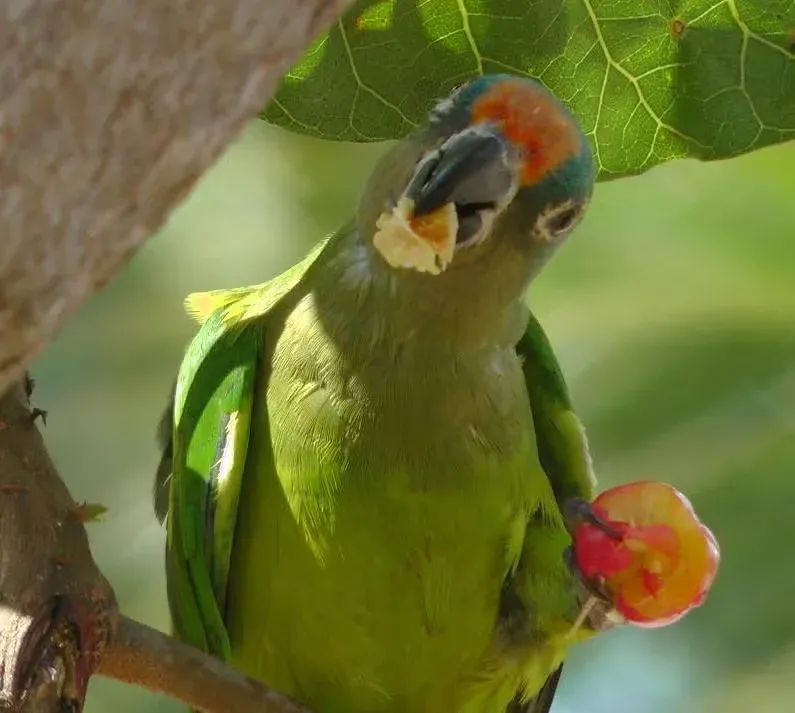
Parrots that exercise also like to eat healthy.
DrMark1961
Substitutes for Flying
| Exercise Type | How It Helps |
|---|---|
| Climbing |
|
Provides good exercise for the legs, neck, and frequently the wings as well.
| |
Wing-Beating
|
Nearly as effective as flying for working the pectoral muscles.
| |
Playing Games
|
Depending on the type of play, this can benefit the entire body.
| |
Taking a Walk
|
Excellent for bonding, mental stimulation, and mild climbing exercise.
|
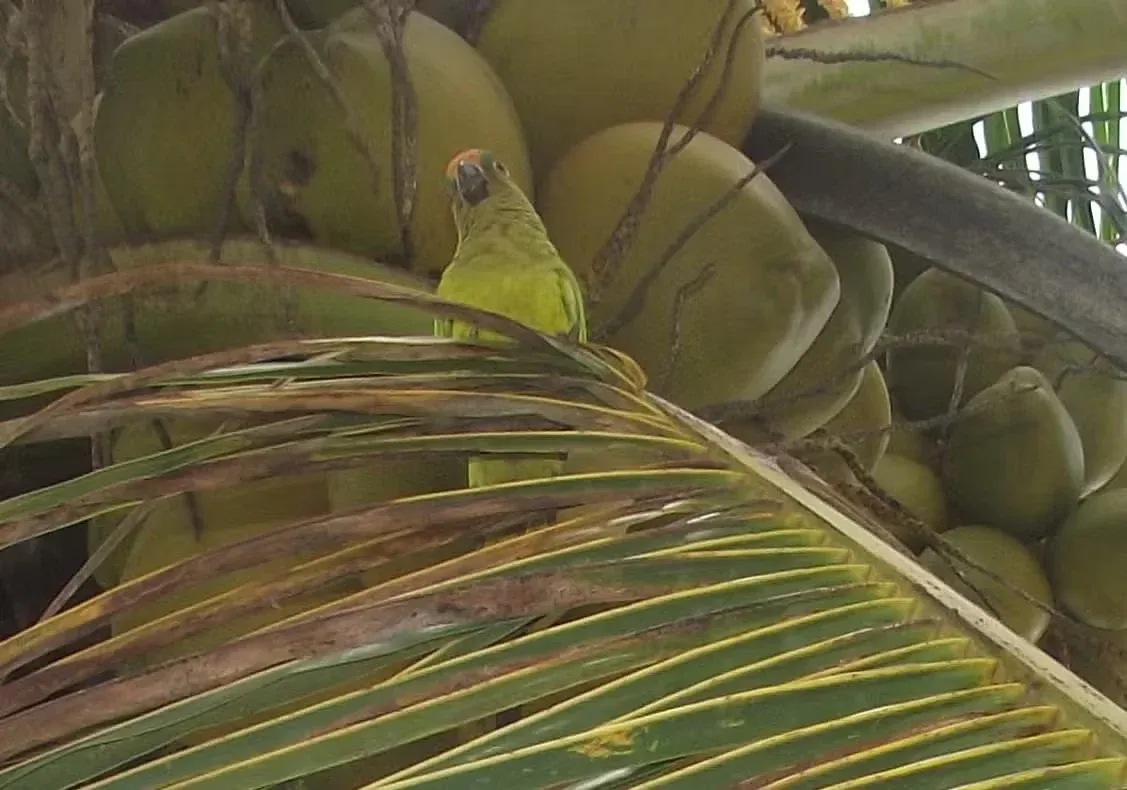
If your parrot learns to climb trees, make sure you have a way to get her out of there!
DrMark1961
1. Climbing
Climbing ranks among the finest ways to exercise your parrot. If you lack a safe outdoor area for your parrot, a pet shop ladder will provide him with activity, and he will use it repeatedly throughout the day. If you place your finger against your bird's chest, she will step up. You can set her down elsewhere, then repeat the process to ensure she gets sufficient exercise for the time being.
Advice for Outdoor Climbing
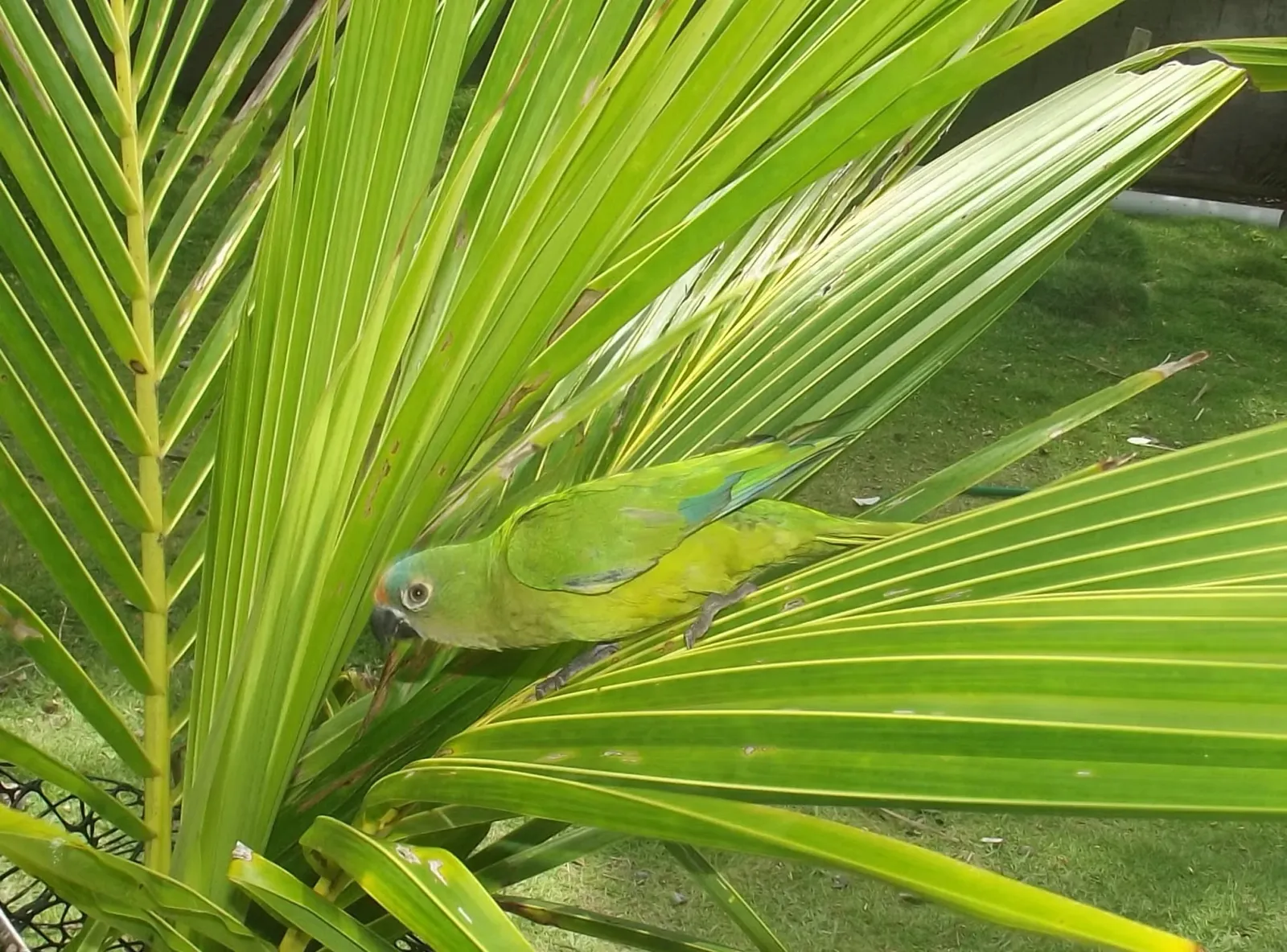
Naturally, the best climbing surface is a tree. My parrot favors a particular banana tree that overlooks the goose pond, perhaps because it is leafy and she can easily shred the leaves; despite having many options, she typically chooses one of the banana trees. (If you plan to take your parrot outside to exercise in a tree, ensure you can reach the top! Some birds will climb up and then refuse to come down. My parrot enjoys climbing the ladder-like coconut leaves, and once she is high up, she does not like to descend.)
Also, make sure you remain with the bird while she is outside. I once went into my house for something and lost a parrot to a stray cat a few years ago. My Pitbull now watches my parrot when I am indoors and ensures no cats or stray dogs wander around our yard. She and the parrot are good friends, but of course, many dogs cannot be trusted around your birds.
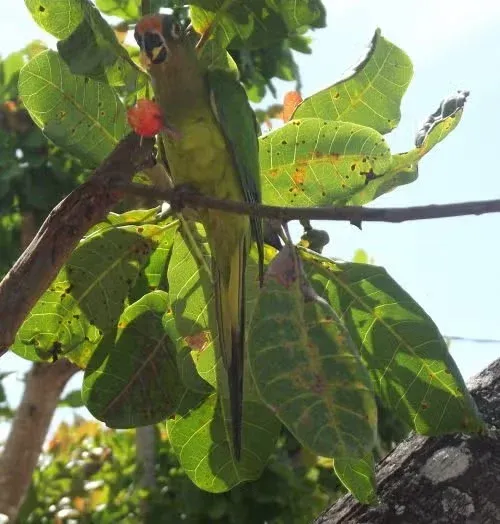
Flapping her wings when climbing trees is good exercise; stopping for lunch is even more fun.
DrMark1961
2. Wing-Beating
There are numerous ways to offer this exercise. One effective method is simply to let your bird perch on your hand and then move it up and down or in a circular motion. Be certain to hold her feet while doing this, as she may become so enthusiastic flapping her wings that she falls off your hand.
The Two-Person Approach
My parrot dislikes everyone but me, but some birds will bond with multiple people in the household. That kind of parrot can be tossed into the air by one person and called by a second person standing just a few feet away. She will fly over and land.
In nature, most parrots fly only for brief periods before stopping to eat or drink. Even if your bird is in good condition, allow her to rest before having her do a second round of wing-beating.
Play should be creative and can be fun for both of you. My parrot loves hide-and-seek!
DrMark1961
3. Playing Games
Your parrot is intelligent, and it is your job to devise new games and keep her engaged. Some birds enjoy playing football (or soccer) and will sit on the floor passing a small ball back and forth. My bird loves hide-and-seek. Others will enjoy a game of tag, and some even like to socialize to music. Every parrot has its own personality.
Be creative! Pet shops offer many toys that are excellent for your bird.
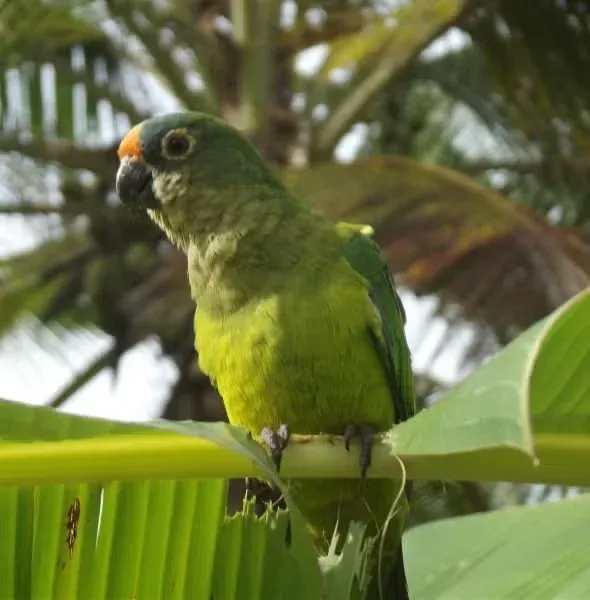
A parrot on an exercise program will be healthier and better behaved.
DrMark1961
4. Taking a Walk
On mornings that are not too windy, my parrot likes to accompany me when I walk my dogs on the beach. She does not walk, of course, but rides on my shoulders where she has the best view. She shifts from one shoulder to the other, observing the occasional beach walker, and if the wind increases, she will nestle into my shirt for protection.
Consider a Portable Cage for Hiking
If your parrot is still new to your home, or if you are concerned about energetic dogs or loud cars that might frighten your parrot, look into buying one of the cages designed for parrots to hike with their owners.
This is one of the finest forms of exercise for your parrot, as it offers mental stimulation and keeps her connected with her surroundings.
Daily Exercise
You should already have an avian veterinarian to care for your parrot. Ensure she has a thorough physical examination before starting her exercise regimen; blood work, a fecal exam, and tests your vet recommends are a good starting point.
If your parrot is aggressive, you might discover that giving her an outlet for her natural energy will make her a better family member. Parrots spend much of their day sleeping, but because wild parrots have many daily tasks, birds that are not exercised become bored and misbehave. My Conure is happy all the time, but my Pionus prefers to stay close to me—and if I am busy and do not have time to take her for a walk, she will sometimes find a cabinet to shred.
Begin gradually, but exercise your parrot every day. She will appreciate it.
This article is accurate and true to the best of the author's knowledge. It is not meant to substitute for diagnosis, prognosis, treatment, prescription, or formal and individualized advice from a veterinary medical professional. Animals exhibiting signs and symptoms of distress should be seen by a veterinarian immediately.
© 2013 Mark dos Anjos, DVM
Sources
- Four Effective Ways to Keep Your Parrot Active — pethelpful