From Hatchling to Fledgling: A Guide to Raising Baby Cockatiels
Harper Kelly
The Newly Hatched Cockatiel
A cockatiel chick emerges from its shell measuring roughly one inch and coated entirely in yellow down. With oversized heads resting on unsteady, flexible necks, the hatchlings resemble tiny prehistoric creatures.
On their first day, they lack the strength to stand, though they still make attempts. The adult birds shelter them beneath their wings, providing warmth and regular feedings. Growth happens remarkably quickly — within six to eight weeks, the young birds reach full size and are prepared to join a caring household.
Learn what it’s like to breed cockatiels and care for the hatchlings.
Image by Dmitriy Gutarev from Pixabay
How Long Eggs Take to Hatch
Cockatiel eggs require somewhere between 18 and 23 days of incubation. One breeding pair I kept produced hatchlings with striking regularity, with eggs arriving every 18 days after the first. A second pair of mine hatched young every 21 days. My present breeding pair is somewhat less predictable, although their timing still falls inside the 18–23 day window. Eggs are typically laid with a day or two between them and hatch in that same sequence. This explains why a single brood often contains chicks of varying sizes.
Photo Gallery
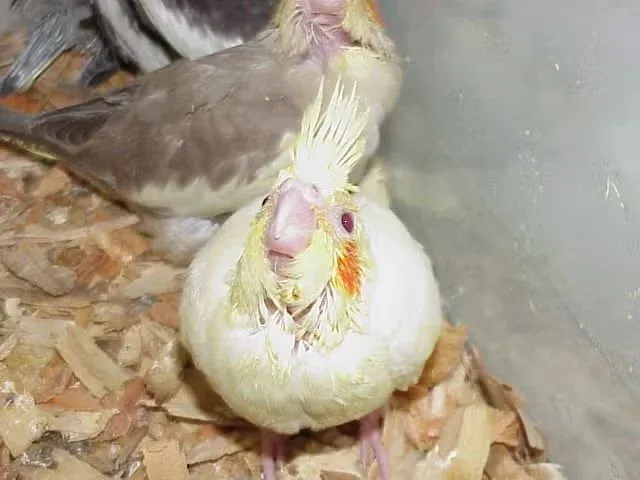
_Baby lutino cockatiel
Personal Photo_
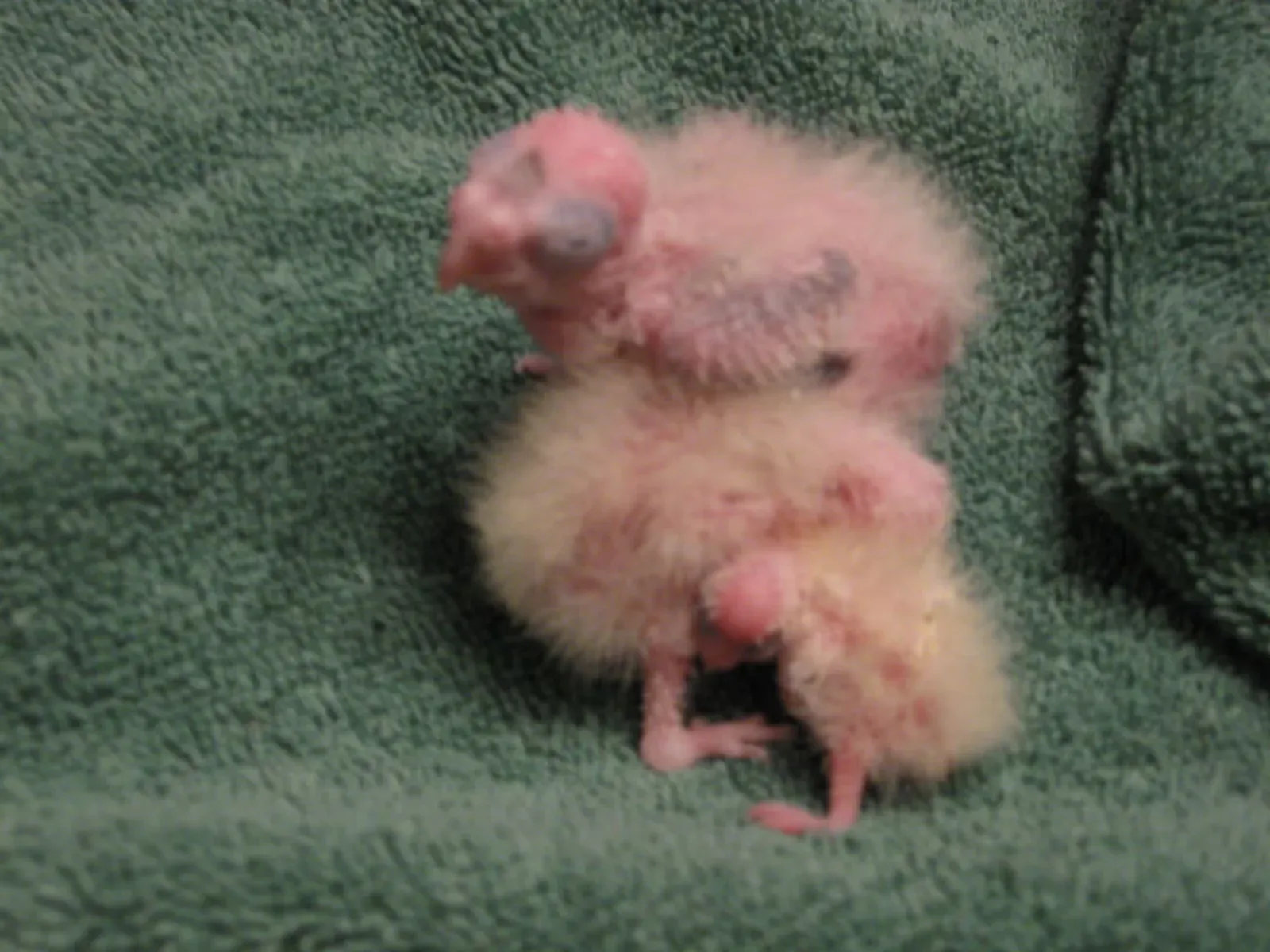
_Babies grow fast!
Three cockatiel chicks_
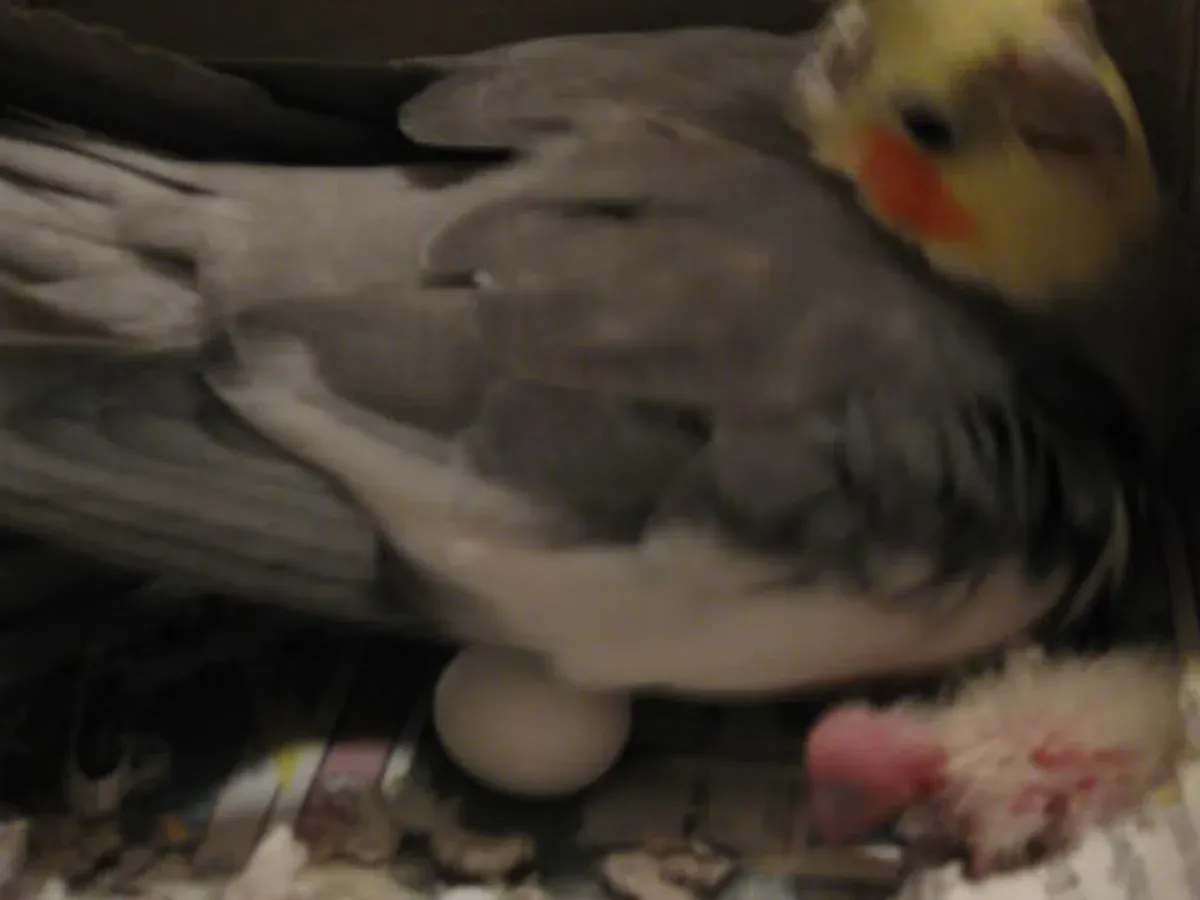
_Father and mother take turns on the nest
Leo with Baby_
What the Parent Birds Do
Both the male and female cockatiel take part in sitting on the eggs, feeding the chicks, and keeping them warm. During incubation, the female remains on the eggs through the night while the male covers the daytime shift. Their duties while sitting include:
- Rotating the eggs. The eggs are rotated on an hourly basis. This keeps the developing chick at an even temperature and stops it from adhering to the shell membrane.
- Keeping humidity at the right level. The parents bathe in a shallow dish and then use their damp feathers to hold the proper humidity around the eggs.
The Egg Tooth
Before hatching, a baby cockatiel can be heard making soft chirping sounds from inside the egg. To break out, it uses a tiny bump on the tip of its beak called an egg tooth. This emergence process is known as “pipping.” Working free of the shell demands many hours and considerable energy from the chick.
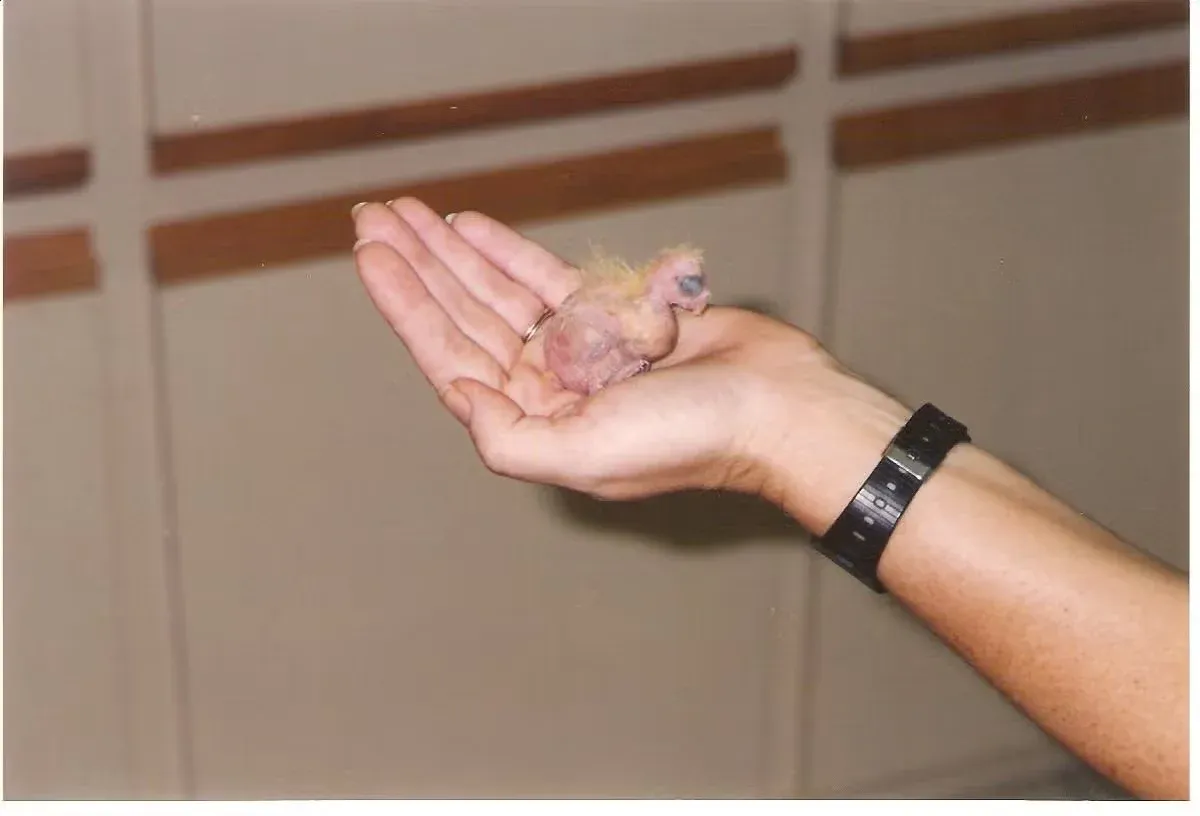
Baby cockatiel
Personal photo
The Eyes of Baby Cockatiels
At hatching, baby cockatiels have their eyes shut, and they stay shut for roughly eight to ten days. The skin covering the sealed eyes is see-through enough that you can tell whether the eyes underneath are red or dark brown. This eye color offers the earliest indication of what shade the chick's feathers will be once they come in.
In some instances, color is a sex-linked mutation; in others, it is recessive. I'll leave that discussion for a separate article, but in short, red eyes indicate the bird will cost somewhat more to purchase because such birds are less common. Cockatiels with red eyes might be any of the following:
- Albino
- Fallow (also called cinnamon)
- Lutino
- Recessive Silver
Feather Growth
By two weeks of age, baby cockatiels have shed most or all of their down and have begun growing feathers on their wings and back, as well as crest feathers emerging on top of their heads. At three weeks, they are nearly covered in feathers but still look a bit ragged; by four weeks, they closely resemble an adult bird.
Young Cockatiels as Companion Birds
Cockatiels suit someone keeping a bird for the first time. They are on the smaller side yet have a large personality. Males tend to be more vocal and frequently pick up whistling and talking, but birds of either sex form an affectionate bond with their owner as a devoted companion. A baby cockatiel that has just been weaned is the best option, since they adapt to a new environment quickly.
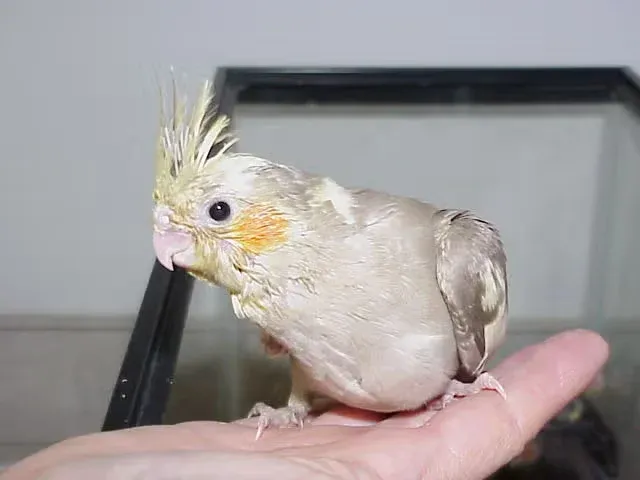
Four-week-old baby cockatiel
Four week old baby cockatiel - Young Fallow Cockatiel
Hand-Fed Baby Cockatiels
Baby cockatiels that are hand-fed develop into gentle, friendly pets. Hand-fed describes chicks taken from the nest — typically at 10–14 days old — and raised by people. This approach builds trust between the birds and humans and removes any fear of human hands. Hand-fed babies tend to cost somewhat more, reflecting the additional time and effort involved in raising them.
When shopping for a pet, though, spend time handling baby cockatiels to observe how they respond to you. Certain breeders hand-feed their babies but do very little handling beyond that. The wisest choice is to pick babies from breeders who both interact with the birds and hand-feed them. These conditions yield the highest quality pets.
This article is accurate and true to the best of the author’s knowledge. It is not meant to substitute for diagnosis, prognosis, treatment, prescription, or formal and individualized advice from a veterinary medical professional. Animals exhibiting signs and symptoms of distress should be seen by a veterinarian immediately.