Bringing a Second Parakeet Home: A Step-by-Step Guide
Sam Cooper
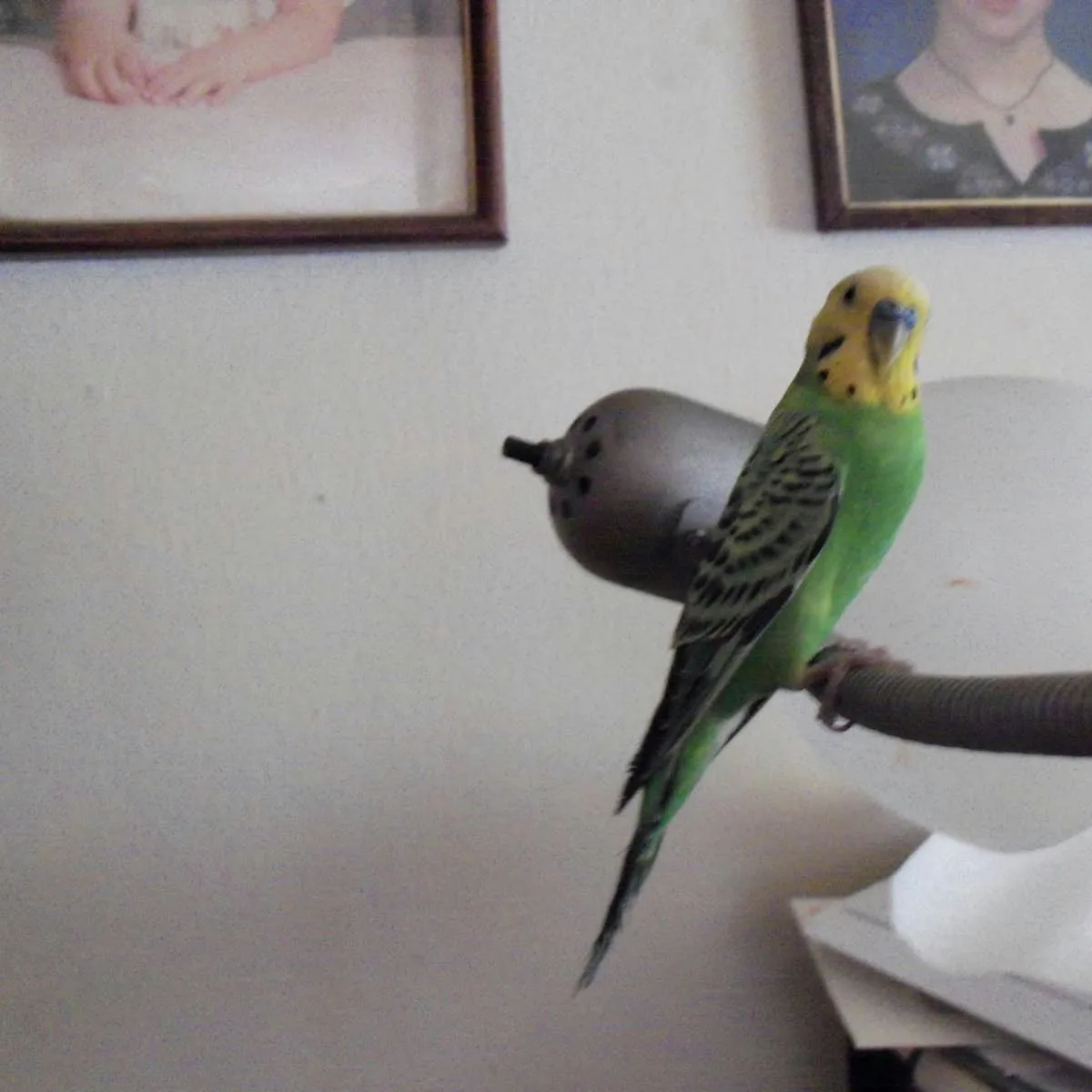
Bringing a Second Parakeet Home
My first parakeet, Bogey, was meant to be an only bird. I was new to keeping birds and lacked the confidence to care for more than one. But Bogey turned out to be patient and easygoing, which helped me grow more assured.
A few months later, I saw that Bogey had become quiet and inactive. He would nip at his toys briefly, but nothing kept his attention. I swapped out his toys and introduced new ones, yet he showed little interest—just a peck or two and he was done.
What Was Going On with Bogey?
When a bird goes quiet, it can be a sign of illness and should be ruled out first. Luckily, Bogey was healthy, so I looked for other reasons. A lack of vocalization can also mean fear, but Bogey would happily hop onto my finger and sit on my shoulder without nipping. He clearly wasn't afraid of me.
I eventually realized that despite all the attention I gave him, Bogey was lonely. Wild parakeets live in flocks and are highly social. Bogey needed companions. I couldn't stand to see him unhappy, so I decided to get him a friend. But before bringing a new bird home, I had some preparations to make.
Talking: Solo Birds vs. Pairs
If you want a talking parakeet, think twice before adding a second bird. Solo parakeets are the most likely to talk, though pairs and flocks sometimes do as well. Teaching a parakeet to speak requires a lot of time and effort, and there's no guarantee it will ever talk—some never do. I wanted Bogey to talk, but his happiness mattered most. He might still talk one day, but even if he doesn't, he's still my birdie bird.
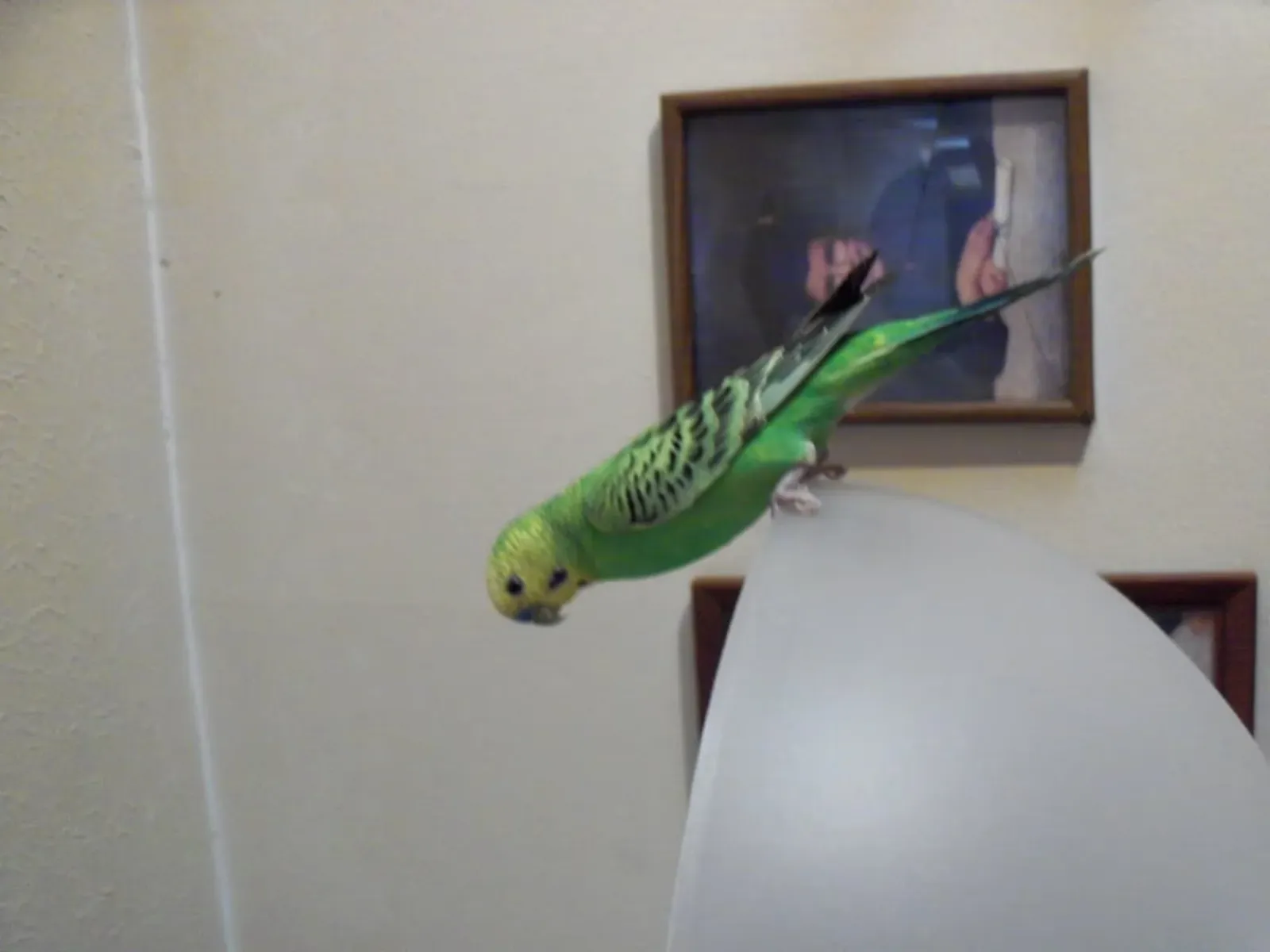
This is Bogey, just hanging out.
Make Sure Your Cage Is Big Enough for Two
Cage size matters a lot for parakeets. Before you buy a second bird, verify that your cage can comfortably house two. As a rule, a cage measuring 2 feet by 2 feet by 2 feet works for two parakeets.
Choose a cage that is longer than it is tall so the birds have room to exercise. You'll also need a separate cage to house the new parakeet during quarantine.
Look for Features That Facilitate Cleanup
When shopping for a cage, prioritize features that simplify daily upkeep. Seed guards help keep floors tidier. Trays should be easy to slide out and clean. At least one large door is important so you can easily move items like toys and bathtubs in and out.
Other Cage Considerations
Keep in mind that your parakeets will spend a large part of their day in the cage, so comfort is key.
Also think about where the cage will go, its size, and the types and placement of doors. Make sure doors are positioned so you can reach what you need inside. A cage with an opening top is especially convenient.
Remember, you'll need two cages: one for your current bird and a temporary one for the newcomer. The temporary cage can be smaller since it's only used during quarantine.
Quarantine
Any new bird should be kept in a separate room away from your existing parakeet or flock. Maintain this separation for 30 days to ensure the new bird is healthy.
Pick the Perfect Companion
Parakeets generally pair up well, but temperament matters. If you're not breeding, two males often get along peacefully, while two females may squabble frequently.
In flocks with an odd number of birds, fighting tends to be more common, with the majority picking on the unpaired bird. For best results, ensure each parakeet has a buddy.
Babies?
Consider your parakeet's gender before buying a new bird. If you want to breed, you'll need a male and a female. Male-female pairs are usually content. Parakeets are monogamous and form lasting bonds with their mates.
Make a Decision About Breeding
Parakeets breed readily, but that doesn't mean you should let them. Breeding takes time and money. Beyond the cost and effort, you'll need to find homes for the babies unless you plan to keep them all.
Breeding birds require vitamins at minimum. Breeding boxes are inexpensive. Hand-fed babies need a special formula. Check with your pet store to ensure supplies are available.
A parakeet can lay as many as eight eggs at once, so think carefully about whether you can house that many new birds. Selling the babies is usually not profitable for home breeders. Before breeding, plan for the welfare of the new brood.
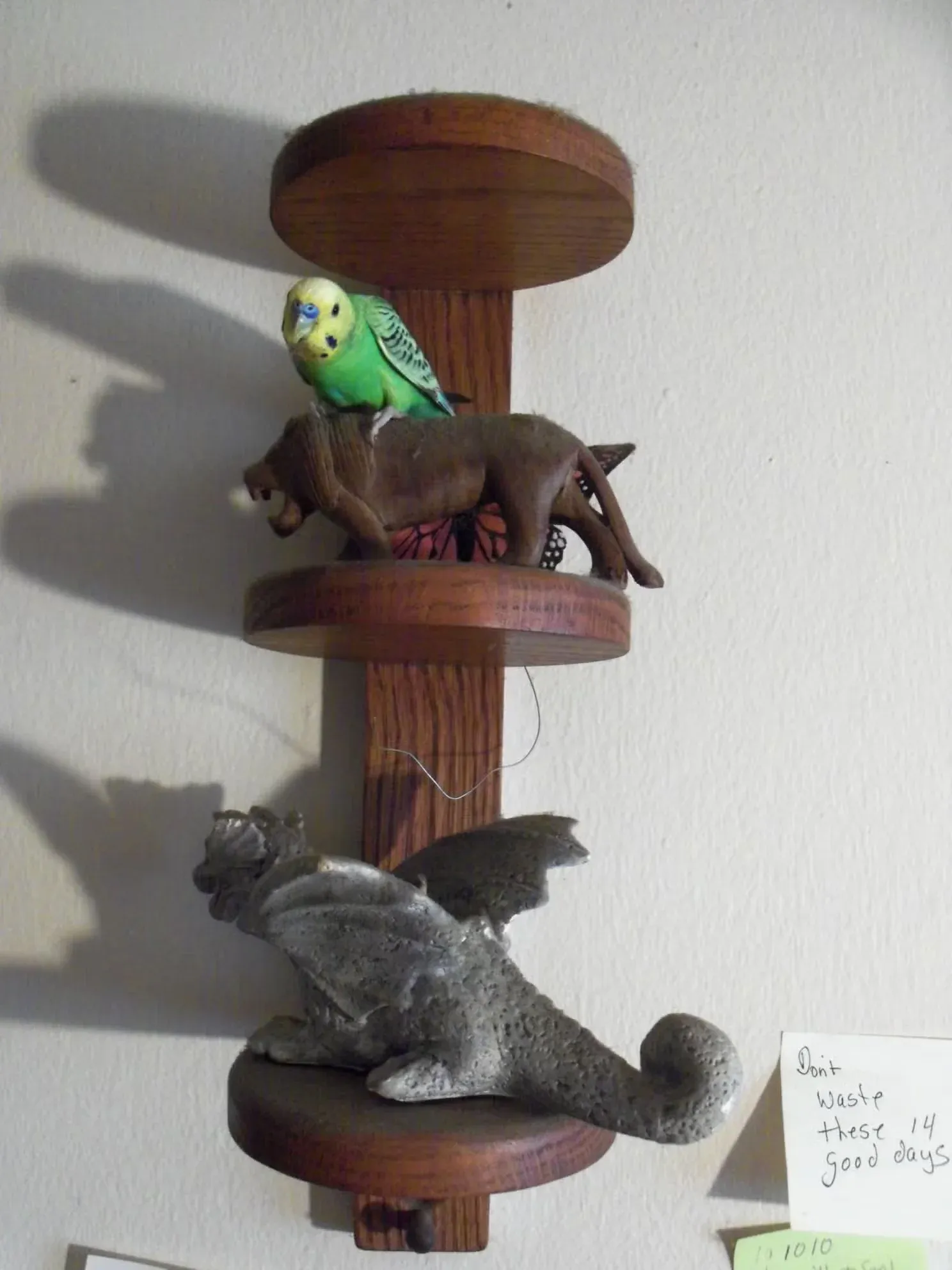
This is Bogey riding the tiger.
How to Introduce the New Parakeet
After quarantine, bring the new parakeet's cage out and place it next to your current parakeet's cage. If they seem interested in each other and don't fight, let them mingle during out-of-cage time.
Once they appear comfortable together, put them in the same cage. If fighting starts, go back to the previous step and take it slowly.
Generally, parakeets get along well, so don't worry. This process often goes quickly and may take a day or less.
Bogey and Bella took to each other immediately, though I think Bogey was a bit overwhelmed by all the attention. Now they're a devoted couple with only the occasional squabble.
Easing the Transition
To help birds share a cage, add some new toys and an extra food dish. Having one dish per bird reduces competition for food. New toys give them something to explore together and can strengthen their bond. Remember to rotate toys every couple of weeks to keep your flock engaged.
Toys
Keep your parakeets entertained to maintain peace. Don't overcrowd the cage with toys—two or three is plenty. Rotate them often.
Don't Raise a Lonely Bird
Parakeets raised alone need a lot of attention. You must weigh your wish for a talking bird against your parakeet's happiness.
If you can't devote a lot of time to your parakeet, getting a companion will help keep it happy and healthy. I found that a second bird was the better choice for my flock.
Care
If you want to learn more about caring for your parakeet, many good reference books cover this popular bird. Whether you're a beginner or an advanced breeder, you can find a guide to help you provide the best care.
Pictures of My Parakeets
1 / 2
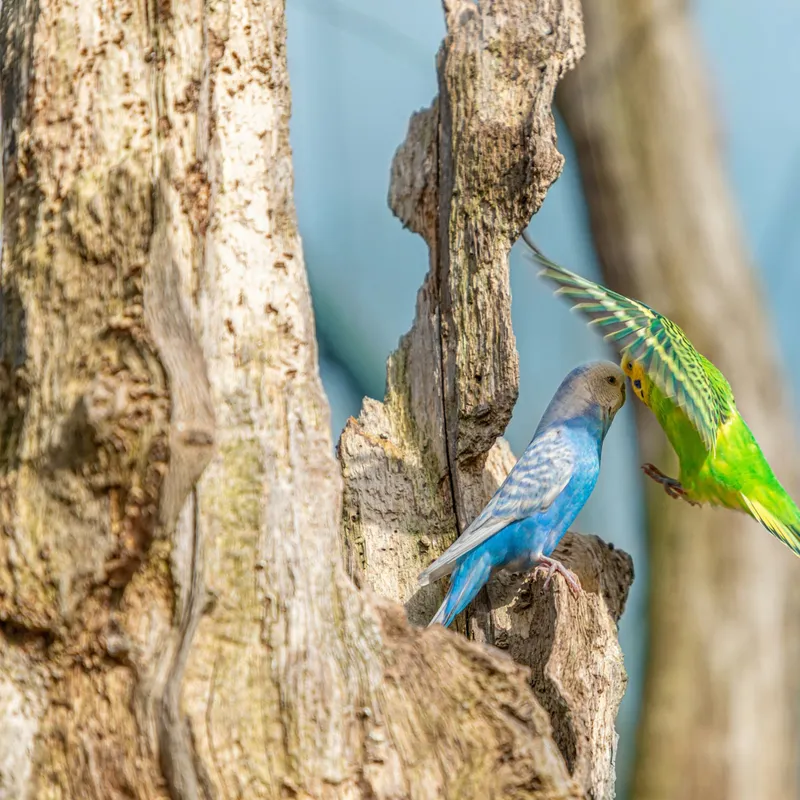
_Green and yellow parakeet
Monika Weise_
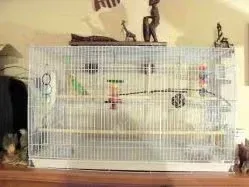
_Parakeet cage
Monika Weise_
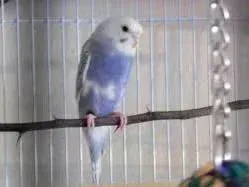
_Blue and white parakeet perched on a branch
Monika Weise_
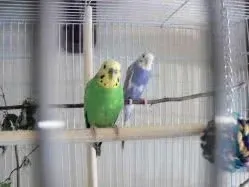
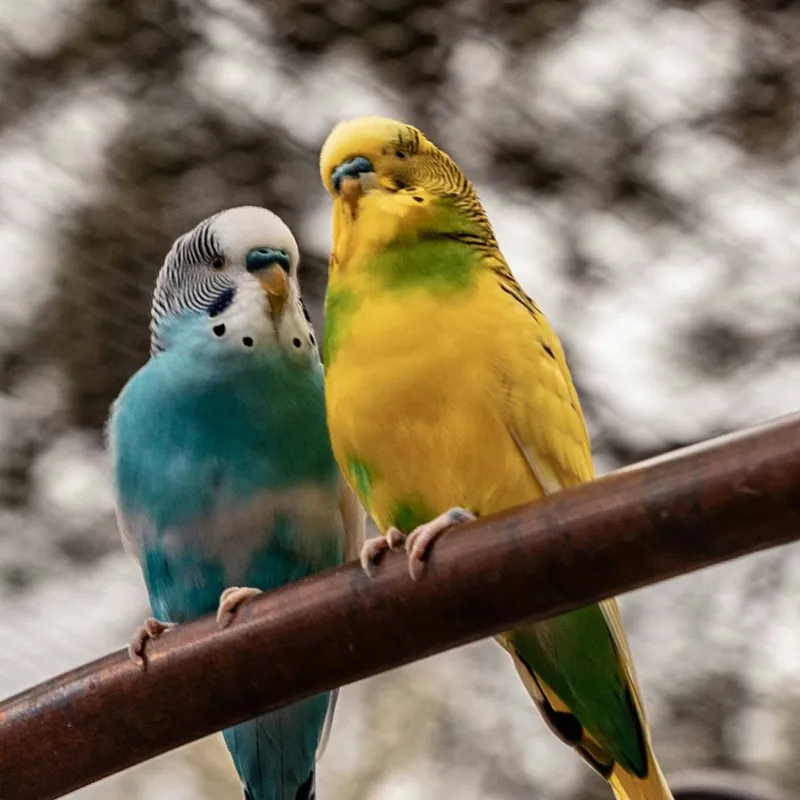
_Parakeet friends
Monika Weise_
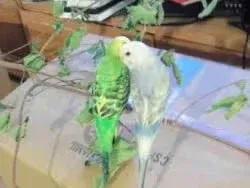
_Parakeets snuggling
Monika Weise_
Fun Fact: Alexander the Great
Alexander the Great kept his own parakeet: the Alexandrine parakeet. Parakeets were part of the spoils Alexander brought back from India.
To Clip or Not to Clip?
Some owners keep their birds' wings clipped. Others consider it cruel.
I personally find it safer to keep my flock clipped. Neither Bogey nor Bella were hand-raised, and only Bogey will willingly step up on my finger. So I clip their wings once every six months. Where do you stand?
| Yes, sometimes it is necessary for the safety of the bird. | No, it should never be done under any circumstances. |
|---|---|
| My son left us his birds while he is away at college. We wanted to clip their wings so we wouldn’t have a problem with them getting out of the house. We were very careful but in the end, one of them, who had become attached to me, saw me leaving and flew over to me as I left. He saw the great beyond and we have never seen him since. My heart broke as did my son’s. We have since clipped his mates’ wings. It was wonderful seeing them fly around the house and I hated doing it, but I feel if you are going to keep a bird you need to do what is in the best interest of the bird even when at first it doesn’t seem like it. We have since created a play area for Azra and I am looking for a playmate for her so she will have a happy life with us. – anonymous |
|
You should never ever clip a parakeet’s wings. If you are a responsible pet owner and supervise your bird when it is out of the cage, then it will be perfectly fine! Just put the dogs and cats in another room and never leave a large thing of water out that they can fall into. God gave flight to birds for a reason. We shouldn’t alter them just to tame them. Let your bird have the freedom of flight it deserves. – Amber
| |
Yes! It provides a safety net for them, and anyway, birds don’t think like that. Sure, they have feelings, but once the wing clipping is done and they attempt to fly and feel that it’s different, they adjust and move on with their happy selves. – anonymous
|
I think you shouldn’t because I have two: one came with her wings clipped, and the other didn’t. I don’t think the unclipped one sees her as an equal. – Jax
| |
I think it is a good idea. Just recently found a very tame parakeet outside. It must have gotten away from someone. Its wings were not clipped so it flew far. If they were clipped, it may have had a chance to get back because then it could not fly too far. – pam
|
I think it is cruel to clip a bird’s wings. I have a cat so if I clip the bird’s wings it may get harmed. And birds love flying, so it would break my heart to clip my bird’s wings. I always make sure to close the door when my bird is flying around. I have owned parakeets for 16 years and not one parakeet I’ve had has ever had its wings clipped. I have 9 birds and none of them have ever gotten away. – retacake
|
This article is accurate and true to the best of the author’s knowledge. It is not meant to substitute for diagnosis, prognosis, treatment, prescription, or formal and individualized advice from a veterinary medical professional. Animals exhibiting signs and symptoms of distress should be seen by a veterinarian immediately.
© 2012 Monika Weise