Animals
Why Dogs Bark at Windows and How to Curb the Habit
Window barking stems from many triggers, from boredom to territorial instinct. Pet parents can reduce it by limiting visual access, teaching calm alternatives, and rewarding quiet behavior.
68 articles
Window barking stems from many triggers, from boredom to territorial instinct. Pet parents can reduce it by limiting visual access, teaching calm alternatives, and rewarding quiet behavior.
A certified trainer breaks down the extinction burst: the escalation dogs show when a reward is withdrawn, with three real cases and six low-stress ways to prevent or soften it.
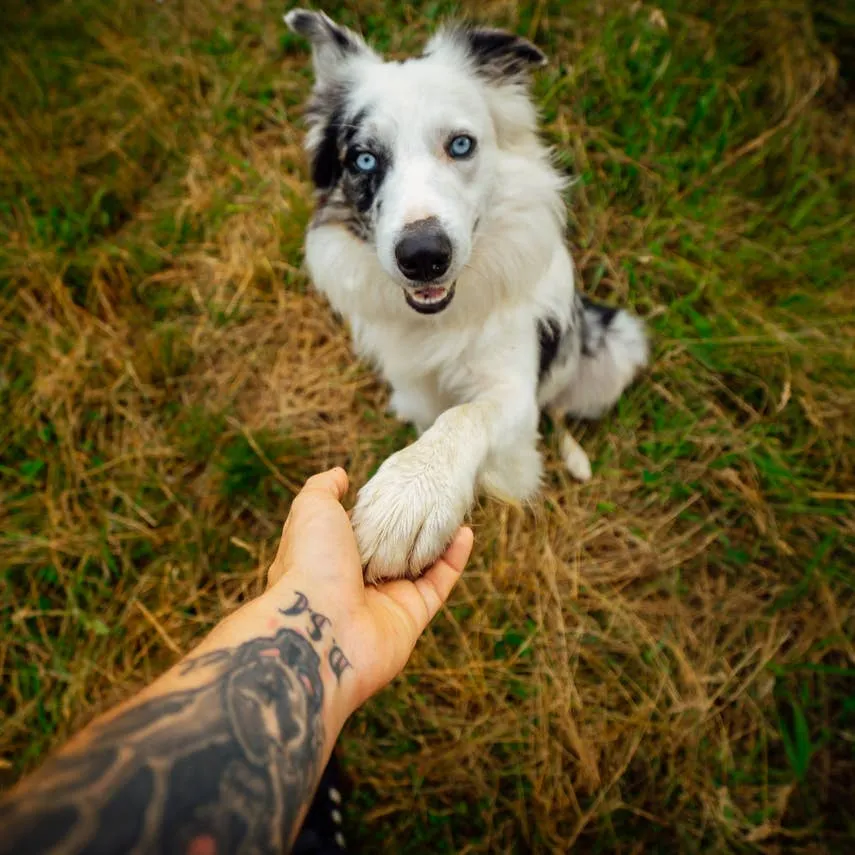
Two canine specialists explain why a wagging tail isn't always a green light, how to greet an unfamiliar dog without causing stress, and why patience and routine matter more than treats.
A first-person account of using a litter box to house-train a puppy, covering the necessary supplies, step-by-step guidance, and solutions to frequent problems. The author explains how this method can serve as a practical alternative when outdoor potty breaks are not always possible.
This article provides fundamental strategies for recognizing and reducing aggressive behavior in dogs, while stressing that professional training should be sought alongside these tips.
When dogs in the same household clash, identifying the cause and applying targeted training techniques can restore harmony. This guide covers recognizing true fights versus play, safe intervention methods, and long-term behavior modification, including when to seek professional help or consider rehoming.
This guide explores effective methods to reduce fear and anxiety in dogs, covering causes like genetics and socialization, and training techniques such as targeting and desensitization.
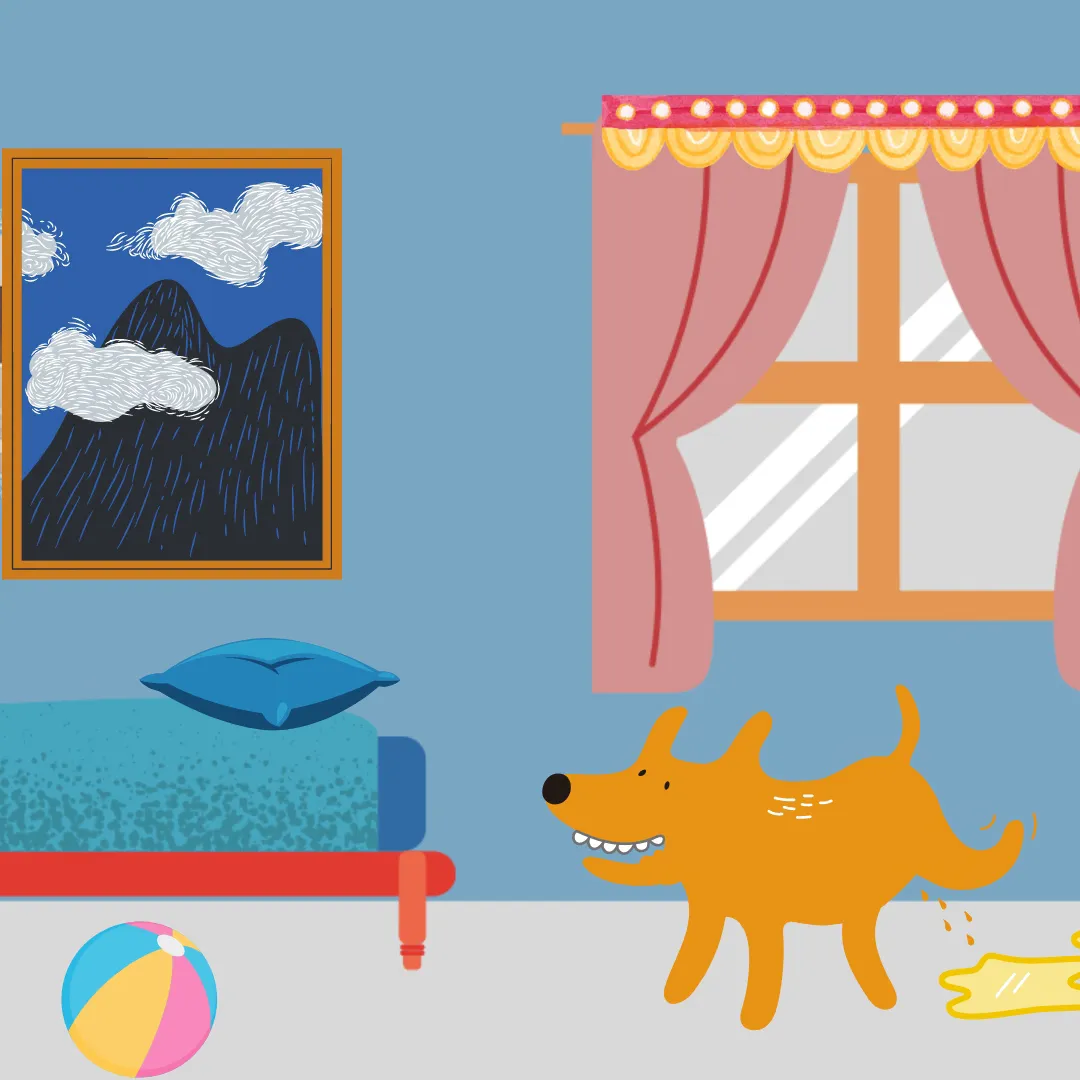
Discover why dogs urinate indoors, common errors in handling accidents, and effective methods to stop your dog from peeing on carpets.
Research on nearly 1,000 dogs shows which interventions actually reduce aggression and which may hinder progress. This overview covers medical checks, training strategies, gear, medication, and when to see a behaviorist.
Discover three practical methods to manage excessive barking in dogs. The root cause is often boredom due to insufficient exercise. This guide covers training techniques, reasons behind barking, and solutions for when it's not your dog.
Why do some neutered male dogs show aggression specifically toward unneutered males? This article explores the reasons behind this behavior, including scent differences, lack of socialization, and negative experiences, and provides tips for managing it.
Jealousy can be a powerful emotion in dogs, leading to surprising behaviors. If it starts causing trouble at home, these strategies may help you manage it.
This piece examines five key justifications for why striking a dog is counterproductive, covering the physical suffering it inflicts, the aggression and anxiety it can trigger, the erosion of human-animal trust, and the outdated dominance beliefs that underlie the practice.
This article explores methods to help dogs develop caution around cars. It covers why road-sense training matters, details five techniques, and shares a personal account showing that even well-trained dogs can be injured, reinforcing the value of leashes.
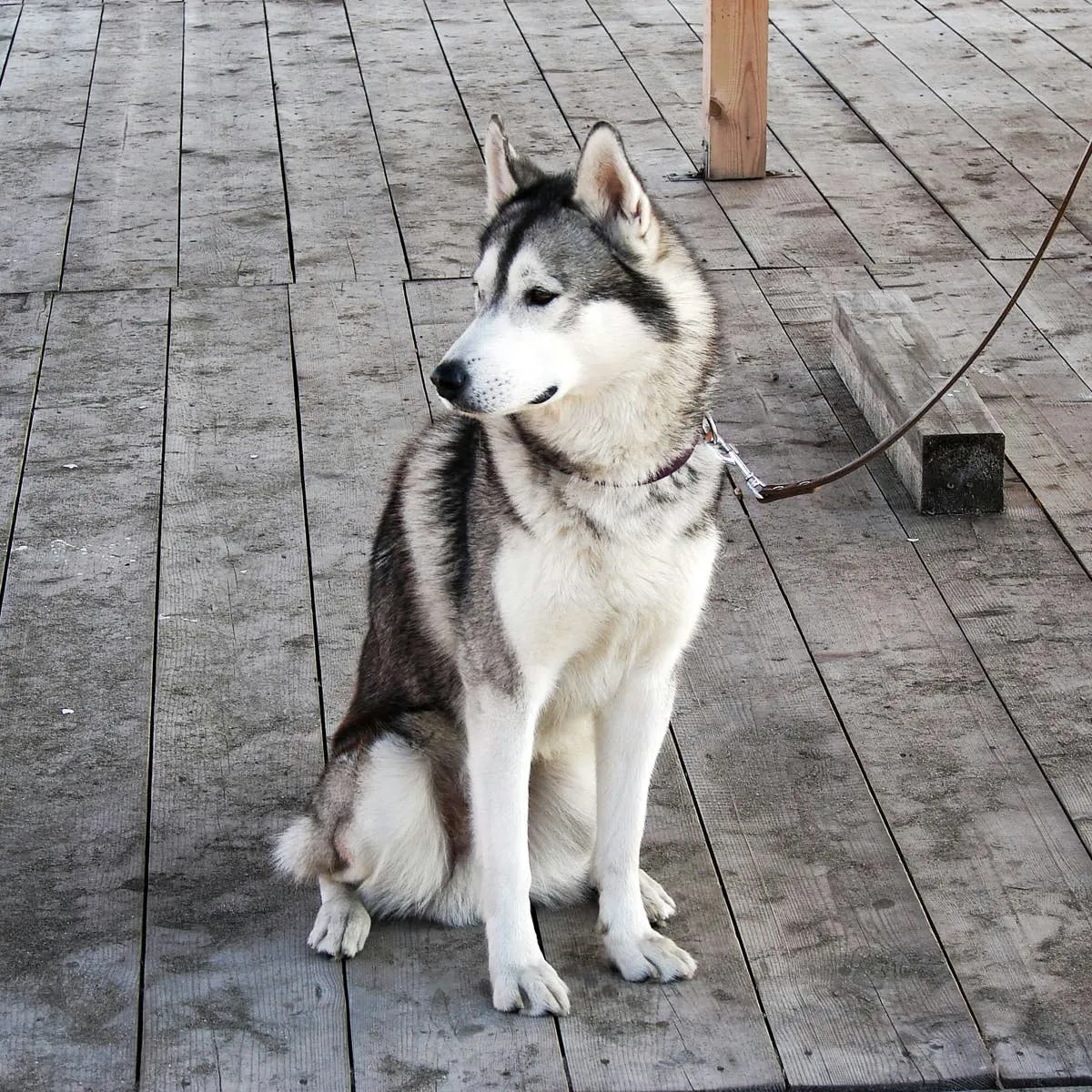
Demonstrate reliable leadership so your husky feels secure. Hold steady rules and limits. Help your dog stay relaxed in the crate and before walks.
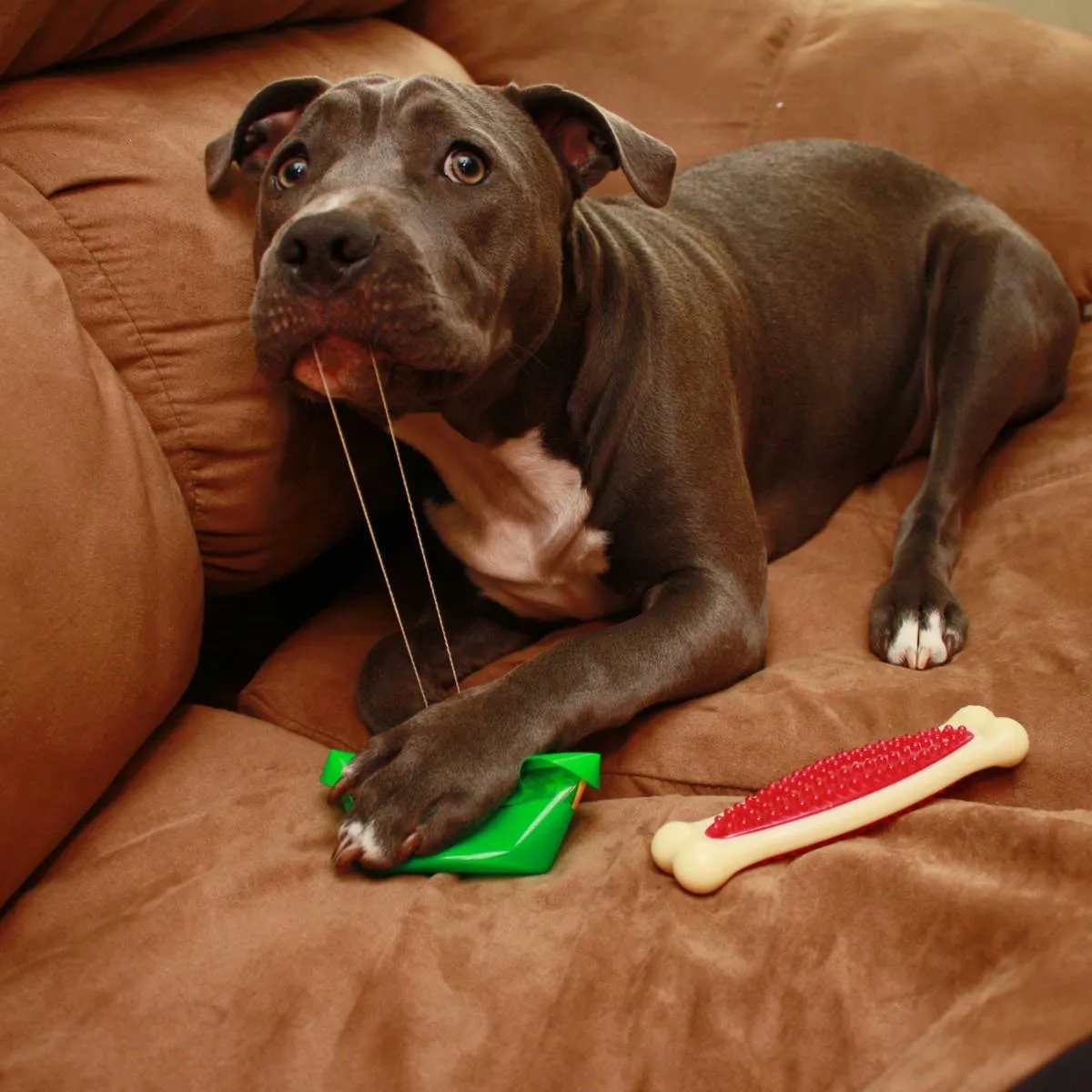
If your new puppy is more strong-willed than you anticipated, these four training methods can help: housebreaking, sitting, loose-leash walking, and quieting excessive barking.
A dog that dribbles urine when excited can be trained to stop. Learn the causes and a four-step home training plan to address the behavior.
Why do felines lap up water from the commode? It's not just gross; there are practical reasons, from the lure of moving water to the cleanliness of a frequently flushed bowl. Here's the lowdown on this puzzling habit.