Why Dogs Bark at Windows and How to Curb the Habit
Elliot Miller
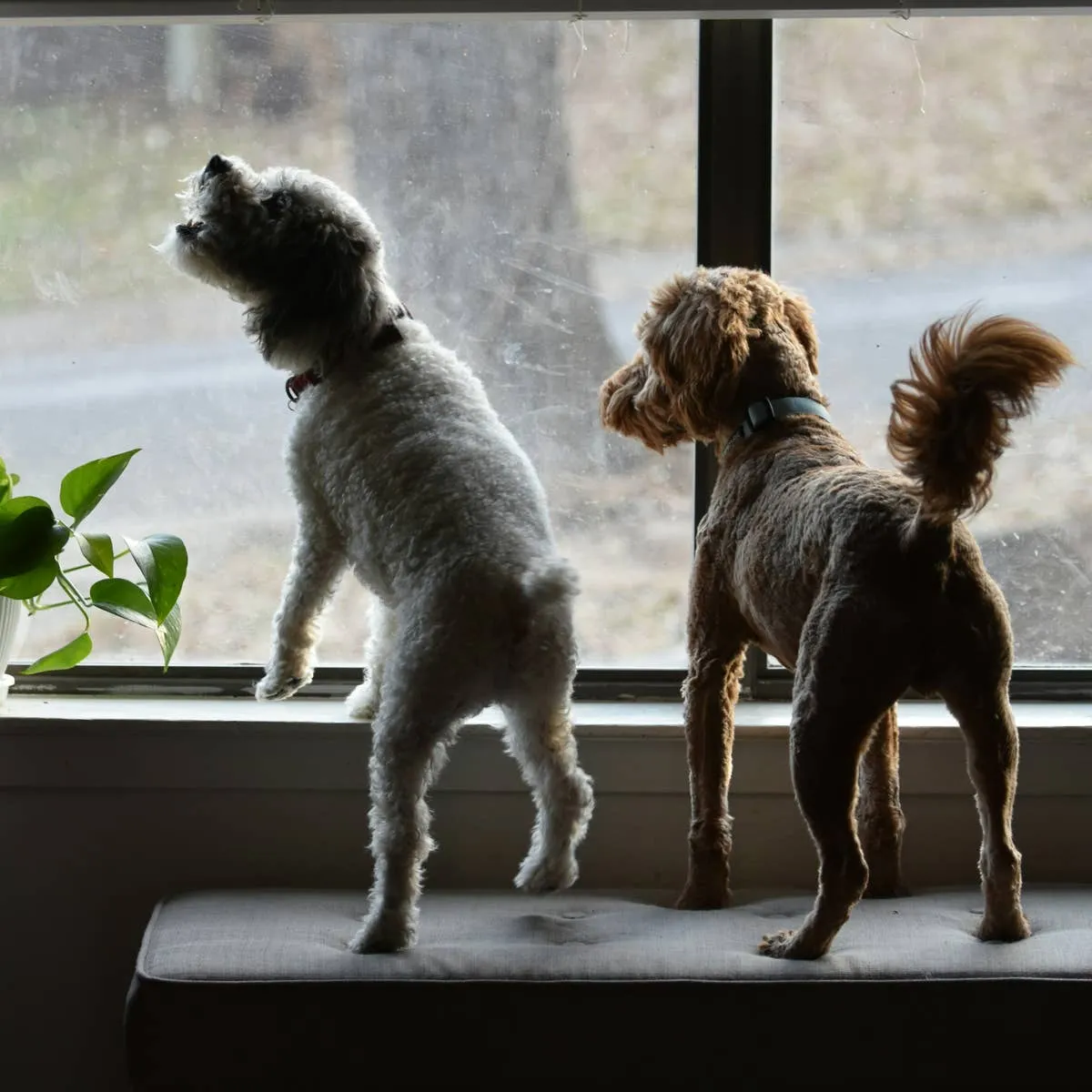
A dog that barks endlessly at the window can quickly turn a peaceful home into a noisy one. Barking is how pups communicate, but when it becomes excessive, it can wear on pet parents fast. A new puppy's barking may feel harmless at first; over time, though, the constant noise can become hard to live with.
Some dogs slip into an intense guarding mode, particularly when a window gives them a full day's view of the outside world. Passing cars, squirrels in the yard, even leaves drifting down from branches can set them off. Many pet parents would agree that this kind of nonstop barking tests their patience to some degree.
What Makes Dogs Bark at the Window?
There are many possible reasons a dog barks while watching the outdoors: alerting their humans to a perceived threat or danger, excitement, nervousness, or even aggression. For some pups, barking is a first line of defense when they sense a threat to the people they love. Boredom is another factor; as the day goes on, a dog's need for mental stimulation can build.

Dog looking out the window.
Five Approaches to Reduce Window Barking
Limit What Your Dog Can See
Cutting off your dog's view of the outdoors is one of the most effective ways to cut down on window barking. Certified professional dog trainer and behavior consultant Cathy Madson notes that closing the blinds is among the simplest ways to curb the behavior. The logic is simple: with nothing to see outside, your dog has fewer chances to react to people, animals, or vehicles going past.
Adjusting your pet's surroundings can also reduce the triggers for barking. If your dog tends to bark when you're not home, a crate or a section of the house without window access may help. Sound can matter too: leaving the television, music, or a white noise machine on can mask outdoor noises that might otherwise set your pup off.
Train a Different Response
Rather than treating barking as an unchangeable part of your dog's personality, teaching an alternative behavior can be a more lasting fix. Instead of concentrating on what you don't want your dog to do, show them what you would like them to do instead.
One option is to set up a designated "quiet spot," such as a bed or mat, where your dog can settle when they notice activity outside. With steady training and positive reinforcement, they'll come to link that spot with passing cars, people, and other common triggers.
At first, you'll need to guide your pet to the spot and reward them for staying calm. Expert trainer Adrienne Farricelli suggests: "If your dog barks to alert you of something out of the ordinary, acknowledge it with a calm "thank you," ask him to go to his mat and lie down, and then reward him for settling down. This helps reassure your dog that he's done his job and that he can now relax."
Over time, many dogs learn to head there on their own instead of rushing to the window and barking at everything that goes by.
Give Your Dog More Exercise

Goldendoodle going for a walk.
Sometimes window barking has less to do with what's happening outside and more to do with a dog's surplus energy. Dogs who lack enough physical activity or mental stimulation may be more inclined to spend their time watching the neighborhood and reacting to every sight and sound.
More daily exercise can help lessen the urge to bark at people, vehicles, and animals that pass by. Depending on your pup's age, breed, and health, this could mean longer or more frequent walks, fetch, swimming, or other activities that burn energy.
Mental enrichment matters just as much. Puzzle toys, scent games, snuffle mats, and treat-dispensing systems are among the many options that engage your pup's mind. A dog whose physical and mental needs are met tends to be less likely to spend the day staring out the window like a self-appointed neighborhood watch.
Reward Calm Behavior
Experts at the ASPCA recommend noticing the moments when your dog stays calm, not only the times they bark. If your pup spots something outside the window but chooses not to react, reward that with extra praise, attention, or even a small treat.
By consistently rewarding quiet behavior, you're teaching your dog that staying calm pays off more than barking at every passing person, animal, or vehicle. Over time, many dogs begin looking to their pet parents for a reward rather than immediately barking at every passing person, animal, or vehicle.

Shiba Inu getting a treat.
Try Desensitization
Ms. Madson suggests, "Teach your dog an alternative reaction to the thing that originally caused barking, which is called the 'trigger' for the behavior. You'll be desensitizing them to seeing or hearing someone walk by."
Offering rewards and positive reinforcement before your dog barks is key to desensitizing your pup to activity outside the house. You can even ask a friend to help by having them walk in front of your house and offer praise and encouragement when your dog doesn't bark.
When Barking Points to Something More Serious
Most dog parents would agree that window barking is a common canine behavior. Still, excessive barking can point to a larger issue, and watching your pet's emotional health matters. Excessive window barking can be tied to fear, anxiety, or frustration.
If your dog's window barking seems to get worse over time or becomes too hard to handle on your own, talk to your veterinarian or a certified dog trainer in your area.
Encouraging News
Window barking is a common problem, but it doesn't have to become a permanent habit. By adjusting your pet's environment, providing ample exercise and enrichment, and consistently rewarding calm behavior, you can help them learn that not every passerby (or falling leaf) calls for a full security report.