Stop Your Dog's Digging: A Trainer's Guide to Redirecting the Behavior
Hayden Carter
When your beautifully kept garden starts to look like the surface of Mars, with craters deep enough to plant a flag, you know your dog has a digging problem.
But is your dog really the one with the problem? It depends on how you look at it. For humans, a lush lawn represents hours of mowing, watering, and upkeep.
For your dog, the lawn is a playground. Every inch is a platform to explore, every pile of dirt a story, and the act of uncovering something is its own reward.
Yet there are many other good reasons why dogs dig, and they all make perfect sense once we understand the logic behind the behavior.
Ready to dig in? Let's get started!
Related: Why Does My Dog Bark at Nothing? A Trainer Explains the Truth
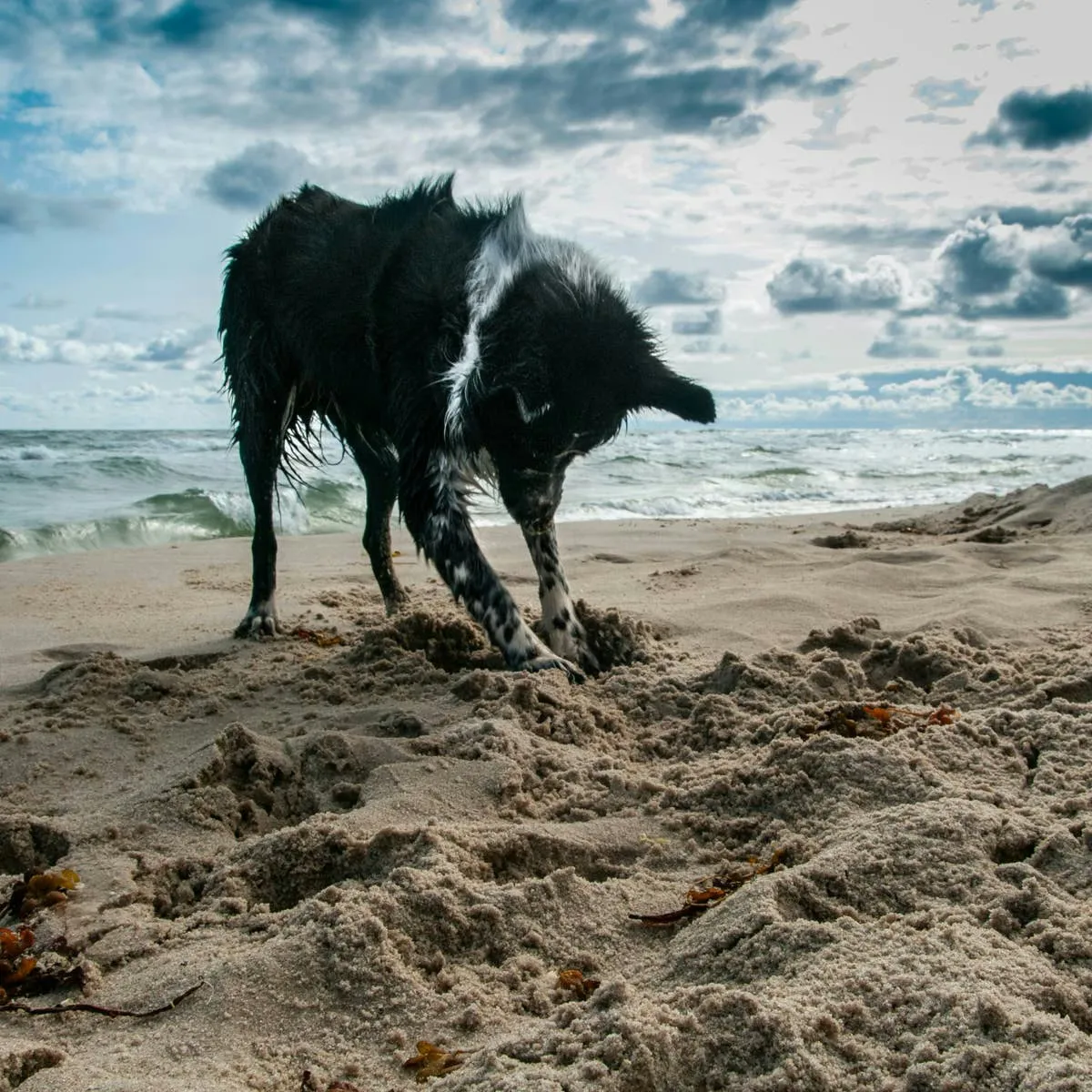
When dogs dig, their seeking system is activated, and a rush of dopamine makes the behavior inherently satisfying and self-rewarding.
Niels Baars, Unsplash
A Normal Canine Behavior
When we bring another species into our homes, we must accept that each pet comes with a set of species-specific behaviors.
These behaviors can be far from charming. In fact, many people find certain natural behaviors annoying or unacceptable, notes board-certified veterinary behaviorist Dr. Terry Marie Curtis.
Species-specific behaviors in dogs include natural canine actions like jumping, barking, chewing, and scavenging. Digging is also a species-specific behavior that is part of being a dog.
Rather than a behavior problem, a species-specific behavior like digging should be classified as a problem behavior, adds Curtis. This shifts our perspective.
Instead of fighting the behavior, we should understand normal dog behaviors and find compromises that allow us to live together peacefully.
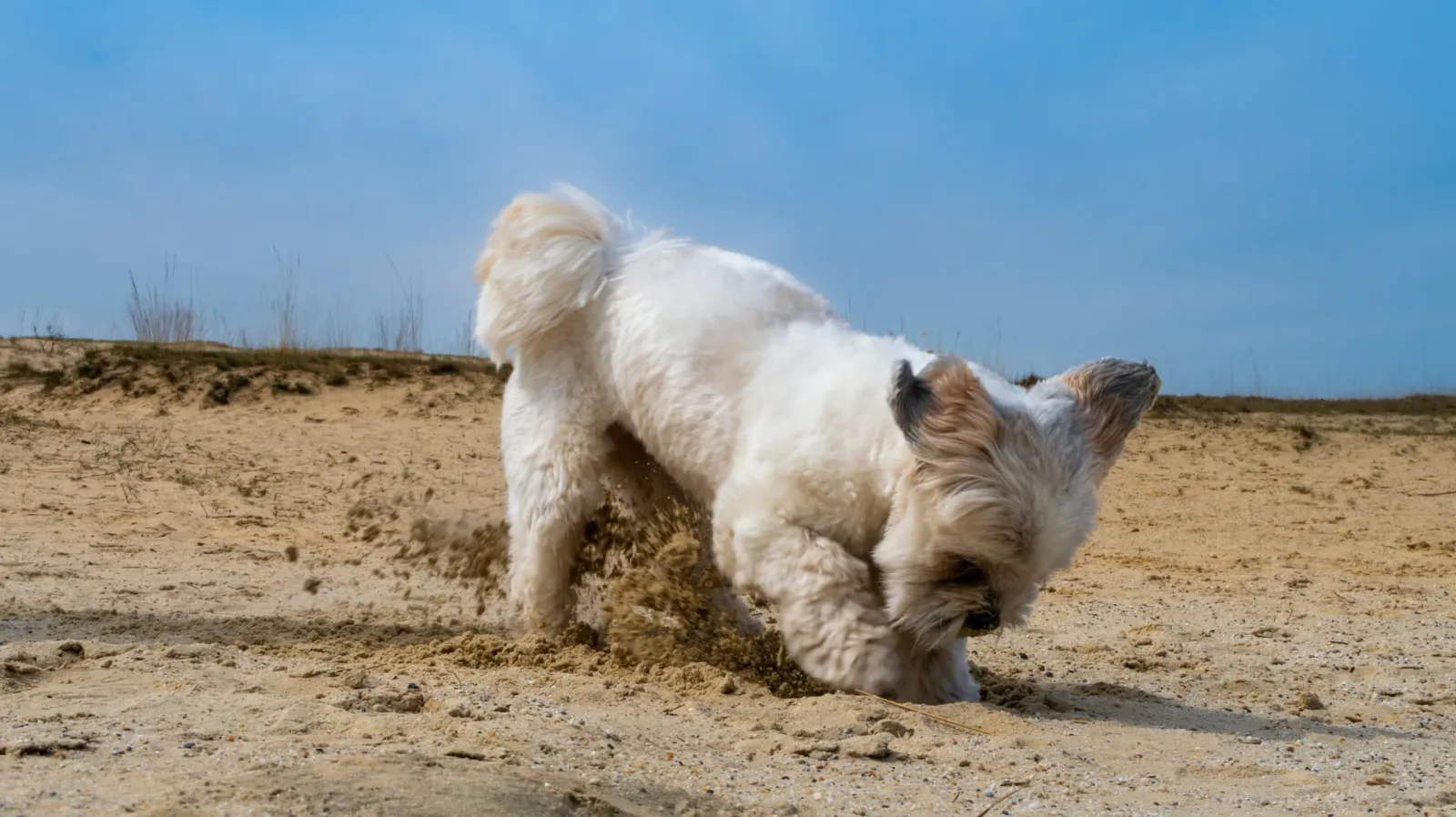
Every hole dug tells a story—are you listening?
Sabbra Cadabra, Unsplash
What's Behind Your Dog's Digging?
Interestingly, not all digging is the same—each type serves a different purpose. Broadly, digging can be motivated by practical, instinctual, or emotional reasons.
So the first step is to identify the "why" behind the digging. Once you know that, you can channel your dog's natural urge into something less destructive but just as satisfying.
Here are several reasons why dogs enjoy tunneling through dirt.
Seeking Relief From the Elements
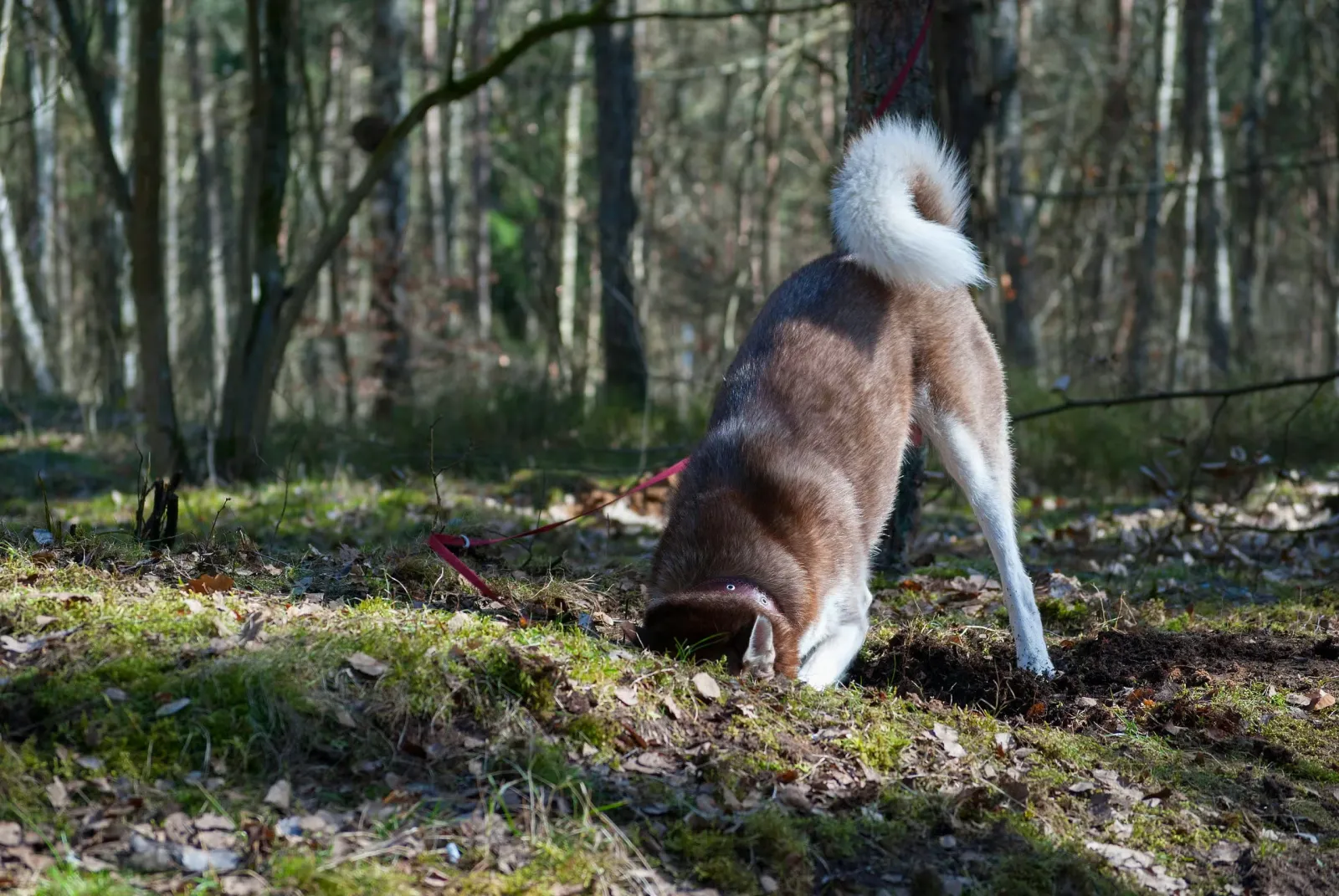
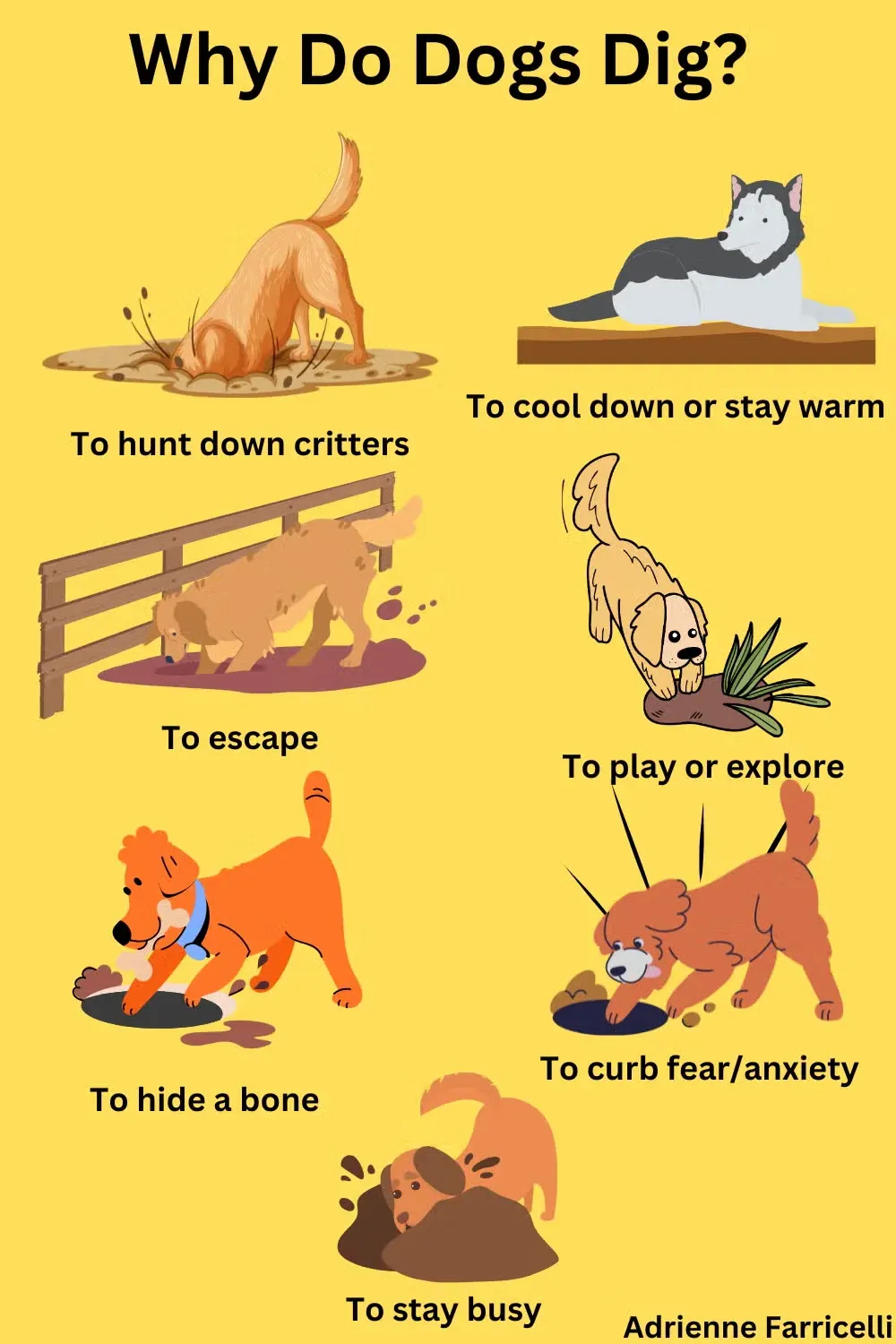
Is your dog digging when it's hot outside? During the dog days of summer, dogs may dig a hole to escape the scorching sun. The hole offers a cool spot to rest.
While any dog can dig to cool down, this behavior is often seen in double-coated breeds like Huskies and Malamutes.
Solution
If your dog is trying to cool down, provide access to a shaded area or a cool, air-conditioned space. You can also offer a kiddie pool or cooling mats.
If your dog seems hot for no apparent reason or when temperatures are normal, consider a vet visit to rule out medical issues affecting his ability to regulate temperature.
Searching for Treasures
Your dog may be tapping into his inner archaeologist, hunting for buried treasure. Maybe he's after earthworms, or he's digging up your newly planted tulips. Soft or loosened soil from gardening can entice dogs to dig. Some dogs enjoy playing tug-of-war with plant roots.
Solution
Prevent your dog from accessing areas where you've recently dug. Use barriers like fencing or plant covers to protect garden beds. Redirect your dog's energy to appropriate outlets that satisfy his digging desires.
See more on this below, under "Create a Digging Zone."
Saving for Later
This is called "caching," a behavior rooted in a dog's natural instinct to save surplus food. It's an adaptive behavior inherited from their ancestor, the wolf.
In the wild, wolves hunt large prey, but since they can't eat all the meat at once, they instinctively bury the excess. While dogs no longer hunt, they still often cache bones and long-lasting edibles.
Solution
If your dog tends to bury food, avoid giving items that trigger burying behaviors.
Planning an Escape
Where exactly is your dog digging? Under the fence? Along the property line? If so, he might be planning a canine version of The Great Escape. What are these dogs after? It depends.
Some dogs dig just to explore. They may seek adventure, like meeting other dogs or getting tasty treats from neighbors. Intact males may want to roam and find a mate. Dogs with separation anxiety may dig at doors hoping to reunite with their owners.
Solution
If your dog is digging under the fence to escape, take steps to prevent it. Consider having a contractor install an underground barrier to reinforce the fence. Burying the fence base or adding barriers can help.
If you have an intact male, neutering can reduce urine marking, mounting, and roaming. Dogs with separation anxiety need a behavior modification program, possibly with medication.
 Adrienne Farricelli, Canva
Releasing Pent-Up Energy
Young, under-exercised dogs are the classic diggers. If holes appear randomly, your dog may be digging out of play or boredom.
If your dog is bored and spends most of the time in the backyard, or if he's under-exercised, digging may be a form of mental stimulation or an outlet for pent-up energy. After all, that frustrated energy has to go somewhere!
Solution
Provide exercise by walking your dog and engaging in fun play sessions with you or other dogs. Enrichment can come from food puzzles, brain games, and training sessions.
There are also many engaging sports for active dogs. If your dog is a digger, you can enroll him in earthdog trials.
Hunting Down Critters
Dogs may dig to hunt underground critters. Some breeds are particularly attracted to digging, such as several small terriers and Dachshunds.
Solution
Hire a pest control company to remove the critters from your yard. Ensure the company uses humane and environmentally friendly methods to keep animals and your dog safe.
To satisfy your dog's hunting instincts, hide treats around the yard for a "treasure hunt." Organize scent work activities, play hide-and-seek, or use a flirt pole to tap into his hunting and chasing instincts.
Seeking an Outlet for Anxiety
Digging may also be a way for dogs to ease anxiety. Dogs with separation anxiety may dig by the door, and dogs fearful of noises may dig to escape scary sounds.
When dogs dig due to anxiety, they may pant, pace, and vocalize. In some cases, digging can become compulsive.
Solution
If the underlying cause of your dog's anxiety is identified, address it. For example, for separation anxiety, a pet sitter or doggy daycare during work hours can help.
For noise-phobic dogs, limiting exposure to frightening sounds should reduce anxiety. If that's not possible, a desensitization and counterconditioning program can change the dog's emotional response.
Dogs digging due to confinement phobia or barrier frustration may benefit from larger confinement or gradual acclimation to confinement.
Some forms of anxiety benefit from calming aids like supplements, pheromone products, or vet-prescribed medications.
Still Struggling?
If you're still unsure about the motivation behind your dog's destructive digging, record the behavior and show it to a dog trainer or your vet. These professionals can help identify triggers that point to a specific type of digging or your dog's motivational state.
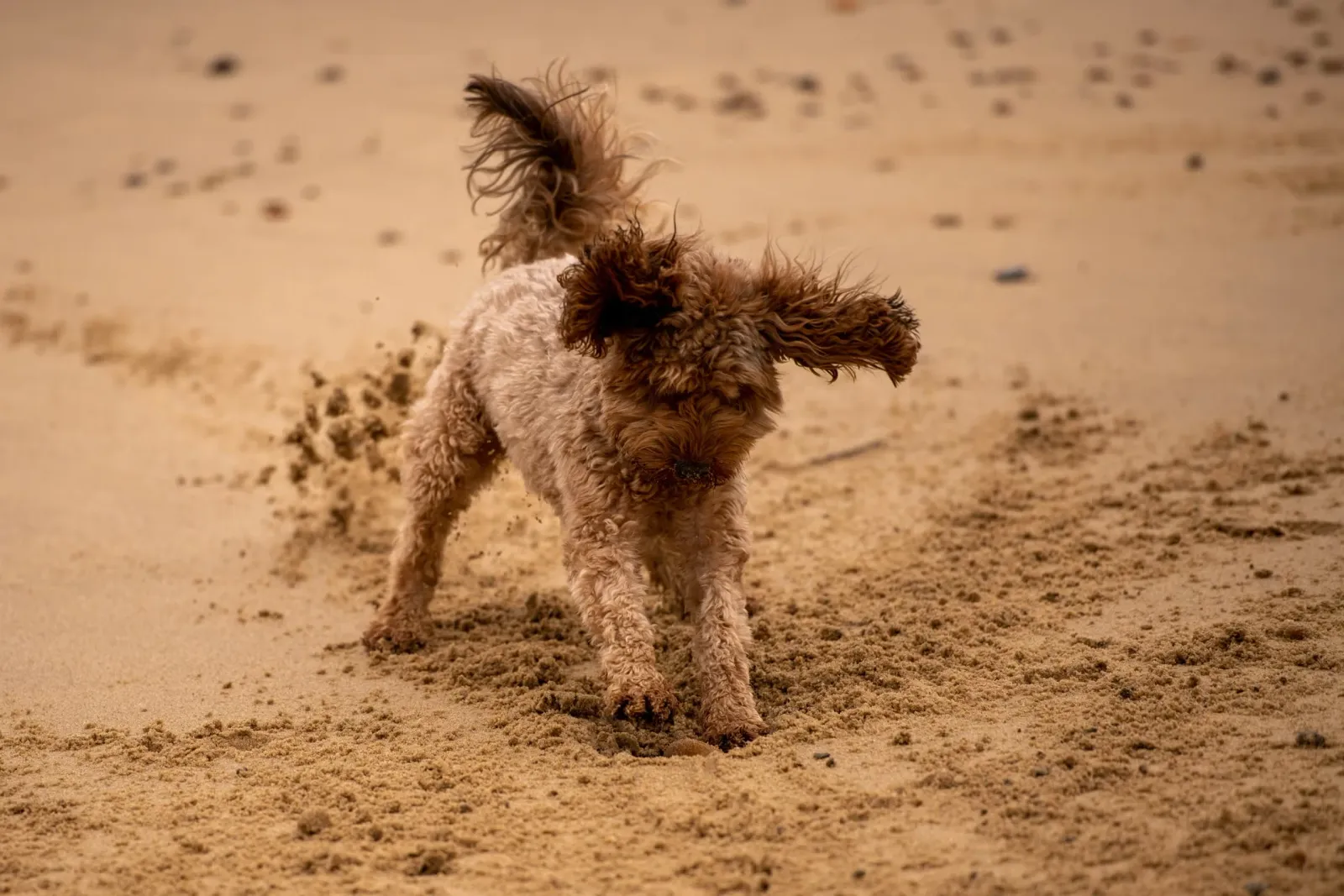
If your dog’s digging behavior is persistent or complex, seek help from a certified dog trainer/ behavior consultant.
Stephanie O'Donnell, Unsplash
How to Stop Your Dog's Destructive Digging
While digging can be destructive, the good news is that you can redirect it and provide outlets without crushing your dog's spirit.
Protect Your Valuables
Whether you have a vegetable garden or flower bed, protect it from busy paws. Use fencing or chicken wire to shield prized plants. If your dog is digging up your lawn, block access to that area.
If you love gardening, avoid leaving piles of loose dirt that scream "dig me!" to your dog.
Create a Digging Zone
Remember, digging is a species-specific behavior. You can't remove it from your dog's repertoire, but you can provide legitimate outlets.
Fill a sandbox with sand or fence off a corner of your yard and fill it with loose soil. Alternatively, fill a kiddie pool with balls. Bury toys for your dog to dig up and find.
Encourage your dog to dig in these designated areas by using your feet to dig a bit and inviting your dog to join. Praise your dog for digging.
Eventually, you can put the digging behavior on cue by saying "go dig!" as you point at the dirt and use your feet to encourage digging.
Is Your Dog Indoors?
You can still let your dog dig to his heart's content. The iDig digging pit by iFetch can keep your dog busy and happy even on rainy days when your yard is a muddy mess. As with the outdoor pit, encourage your dog to dig by hiding treats and toys under the flaps of this brain game.
The ultimate goal is to make areas where you don't want digging difficult or impossible to access, while making areas where you do want digging readily accessible, engaging, and rewarding. This helps your dog make good choices.
Did You Know?
According to the Online Etymology Dictionary, the word "terrier" comes from the Latin word terra, meaning "earth." Small terriers were named this because they were selectively bred to dig for and hunt underground critters like foxes and badgers.
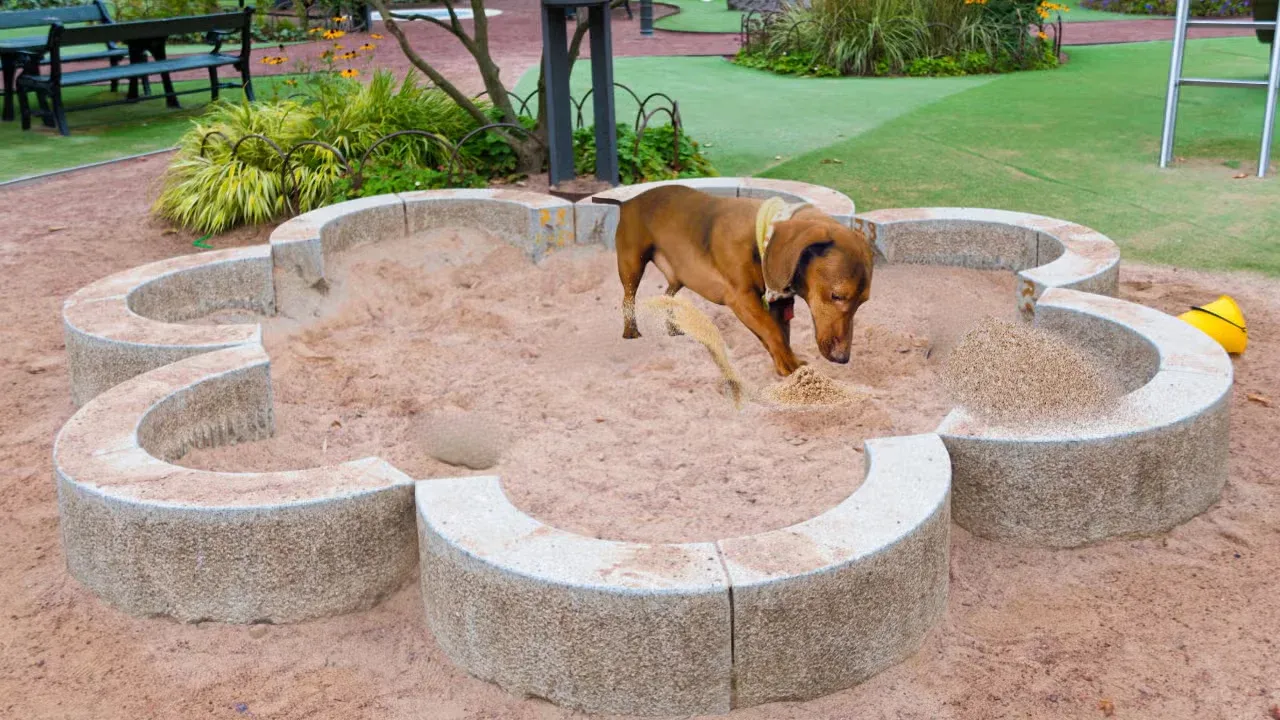
An example of an outdoor digging pit just for your dog!
Nihmar, Canva
What to Do if You Still Catch Your Dog Digging
The strategies above help address your dog's needs and prevent temptation, but what if your dog still digs? In these cases, interrupt the behavior with a verbal cue, ask for a desirable behavior, and reward that.
This is best done at the earliest sign of intent to dig (always supervise your dog in the yard). As soon as you notice your dog sniffing and preparing to dig, call him to you, ask him to sit, and give him a long-lasting edible to chew so he focuses on that instead.
If he keeps insisting on digging, send him to an area where digging is allowed, or remove him from the area and encourage alternate behaviors, like playing tug or chewing on something tempting.
Aim to Redirect, Not Completely Erase
As much as we'd love to make digging vanish completely, remember that it's a species-specific behavior hardwired into their DNA.
Simply punishing or suppressing it isn't the solution. Doing so will likely cause confusion, frustration, or even anxiety.
So while you can't completely curb your dog's natural inclination for digging, you can outsmart it. The key is offering alternatives that satisfy their inner archaeologist while keeping your garden lush and sod intact.
With planning, patience, and designated "dig zones," you can make the perfect compromise: your dog digging to his heart's content, just not where it's problematic. A win-win!
Up Next:
References
- Blackwell's Five-Minute Veterinary Consult Clinical Companion: Canine and Feline Behavior
- Odendaal, J.S. (1997). An ethological approach to the problem of dogs digging holes. Applied Animal Behaviour Science, 52, 299-305
- Vetter SG, Rangheard L, Schaidl L, Kotrschal K, Range F. Observational spatial memory in wolves and dogs. PLoS One. 2023 Sep
- Neilson, Jacqueline & Eckstein, Robert & Hart, Benjamin. (1997). Effects of castration on problem behaviors in male dogs with reference to age and duration of behavior. Journal of the American Veterinary Medical Association