Why Does My Dog Keep Licking Their Lips? 10 Possible Explanations
Elliot Watson
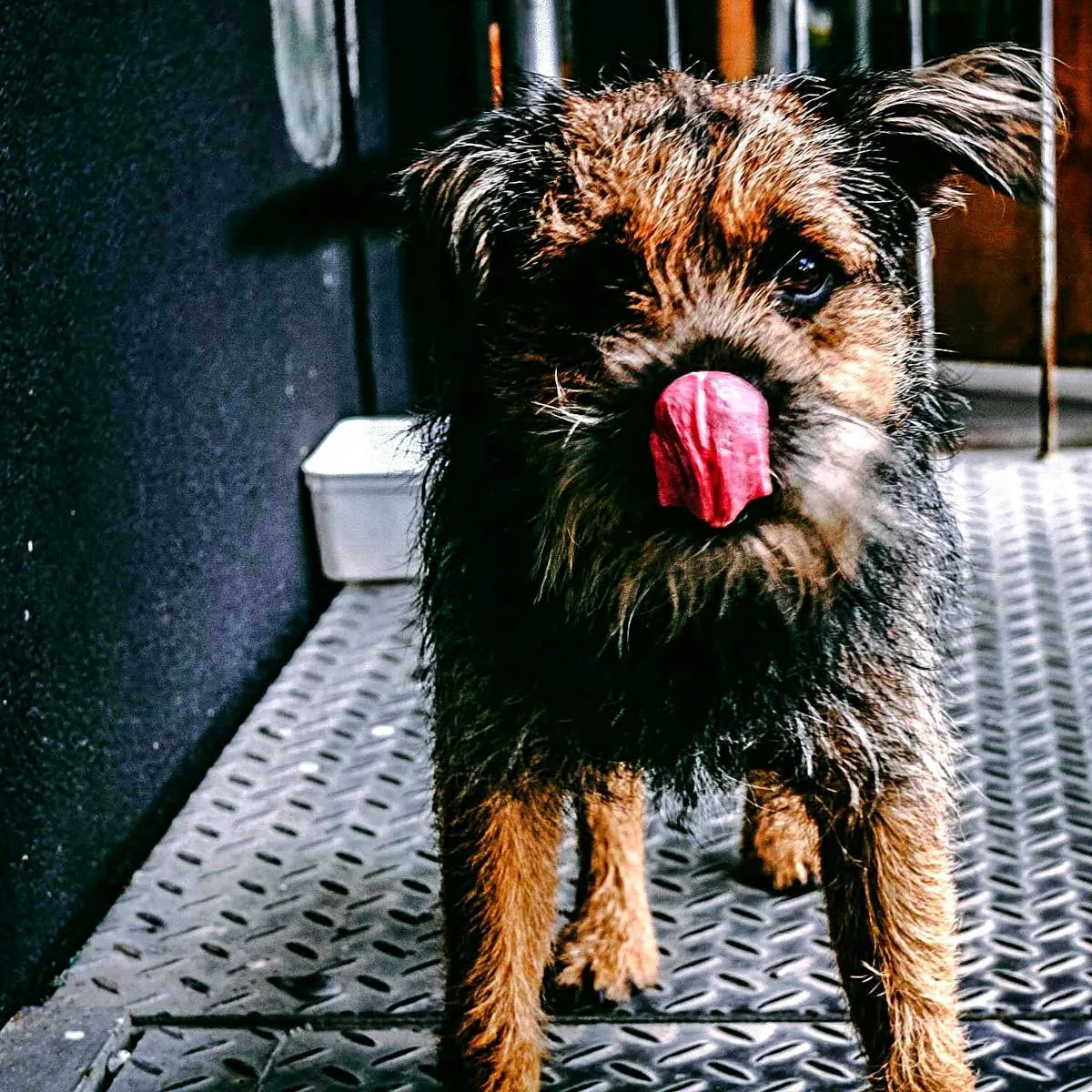
My Dog Won't Stop Licking Their Lips: What's Going On?
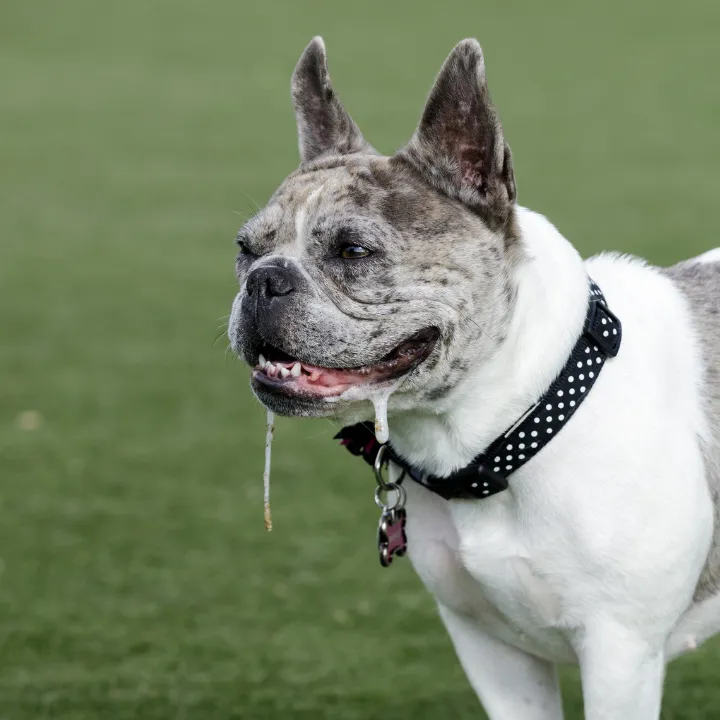
Imagine your dog suddenly begins smacking their lips as if they have a tasty treat stuck to their nose. The licking continues, and your dog appears uneasy. They might also lick the carpet, floor, or even the air, as if trying to remove something. Excessive drooling might accompany this behavior. You inspect their nose, gums, and teeth—everything looks normal, yet the licking persists. Could it be something else? When you take them outside, they might frantically eat grass. What's causing this?
Why Is My Dog Constantly Licking Their Lips?
Dogs may lick their lips repeatedly as a sign of appeasement when they feel threatened, anxious, or nervous, or when they have a health issue such as nausea, oral discomfort, allergies, or internal pain:
- Medical condition: According to veterinarian Dr. Katie Grzyb, dogs who lick their lips without an apparent reason are often nauseous, have allergies, or are dehydrated. Constant lip licking and smacking can also result from abnormal medical conditions or learned behaviors.
- Calming signal: If you notice this behavior when you scold your dog or when they are at the vet or in another uncomfortable situation, lip licking may be a stress response. Turid Rugaas, a Norwegian dog trainer and behaviorist, coined the term “calming signal” to describe lip-licking triggered by stress, fear, or confusion. Your dog licks their lips to communicate, “I feel threatened or nervous. Please go away.”
- Obsessive behavior: This behavior can start as a stress response but may develop into an obsessive habit over time, similar to nail-biting in humans.
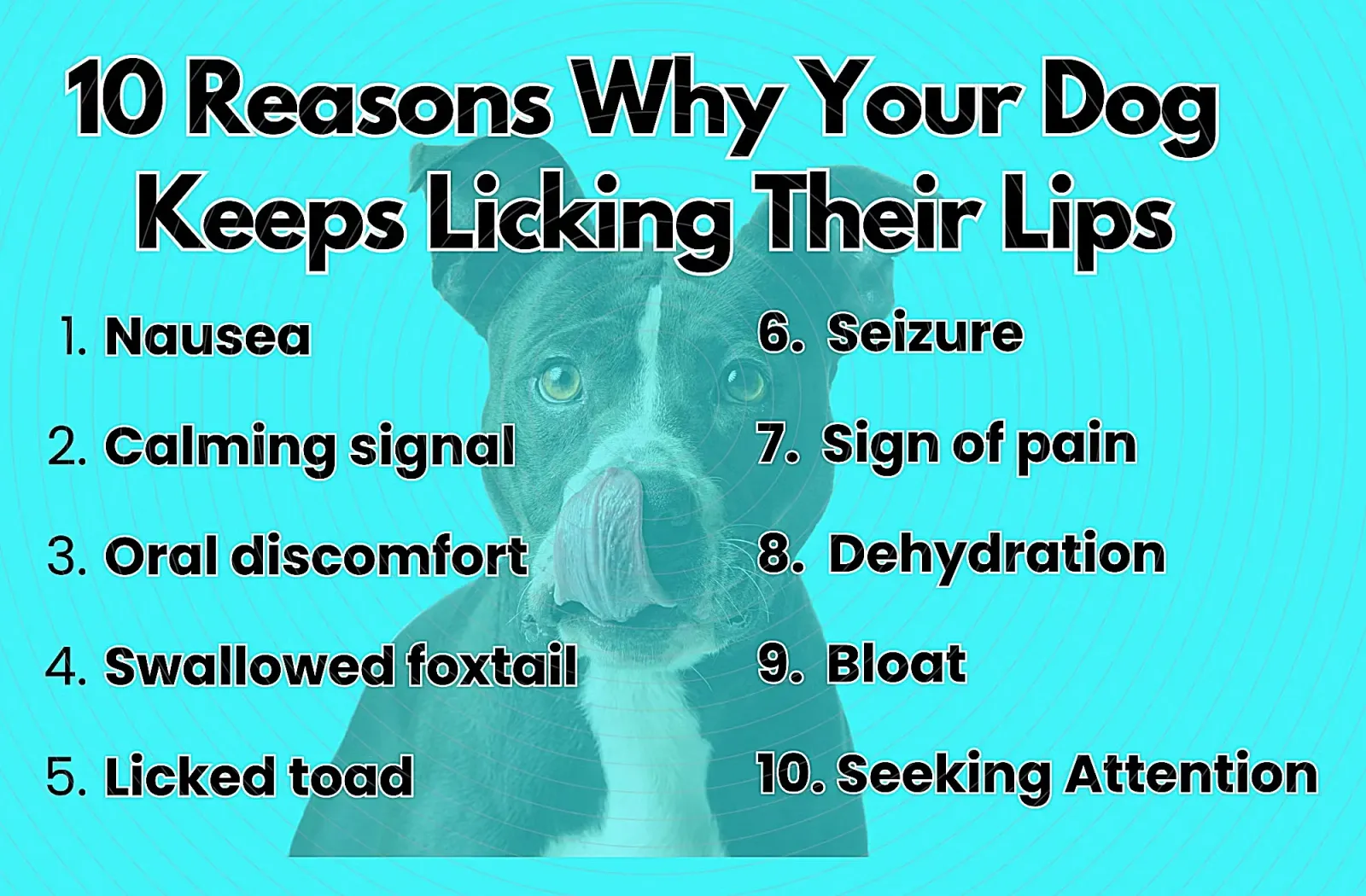
Here are 10 reasons your dog might be licking their lips.
1. Your Dog Is Nauseous
- If your dog is licking and swallowing, she is most likely nauseous.
- Nausea causes excessive salivation, leading her to lick her lips and swallow to manage the saliva.
- She may also eat grass, a natural way for dogs to induce vomiting.
- Licking and gulping can indicate your dog ate something that disagreed with her stomach or, worse, something toxic.
If you don't think your dog ingested any of the toxic foods on this list, try these home remedies for vomiting and vet-approved remedies for an upset stomach. If vomiting or nausea persists for more than 24 hours, see a vet immediately. It could be a critical medical condition or a sign of poisoning.
2. Your Dog Is Displaying a Calming Signal
- Dogs facing a perceived threat may lick their lips as a sign of appeasement.
- This pacifying behavior appears when dogs are stressed, fearful, or anxious.
- By licking their lips, they signal that they would rather not confront their fear. Context is important.
- If your dog licks their lips every time you come home, they may have been scolded in the past when you found a puddle of pee left while you were away.
- Your dog cannot connect your scolding with something they did hours ago, so they might be frightened of you each time you return.
- Lip licking can also become a nervous habit, similar to nail-biting in humans.
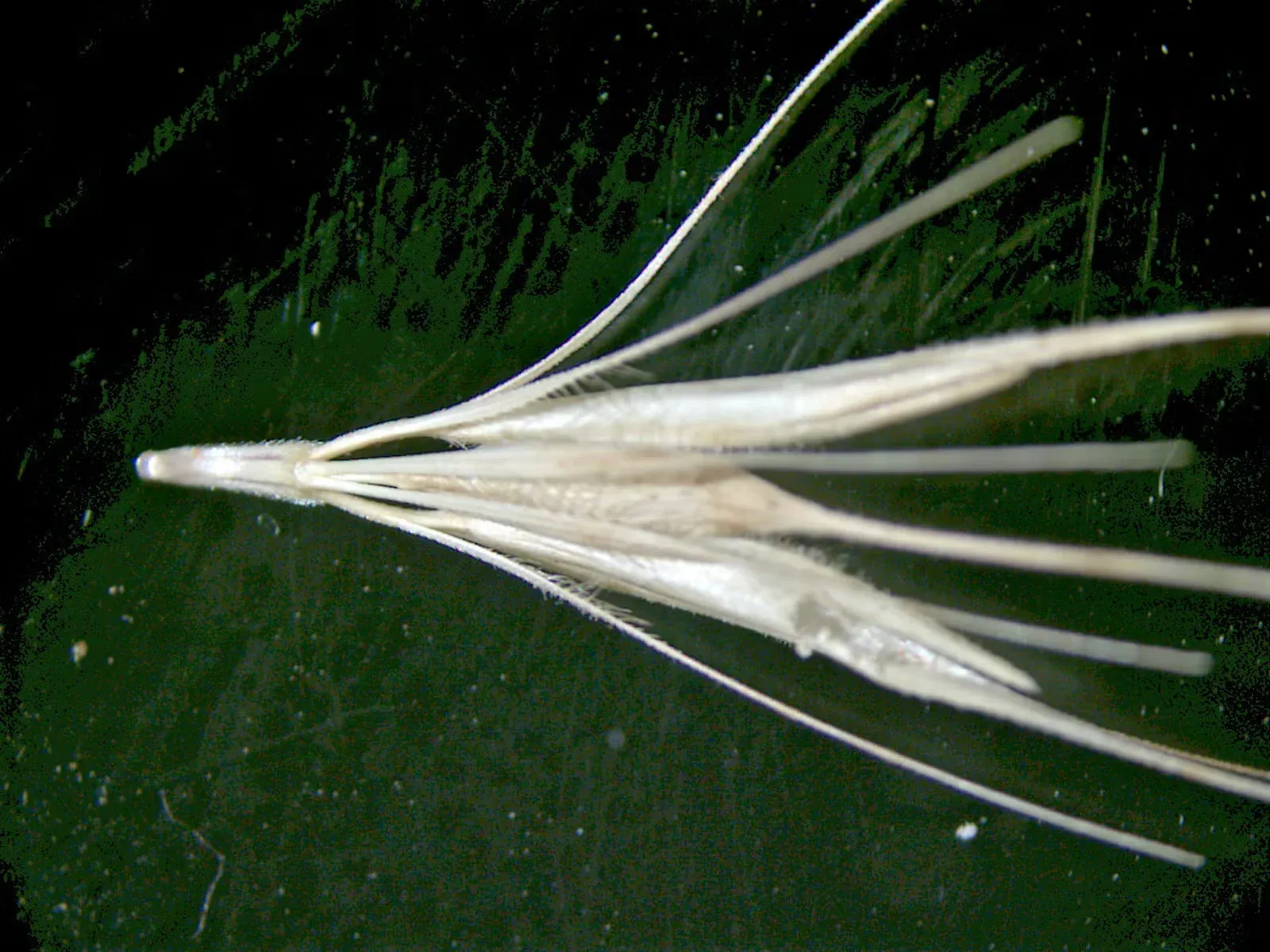
Foxtails are spiky grass seeds that can travel up your dog’s nose, causing constant licking, sneezing, and head shaking.
Curtis Clark via Wikimedia Commons (CC-BY-SA -2.5}}
3. Your Dog Swallowed a Foxtail
- Foxtails are awns (spiky grass seeds) known to travel up a dog's nose, into the ears, between the toes, and even into the lungs.
- If your dog swallowed a foxtail, she will likely appear panicky and will constantly lick, swallow, and sneeze.
- She might also eat anything she finds on the ground (i.e., grass or leaves).
- She may also lick the floor, people, or walls for comfort.
If you think your dog swallowed a foxtail, see a vet immediately. The vet will determine the best way to remove it. This may require sedation, depending on the seed's location.
4. Your Dog Has Oral Discomfort
If something is wrong in a dog's mouth, it can cause oral pain and discomfort. Owners should check for signs of:
- Tooth decay
- Periodontal disease
- Objects embedded in the mouth
- Swollen salivary glands
In particular, owners should look under the dog's jawline or under the dog's tongue for swelling. These are the locations of the salivary glands.
- If such areas appear swollen, this may indicate accumulated fluid in the surrounding tissues, known as a sialocele.
- This condition needs to be seen by a vet promptly.
- An owner may be able to inspect the teeth, tongue, and gums, but it can be difficult to see the larynx.
- A vet may have to sedate the pet so that they can see over the soft palate.
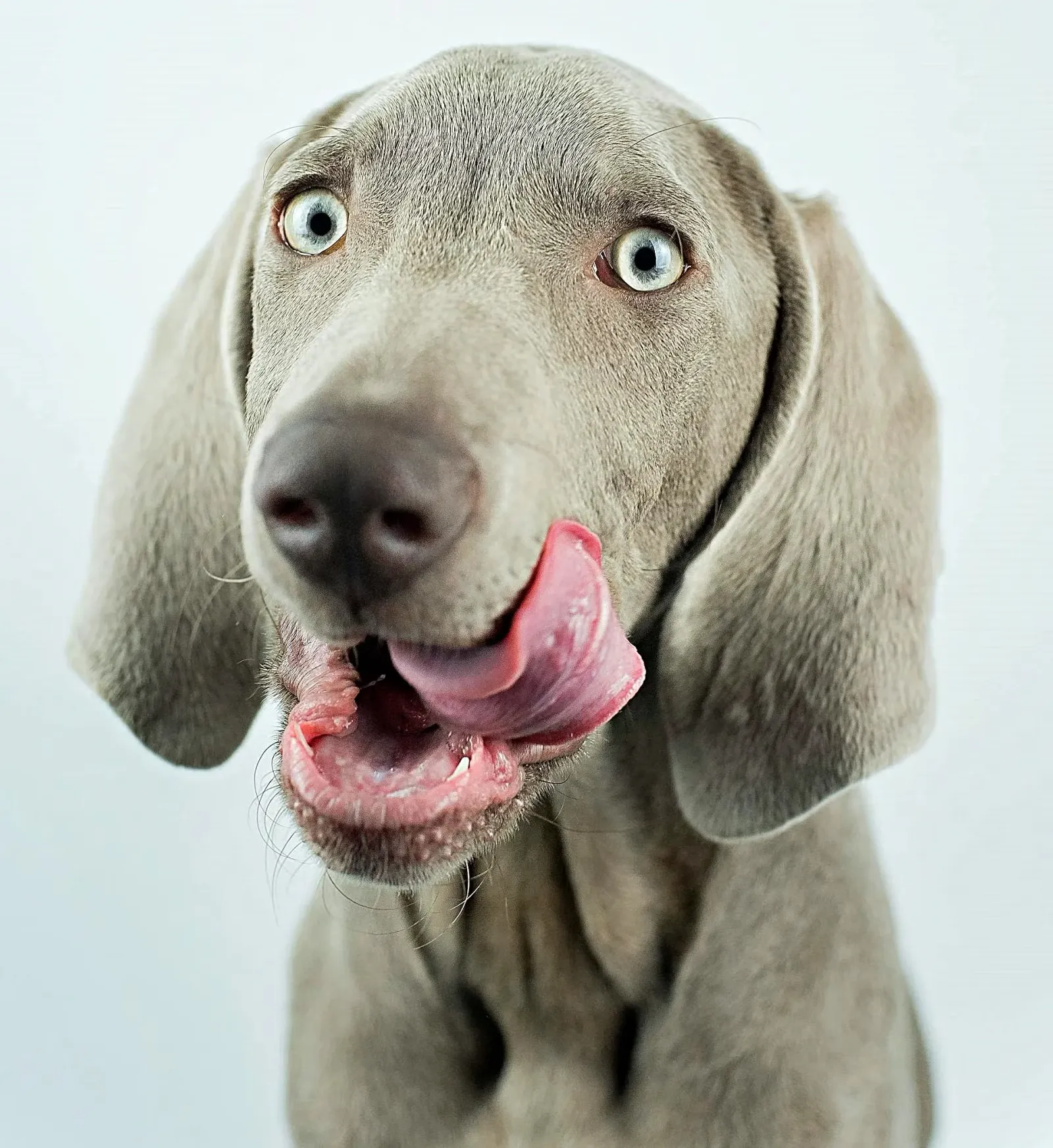
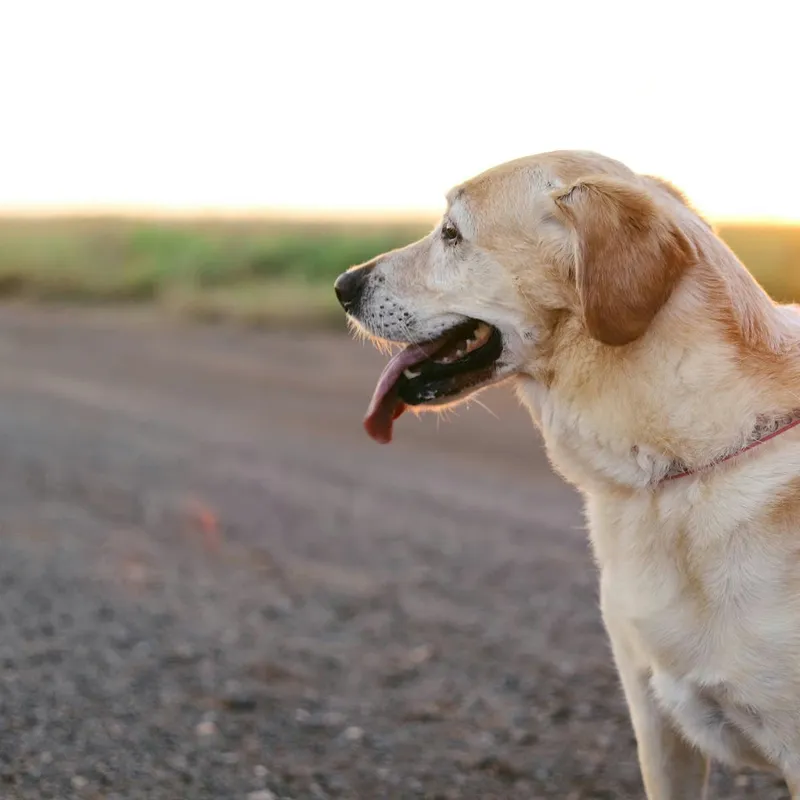
Your dog may be licking their lips due to pain in their mouth or even throat. Also, liver and kidney disease can cause dehydration, which will lead to lip licking.
Photo by Alina Skazka on Pexels/Photoscape
5. Your Dog Licked a Poisonous Toad
The two most common species of deadly toads are the Sonoran Desert (Colorado River) toad and the cane toad. Signs of toad venom toxicity appear within minutes. Symptoms include:
- Severe drooling
- Very red gums
- Hyperthermia (body temperature rises)
- Vomiting
- Head shaking
- Pawing
- Foaming at the mouth
- Loss of coordination
If these signs appear, and if your dog permits, wipe the roof of the mouth, gums, and tongue with a wet cloth, rinsing with water to remove as much of the sticky substance as possible, and rush your dog to the vet immediately.
6. Your Dog Is Showing Signs of Pain
- Some dogs whine or bark when they are in pain. Others show more subtle signs, like lip licking.
- Any cause of pain could lead to this behavior in pets, so it is imperative that a vet checks your dog to avoid faulty guesswork.
- Common causes include liver or kidney diseases or any conditions that cause dehydration.
7. Your Dog Is Having a Partial (Focal) Seizure
- In some cases, dogs may develop partial seizures. Dogs with partial seizures may be conscious and responsive but may lick the air and snap as if catching imaginary flies.
- If your dog seems listless or depressed after having an episode like this, then it is very likely that your pet is suffering from epilepsy.
- Speak to a vet immediately. They may prescribe medication to control the seizures.
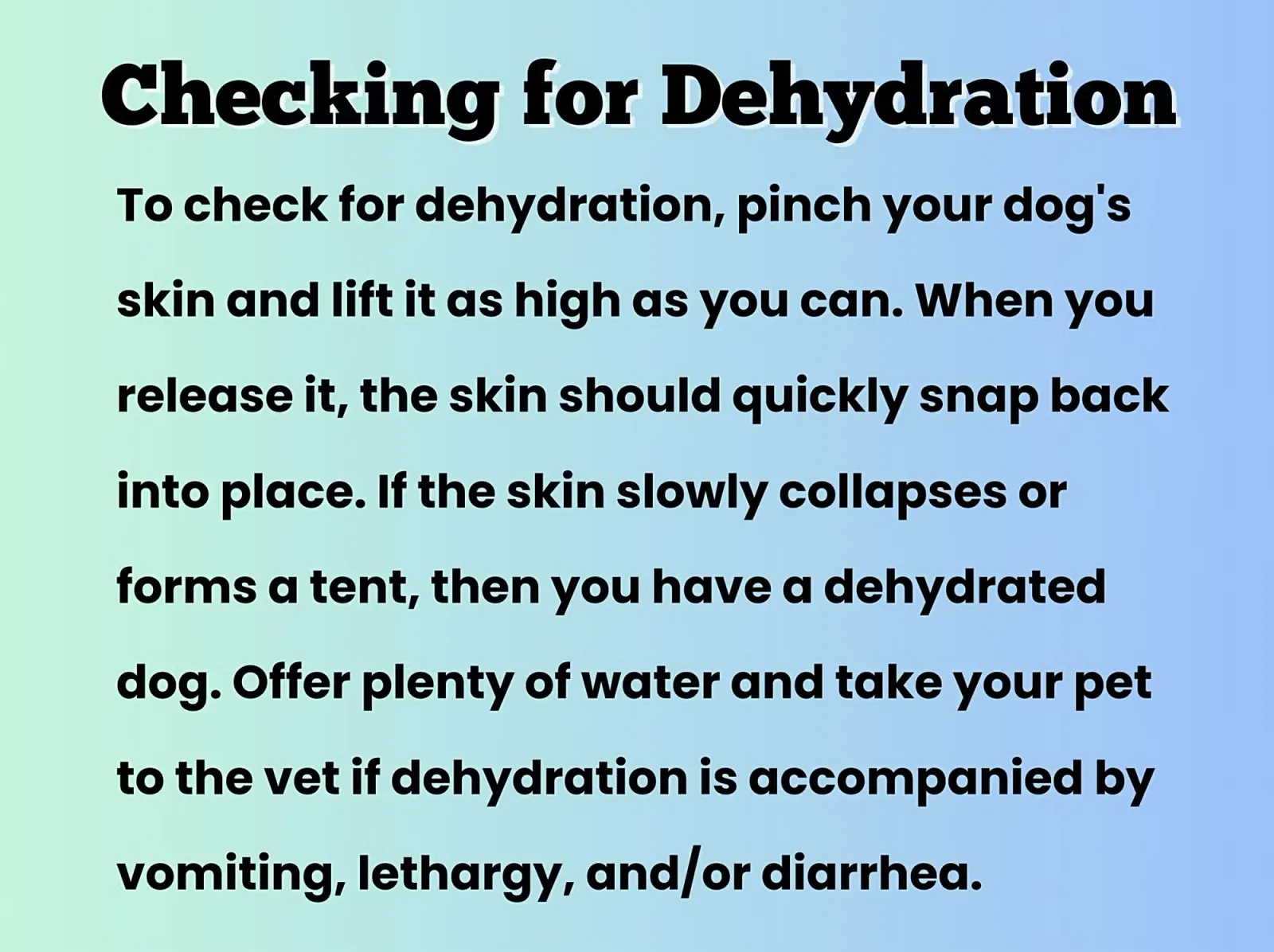
8. Your Dog Is Dehydrated
- Dogs smack their lips when they are dehydrated.
- Dehydration may be brought on by hot weather (or heat stroke), strenuous physical activity, or an underlying medical condition, such as kidney or liver disease.
- Signs of dehydration include dull and sticky gums, sunken eyes, and loss of skin elasticity.
9. Your Dog May Have a Case of Bloat
- If the dog drools, paces nervously, and retches but nothing comes out, the dog should be seen by a vet immediately, as this can be a symptom of bloat.
- Bloat is an enlarged stomach caused by food, fluid, or gas.
- It can come on suddenly and is seen mostly in deep-chested dog breeds.
- It can be dangerous and even fatal if not treated by a vet.
10. It's Just Attention-Seeking Behavior
- If you can confidently rule out any medical conditions, your dog may be using lip-licking as a way to get your attention.
- Do you pet your dog or turn around and talk to her every time she licks her lips?
- If so, she may have associated this behavior with getting your attention and is now using it to get you to pet her or display other signs of affection toward her.
Other Signs and Behaviors to Look For
Nausea and eating non-food items (e.g., balls of dust or clumps of hair) are the most common reasons for unexplained swallowing or licking, but esophagitis (an inflammation of the esophagus) caused by acid reflux or oral diseases that affect the tongue or gums may also result in constant licking and gulping.
If the behavior only appears periodically, then there is a possibility that your dog is suffering from a seizure. Does the swallowing or licking look like your dog is trying to catch flies or is licking the air? This may be a sign of epilepsy, partial focal seizure, or some other neurological disorder.
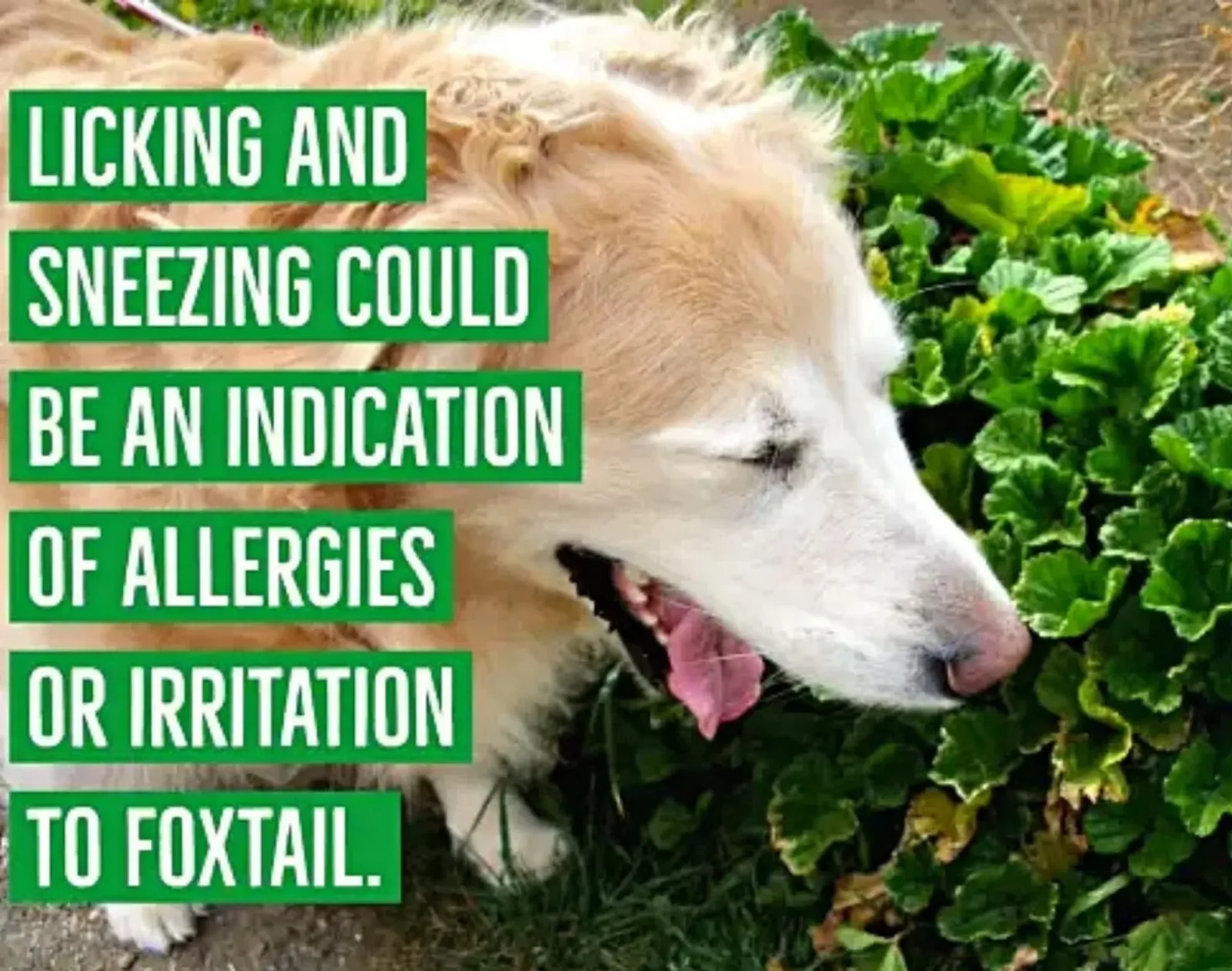
Licking and sneezing could be an indication of allergies or irritation to foxtail.
What Does It Mean if My Dog Is Licking and Sneezing?
This is a clear sign that your dog is bothered by allergies or irritants. Eating or inhaling foxtail is a common cause, but reasons for allergies may also include:
- Pollen
- Dust
- Grass/weeds
- Mold
- Cleaning chemicals
- Laundry detergents
- Deicing salts
- Flea medications
What Does It Mean if My Dog Keeps Licking the Air?
If there are no other symptoms and your dog licks the air for hours at a time, then it is likely a compulsive behavior caused by anxiety that needs to be addressed by a dog specialist. You may be able to train your dog to stop this obsessive-compulsive disorder or find the source that is instigating the behavior (e.g., maybe your dog is afraid of something or someone in the house).
The other likely cause is that your dog is suffering from a seizure or another neurological disorder. See a vet immediately if random episodes of air licking continue.
Are There Different Types of Licking?
Patricia McConnell, PhD, an applied animal behaviorist, says that “usually (but not always), licking in anticipation of food involves the tongue moving laterally, to the side of the dog's mouth, while in other types of lick lips, the tongue moves straight forward.”
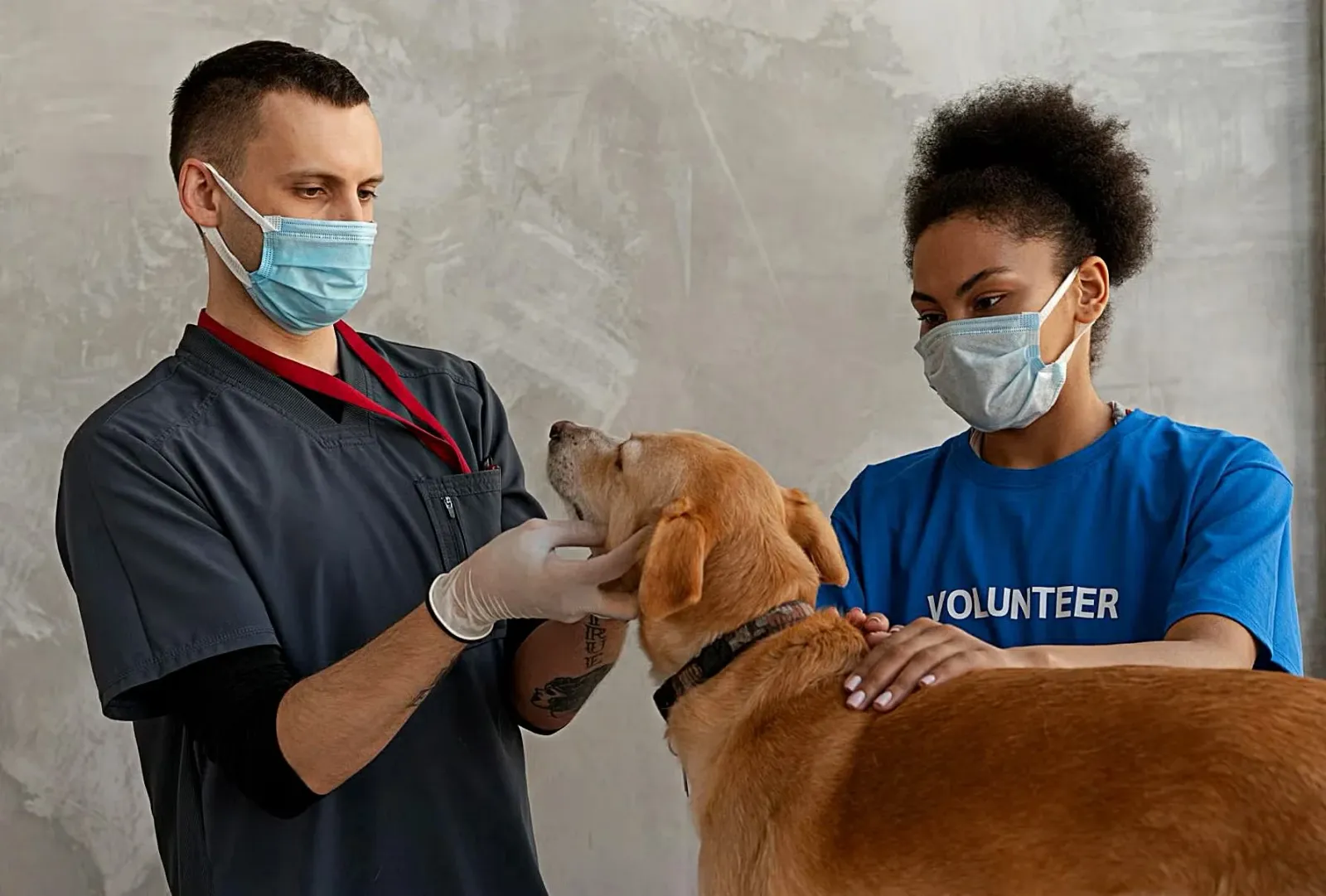
When in doubt, give your vet a call. Your dog’s lip licking could be many things, but the vet will give you specific answers.
Photo by Mikhail Nilov on Pexels/Photoscape
When to See a Vet
- If you think your dog may have eaten something toxic, for example, if they are nauseous or eating grass, report this to your veterinarian.
- Vomiting up some toxic substances, such as caustics, may cause more harm than good.
- A dog that licks its lips, seems very uncomfortable, and does not seem to be getting better should be seen by a vet promptly, especially when this happens for no obvious reason.
- If this behavior is due to something toxic your dog was exposed to or to bloat, immediate treatment can really make a difference.
- If you have reason to think your dog is licking their lips due to something stuck in the throat, it may help to give them several “meatballs” made of bread or mashed potatoes mixed with water and bran.
This article is accurate and true to the best of the author's knowledge. It is not meant to substitute for diagnosis, prognosis, treatment, prescription, or formal and individualized advice from a veterinary medical professional. Animals exhibiting signs and symptoms of distress should be seen by a veterinarian immediately.
Questions & Answers
Question: My dog constantly licks his lips. I believe it has become a habit. How do I get him to break this annoying habit?
Answer: You would first have to determine whether this may stem from a medical problem such as nausea. Nausea and acid reflux or other issues such as IBD can cause a dog to lick their lips frequently. Only after ruling out a health problem can you assume it's a habit and try to work on it.