Breeds Known for Heavy Drooling: 8 Dogs That Produce the Most Slobber
Alex Kelly
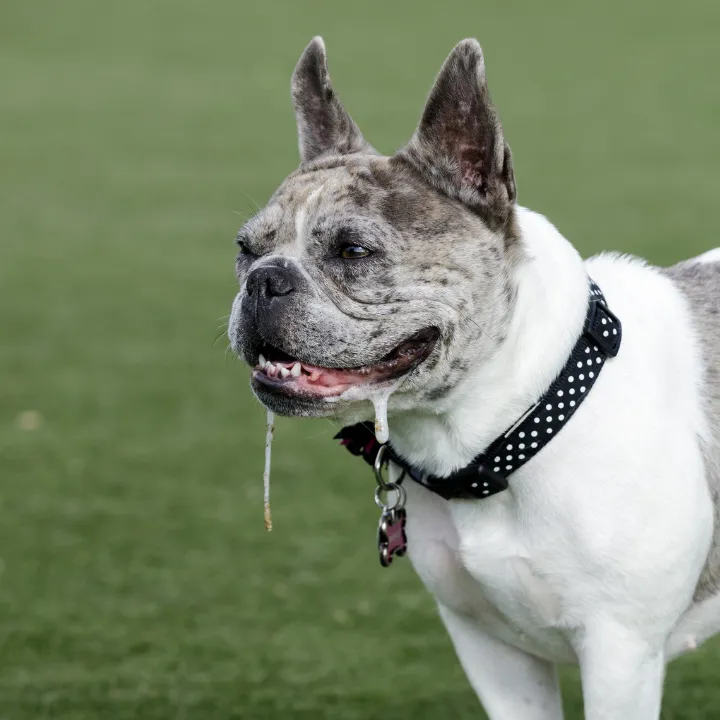
If the thought of dog slobber makes you cringe, or if you find a drooly grin part of a dog's charm, it helps to know which breeds are known for heavy drooling. That knowledge lets you either steer clear of constant cleanup or welcome it with open arms.
Doing homework before choosing a dog is something I strongly encourage. Every year, millions of pets are adopted from U.S. animal shelters, yet a number of them are returned soon after. Those returns create stress for the dog and lower its odds of being adopted later.
Spend Time With the Dog Before You Commit
A key point: in a breeder's home or a shelter, you may not see a dog's full behavioral range, drooling included. Stress, excitement, and feeding routines all affect saliva flow, so a dog can seem less slobbery than it really is.
A cute face peering through kennel bars can win you over, but the long strings of drool may only show up once you are home, as you fix the dog's meal or spot puddles on the floor after a nap.
My usual advice for people considering adoption is to spend time with the dog away from the kennel first. A walk, a treat, and watching how the dog responds to you and its surroundings while excited and while calm can tell you a great deal.
So if drool is a real concern, look into the traits of specific breeds ahead of time and assess the individual dog in front of you. Personality can be hard to predict, but the jowls do not lie.
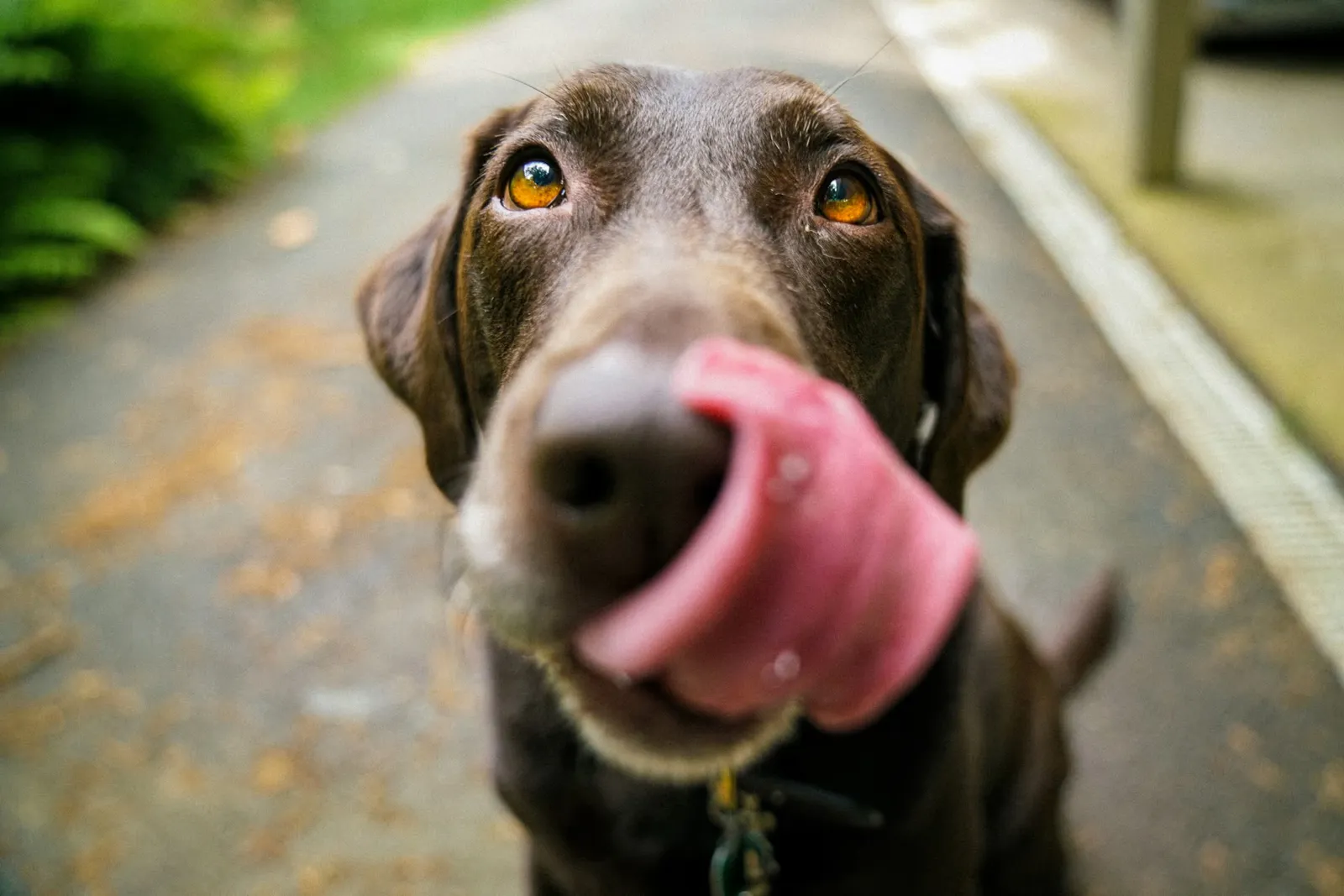
Many dogs drool at the sight of food.
Why Do Dogs Drool?
Drooling is normal in dogs, but in certain breeds the dog's conformation—the physical structure of the head and mouth—can make it reach legendary levels.
All dogs make saliva; how much of it escapes the mouth varies by breed. Some dogs drool rarely or only in particular situations, while others drool chronically because of their anatomy. Several features help explain the chronic droolers.
Loose, Pendulous Lips
In technical terms, these are called "flews." Dogs with pendulous lips have big, loose jowls and, unlike dogs with tight lips, a poor containment system, so to speak.
When such a dog shakes its head, strings of drool can fly across the room and land on furniture, floors, and anyone nearby.
Massive Jowls
Some dogs have huge, thick jowls that hold large amounts of saliva. The oversized head may appeal to some owners, but the trade-off is exaggerated skin folds and lip structures—which means, as you might expect, near-constant drooling.
Brachycephalic Skulls
Certain dogs have been selectively bred for exaggerated anatomical features, and the brachycephalic skull is among the most striking. Brachycephalic dogs have short muzzles, flattened faces, crowded nasal passages, and elongated soft palates, all of which contribute to breathing difficulties and inefficient swallowing.
Because of these features, brachycephalic dogs have trouble keeping saliva inside the mouth, so they drool frequently.
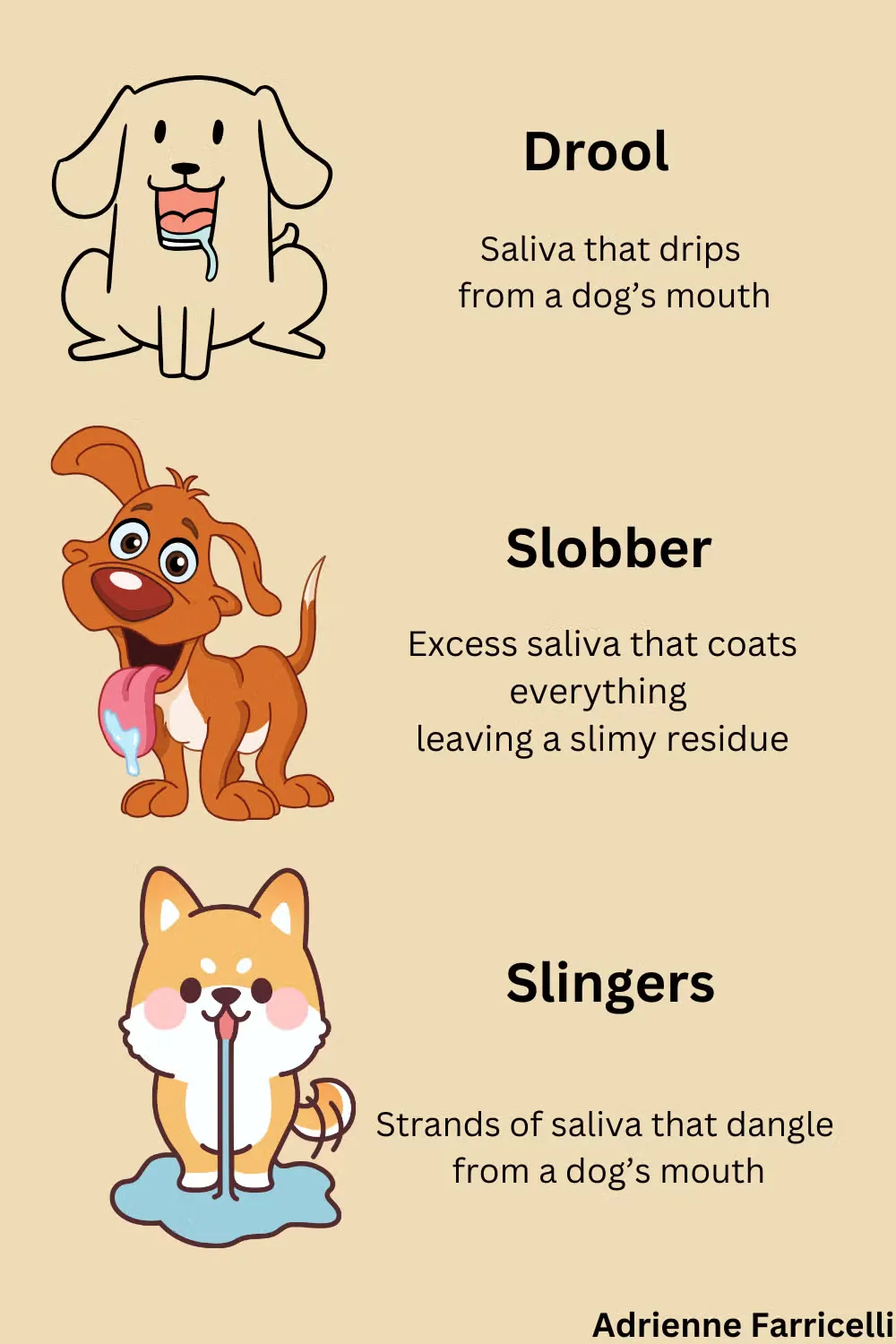
The different "types" of dog drool
What Sets Off Drooling
While the traits above predispose some dogs to drool, every dog drools to some degree. Common triggers include the following.
Expecting Food
Anyone who has studied psychology likely recalls Pavlov's experiments, in which dogs began drooling at the mere sight, smell, and anticipation of food.
Just as people's mouths water when they think about a slice of cake, dogs salivate instinctively in response to food or the expectation of it. The autonomic nervous system controls this response, which prepares the digestive system for eating.
Nausea
Dogs can feel nauseated when ill or when suffering from motion sickness, and nausea can increase salivation, prompting repeated swallowing, lip licking, and drooling.
This salivation is thought to serve a protective role. Because vomit is highly acidic, extra saliva helps limit erosion of tooth enamel and irritation of the esophagus and oral tissues.
Anxiety or Excitement
Dogs experiencing intense anxiety—as with noise phobias or separation anxiety—may also start drooling.
Anxiety is strongly suspected when the excessive salivation happens only when the dog is alone or believes it is alone, explains board-certified veterinary behaviorist Dr. John Ciribassi.
Dogs may drool when excited as well. Guests arriving, chasing a squirrel, or a vigorous play session can set off drooling in dogs prone to it.
Panting
When dogs are hot, they cool down by panting. Air passes over the moist tongue and saliva evaporates, helping lower body temperature—roughly like sweating in humans, where moisture evaporates from the skin.
So it is not unusual for dogs to look slobbery on a hot day, since salivation rises when dogs are hot.
"If your dog is panting heavily and drooling excessively, it might be a sign of heatstroke, which requires immediate attention," points out Back Bay Veterinary Clinic.
Medical Issues
Dogs may drool when they have teeth or mouth problems, when they are in significant pain, or when they have ingested a toxin.
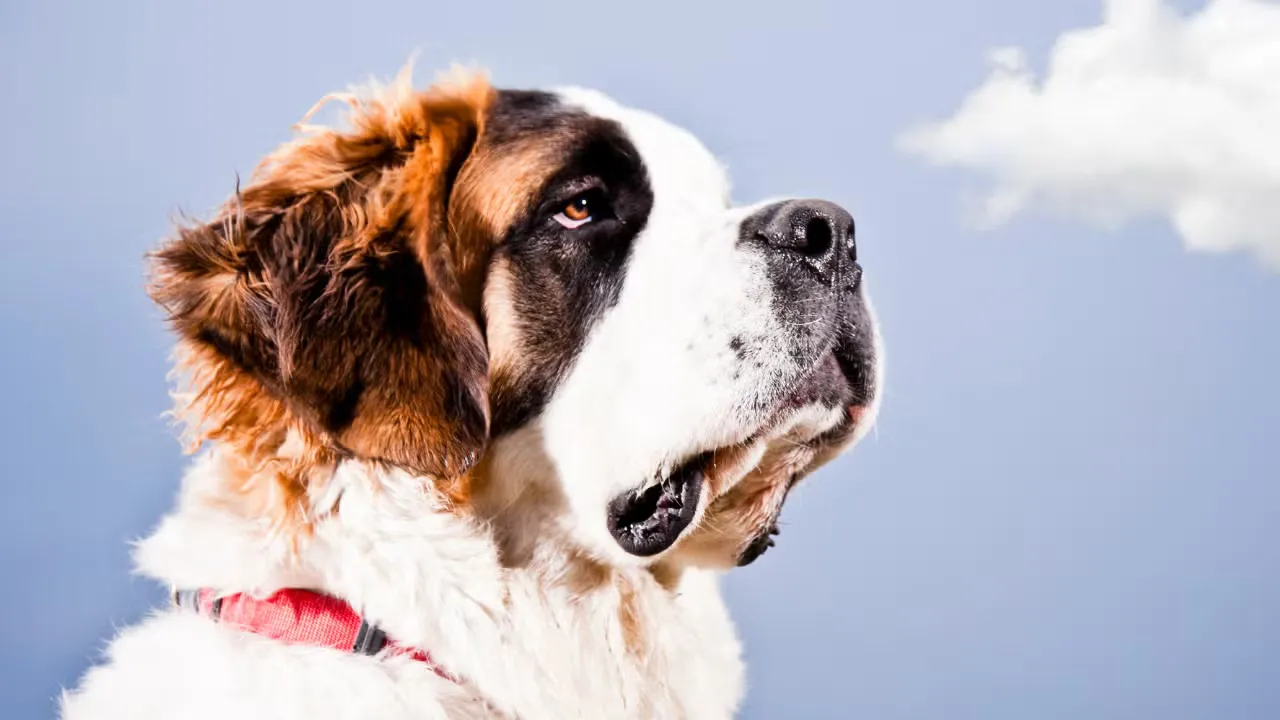
Saint Bernards often wear bandanas to catch their drool.
8 Breeds That Drool the Most
Whether you want to avoid these breeds or are deliberately seeking a dog that delivers slobbery "kisses," this list is for you. Here is a roundup of the heaviest droolers.
1. Saint Bernards
This breed is the classic drool factory, and the reason lies in its morphology. The American Kennel Club describes the breed as having strongly developed upper-jaw flews that curve into the lower edge and slightly overhang.
Owners of these gentle giants seem to develop a sixth sense for when a string of drool is about to let loose, ducking when needed to avoid being slimed.
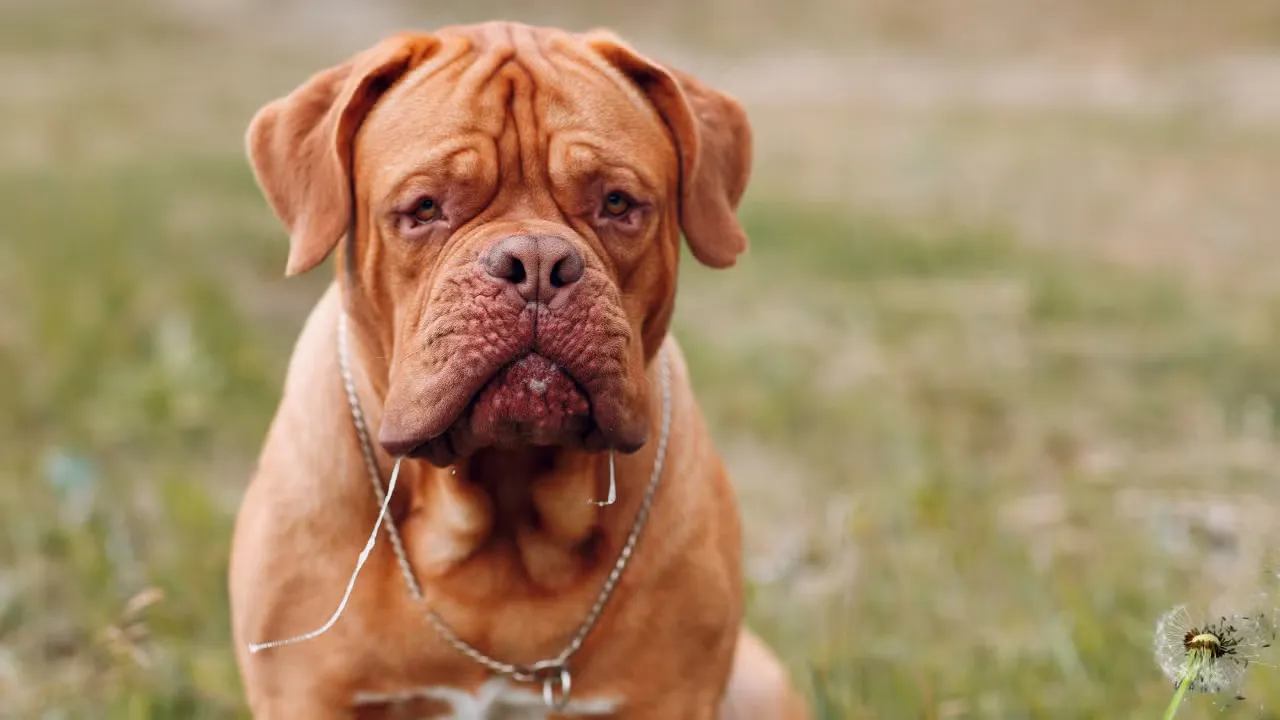
A classic example of slingers in a Dogue de Bordeaux
2. Mastiffs
The mastiff group includes many natural-born droolers. English Mastiffs, Bullmastiffs, Spanish Mastiffs, French Mastiffs (Dogues de Bordeaux), and Neapolitan Mastiffs can turn a spotless living room into a saliva-covered disaster zone in minutes.
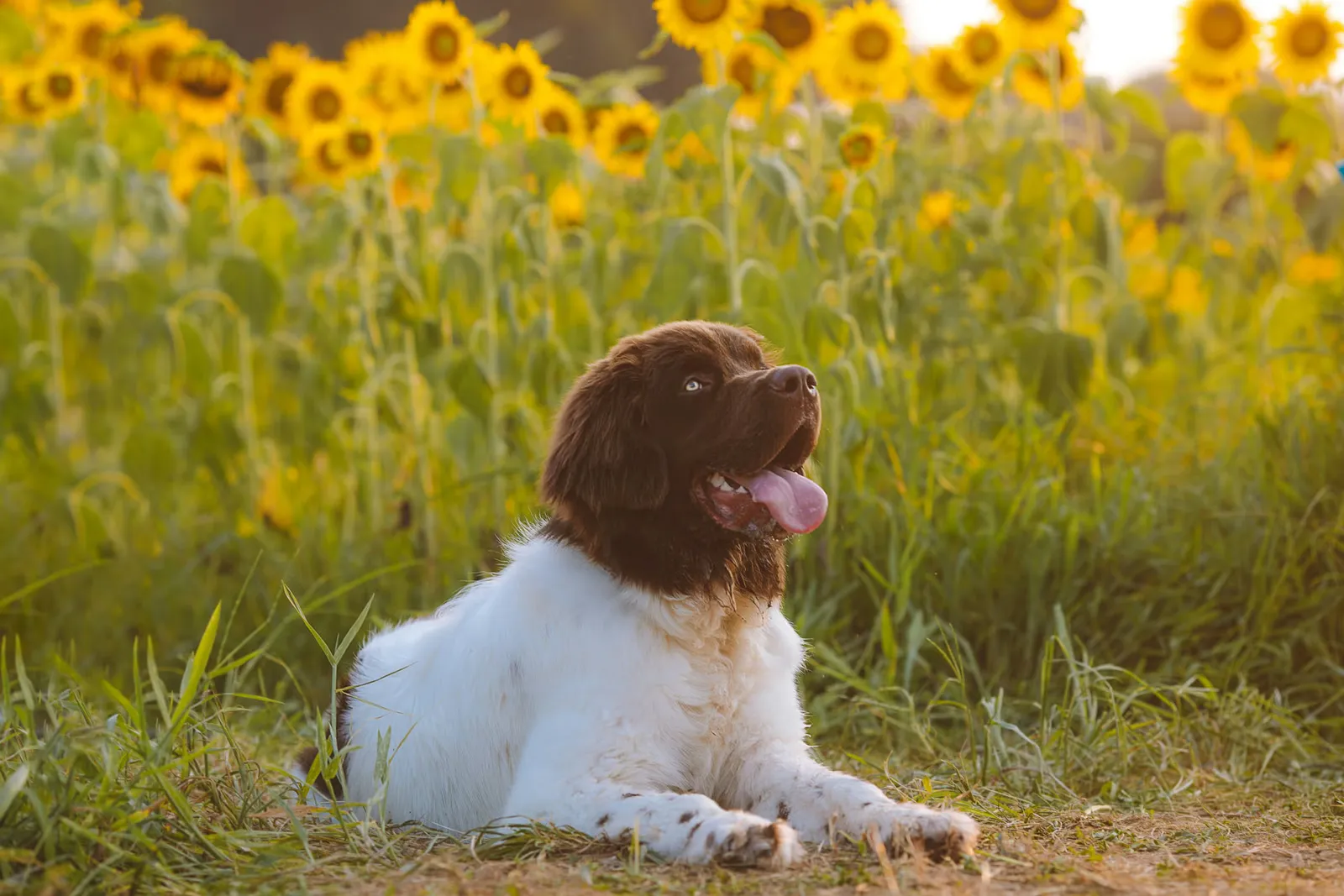
Newfoundlands are also prone to drooling.
3. Newfoundlands
Newfoundlands (and Landseers) are gentle giants with a history of rescuing drowning people from icy waters. Their one flaw? They tend to drool a great deal, because their lower-lip flews are loose and hang down.
Many owners of this breed use bibs, but that only works while the dog is still. An ordinary head shake sends drool strings onto the ceiling.
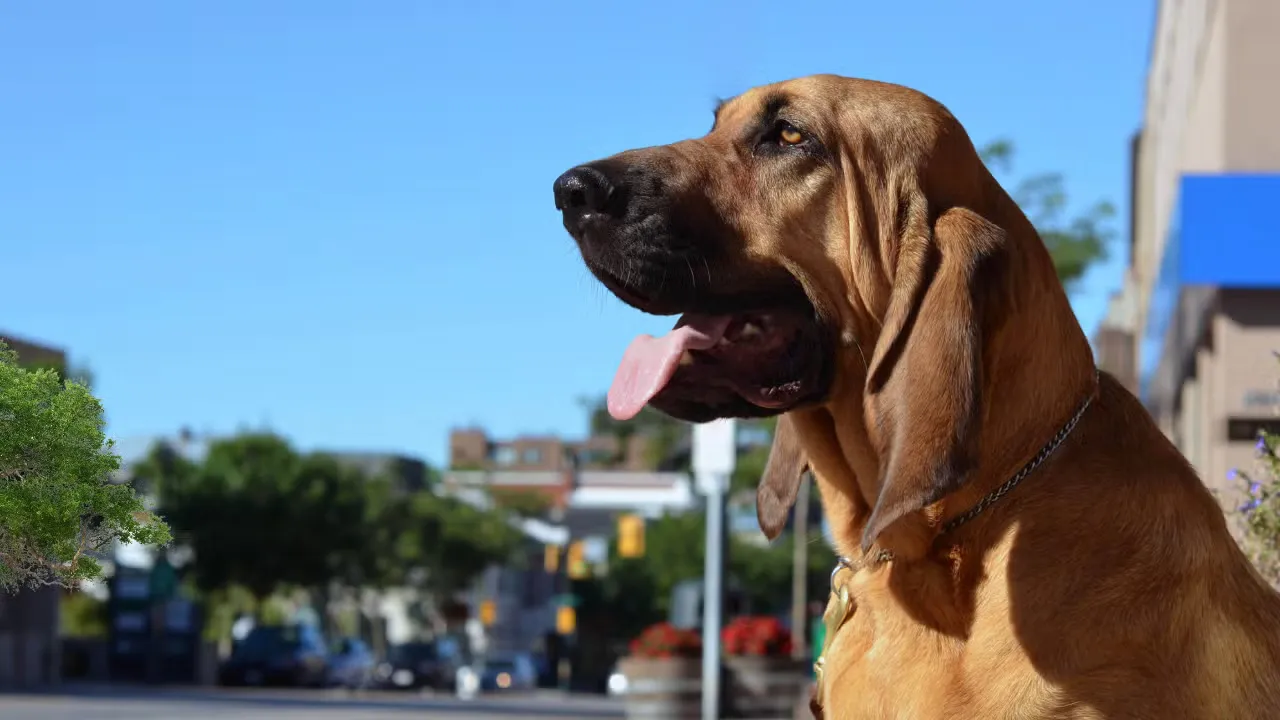
Bloodhounds have pendulous jowls.
4. Bloodhounds
These dogs drool heavily because of their wrinkled faces and droopy jowls. All that loose, sagging skin, along with the hanging ears, is not there by chance. These features help the dogs excel as expert trackers by trapping scent particles—and they also make them prolific droolers.
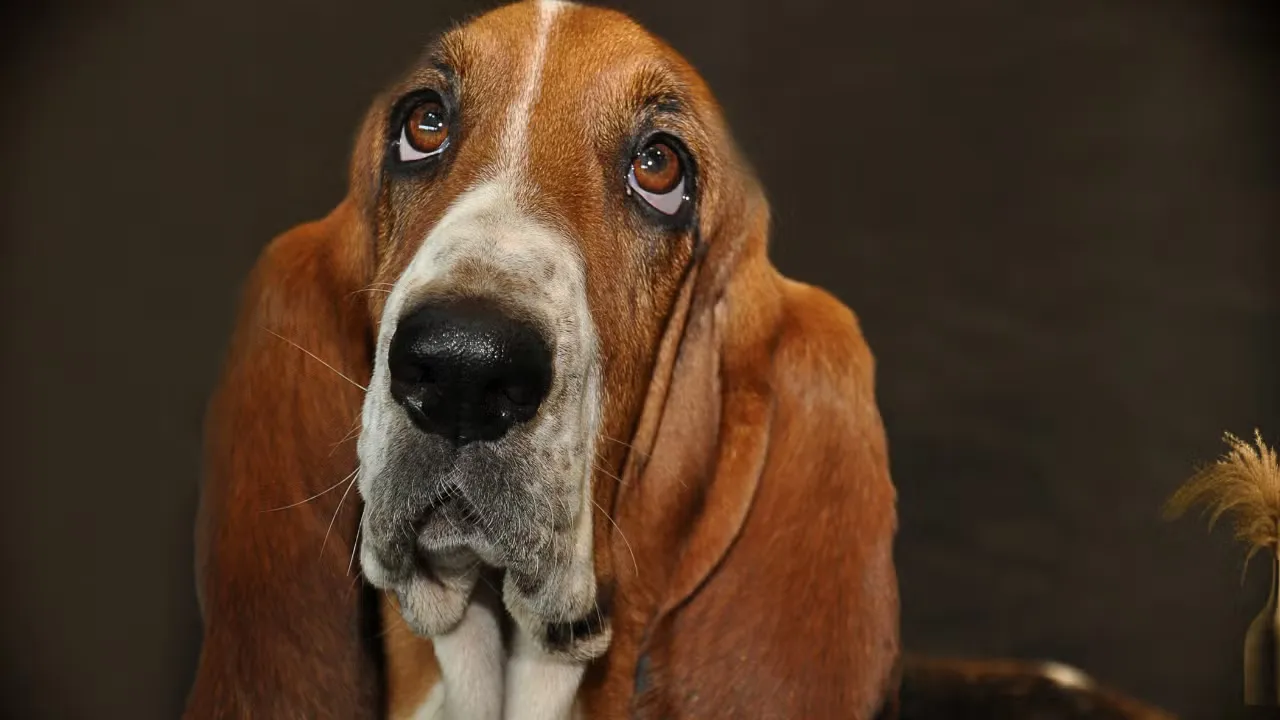
Basset Hounds are notorious for drooling.
5. Basset Hounds
Like the Bloodhound, the Basset Hound is known for wrinkles and long ears, useful when following a scent trail. The breed standard calls for pendulous lips that fall in loose, hanging flews—the perfect recipe for plenty of drooling.
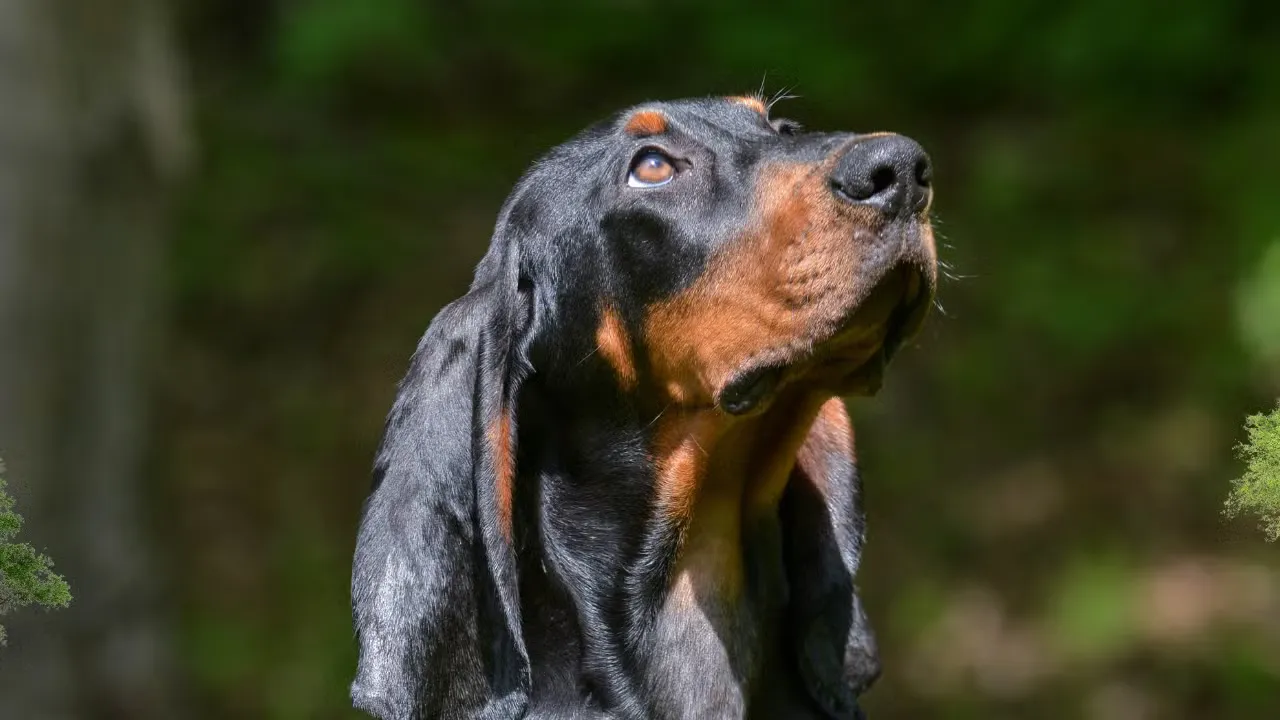
Coonhounds may drool too!
6. Coonhounds
Black and Tan Coonhounds, Bluetick Coonhounds, and Redbone Coonhounds share traits that predispose them to drooling. Selectively bred to pursue prey and drive it up trees, these dogs are known for flews that cover the lower jaw when seen from the side.
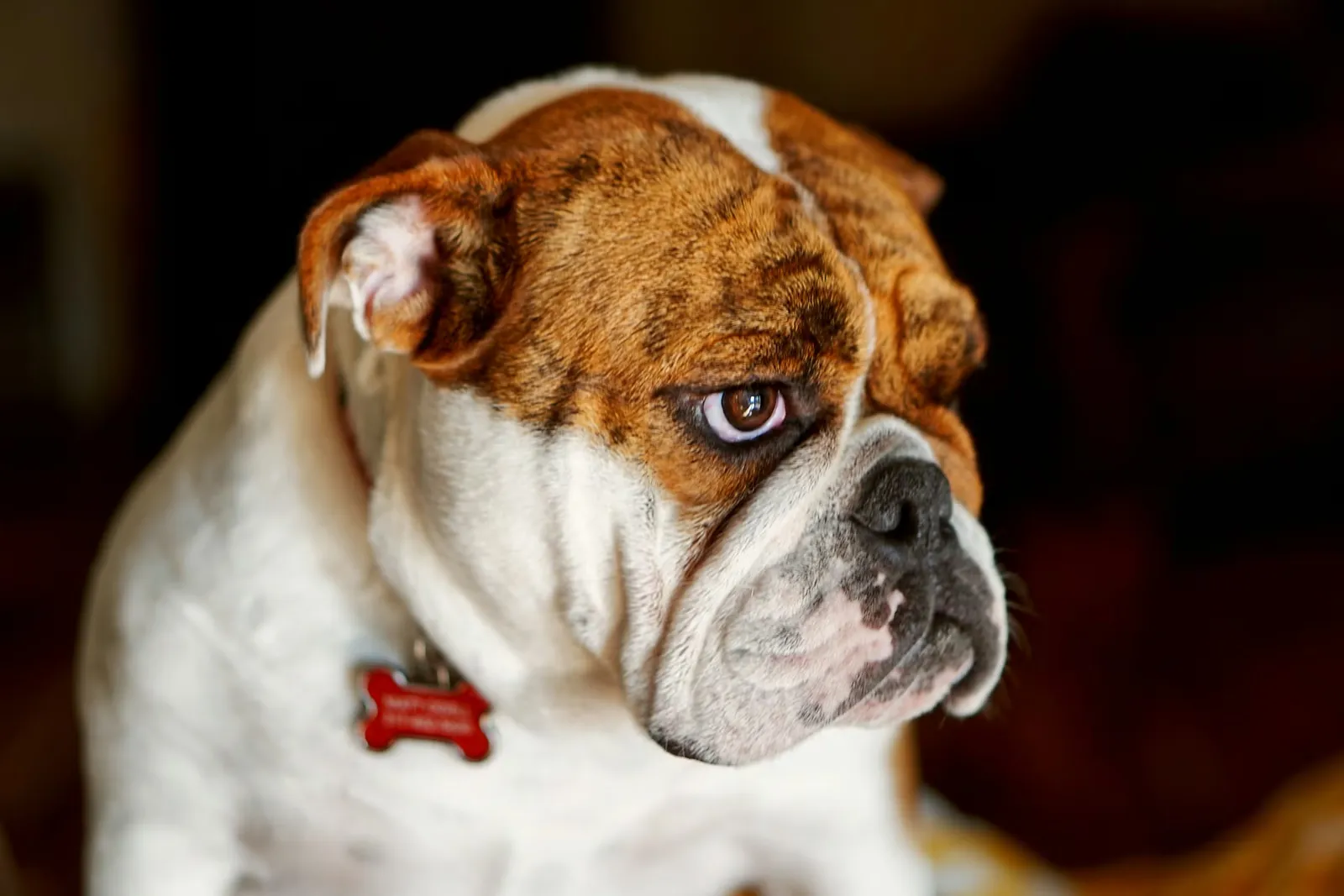
Bulldogs drool, snore, and can be quite gassy.
7. Bulldogs
Both the English Bulldog and the French Bulldog are brachycephalic breeds; they drool, snore, and can be quite gassy. English Bulldogs may drool long shoestrings of slime, while Frenchies may drool somewhat less—though if they rest their head in your lap, they may leave a small drool puddle on you.
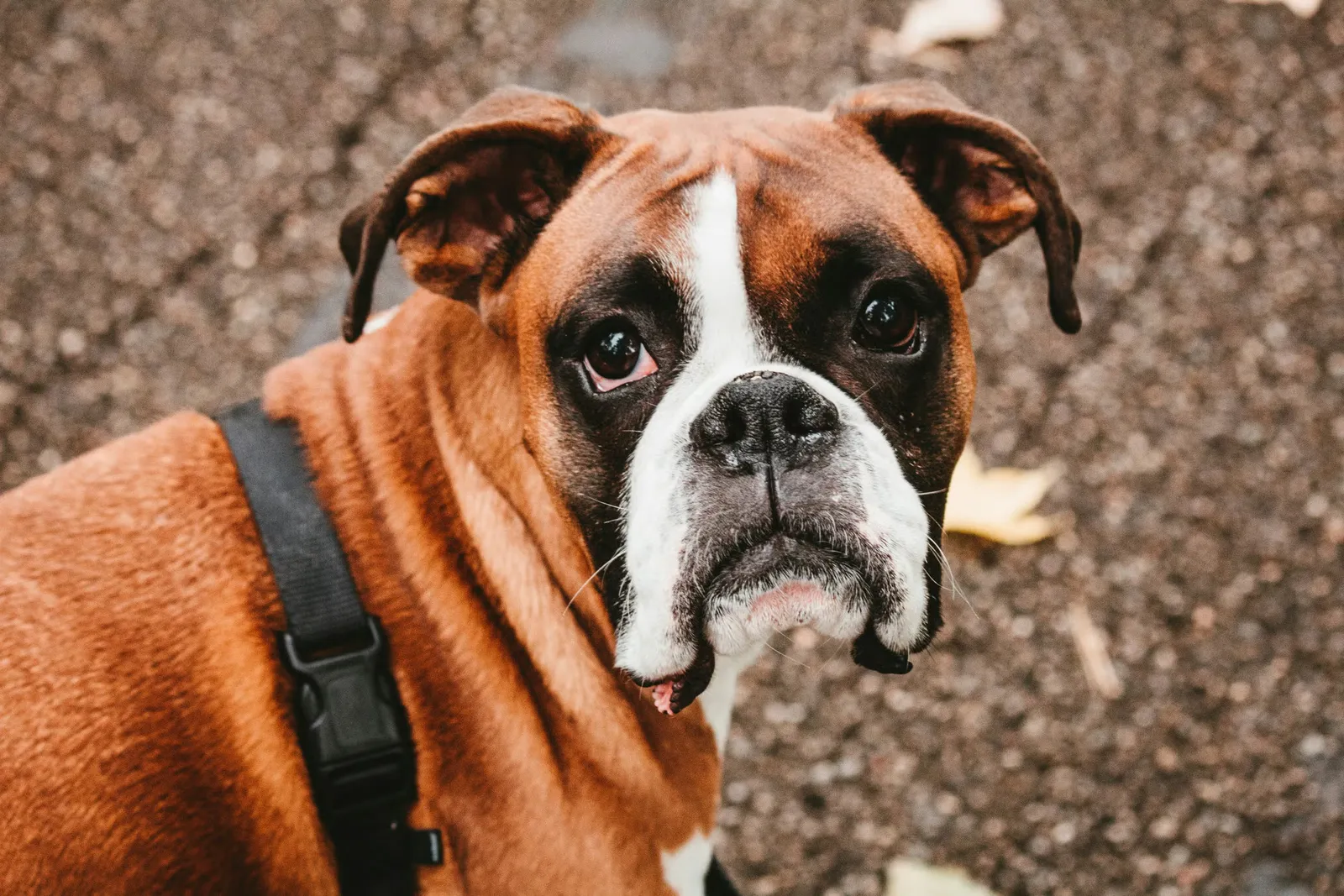
Boxer dogs can drool quite a lot.
8. Boxers
Another brachycephalic breed, Boxers are known for drooling because of their loose, hanging jowls and short snouts. They may also leave messy trails of water after drinking.
The Bottom Line: Drool or No Drool?
As you can see, several breeds drool a lot. The tendency to drool, however, varies from one dog to another. Being on this list does not necessarily mean a dog will drool more than the average dog.
Conversely, a breed that is not listed does not mean its dogs won't drool. Other breeds prone to drooling include:
- Great Danes,
- Chinese Shar-Peis,
- Plott Hounds,
- Clumber Spaniels,
- English Setters,
- Great Pyrenees,
- Irish Water Spaniels,
- and Kuvasz, among others.
Keep in mind that for every person who recoils at a string of drool, someone else looks past the mess and embraces the love and devotion these dogs offer.
Saint Bernards may slobber, but they are gentle giants with hearts of gold. Bloodhound lovers don't mind a little drool in exchange for their dog's unmatched tracking skills and soulful expressions. Newfoundland owners see past a few damp spots on the floor, because they are nothing compared to the unconditional love their dogs provide.
If keeping a "jowl towel" within reach at all times sounds like too much, choosing a tight-lipped breed is ultimately the way to go.