Building Trust With Dogs: Expert Insights on Reading Body Language and Respecting Boundaries
Drew Walker
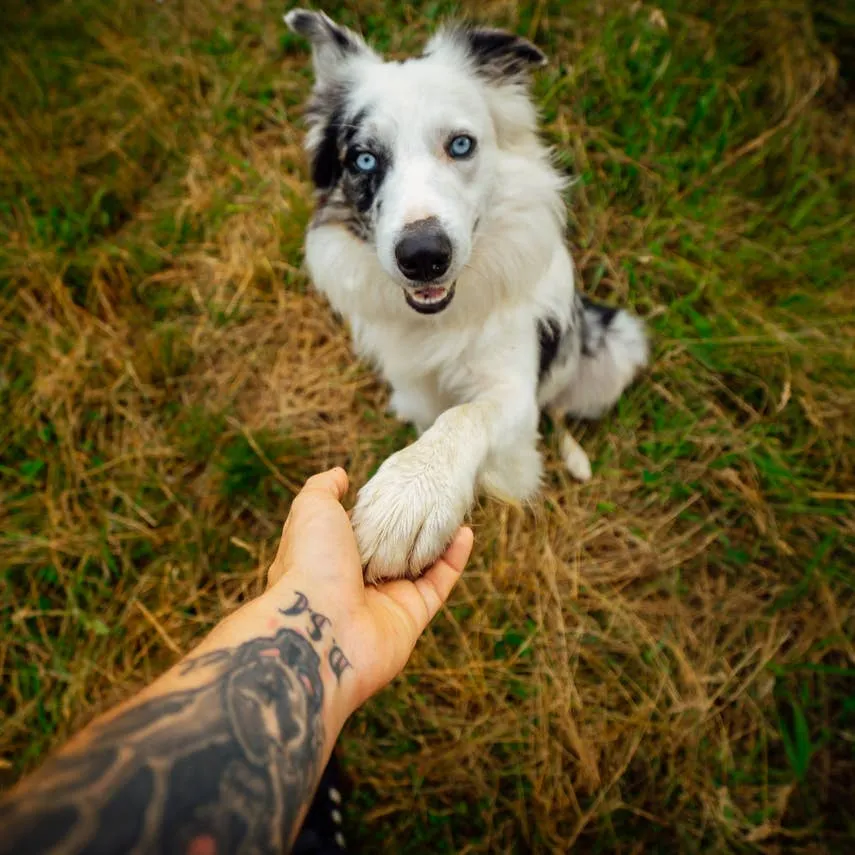
Dogs are often called "man's best friend," and many people take that to mean any dog they meet will instantly warm to them, especially if they offer a hand to sniff, a cheerful hello, and a few treats. But there's no magic trick that makes a dog love you on the spot. If you're wondering how to befriend a dog and win its trust, two experts shared their advice with us.
Some dogs are naturally outgoing and playful with just about anyone, as long as the person is kind to them. Most, though, are more guarded around strangers—people who aren't their pet parents. Even if a dog seems friendly and excited right away, building a lasting foundation of trust takes effort. And because animals communicate differently from humans, their signals can easily be misunderstood.
So if you want to know how to get a dog to trust you—or how to make your own dog love you—here's what a pair of top canine experts told us. Their guidance on body language and behavior can help you understand dogs better, whether you've just brought home a puppy or are thinking about adding a dog to your family and want some insight first.
The Basics of Earning a Dog's Trust
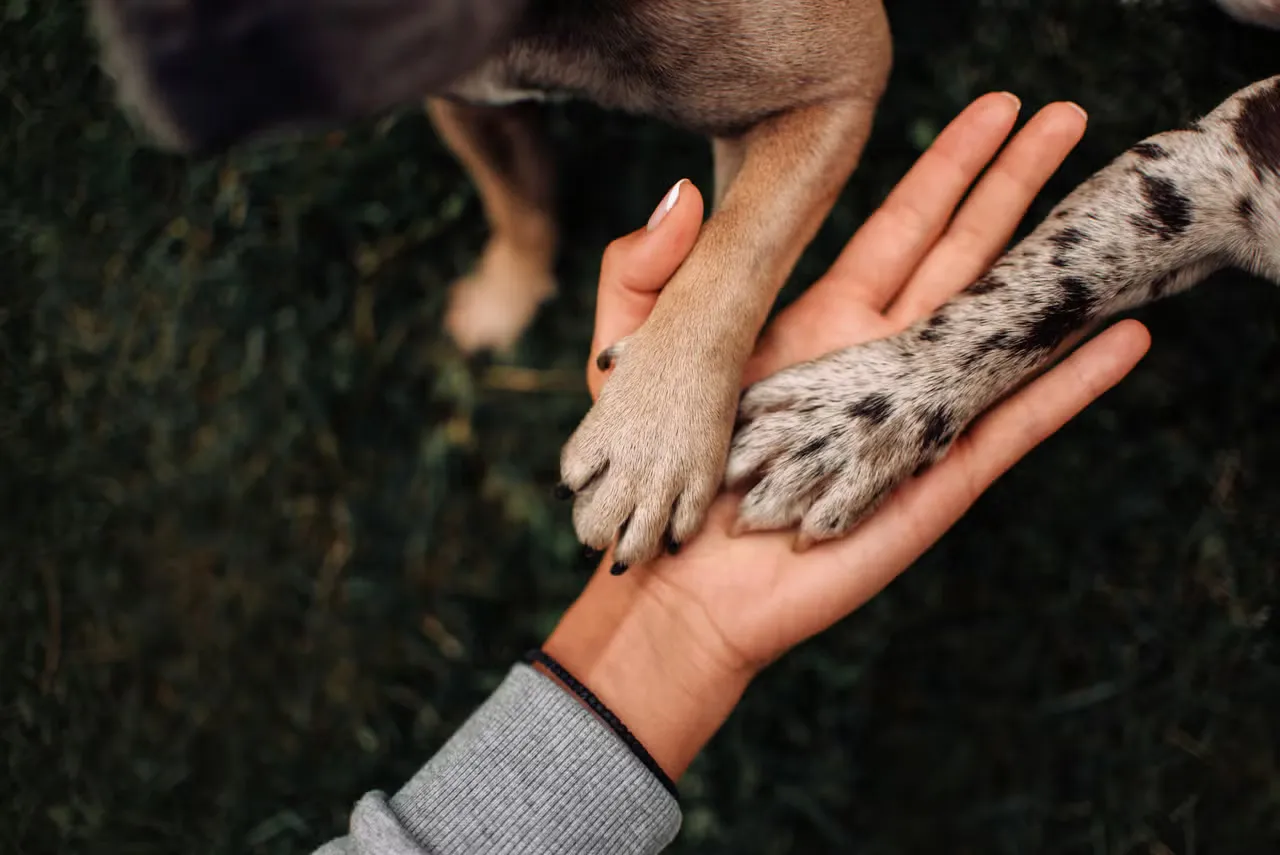
Two dogs holding their human's hand.
Whether you're meeting a friend's new dog, adopting from a shelter, or checking out a puppy for potential adoption, knowing how to help a dog feel safe and trust you quickly matters. First impressions count, and you'll want to show an unfamiliar dog that you're friendly and trustworthy. But that's trickier than it might seem. Fortunately, our experts outlined what to focus on to gain a dog's trust.
Reading a Dog's Body Language
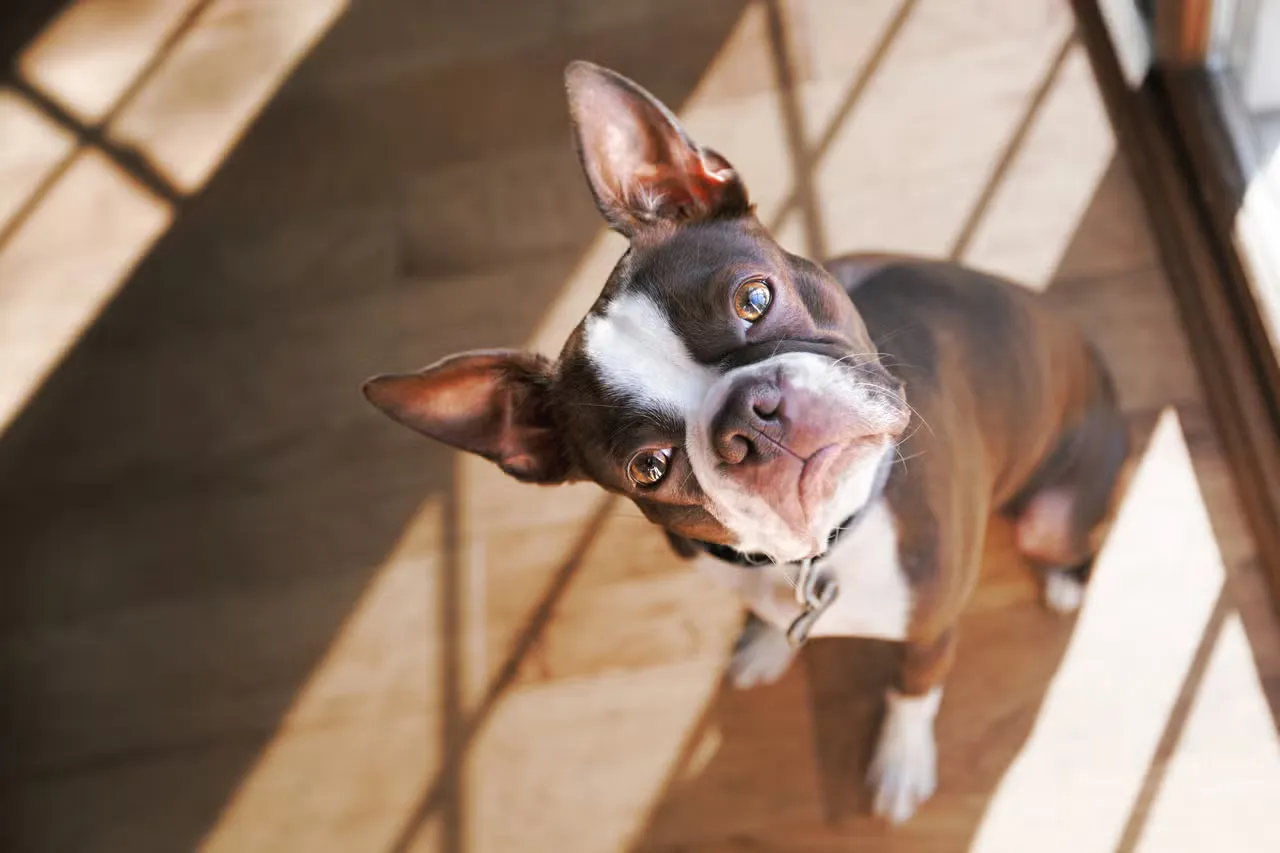
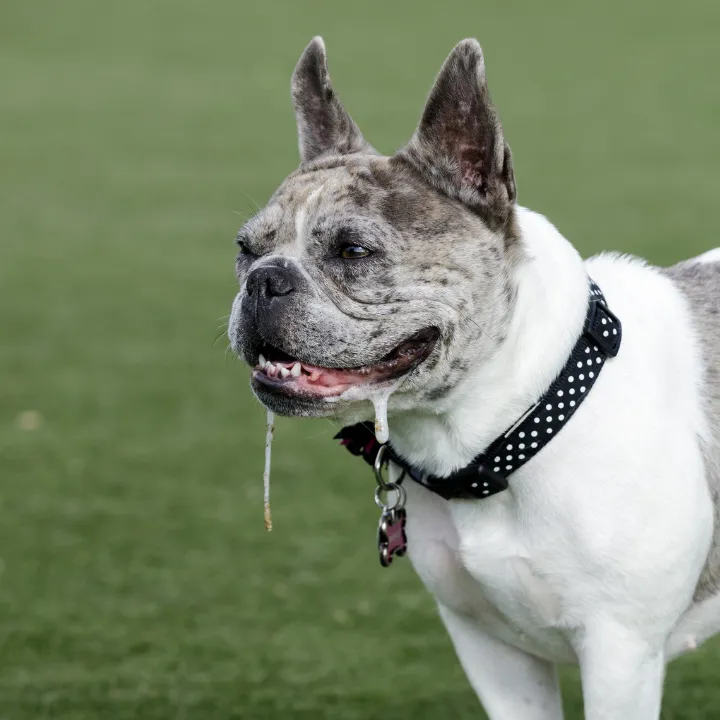
A French Bulldog trying to decide if someone is trustworthy.
If only dogs spoke human languages—but no universal dog translator exists yet. Instead, you need to learn their primary mode of communication: body language. Knowing what to watch for can be the difference between making a new canine friend and ending up in urgent care with a bite on your hand.
"Dogs communicate constantly, just not with words," says canine behaviorist Sarah Rutten, founder of The Canine Perspective. "Learning to read subtle shifts in their body language allows people to respond appropriately and avoid forcing interactions before the dog is ready."
Paying attention to subtlety is essential because people often latch onto one or two signals and ignore the overall picture. For example, many assume a wagging tail means a friendly dog. In truth, it's more complicated. "Looking at just the ears or tail will not tell you enough, which is why people often get bitten and later say, 'But his tail was wagging'," says Jme Thomas, executive director of Motley Zoo Animal Rescue. "A wagging tail can actually be 'flagging,' a sign of overt dominance and confidence where a dog's next step may be to snap or bite—so don't make the mistake of only taking one body language cue into account when assessing a dog's fear and level of trust."
Ears and tail offer some clues, but before you decide whether to approach an unfamiliar dog, look at the whole body first. Here are the main warning signs versus positive signals:
Signs of Anxiety or Aggression
- Pacing, backing away, or acting as if looking for an exit
- Avoiding eye contact
- Flattened ears
- A tail tucked between the legs (submissive) or a stiff, high tail wag (flagging)
- A crouched or flattened body—the dog may be trying to "shrink" itself
- Whites of the eyes visible—Rutten calls these "whale eyes," and they may indicate stress or fear
- Yawning or licking lips—Thomas calls these "displacement behaviors," which dogs use to self-soothe under stress, similar to how nervous humans might bite their nails or play with their hair. Of course, if a dog is clearly just sleepy, yawning probably isn't a red flag, but if other stress signs are present, give the dog space.
Signs of a Relaxed, Happy Dog
- Gentle wagging tail—again, don't rely on tail wagging alone to gauge mood, but a soft, easygoing wag is generally more positive than a stiff, intense one.
- Taking initiative and approaching you with curiosity
- Body language that's softened, relaxed, or even "wiggly"
- A relaxed face with soft eyes and an unclenched jaw
If a dog seems nervous, stressed, or potentially aggressive, give it space. That doesn't mean you can never approach the dog again, but now isn't the time. If the dog seems at ease around you, you can try a friendly introduction.
Approaching a Dog Safely
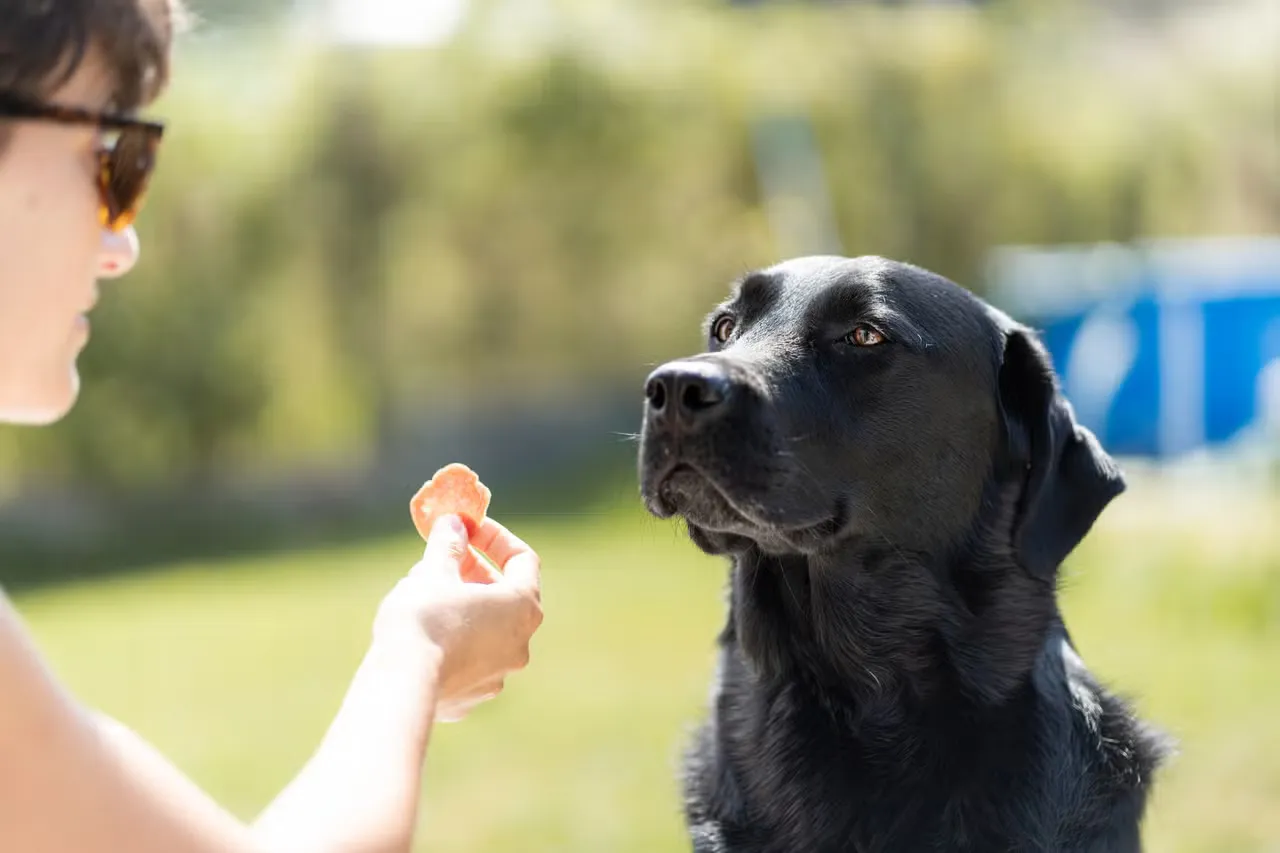
A woman safely giving a treat to a Black Lab.
This should be simple: smile, crouch to their level, and extend a hand to sniff—right? Surprisingly, that go-to move isn't necessarily the best idea, at least not right away.
"An important thing is to remember that things humans do show to appeasement, lack of intent to harm, and other gestures to build trust are pretty much the exact opposite of how dogs do things and such actions can actually cause intimidation, rather than a breakthrough," Thomas explains. "For example, standing over a dog and bending down—or even crouching to their level—can be dominant (and also put you at face level for a bite)."
Of course, not every dog will be put off by this (many of us have greeted dogs this way successfully), but if you want to approach safely, it's not the best tactic. So what should you do instead? "The safest approach is often no approach at all, at least initially," Rutten says. Ideally, the dog should approach you first—and as anyone who's met an enthusiastic dog knows, they need little encouragement if they're interested.
Sometimes, though, that isn't possible, and you have to make the first move. If contact is necessary (for example, at a vet or during an introduction), here's what Rutten recommends:
Ask Permission From Both Guardian and Dog
Always get the guardian's consent first—but don't forget to "ask" the dog too. While a dog may not understand words, they read tone and body language, so a calm, friendly voice shows respect and helps earn trust.
This simple practice encourages positive behavior and signals to the dog that interactions are safe and voluntary.
Turn Your Body Slightly Sideways
To earn a dog's trust, avoid scaring them with your body language. Also try to avoid direct eye contact, which canines can perceive as threatening.
Let the Dog Initiate
"When trying to befriend a dog, extend your hand low and still, allowing the dog to choose whether to investigate," Thomas says, noting to extend your hand only if the dog already seems calm, relaxed, and receptive. Don't push your hand into their face; let them move in to sniff or lick.
Avoid Reaching Over the Head or Back
Be cautious about where you pet a dog. The head and back are vulnerable areas and can seem threatening if you reach for them. Once you and the dog are comfortable with each other, you can try petting there—but only after you're confident the dog is at ease with you.
Interacting Safely With a Shy Dog
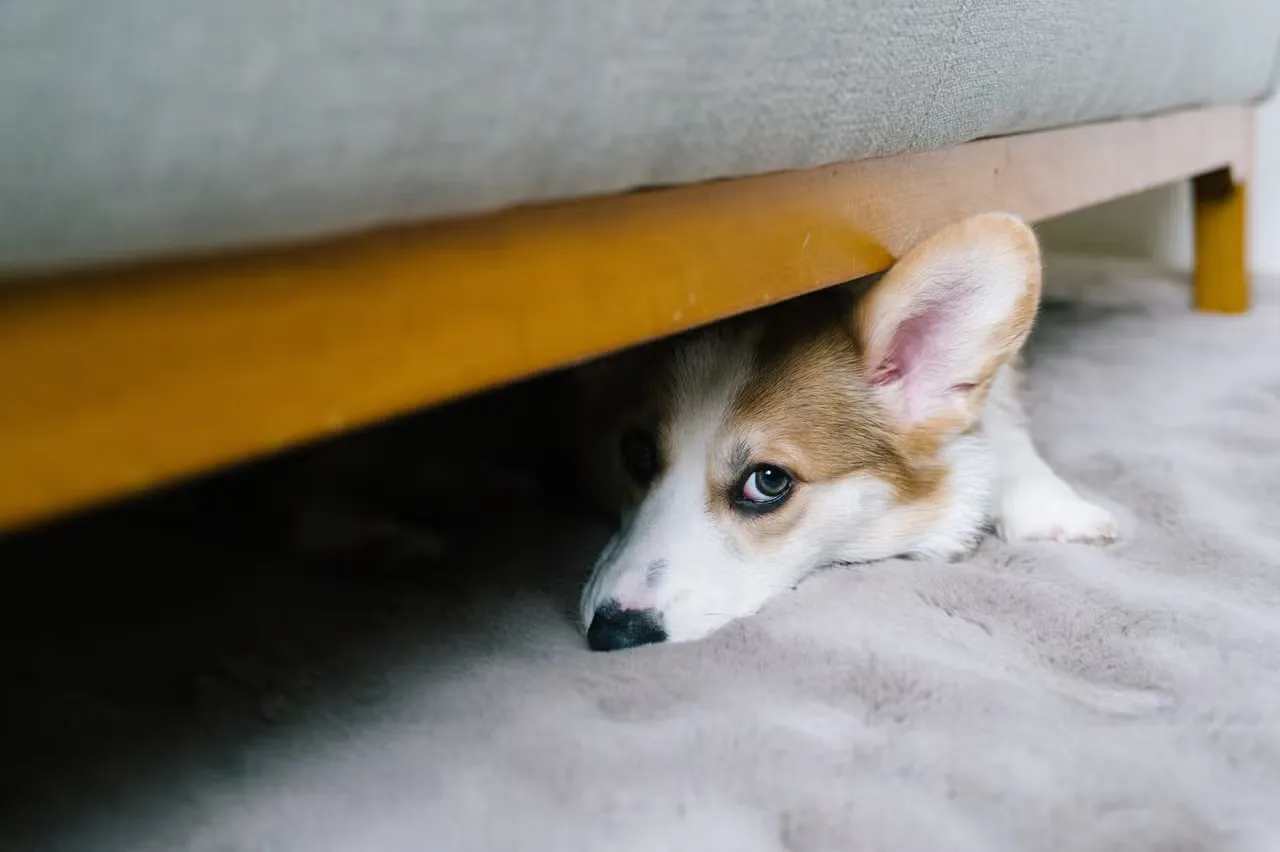
A shy Corgi hiding under a sofa.
Many dogs become fast friends soon after a good first meeting, but not all. Some dogs—especially from smaller breeds—are shier and more defensive with new people. Others may be from guard breeds naturally inclined to be aloof and distrustful of strangers not already in their family circle. And sadly, some dogs have been abused or mistreated by humans and aren't sure they can trust anyone new. These dogs need the most patience.
The advice on reading body language and approaching passively and non-threateningly still applies, but earning the trust of a particularly shy or anxious dog takes more. Rutten stresses not only going slow but also minimizing other potential stressors around you and the dog. "Rushing the process or flooding them with stimuli can set progress back."
Here are some of her recommendations for interacting with a shy dog:
Control the Environment
To help a dog trust you, create an environment where that's possible. "You should avoid crowded spaces or unpredictable settings and allow your dog to observe the world from a safe vantage point," Rutten says.
Avoid Looming or Leaning
Standing over a nervous dog can feel threatening and make trust harder to earn. "You want to turn your body slightly to the side, lower your posture if needed and avoid direct eye contact," Rutten explains.
Reinforce Calm Behavior
A nervous dog can learn to be calmer and friendlier, but patience is essential. "Use gentle voice tones and reward moments of confidence, even if small, such as looking in your direction or approaching tentatively," Rutten notes.
This builds the dog's confidence, strengthens your bond, and reinforces relaxed, friendly behavior. By emphasizing gentle, calm interactions, you show your dog that you're a reliable, safe presence.
Never Force Interaction
Let the dog set the pace and approach on their terms. Consistently showing up with patience, kindness, and respect helps earn trust, strengthens your connection, and encourages positive behavior. Avoid pushing interaction too soon—understanding dog behavior means recognizing when your dog is ready to engage.
Getting a Dog to Like You
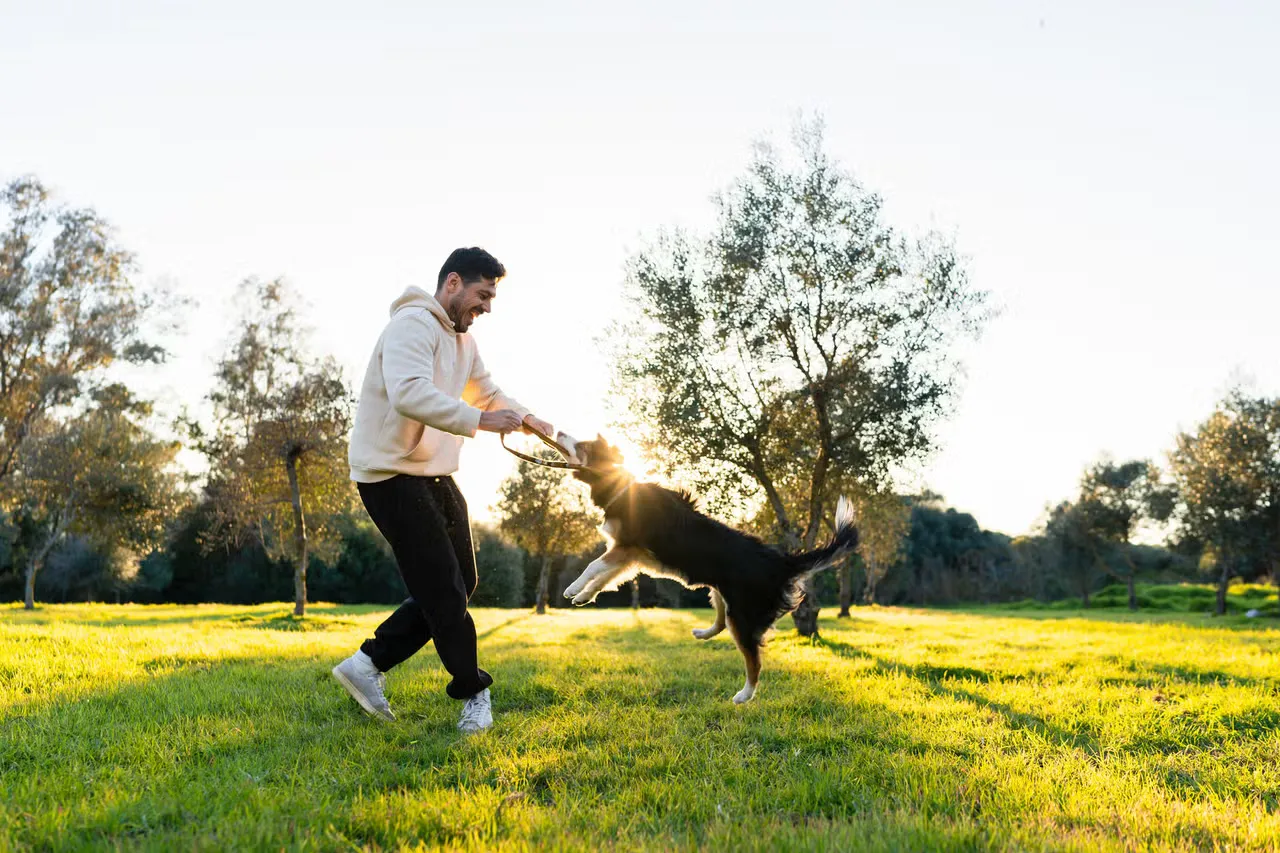
A man playing with a dog that clearly likes him.
Once you've made friendly contact and a new canine friend starts to relax and warm up to you, there's still work to do. You've shown you're not a threat, but now you need to earn trust and prove you're a companion. If this is a dog you plan to adopt, balance affection with structure. You can't just be the stereotypical "cool pet parent" who lets the dog get away with anything. Setting boundaries, a daily routine, and consistent training are key to a strong bond.
Anyone can get a friendly dog to play using treats and toys, but building trust, deepening the relationship, and encouraging good behavior requires structure. Here's how to reinforce rules, understand your dog's behavior, and get your dog to like you while fostering long-term affection and trust.
Let Them Approach You at Their Own Pace
When we adopt a new pet, our first instinct is often to play and shower them with love. But Rutten recommends giving them space and letting them explore and approach you in their own time.
"Avoid overhandling or excessive affection early on," Rutten warns. "Let their choices guide you. If your dog chooses to engage, that's a green light. If they move away, respect that boundary. Consent builds confidence."
Establish a Consistent Routine
What's one way to earn a dog's trust? Dogs need calm and consistency, especially when settling into a new environment with a new family. A clear, consistent routine teaches your dog they can rely on you for what they need when they need it—whether dinner, bathroom breaks, walks, or playtime.
"Predictable routines help reduce stress," Rutten affirms. "Feed, walk, and interact at regular intervals so your dog learns what to expect."
Use Positive Reinforcement
Just as positive reinforcement encourages calm behavior, it can also reinforce other good behaviors you want to see. Whether through treats, playtime, or enthusiastic praise, consistently rewarding positive actions helps them stick—especially as part of structured training.
Conversely, punishment should never be used to correct bad behavior. As Rutten explains, "Trust cannot grow where fear exists." Avoiding fear-based methods is key to earning trust and fostering lasting affection.
Maintaining a Long-Term Friendship With Your Dog
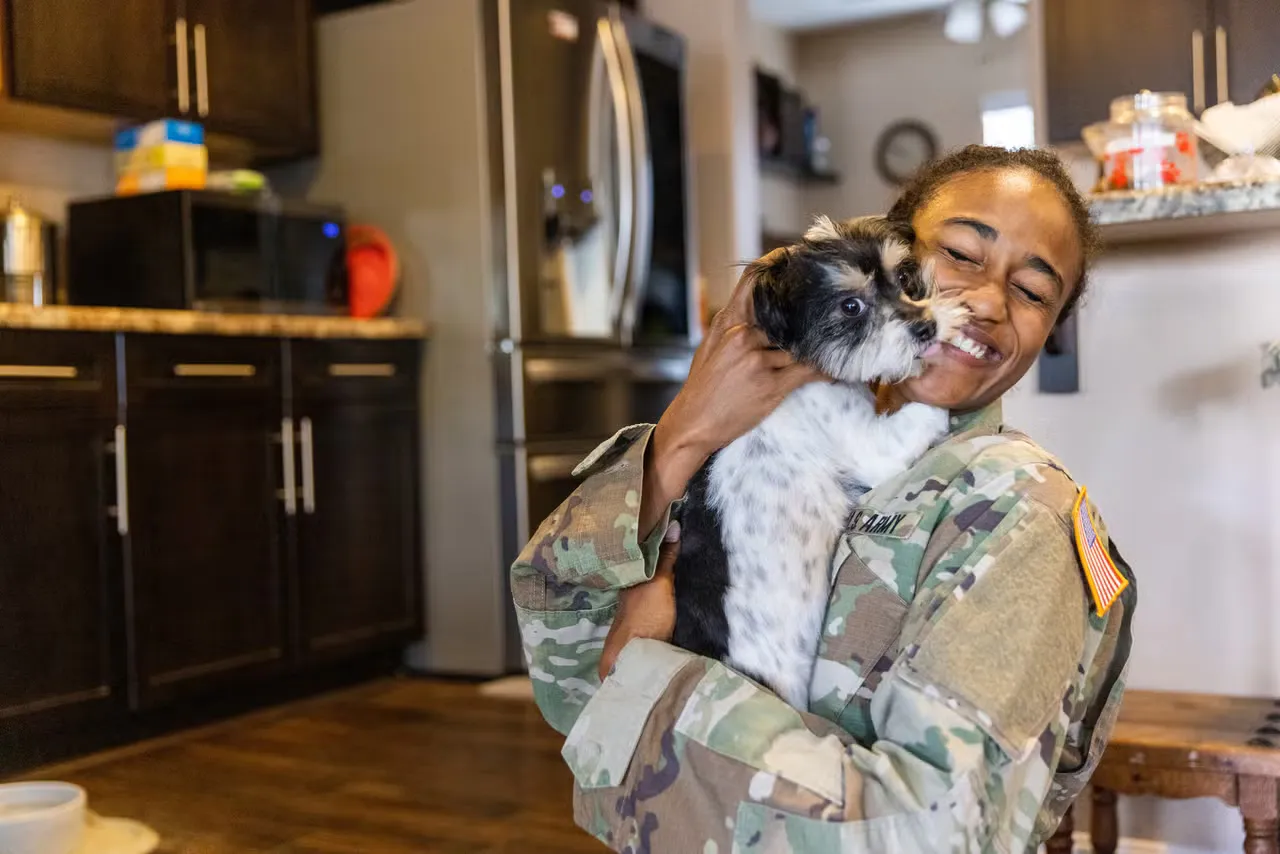
A woman hugging a dog who trusts her.
Dogs, like any pet, thrive on consistency and routine. If you feed, walk, and play with your dog daily, you'll become a safe central figure—someone they can trust and love—and as long as you continue to prove worthy of that trust, the relationship can last a lifetime.
But what if you don't see the dog every day? Maybe your job keeps you away for months, or the dog doesn't live in your household but you see them often enough to want closeness. Maintaining a long-term friendship in those circumstances is trickier but not impossible. As Rutten explains, there are other ways to show reliability and friendliness, even if the chance doesn't come daily:
- "Stick to familiar cues, rewards, and rituals. Consistency fosters trust, even if you're not the dog's primary caregiver."
- "Focus on quality over quantity. Meaningful, safe, and enjoyable interactions leave a stronger impression than frequent, chaotic ones."
- "Make your presence positive. If every time you arrive means enrichment, play, or relaxing time, your dog will look forward to your return."
Expert Takeaways for Earning a Dog's Love and Trust
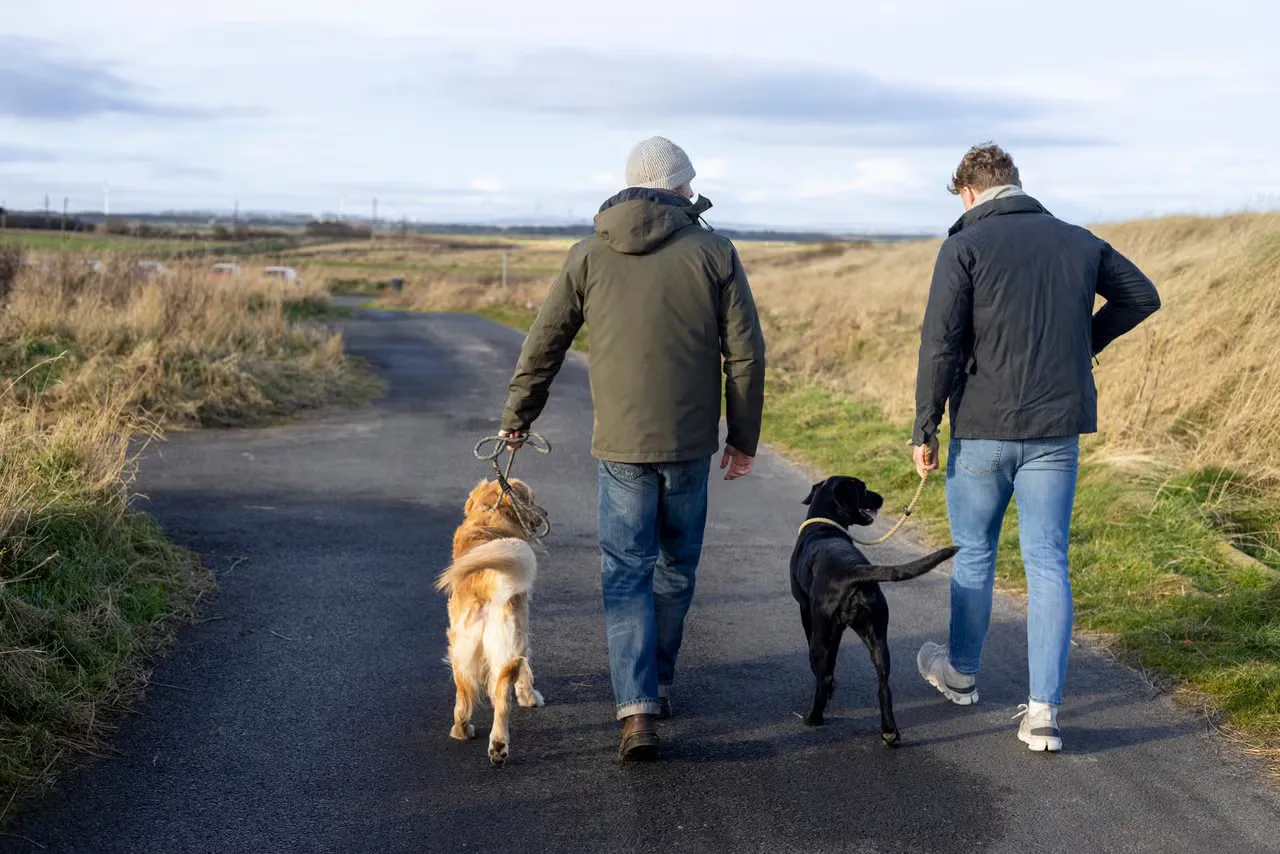
Two friends walking dogs that love and trust them.
We often forget that dogs are truly unique, emotionally complex animals. Every dog has its own life experiences, personality, and breed traits, all of which shape how they form and maintain relationships with humans. Some dogs are easier to get along with than others, but just because a dog doesn't immediately adore you doesn't mean a strong, trust-based relationship built on mutual respect is impossible.
"Too many people forget the dog's needs when trying to establish a relationship, and they instead do what feels good to them individually," Thomas tells us. "This is a relatively selfish thing to do, and you should try to be conscious of this—especially if you are dealing with a dog that needs more time. You have to be patient, but also encouraging in appropriate ways. It is not all on the dog's terms—it's a delicate tango between you both."
That delicate tango isn't learned overnight, and there will be trial and error. But if you remember to treat each dog as a unique individual and treat them as you'd want to be treated, making friends with them becomes much easier.