Backyard Bird Feeding: Six Common Kitchen Items That Pose Risks to Wild Birds
Rowan Carter
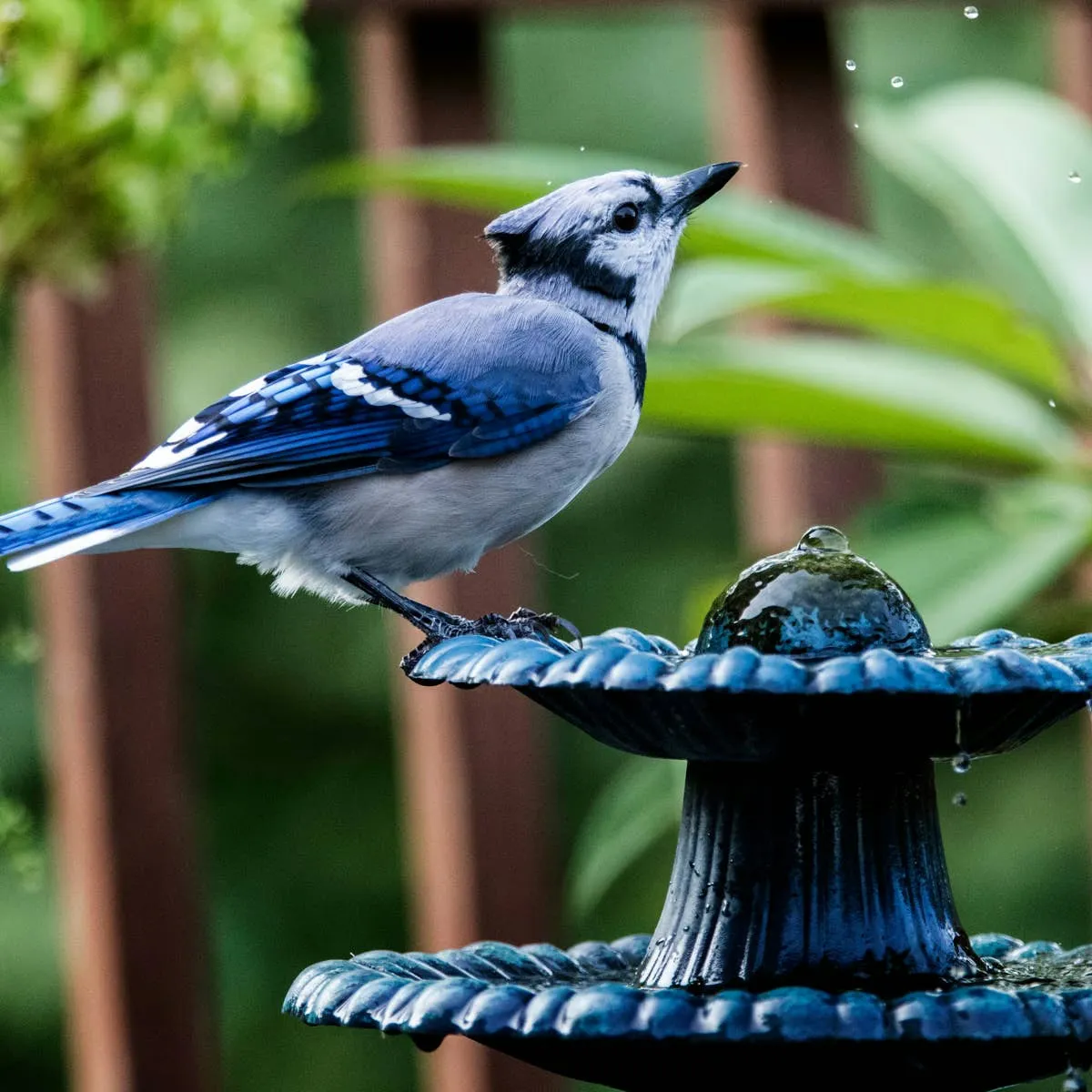
Watching wildlife through the window from the comfort of a warm home, coffee in hand, has a uniquely calming effect. Birds flitting about and calling to one another can seem like a private broadcast, with each day offering something different from the last. Whether you maintain a feeder throughout the year or simply scatter a few treats you know they enjoy, it's always a pleasure to see which colorful guests stop by and to notice how many of the same individuals keep coming back.
Still, good intentions don't guarantee safety when it comes to feeding backyard birds. Not every snack that appears harmless actually is. Some ordinary household foods have the potential to trigger significant health problems in wild birds. A bird's diet may be quite diverse, yet certain foods can be toxic. For that reason, anyone who loves birds should understand which items are appropriate for a feeder and which ones need to be avoided entirely.
Six Foods to Keep Away From Backyard Birds
Putting out bird feeders is among the simplest ways to draw birds into your yard and observe them from indoors. The food on offer entices birds to stop by for a bite, and as the BCSPCA notes, feeding backyard birds ranks among the most widespread forms of "human-wildlife interaction" globally — yet feeders are also one of the most frequent spots where birds become ill. With that in mind, knowing what should never go into your feeders matters.
Apples and Fruit Pits
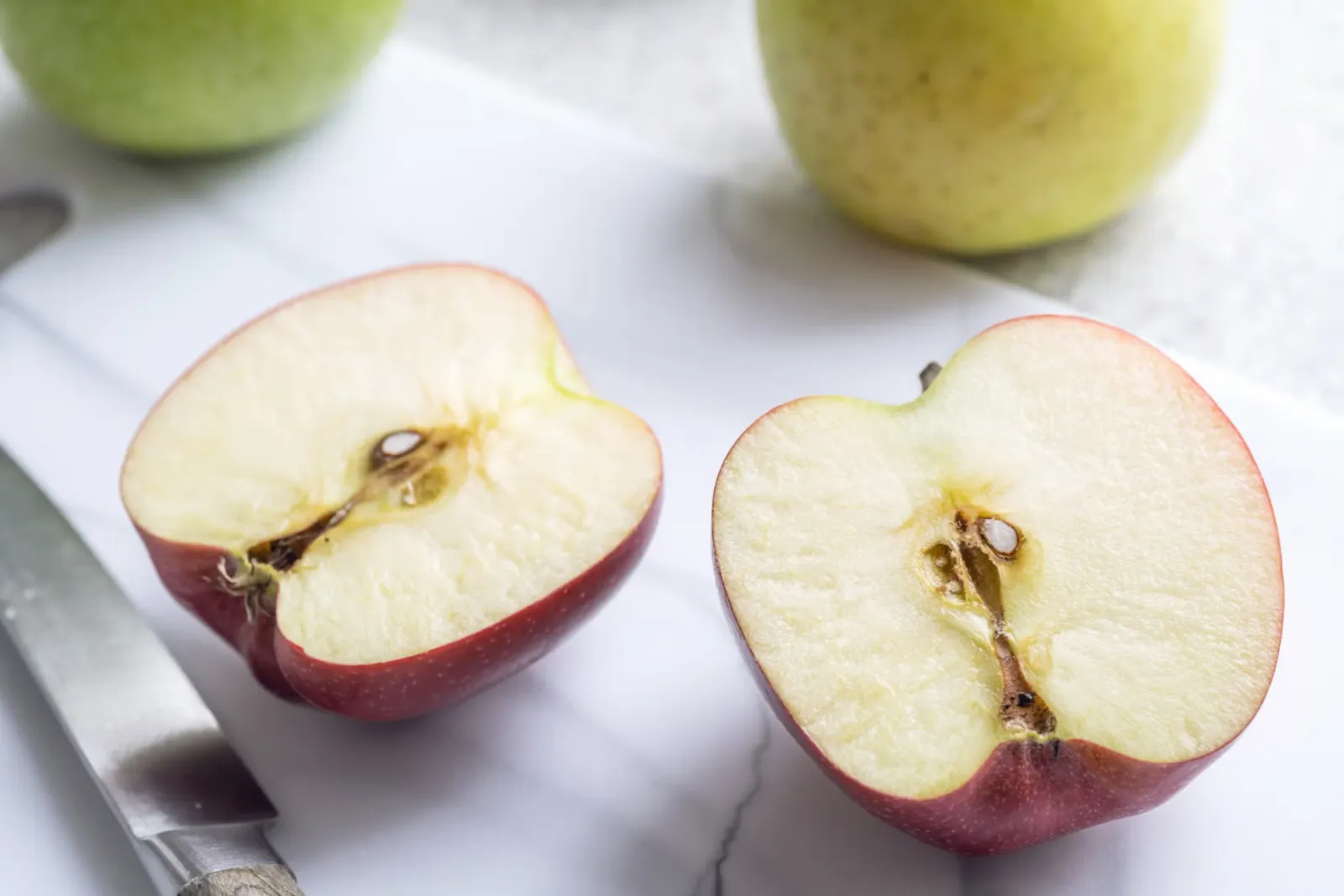
Two halves of a fresh apple cut down the middle.
Olga Shumytskaya / Getty Images
Apples and fruit pits may appear suitable for birds given that they're natural, but Avian Report cautions that they can contain a naturally occurring chemical capable of causing serious harm to wild birds. The seeds and pits of cherries, mangoes, peaches, plums, pears, and apples contain cyanide at levels that don't harm humans but can affect birds.
Animal Meats or Fats
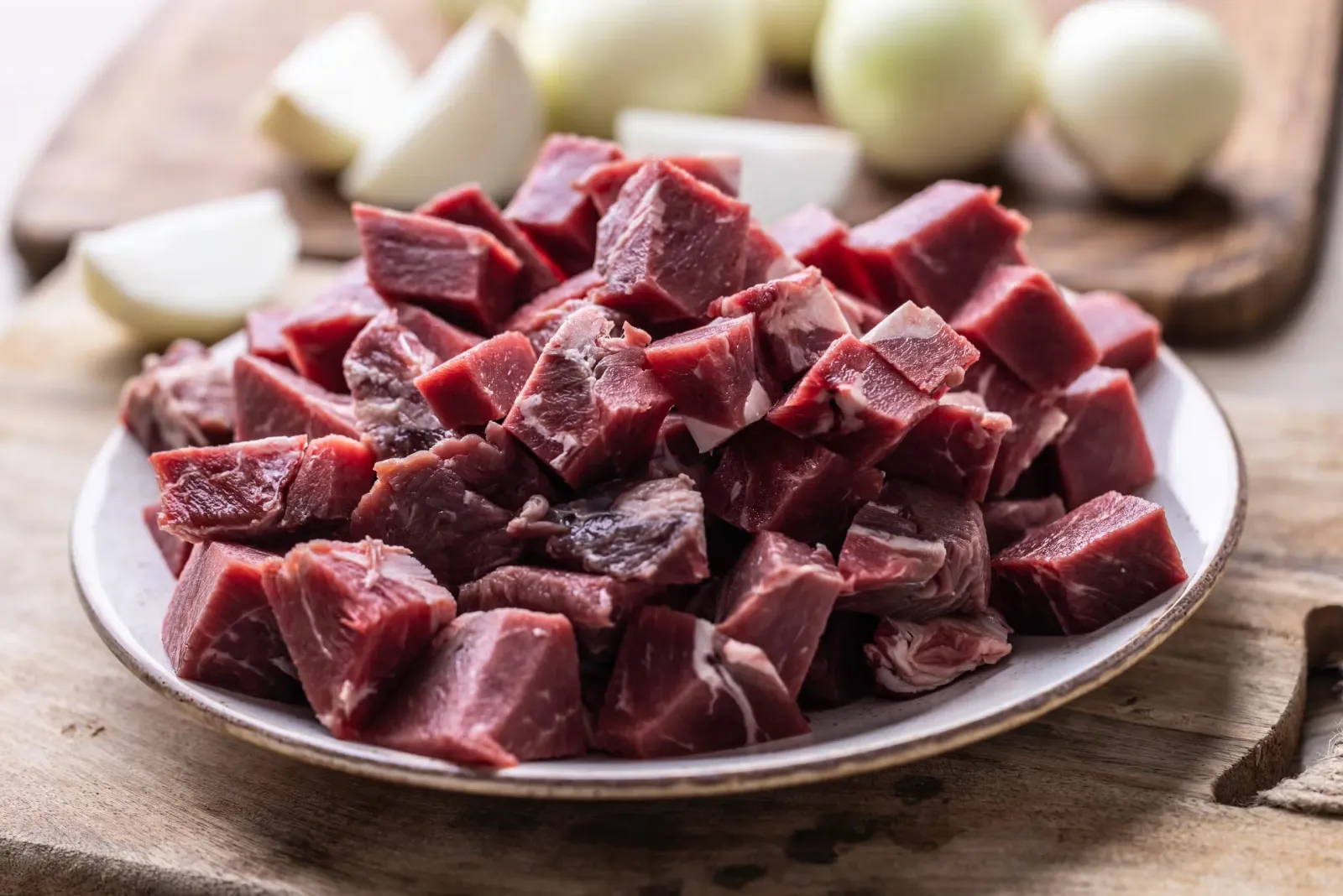
Chopped beef ready on a plate.
SimpleImages / Getty Images
Even if birds of prey lived near your home, putting out animal meat or fats for birds is regarded as unsafe, according to Birds & Blooms. These items spoil rapidly once removed from refrigeration and begin to "transform" in the sun, so leaving them out for your feathered visitors isn't advisable.
Chocolate
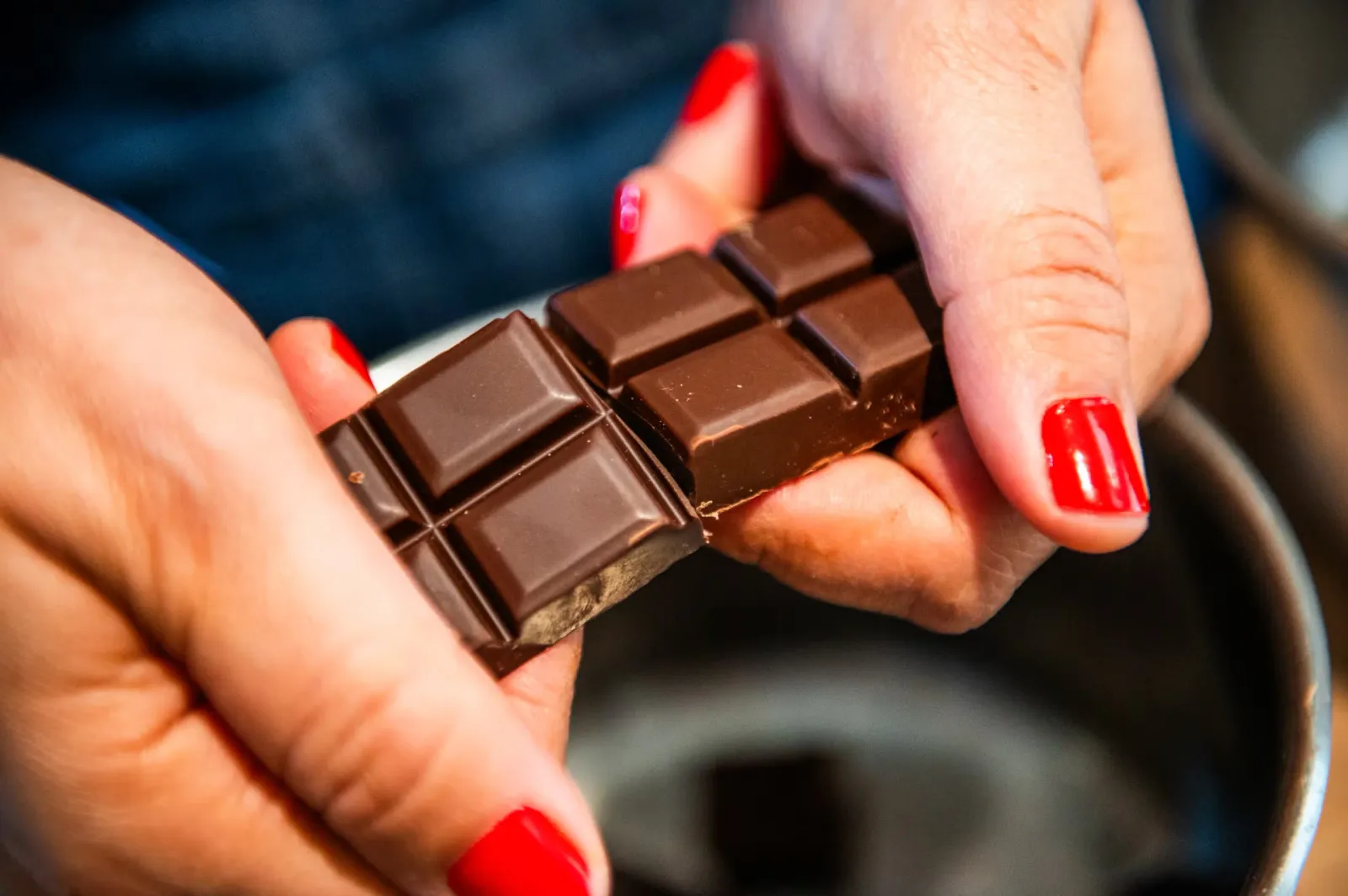
A close-up of someone with squares of chocolate in their hands.
Capelle.r / Getty Images
Most birds won't take any notice of chocolate, Avian Report explains, though certain species might — pigeons, blue jays, and crows among them. But just as chocolate is toxic to other animals such as dogs and cats, even a small quantity can be highly toxic to backyard birds.
Bread
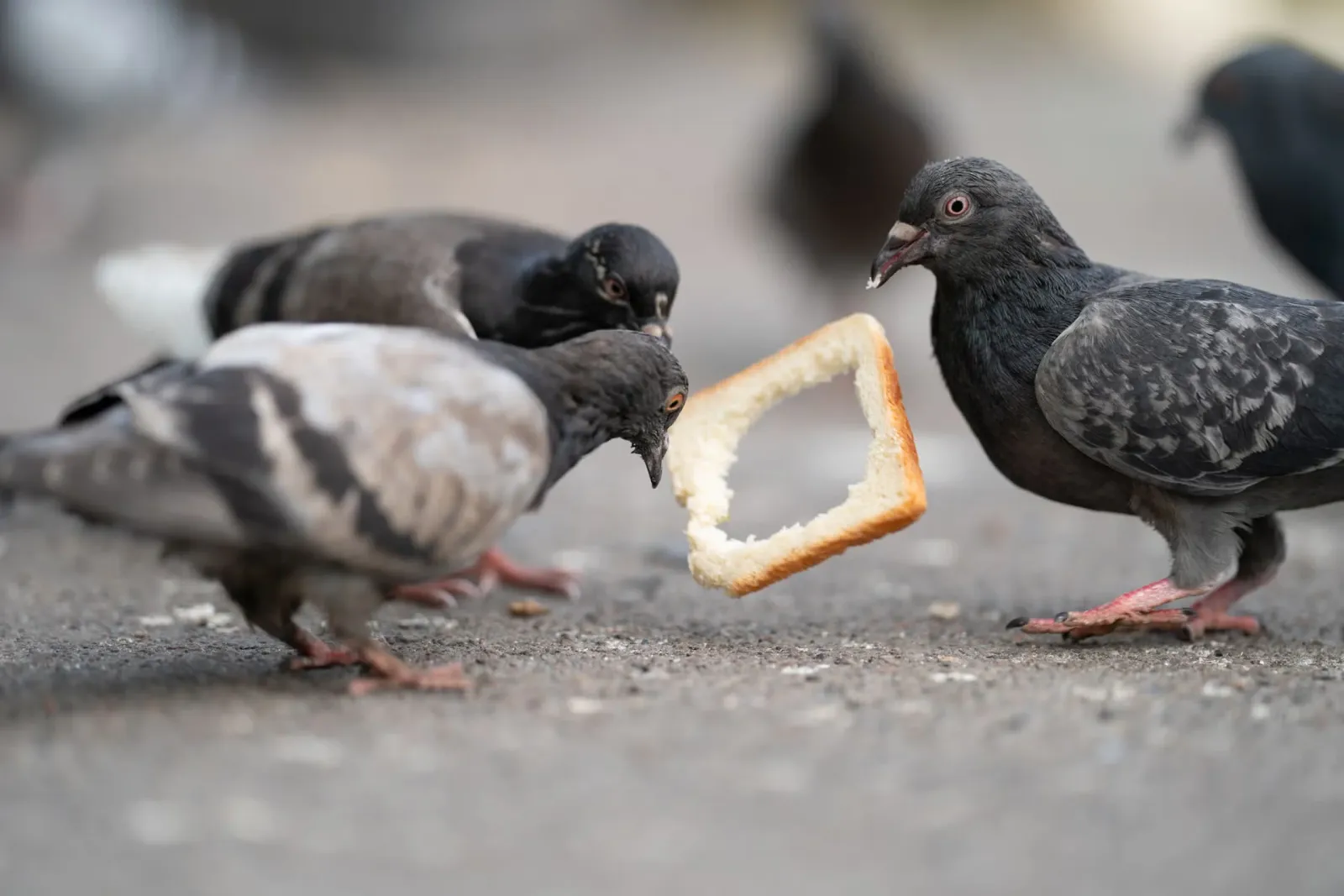
A close-up shot of several pigeons pecking at pieces of bread.
Tsyb_Oleg / Getty Images
Sharing bits of bread with birds outside is a scene we've all seen on television and in films, but Birds & Blooms cautions that it isn't safe for backyard birds or waterfowl. Bread offers birds no nutritional value, and because it's so starchy, a bird filling up on bread may pass up real meals that are essential to its health. Additionally, any mold on bread can present multiple health risks for them.
Nuts and Seeds Sold for Humans
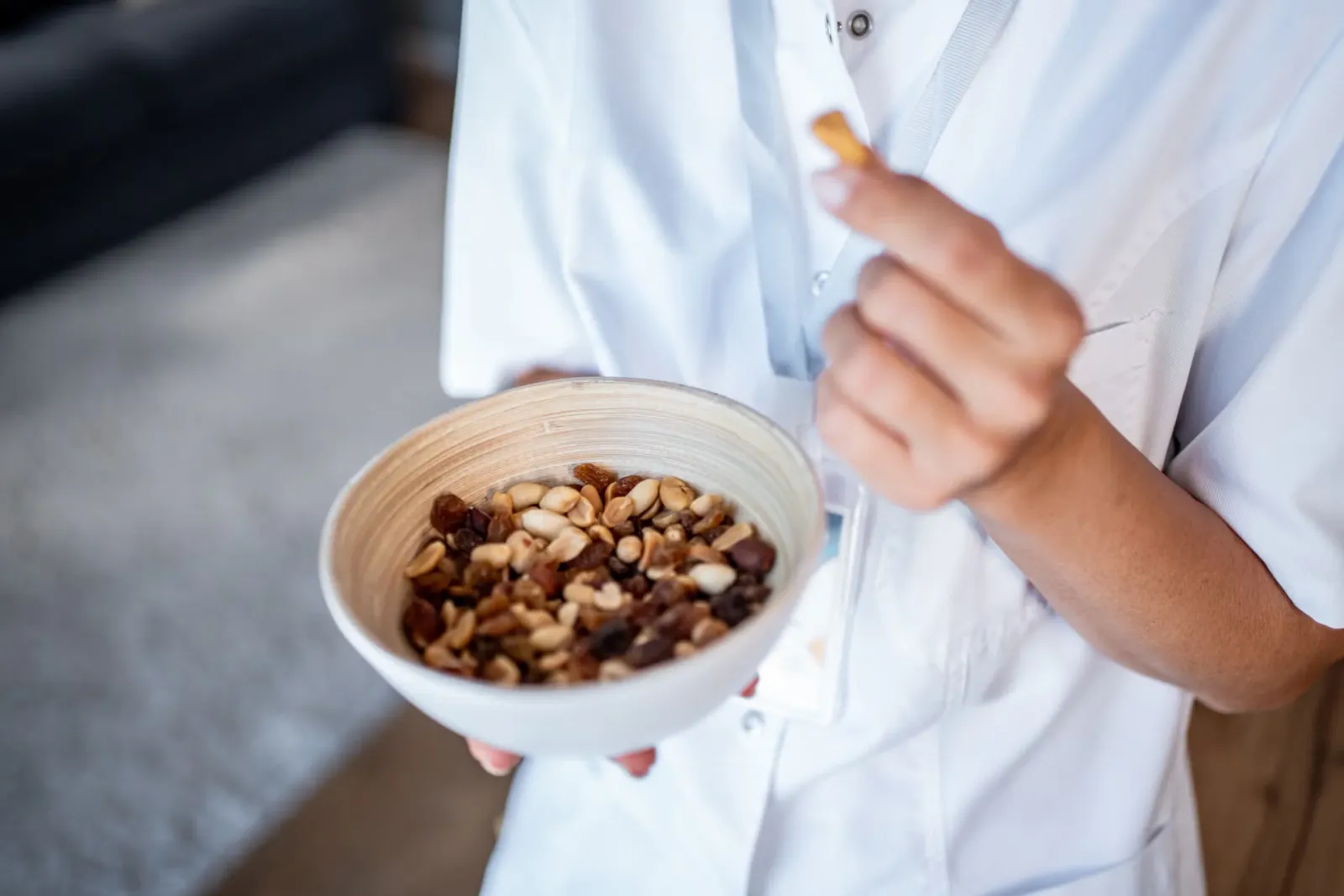
A person holding a bowl of mixed nuts.
Miladin Pusicic / Getty Images
Much traditional birdseed resembles the plain trail or nut mixes we enjoy as snacks, yet there's a major distinction. Nuts and seeds produced and sold for human consumption frequently carry salt levels that may be dangerous for birds, Birds & Blooms explains.
Old Birdseed
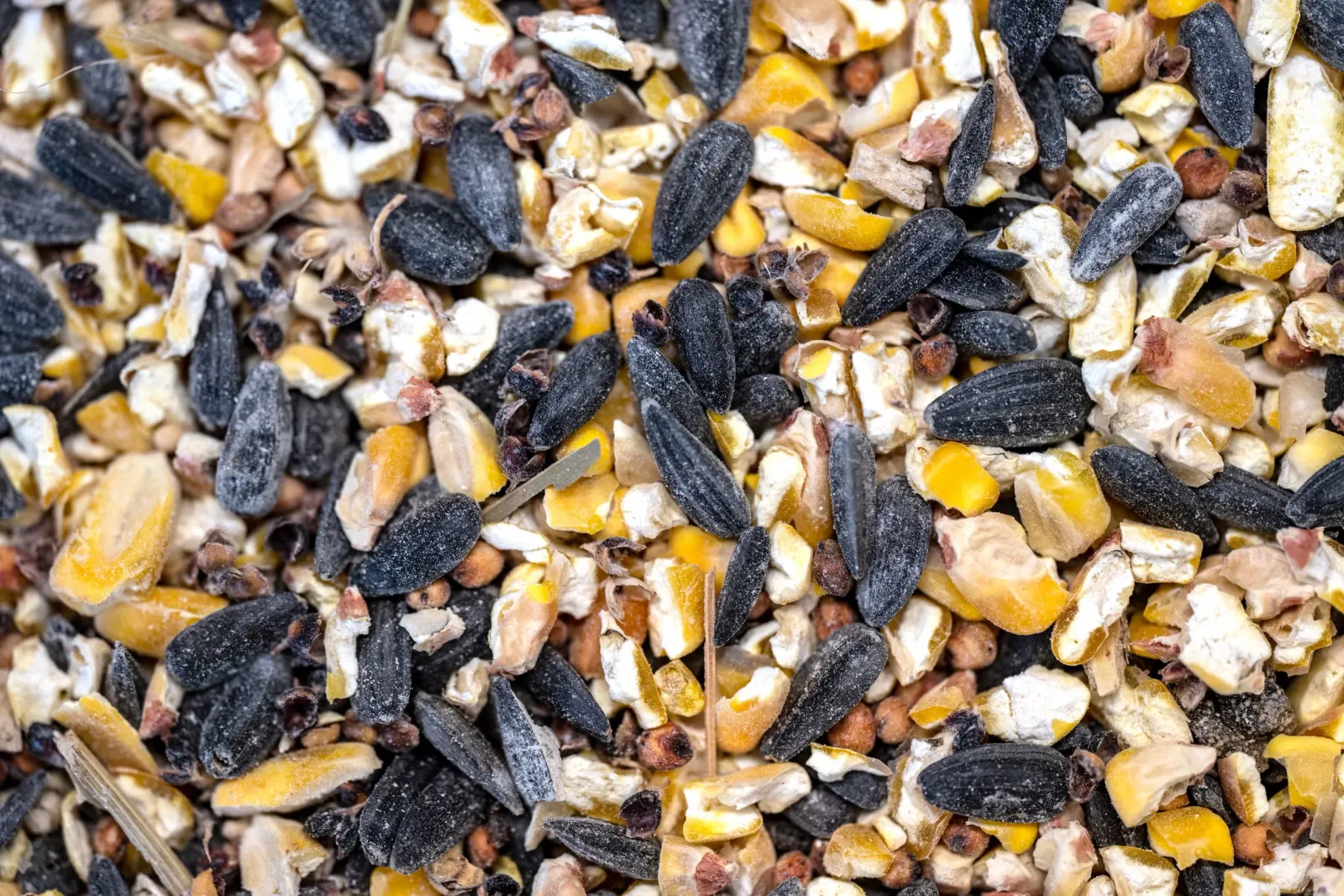
Close-up of wild bird seed.
DS70 / Getty Images
In the same way that eating expired food isn't safe for us, wild birds shouldn't eat birdseed that's past its prime. Doing so can expose them to moldy or rancid food, which can make birds ill with salmonella, according to BCSPCA.
How To Clean Your Bird Feeder
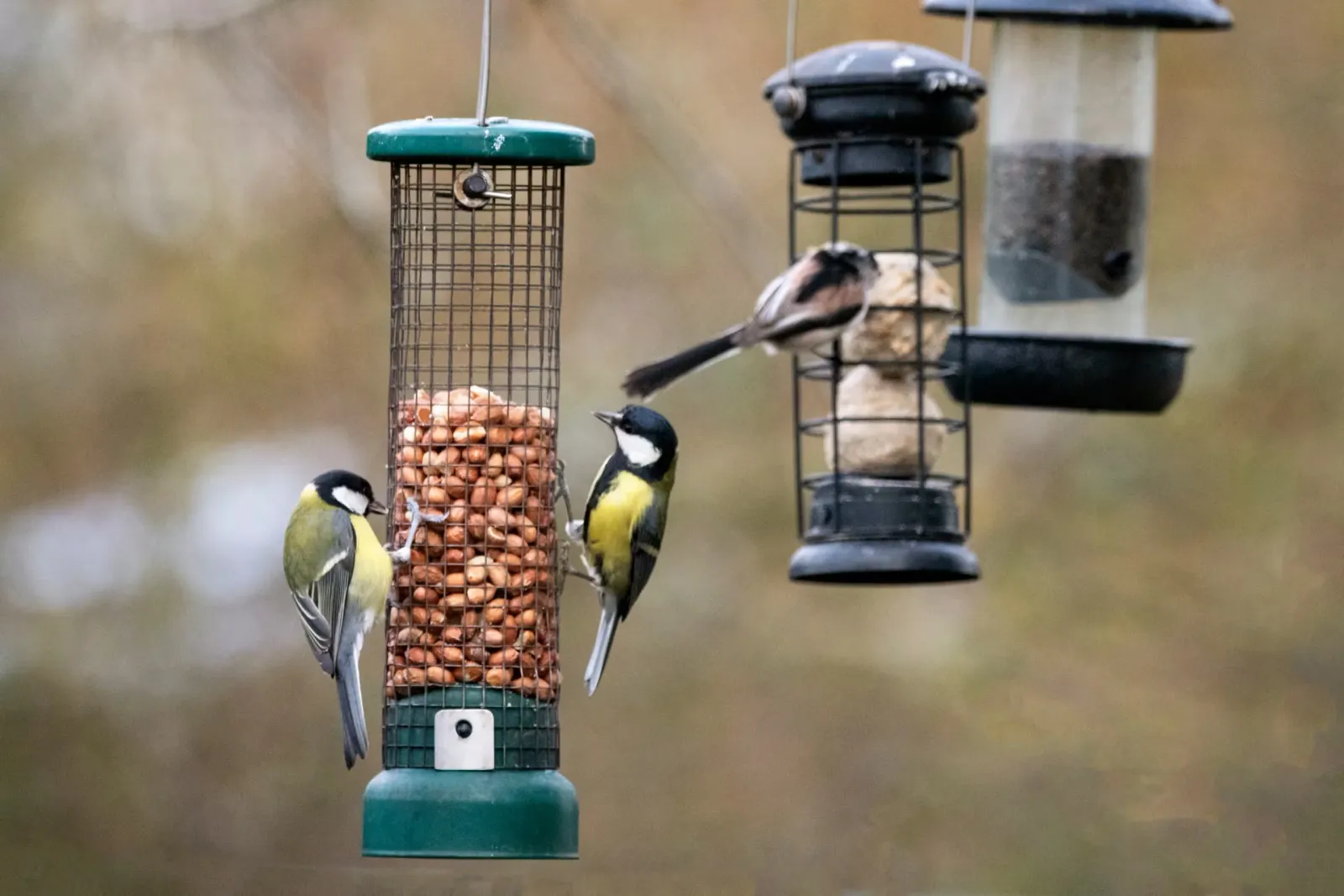
Birds feeding on peanuts set inside hanging bird feeders.
Trudie Davidson / Getty Images
If bird feeders are going to be part of your outdoor space, keeping them clean is essential so that wild birds can remain as safe as possible.
Per BCSPCA, feeders should be cleaned on a regular basis — roughly once every two weeks — and the process should involve throwing out any leftover seeds, scrubbing the feeder with soap and water, washing it a second time with a 10% bleach solution, rinsing, and letting it air-dry before refilling and rehanging outdoors.
Supporting backyard birds so they can thrive — and so you can keep enjoying their company and the relaxation it brings — begins with offering foods that meet their health needs and natural diet. It may be tempting to share leftovers or kitchen scraps, or to toss out a handful of foods you assume are safe for them, but staying with foods known to be bird-safe is one of the strongest ways to protect your feathered visitors.
By steering clear of these unexpected foods and learning how to enrich their diets with safe options they enjoy, you can build a backyard habitat that birds will want to come back to repeatedly.