Raven Friendships: What Science Says About Their Face Recognition and Trust
Harper Kelly
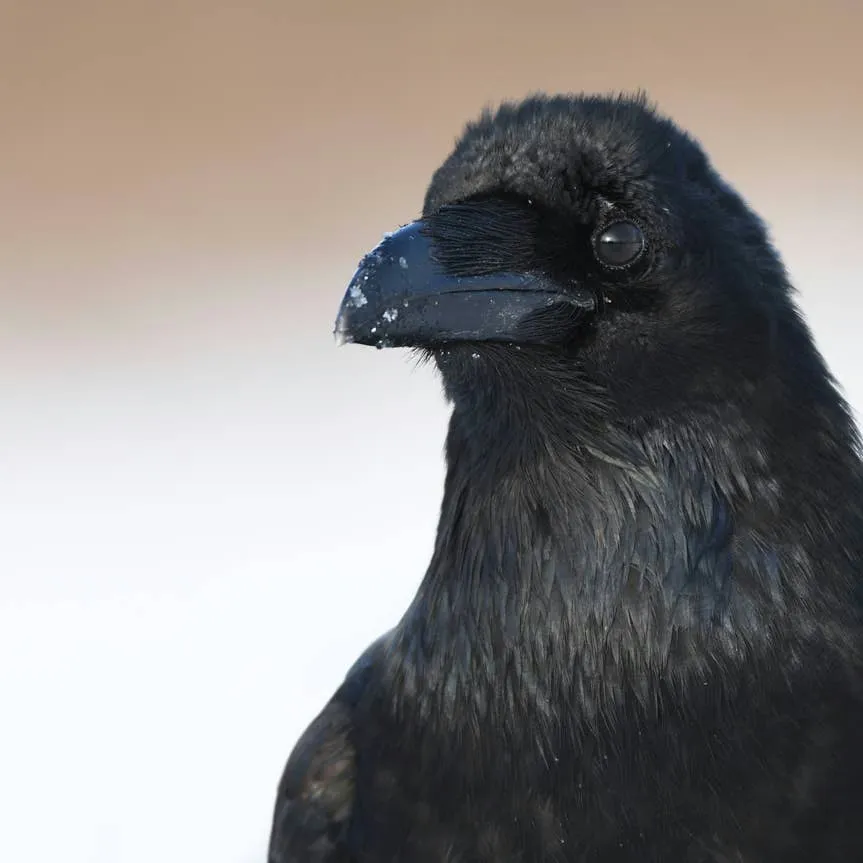
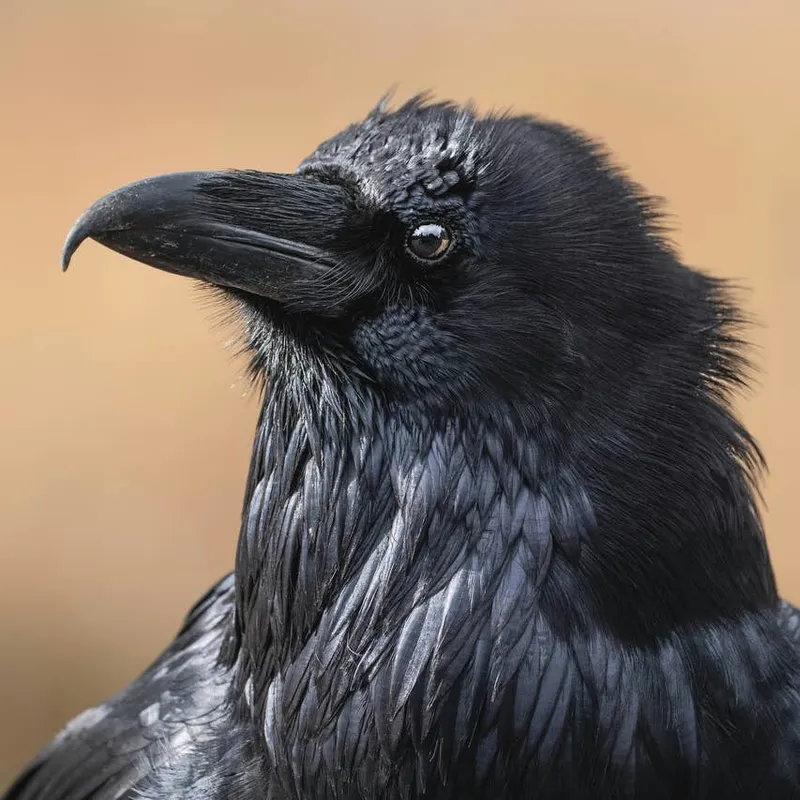
Ravens stand out as some of the most intriguing animals on the planet. Thanks to decades of scientific study, we now have a much clearer picture of just how intelligent these birds are and what remarkable skills they possess. Counted among the brightest avian species, ravens are capable of solving complicated, multi-stage problems, employing tools, acquiring new behaviors by observing others, and even anticipating future needs. Evidence is also mounting that ravens might possess a form of self-awareness—a quality that is surprisingly uncommon among animals. What may be most striking to people is that ravens excel at building social connections and have an amazing capacity to recall human faces.
Naturally, such a precise memory can work both ways: ravens are well known for identifying individuals who mistreat them—and for holding a grudge. Research on their corvid relatives, crows, indicates that these birds can recall a “bad face” for years and might even transmit that information to their offspring. The opposite side, however, is much more uplifting: certain bird watchers and corvid fans report that these birds also remember friendly faces, which has helped them develop friendships with ravens in their area.
But can you really become friends with a raven—and if so, what’s the right approach? Let’s look into that question and examine how a person might form a friendship with a raven and why these clever birds never forget a face.
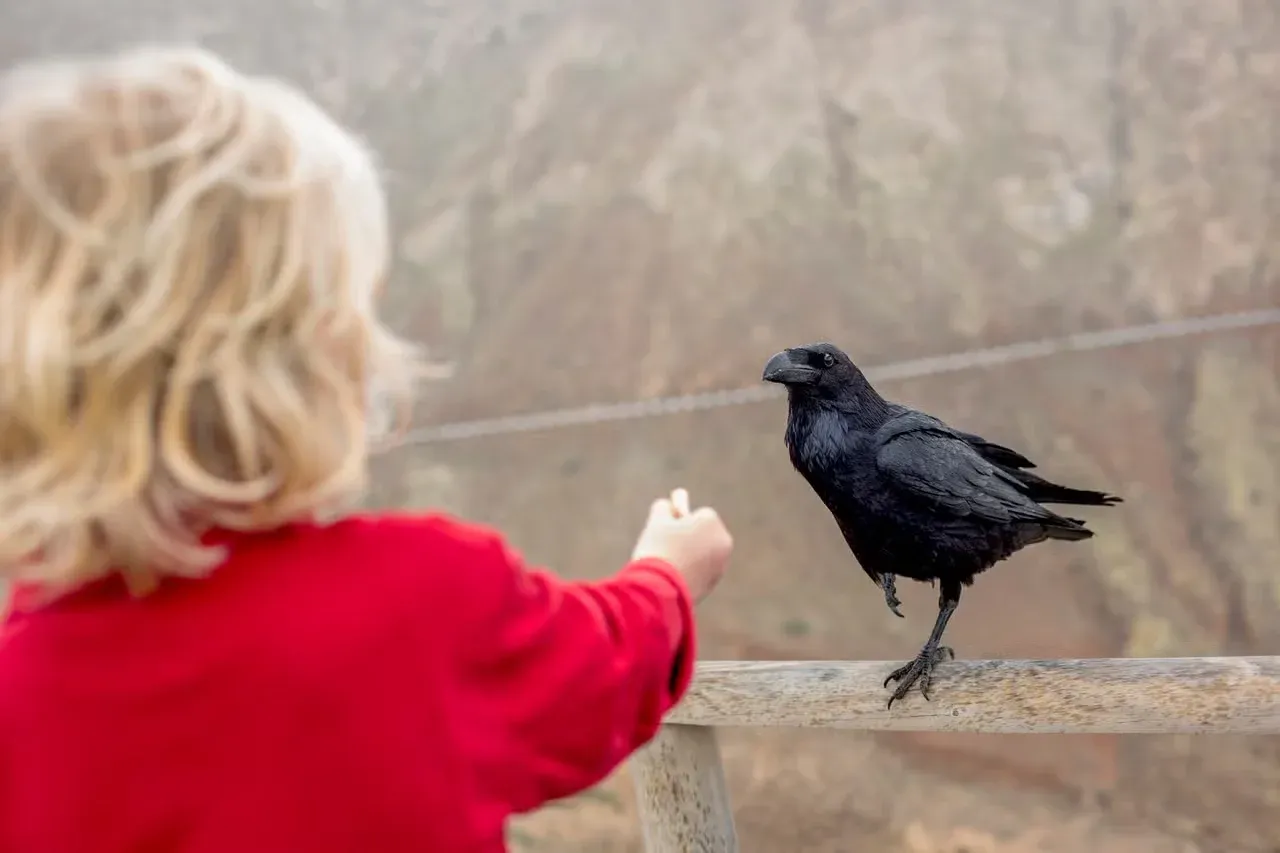
A boy trying to make friends with a raven by feeding it.
Image via Getty Images/jackSTAR
Even though ravens are highly intelligent and social, they remain wild animals. That means they are unlikely to form the same deep emotional attachments you might expect from a domesticated pet like a dog or cat. As wild creatures, they can be naturally wary of humans, so don’t expect to walk outside and have a raven instantly land on your shoulder as if you were a goth Disney princess, no matter how many good vibes you send out. Still, keeping those limitations in mind, there is ample anecdotal evidence to suggest that yes, it is possible to befriend a raven—or at least to get them to enjoy visiting you and to establish some kind of raven-human relationship.
Key Considerations Before Trying to Befriend a Raven
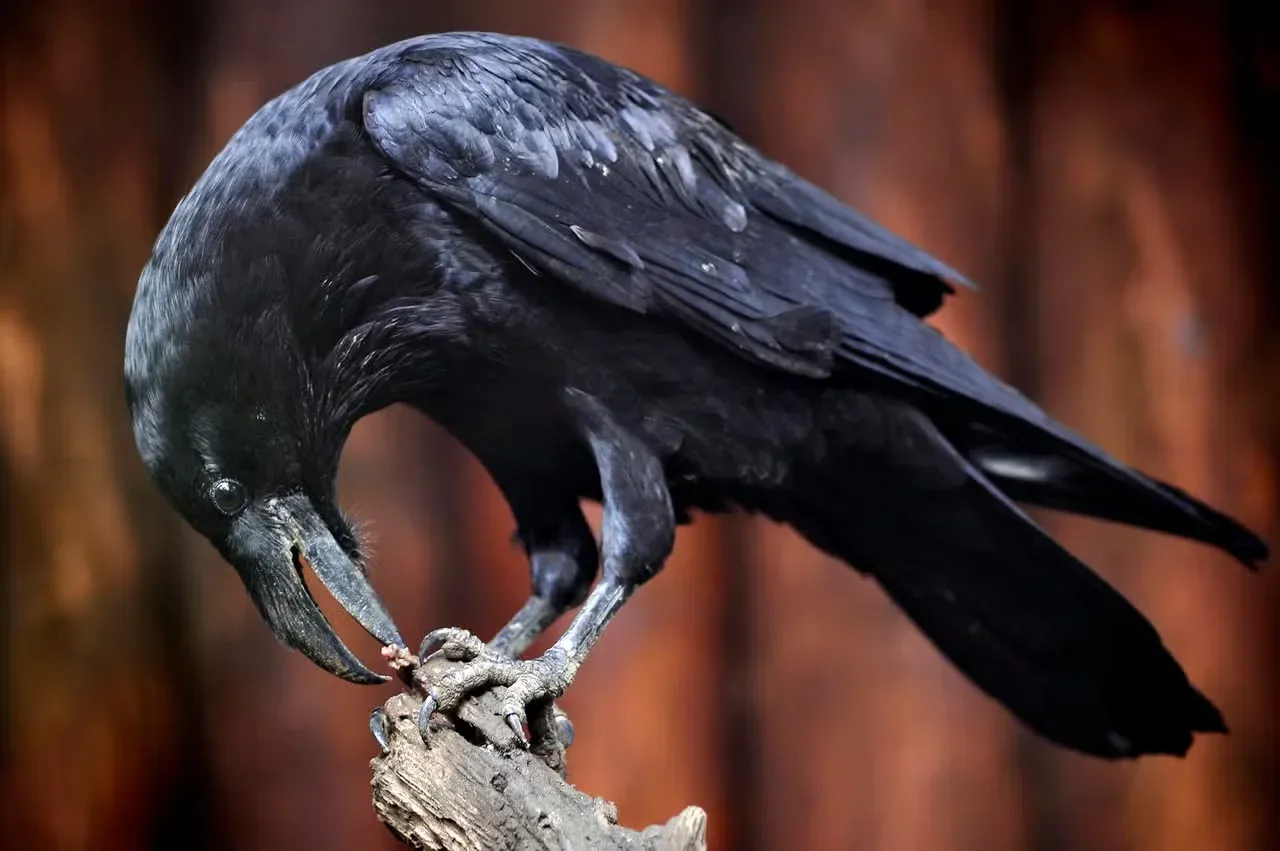
A large raven perched on a branch.
Image via Getty Images/Astrobobo
When attempting to befriend a raven, your aim should not be to make the raven a pet. Keep in mind that ravens are protected under the US Migratory Bird Treaty Act (even though they are mostly permanent resident birds), which prohibits capturing, killing, selling, trading, or transporting them, with legal penalties attached. Your ultimate goal in bonding with a raven should be to build a relationship. You want the raven to trust you and to feel at ease interacting with you on its own terms. Those are the essential elements of befriending a raven.
Steps to Befriend a Raven
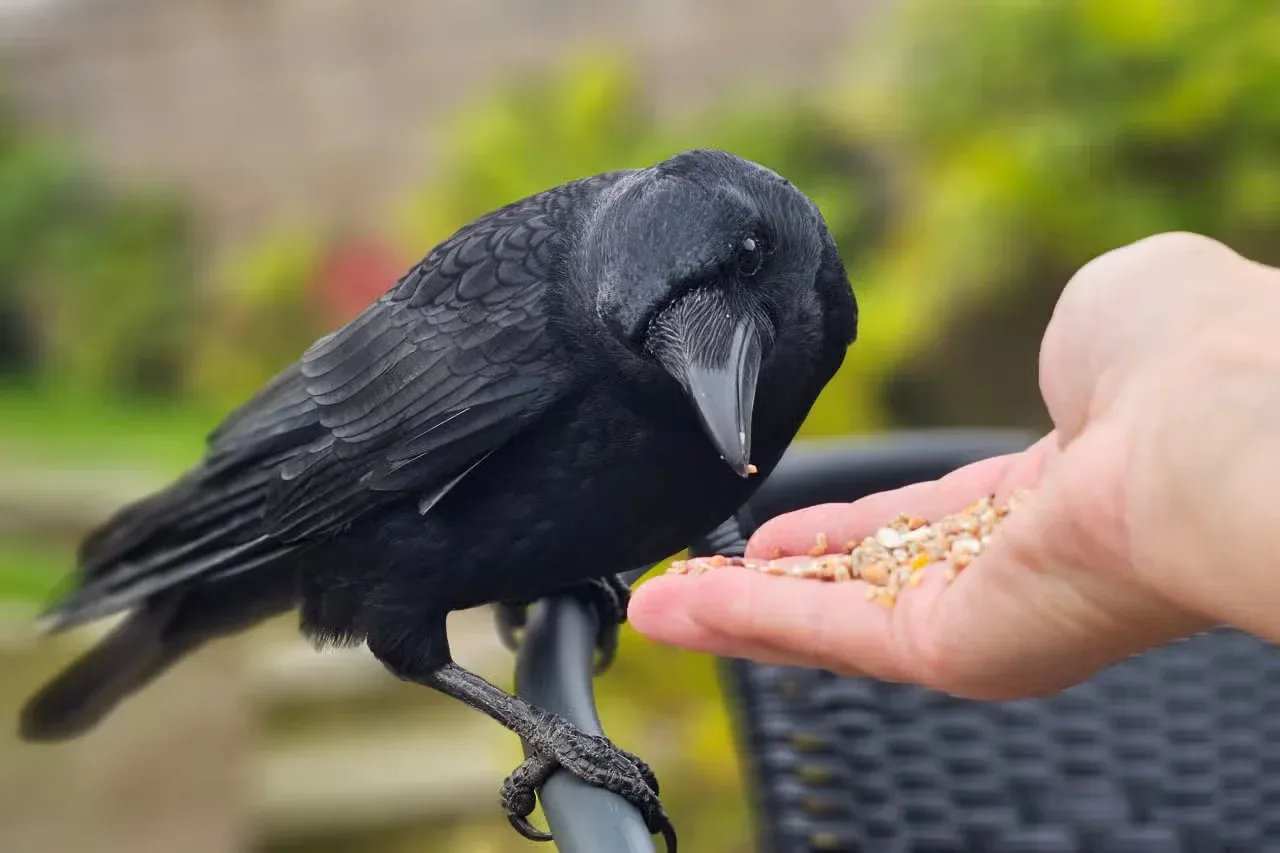
A raven eating birdseed out of a person’s hand that they are friends with.
Image via Getty Images/LadyLensArt
Given that it is possible to befriend a raven, the next question is: how do you do so safely? As with befriending a crow, the first step in creating a raven-human bond is straightforward—you must build trust. And in the world of wild ravens, trust often begins with food. In other words, it’s time to bring out the provisions.
Ravens may be naturally cautious, but they are also highly observant and opportunistic. They quickly figure out who is reliable, and a friendly person who regularly provides tasty treats is an opportunity they won’t pass up. If you know there are resident ravens in your neighborhood, your goal is to turn your yard into an ideal corvid gathering place—a spot where ravens feel safe, curious, and well-fed. Once they become regular visitors, you can gradually get them used to your presence and start building a foundation of trust.
Here’s what to do to attract ravens, encourage safe interaction, and begin forming a raven-friendly relationship:
Offer Food
As opportunistic omnivores, ravens are not especially fussy eaters—they will consume almost anything available, including roadkill or unappetizing scraps. Fortunately, feeding ravens doesn’t require anything that extreme! These clever corvids are particularly partial to raw meat, fresh fruits and vegetables, eggs (scrambled or hard-boiled and chopped), nuts, seeds, and whole grains like corn and oats. Many ravens will even nibble on extra pet kibble if it’s provided.
That said, not everything in your kitchen is safe for wild ravens. Some foods are toxic to these birds, including chocolate, avocados, and onions.
Like humans, ravens have individual preferences, and figuring out which foods attract your local birds may take some trial and error. Start by offering a few different options, then watch from a distance to see which treats they favor. Over time, you can create the ultimate raven-friendly feast, making your yard the go-to spot for local corvids and helping you build a trusting relationship with wild ravens.
Keep a Consistent Schedule
Feeding ravens occasionally isn’t enough to earn their trust and have them consider you a friend. These highly intelligent corvids are strategic opportunists—they won’t waste time visiting a yard unless they can count on a steady food source. To build a lasting raven-human relationship, you need to establish a consistent feeding routine that keeps them coming back.
Once your ravens notice a pattern in your feeding habits, they will likely start showing up without prompting. If you feed them at the same time each day, some birds might even arrive before you do, demonstrating just how sharp their memory and timing can be. Consistency is key, and frequency matters too: aim to feed ravens once every 1–2 days for the best results. Over time, this regular schedule helps your neighborhood ravens associate your yard with safety and good food, forming the foundation of trust needed for a true raven-friendly bond.
Location Matters
You could bring out the most delectable raven treats known to birdkind, served on a shiny gold platter, but if it’s in a busy, noisy space with cars speeding by and dogs barking all day, the ravens won’t show up. It’s not enough to provide good food; you also need to give them a safe, comfortable place to eat it.
Ideally, set up your raven feeding station in a part of your yard that is open yet fairly secluded from noise, traffic, and other obvious threats. Although you can feed them from plates on the ground, they might appreciate a raised platform for dining, where they are less vulnerable to predators. While you’re at it, consider investing in a simple bird bath too: ravens, like other birds, will really appreciate a place to drink and bathe safely. By doing so, you’ll be able to establish a friendship with ravens in your neighborhood.
Be Patient
Don’t expect ravens to swoop over in gratitude on day one—building trust with wild birds takes patience and consistency. At first, it’s crucial to give them plenty of space. Set out the food and watch from a distance. Don’t worry—they have excellent eyesight and will still be able to recognize and remember your face. As the ravens grow more comfortable with your presence, you can slowly close the distance, or you may be lucky enough to have them take the initiative and fly over to you first!
The experiences of people who have successfully befriended ravens, crows, and other corvids are nothing short of remarkable. People online have shared stories of their raven friends following them on walks, gifting them shiny trinkets, and even bringing future generations of baby ravens to visit! Of course, some of these encounters come with minor drawbacks—like the occasional mess on your deck—but that’s part of the charm of forming a raven-human friendship.
While there’s no way to predict exactly how your own relationships with ravens will unfold, one thing is certain: a solid foundation of trust, patience, and tasty treats is the key. With consistent effort, respect for their space, and a little bit of time, you can enjoy the joy and wonder of interacting with one of the most intelligent and memorable birds on the planet. Happy bird befriending—and may your yard become a favorite hangout for your neighborhood corvids!