Turn Your Backyard into a Songbird Sanctuary: Expert Advice from a Licensed Rehabilitator
Blake Hall
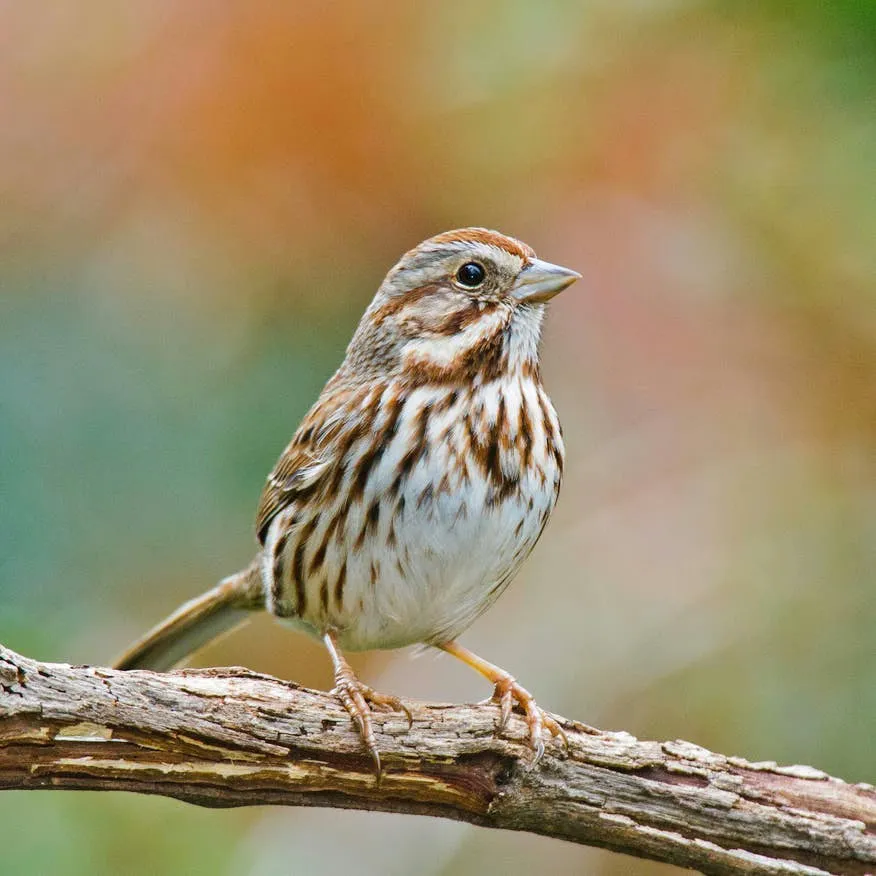
Songbirds fill the skies, and for those who enjoy watching them, the question of how to draw more into the yard often comes up. Nothing quite matches the pleasure of walking outside and catching the calls of cardinals, mockingbirds, robins, blue jays, finches, and other familiar species. The catch is that even when birds are plentiful nearby, they may not visit a particular property. This usually has nothing to do with the homeowner and everything to do with the yard itself. If a home lacks the right mix of food, water, shelter, and safe resting spots, birds will go elsewhere. Fortunately, a few simple adjustments can turn a yard into an inviting habitat for songbirds.
To learn what actually works, we consulted Jennifer Gordon, executive director of Carolina Waterfowl Rescue. Gordon is a licensed migratory bird rehabilitator with more than three decades of experience and manages one of the largest songbird rehabilitation centers on the lower East Coast. She has cared for countless wild birds and offers guidance on questions like “Why aren’t birds coming to my bird feeder?” “What plants attract songbirds?” “How can I create a more bird-friendly space?” and others.
Songbirds That Commonly Visit Yards
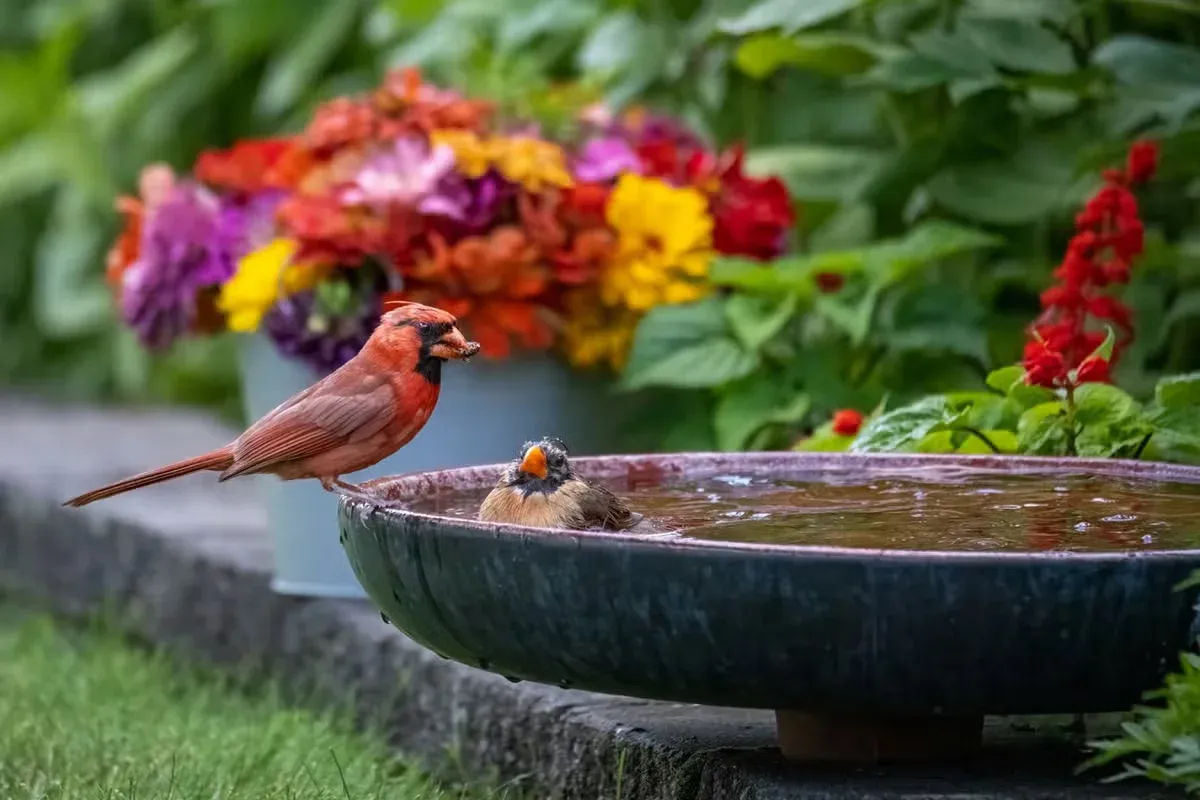
Cardinals are one of the most recognizable songbirds.
Getty Images Tammi Mild
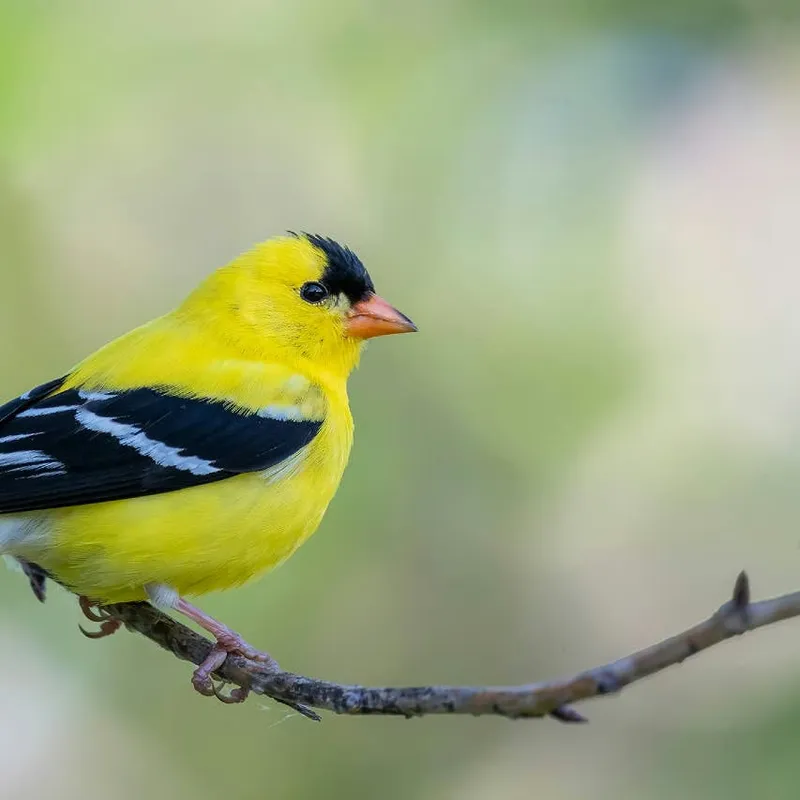
North America hosts over 300 songbird species that are native or naturalized, yet only a small number regularly appear in residential yards. According to Gordon, the species seen depend on location. She identifies five of the most frequently observed types:
- Northern Cardinals (Cardinalis cardinalis)
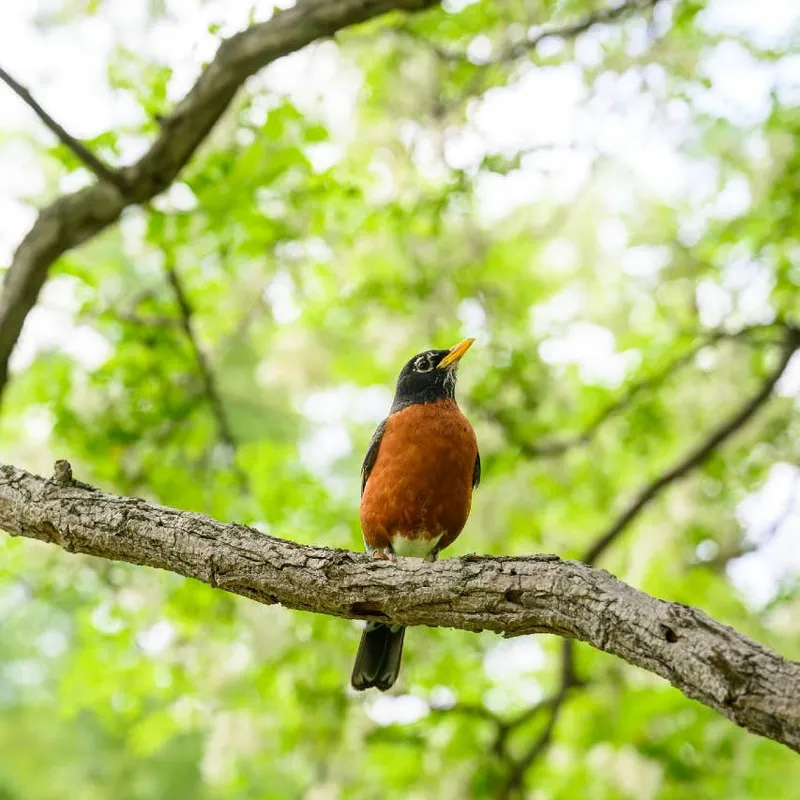
- American Robins (Turdus migratorius)
- Northern Mockingbirds (Mimus polyglottos)
- Mourning Doves (Zenaida macroura)
- American Crows (Corvus brachyrhynchos)
Why Birds Stay Away and How to Make a Yard More Welcoming
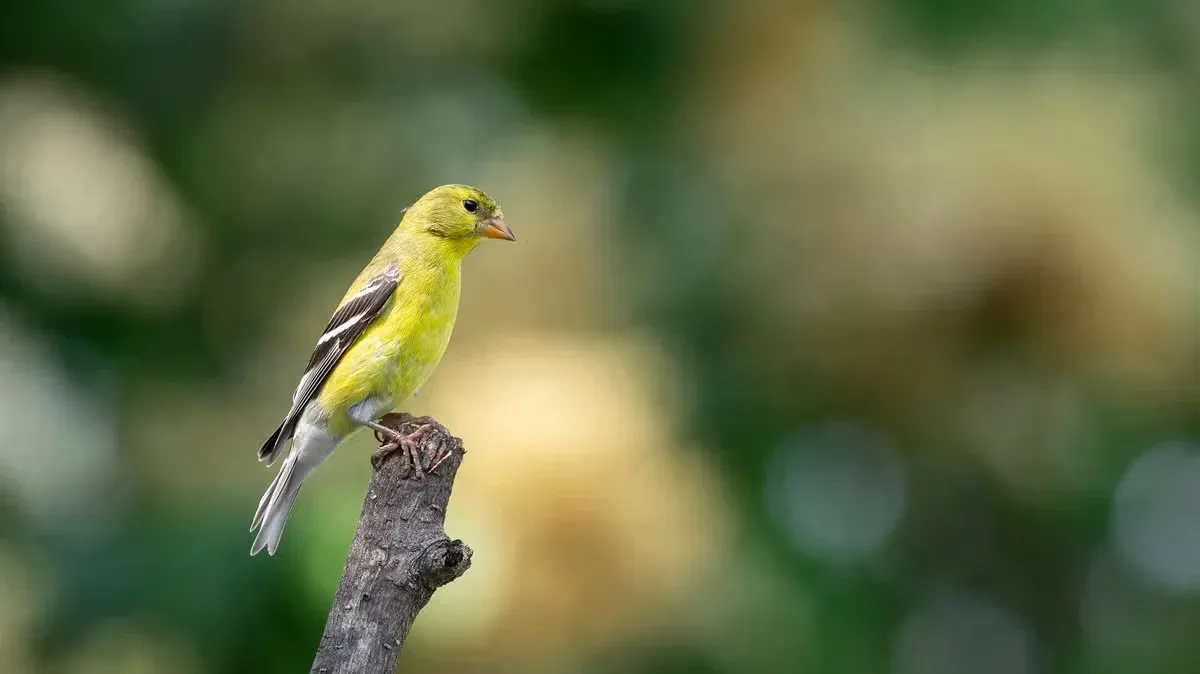
Different bird species prefer different foods.
Getty Images DansPhotoArt on flickr
If birds are absent even with a feeder present, the reason often relates to whether the yard supplies songbirds’ basic needs: dependable food, fresh water, shelter, and a safe place to rest. Birds are practical creatures and will not visit a location lacking something valuable. Gordon notes that the absence of suitable habitat or resources is the most frequent cause of a bird-free yard. Identifying the missing element and making adjustments is typically sufficient.
At times, though, a yard with ample food, water, and shelter still fails to draw songbirds because another factor makes them feel unsafe. One unexpected reason birds avoid certain areas is the presence of free-roaming pets.
“Outdoor cats can also significantly reduce bird activity. Cats are not native to North America and are responsible for the deaths of billions of birds each year,” Gordon warns. “In addition to predation, cats carry bacteria such as Pasteurella, which can be fatal to birds and other wildlife because our native species did not evolve alongside domestic cats and have not developed natural resistance to these pathogens. Free-roaming dogs can also disturb wildlife and discourage birds from using an area.”
How to Attract More Songbirds
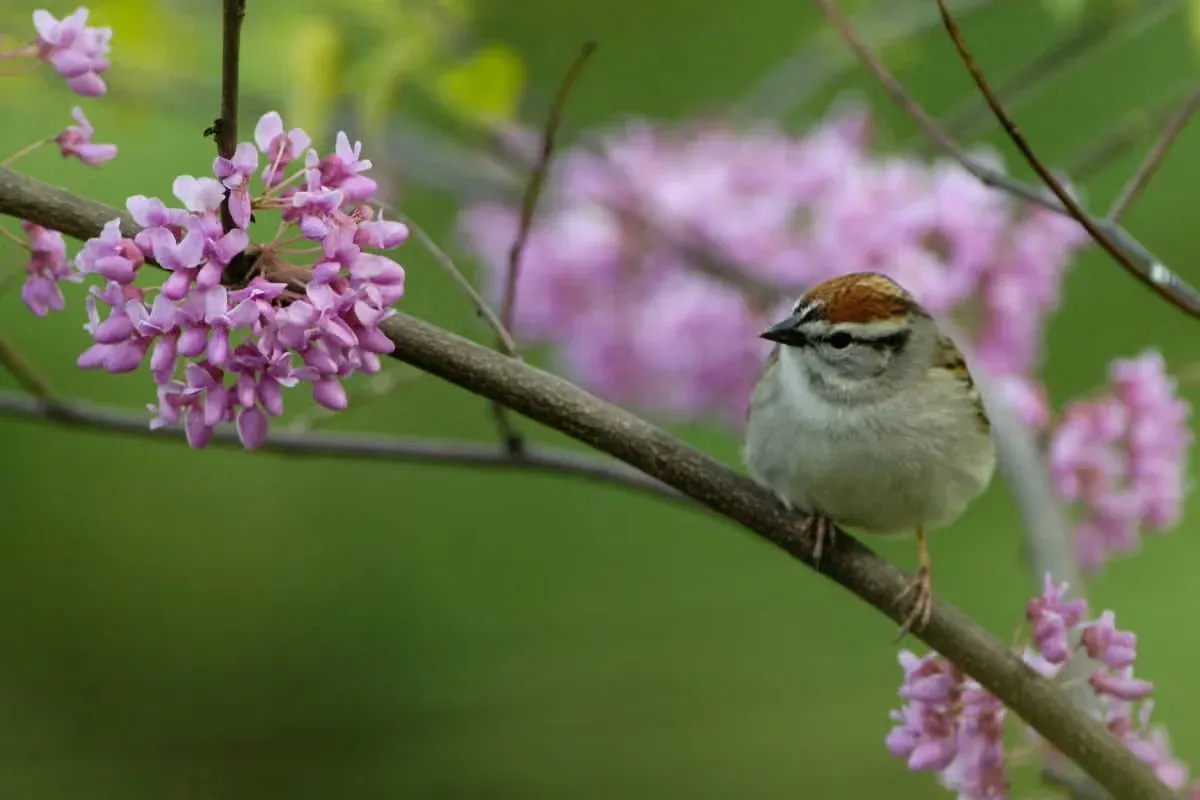
A songbird rests on a branch in a backyard designed to welcome native birds.
Image via Getty Images/Douglas Graham
Fortunately, attracting more songbirds does not demand a full landscape overhaul. Many quick, easy, and low-cost fixes can make a backyard bird-friendly. While individual songbird species may have slightly different preferences, Gordon’s recommended tips are effective for bringing in a wide range of songbird species.
Build a Bird-Friendly Yard with Natural Cover and Habitat
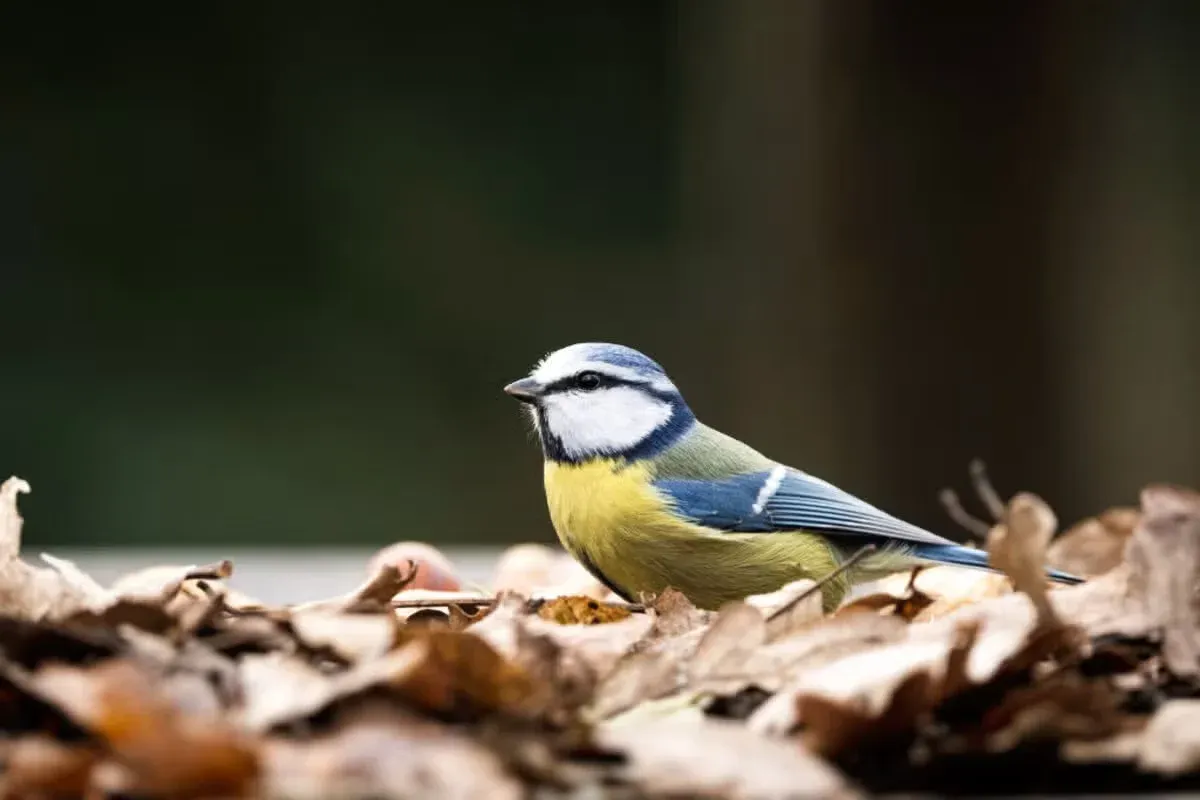
Leaf litter and native plants create places where birds can forage and hide.
Image via Getty Images/Anadolu
A pristine, manicured yard may appeal to people, but it is not always ideal for backyard birds. Songbirds require natural cover for hiding from predators, hunting insects, and resting safely between activities.
Typical suburban lawns feature neatly trimmed grass, well-kept shrubs, and minimal natural debris. That tidy appearance can leave smaller songbird species without the protection and resources they need. Letting the entire yard go wild is unnecessary, but setting aside a few areas for nature to flourish can make a significant difference.
“Brush piles, native grasses, leaf litter, and other natural cover provide shelter from predators and places for birds to forage,” advises Gordon. “A perfectly manicured yard isn’t always the best habitat for wildlife.”
In moderation, some leaf litter and natural yard waste also benefit soil, as decaying organic material returns nutrients to the ground. This encourages more abundant plant growth and attracts insects that serve as a key food source for many songbirds.
Install Bird Feeders and Add Natural Food Sources
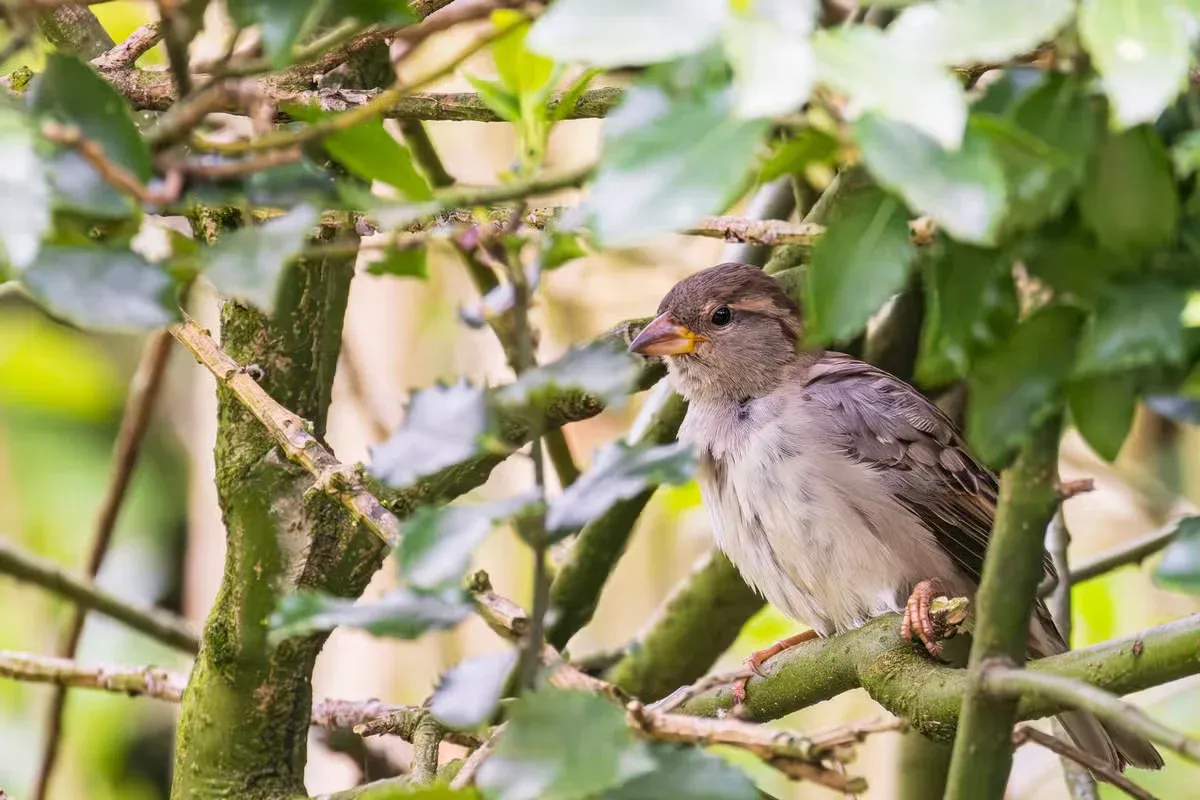
Autumn is a great time to watch migrating songbirds visit your yard.
Image via Getty Images/HildaWeges
Birds will not visit a yard in search of food if none is available. Offering something for birds to eat is among the fastest and simplest ways to draw them in, making it a logical first step in converting a yard into bird-friendly landscaping.
What food should be provided? A bird feeder is an obvious option, and Gordon adds that feeders can help birds supplement natural food sources, particularly when food is scarce. The appropriate food depends on the birds one hopes to attract: some prefer nuts and seeds, some are insectivores, and others will eat almost anything.
Gordon points out that feeders should supplement, not replace, natural food sources. Planting species that yield seeds, berries, and other wildlife-friendly foods gives birds a reason to return throughout the year.
Choose Native Plants That Attract Songbirds
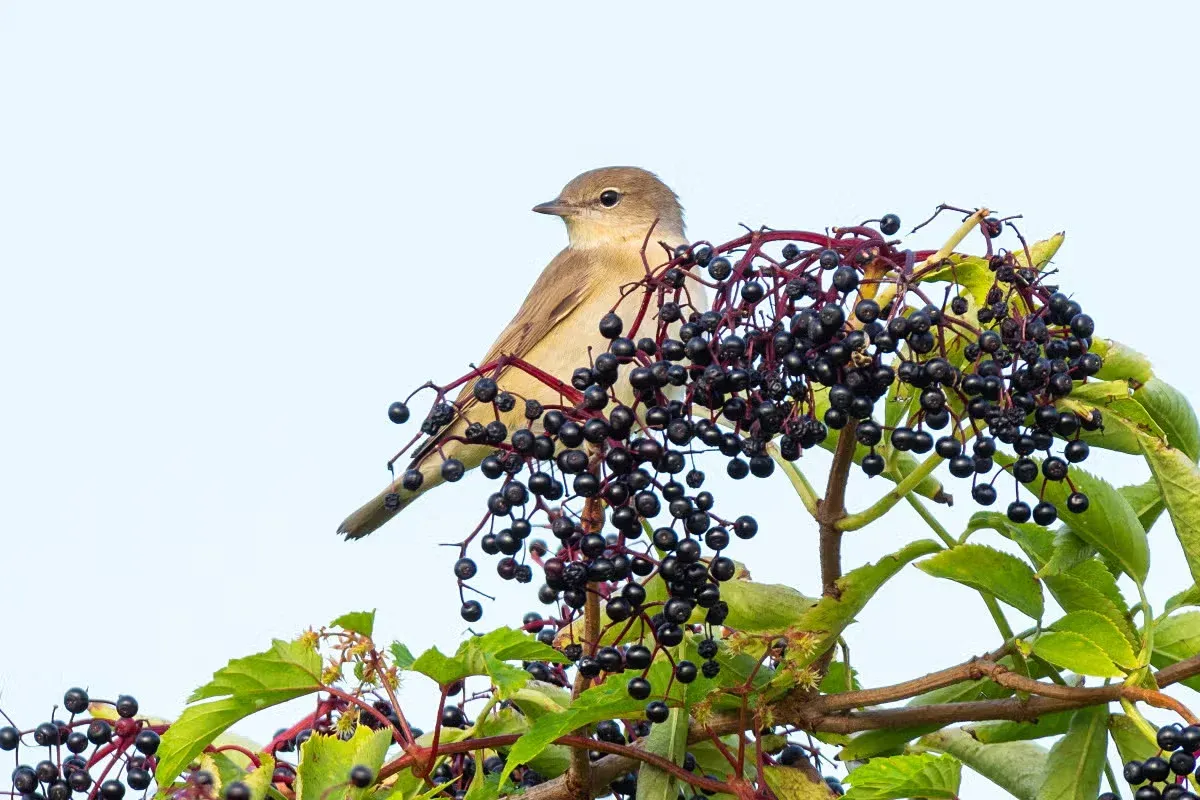
Landscaping choices can make your yard more appealing to birds.
Image via Getty Images/TorriPhoto
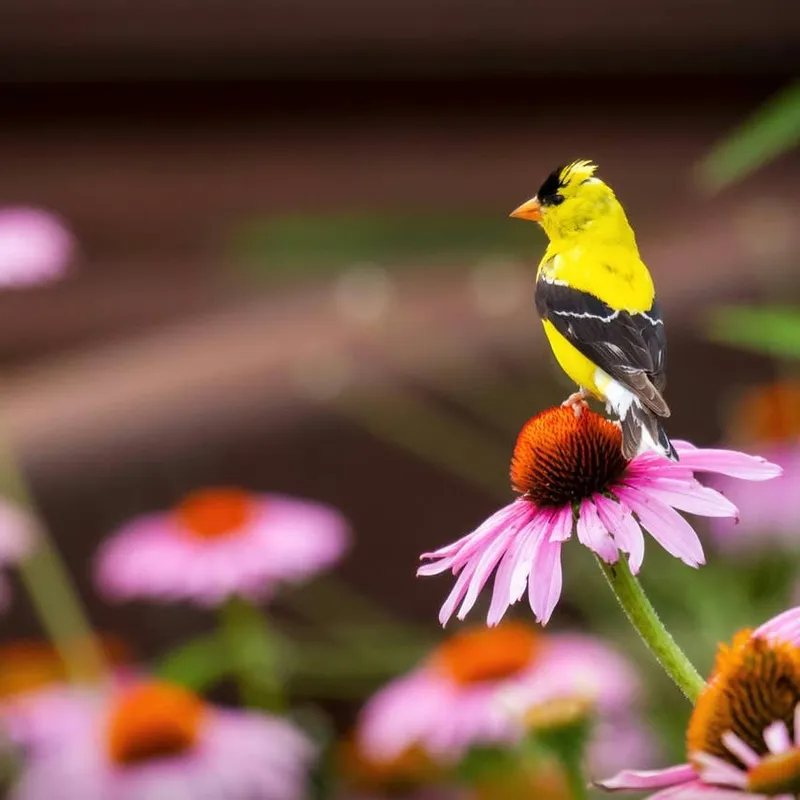
For natural attraction, adding native plants is one of the most effective actions. Native trees, shrubs, and flowers are already suited to supporting local wildlife, making them valuable food and shelter sources for songbirds.
Beyond enhancing the landscape’s color and beauty, native plants can supply berries, seeds, insects, nesting materials, and safe hiding spots. To create a more bird-friendly yard, consider incorporating a variety of native plants that offer fruit and flowers across different seasons.
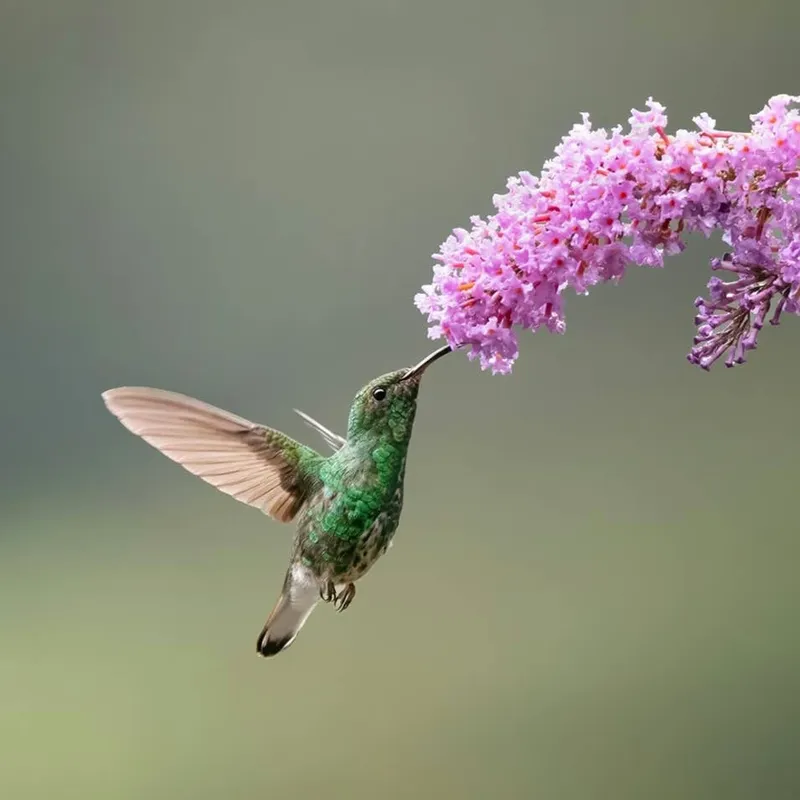
“Native fruit-bearing shrubs, trees, and flowering plants provide food, nesting materials, and habitat,” says Gordon. “Pollinator-friendly flowers are especially important for hummingbirds.”
Provide a Clean Water Source
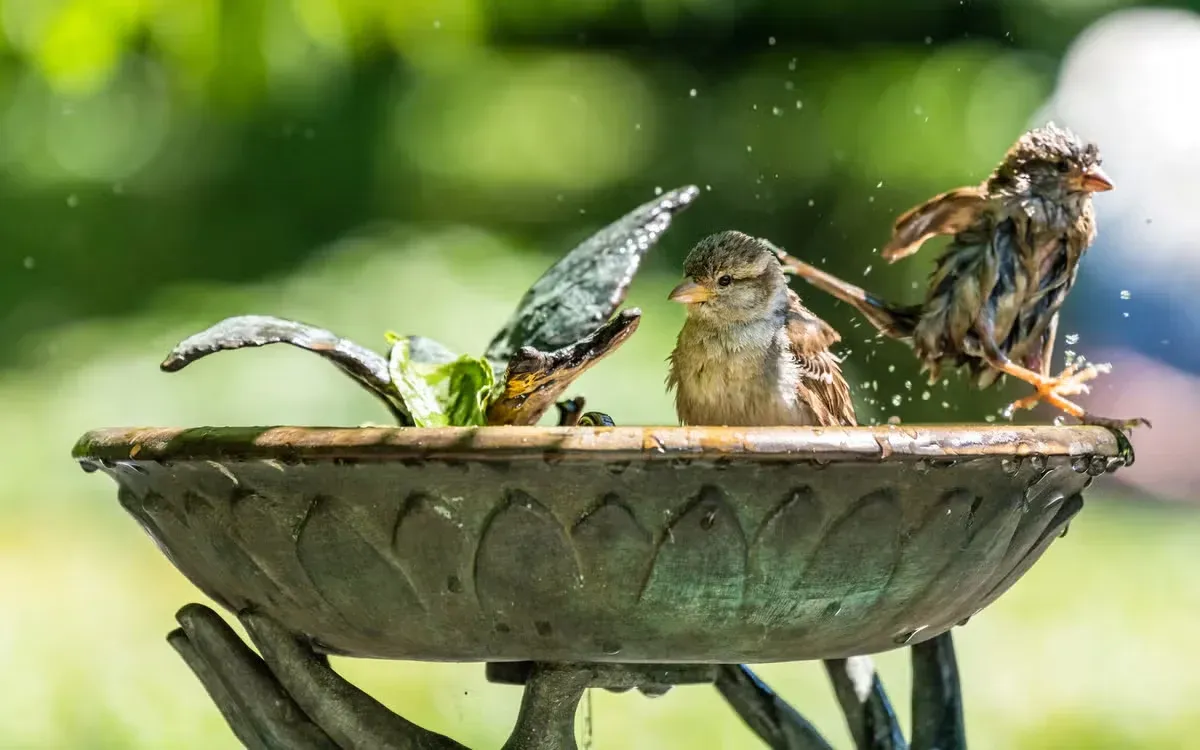
Bird baths can encourage more songbirds to visit a backyard habitat.
Image via Getty Images/Michael Lee
A bird bath or another clean water source can greatly increase a yard’s appeal to songbirds. While feeders supply food, birds also need fresh water for drinking, bathing, and keeping feathers healthy—particularly during hot summer months or when natural water sources are scarce.
“Bird baths and shallow water sources are essential for drinking and bathing,” reminds Gordon. “They should be cleaned and refilled daily to help prevent the spread of disease.”
That advice about frequent cleaning and refilling is critical. Too many homeowners buy a concrete bird bath, fill it, and then neglect it. Unclean bird baths can quickly develop dangerous algae and bacteria, especially in summer, and birds will not bathe in or drink stagnant, dirty water. For a less labor-intensive option that stays fresher longer with less cleaning, consider installing a bath with a bubbler or a similar water-moving feature.
Offer Nesting Areas for Songbirds
Cooler weather can bring more opportunities for backyard birdwatching.
Image via Getty Images/fhm
To keep songbirds returning, providing safe nesting areas can make a big difference. Songbirds are most active during breeding season, so giving them a reason to build nests and raise young on the property yields prime birdwatching opportunities.
“During spring and early summer, adults spend much of the day foraging to feed their rapidly growing nestlings, making them especially visible and active,” notes Gordon. “Migration periods in spring and fall can also bring an increase in bird activity as many species travel between their breeding and wintering grounds.”
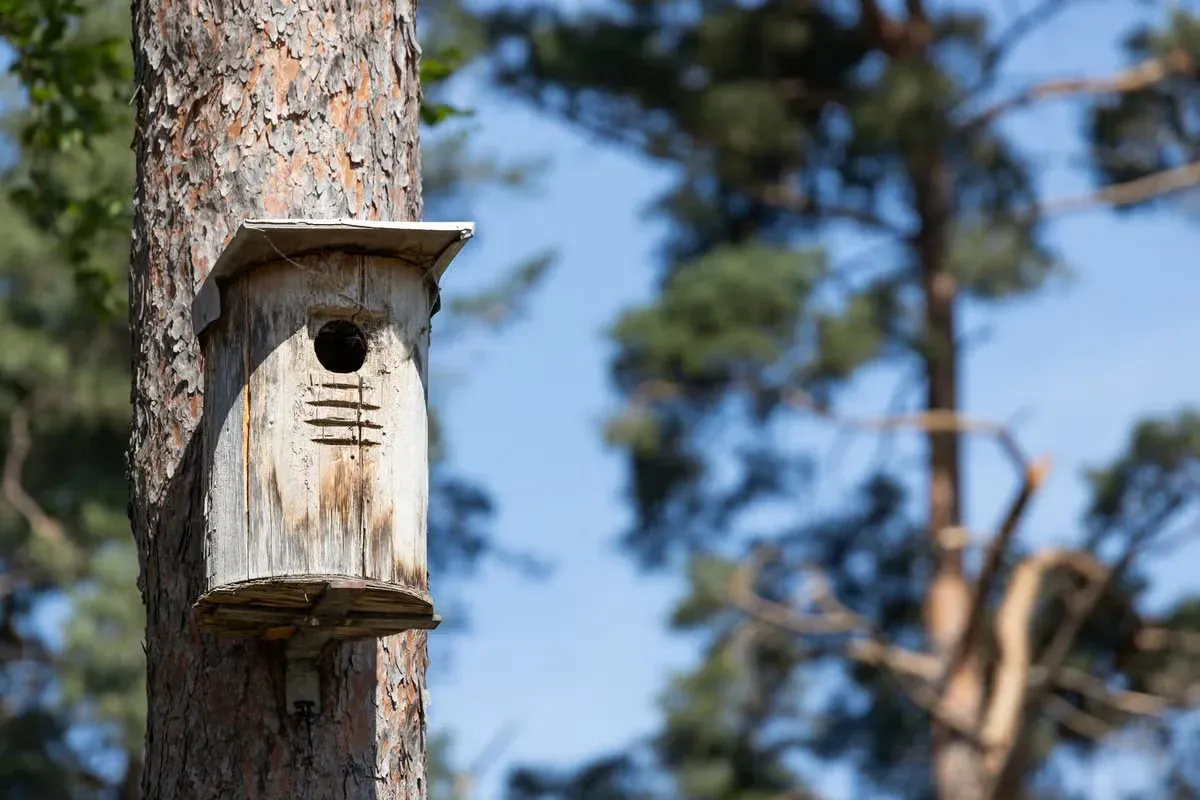
Mature trees and shrubs are ideal nesting habitats, but if a yard lacks them, Gordon recommends installing a nesting box designed for the species one wants to attract. Remember to monitor the nesting box regularly—once all birds have left, clean out the empty nest and ready the box for the next nesting season.
Certify Your Yard as a Wildlife Habitat
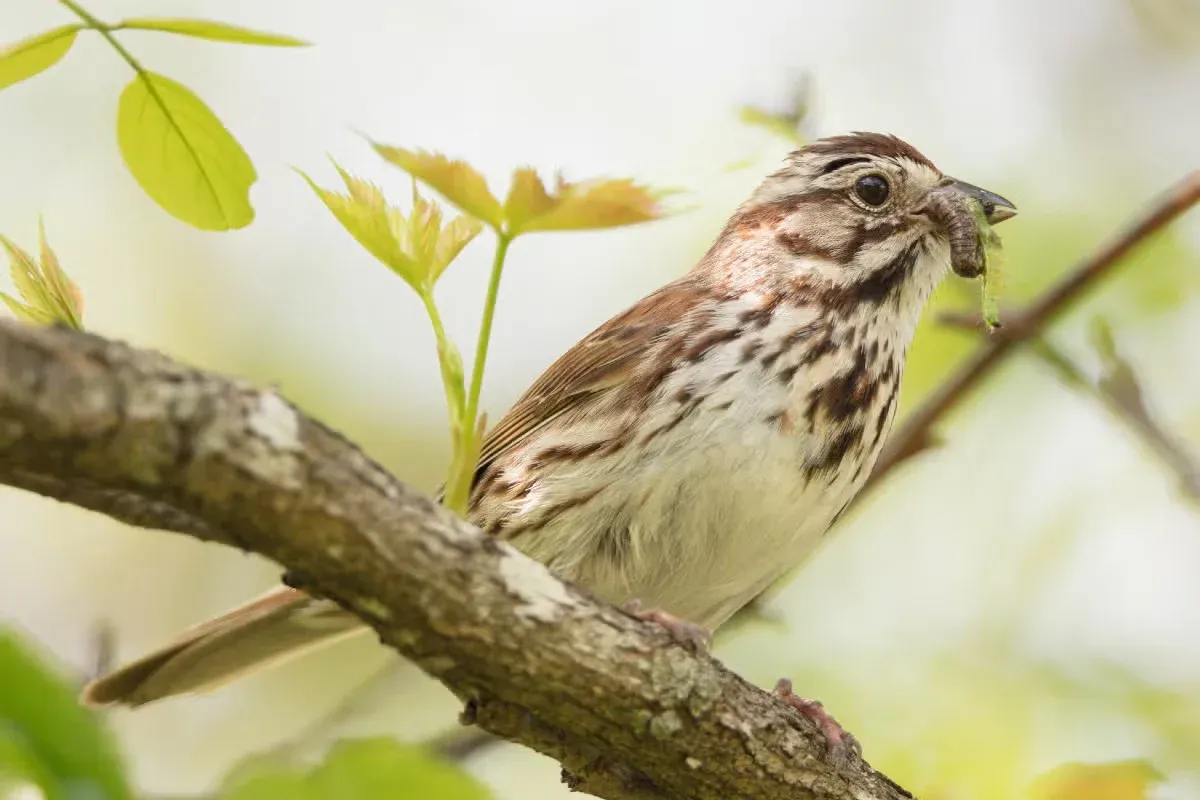 Image via Getty Images/epantha
For bird lovers seeking an even more welcoming backyard, turning the property into a Certified Wildlife Habitat can be a rewarding next step. By providing essential elements wildlife needs—food, water, shelter, and places to raise young—one can create a safer environment for songbirds and other native species. “Creating a Certified Wildlife Habitat is one of the best ways to meet the needs of songbirds and other native wildlife by providing food, water, shelter, and places to raise their young,” says Gordon.
A bird-friendly yard does not need to be large or perfectly landscaped to support wildlife. Even small changes, such as adding native plants, maintaining a clean water source, and creating natural shelter, can help transform an ordinary yard into a valuable habitat for local birds. Homeowners who meet the requirements can pursue official certification through the National Wildlife Federation, but the biggest benefit is creating a space where songbirds and other wildlife can thrive.
Sources:
- Jennifer Gordon, executive director of the Carolina Waterfowl Rescue
- National Wildlife Federation
- #Pets
- #Birds
- #backyard birds
- #Pet News
- #Ask an Expert
- #All Pets
- #Wildlife & Wild Animals
- #Wild Birds