Why a Robin Might Keep Showing Up at Your House, Explained by Wildlife and Spiritual Experts
Sam Cooper
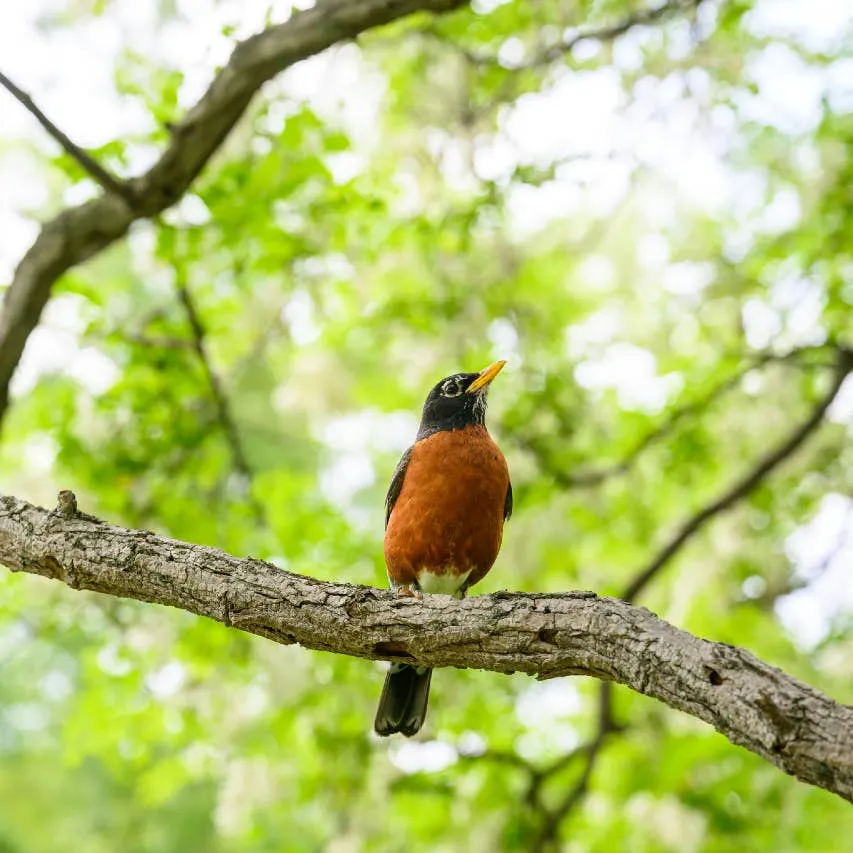
With their gentle songs and the bright red flash of their chests as they move among the branches, robins have a special place in the popular imagination. These small birds are widely viewed as signs that spring is on the way, and across much of the United States they can be spotted at any time of year.
If robins appear to single out your property, or if you start recognizing the same individual bird again and again, it is easy to feel a bit chosen. There is likely a straightforward explanation for the pattern, yet a familiar robin can still make the experience feel oddly personal. Over time, such repeated sightings may become something you quietly anticipate, especially when they happen with unusual regularity.
What should you make of a robin that keeps turning up at your home? Why do these common backyard birds seem drawn back to certain yards? Experts weigh in on what might attract robins to your property, what their comings and goings could suggest, and how their behavior sometimes takes on a deeper layer of meaning. Whether you regard a robin as a delightful visitor, a symbol with significance, or part of a spiritual practice, there is something memorable about a bird that keeps finding its way back to you.
Why Do Robins Keep Coming Back to Your Yard?
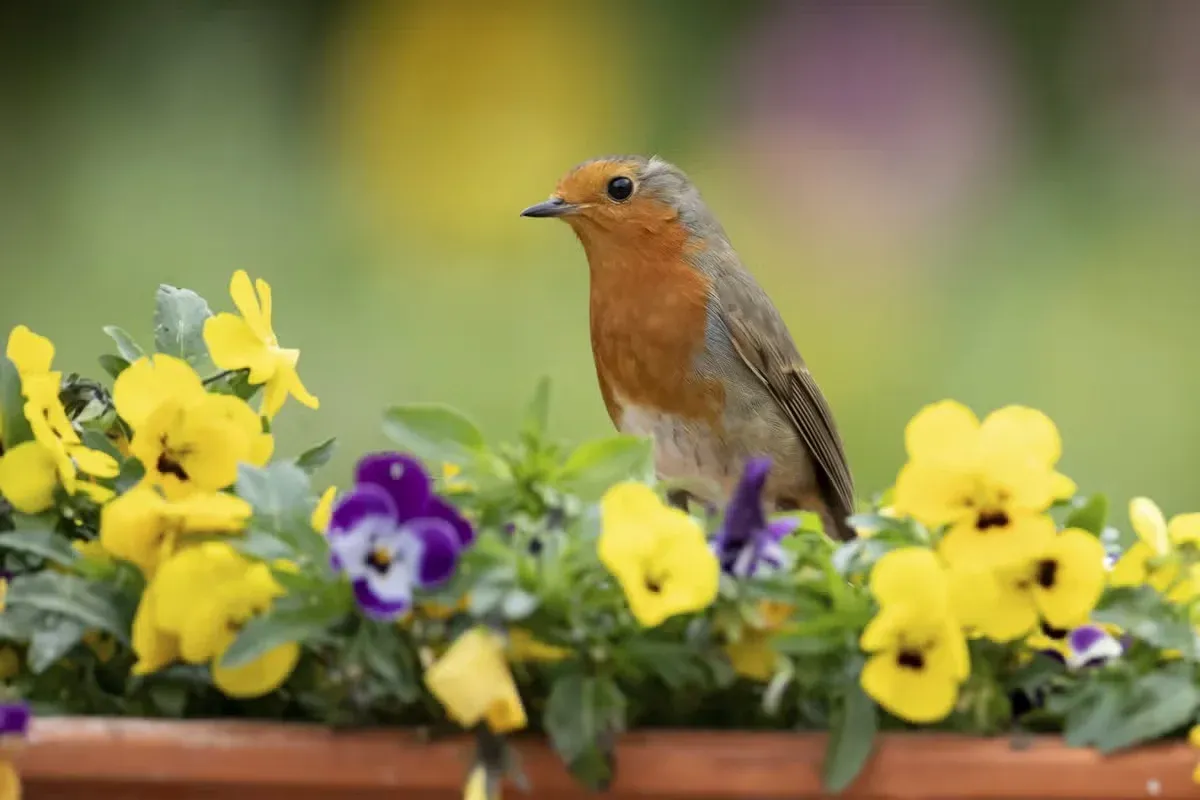
A robin is one of the most recognizable backyard birds.
Getty Images imageBROKERKevin Sawford
When it comes to robin behavior, the explanation may be less mysterious than it appears. A robin that returns to your yard again and again could simply be revisiting a place it already knows well. Once a bird has learned a particular yard, it may choose to fly back to that spot instead of continually scouting unfamiliar locations.
Robins can be habitual in their own fashion, and their movements tend to revolve around the territories they claim. They may pass through the same neighborhoods on a regular basis, settle on familiar perches, and keep coming back to locations within their customary range. In breeding season, they may grow especially attached to a territory as they guard it and care for their young.
That sense of familiarity can make repeated sightings feel surprisingly intimate. You might start to identify the same songbird, note when it shows up, or even catch yourself wondering where it has gone on days you do not see it. These birds are not deliberately seeking out your home, but their ongoing presence can still become a small, welcome fixture of your daily routine.
Perhaps that is what makes a returning robin so endearing. The bird has no awareness that you have noticed it, yet there is something heartening about sharing your outdoor space with a wild creature that has folded your yard into its regular habits. Whatever brings it back, a robin that keeps appearing in your yard tends to become a memorable part of everyday life. And in many cases, there are quite practical reasons your yard keeps drawing a robin's attention.
What Attracts Robins to Your Yard?
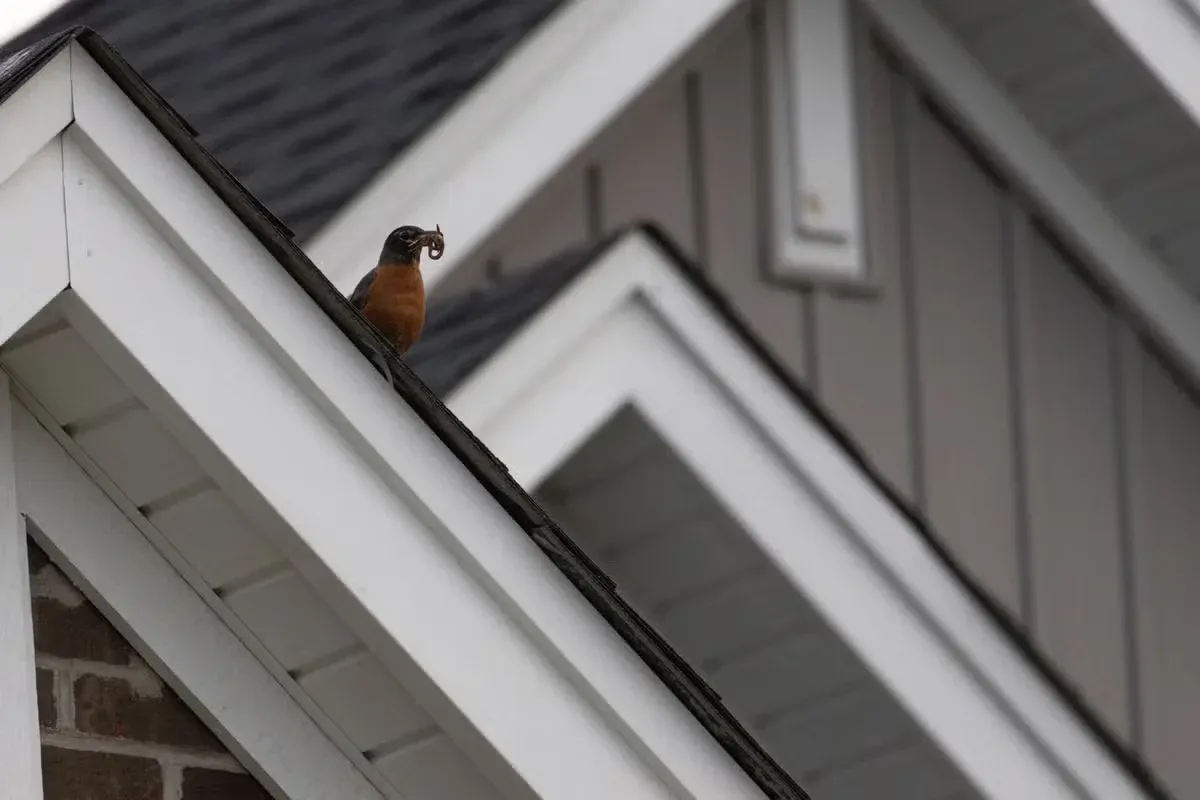 Image via Getty Images/K Min
If robins appear to have made your yard one of their preferred stops, something there is probably keeping them coming back. While most birds are after the same basic necessities, they do not all eat the same food or select the same kinds of shelter. If your property is especially popular with robins, that is a strong hint that you have an abundance of what these backyard birds need.
"Robins are classified as insectivores, so they will look for insects such as worms," says Jennifer Gordon, founder of Carolina Waterfowl Rescue. "You could put out mealworms for them. But one of their favorite activities is foraging in the grass after it's been freshly watered, because that brings the worms to the surface."
Although insects are a robin's preferred fare, they do not live on bugs alone. Berries and small fruits become another key food source during periods when insects are hard to come by. Your property may also hold appeal if you cultivate a varied and plentiful collection of fruiting plants, particularly species such as holly that produce berries in winter, when other natural foods are scarce. If your yard is not yet fruitful and you would like to make it more welcoming to birds, you can consult the Audubon native plant database to find bird-friendly plants that are native to your region.
A source of fresh water for drinking and bathing can also increase your yard's appeal to robins. If you use a conventional bird bath, be sure to clean it and replace the water every few days to prevent bacteria from building up. Moving water features, such as fountains and bubblers, can help limit bacterial growth by keeping the water from becoming stagnant.
By supplying a robin with the right mix of food, water, and cover, your yard can soon become a place worth revisiting. Sometimes, though, a robin's ties to your property go beyond a quick meal.
Are Robins Good Birds to Have Around?
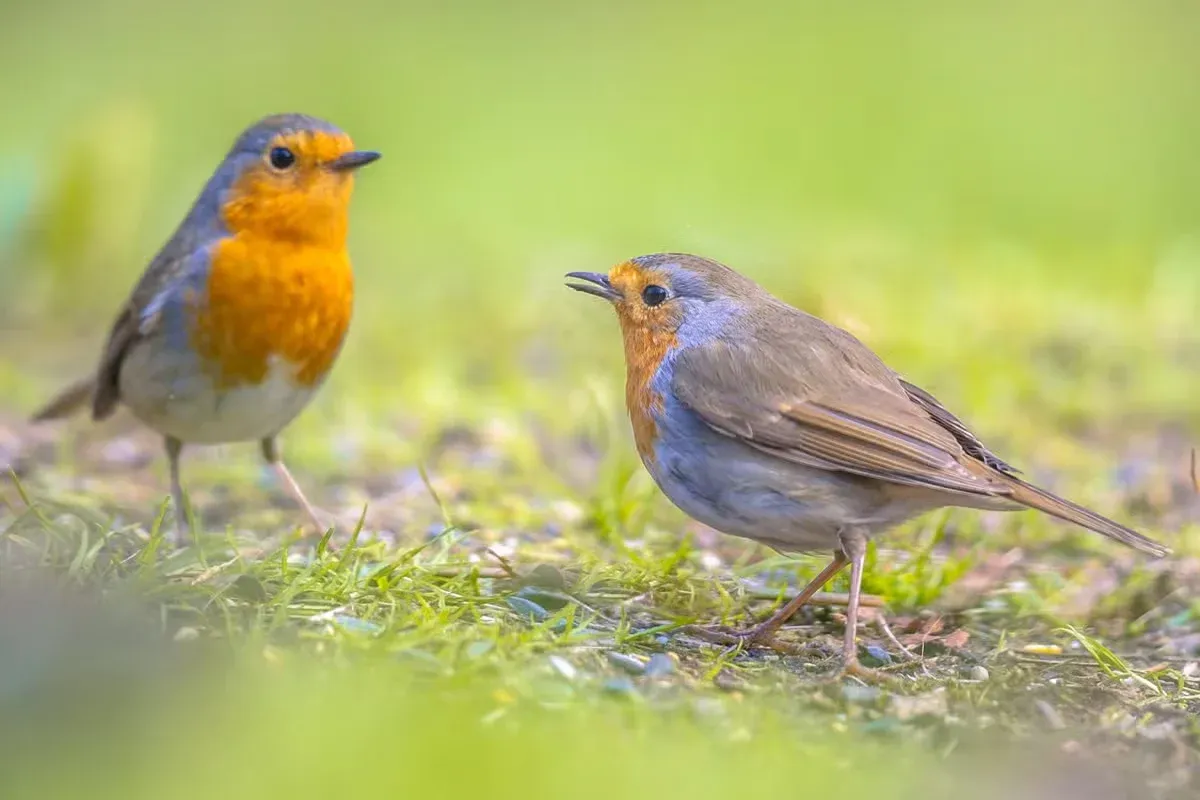
Two robins walking around in someone’s yard.
Getty Images CreativeNature_nl
If robins are a pleasure to see in your yard, there are solid reasons to welcome them. These familiar backyard birds can contribute to the local ecosystem by consuming insects and other small invertebrates, and their busy foraging adds a bit of life to your garden.
Robins typically live alongside people without conflict and are not regarded as a nuisance just for spending time on your property. When robins opt to visit, nest, or feed nearby, you can generally appreciate their company while leaving them ample room to carry on their natural behavior.
What Does It Mean When a Robin Keeps Visiting Your Home?
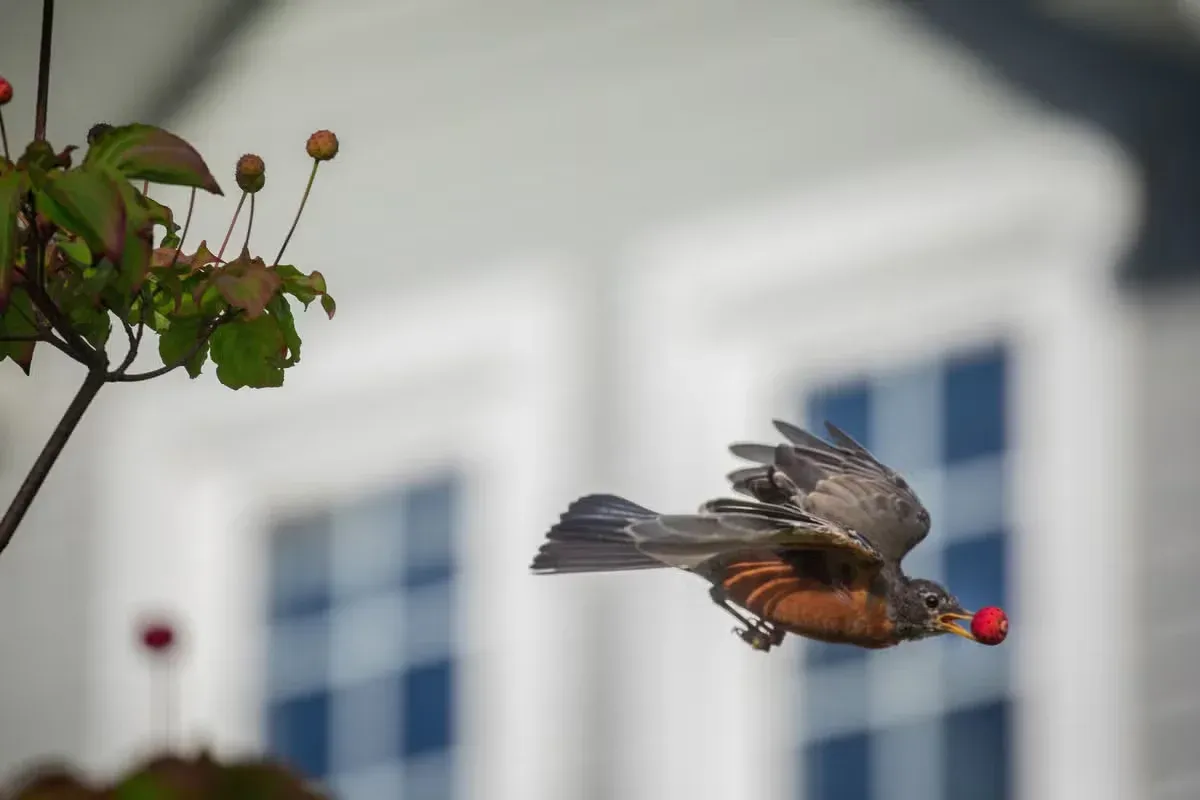
Many people look for meaning when a bird appears.
Image via Getty Images/Laszlo Podor
A robin that repeatedly visits your home may simply be occupying part of its familiar territory, but for some people, encountering the same bird over and over can feel meaningful. When a robin shows up at a particularly significant moment in your life or keeps crossing your path, it is understandable to wonder whether the encounter carries a larger message.
Some spiritual traditions and personal belief systems link robins with renewal, hope, and new beginnings, while others regard their appearance as a gentle nudge to slow down and notice the small moments around them. Because there is no single universal answer to what seeing a robin means, the significance of these visits can be deeply personal. Some people even think of robins as their soul birds.
What Does It Mean If a Robin Builds a Nest Near Your Home?
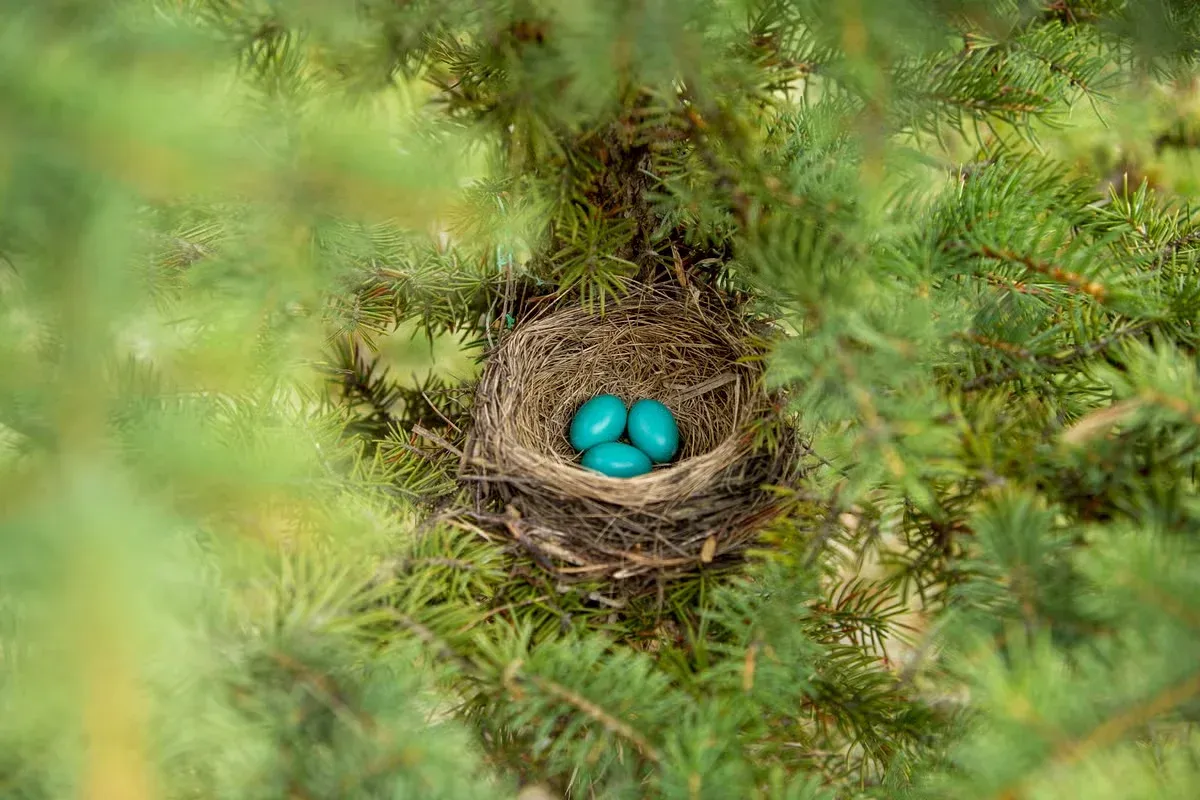
A robin’s nest wth blue eggs tucked away in a pine tree.
Image via Getty Images/Stan Tekiela Author / Naturalist / Wildlife Photographer
If a robin chooses to build a nest near your home, you may have more than a pretty bird to watch from your window. For a backyard birdwatcher, few discoveries are more delightful than finding a nest holding the robins' unmistakable bright blue eggs. According to Gordon, robins favor nesting among shrubs and trees that offer solid cover, hiding their nests from predators. That same cover also helps shield the fledglings once they leave the nest, since they may not be strong enough to fly immediately. A robin nesting on your property is a good sign that your yard contains plenty of dense, healthy natural growth.
If your yard does not attract nesting birds, adding more trees and bushes is a sensible first step. There are also a few other resources you can offer robins in the meantime.
"Putting out some nesting materials and nesting boxes gives the birds space to build their nests," says Gordon. "Birds do best with natural nesting material, because unnatural fibers often don't hold up to the elements or can entangle babies with strings. You also want to steer away from anything that could have chemicals on it, like pet hair or dryer lint."
In short, avoid the inorganic materials. The best natural nesting supplies for birds include twigs, lawn clippings, straw, and yard waste. Much as many homeowners like to keep their yards immaculate, landscaping that leaves a bit of natural debris in place is far more attractive to birds. And while a robin nest nearby can be a welcome sight for bird lovers, not every visit is so peaceful or carries a deeper message.
Why Does a Robin Keep Visiting My Window?
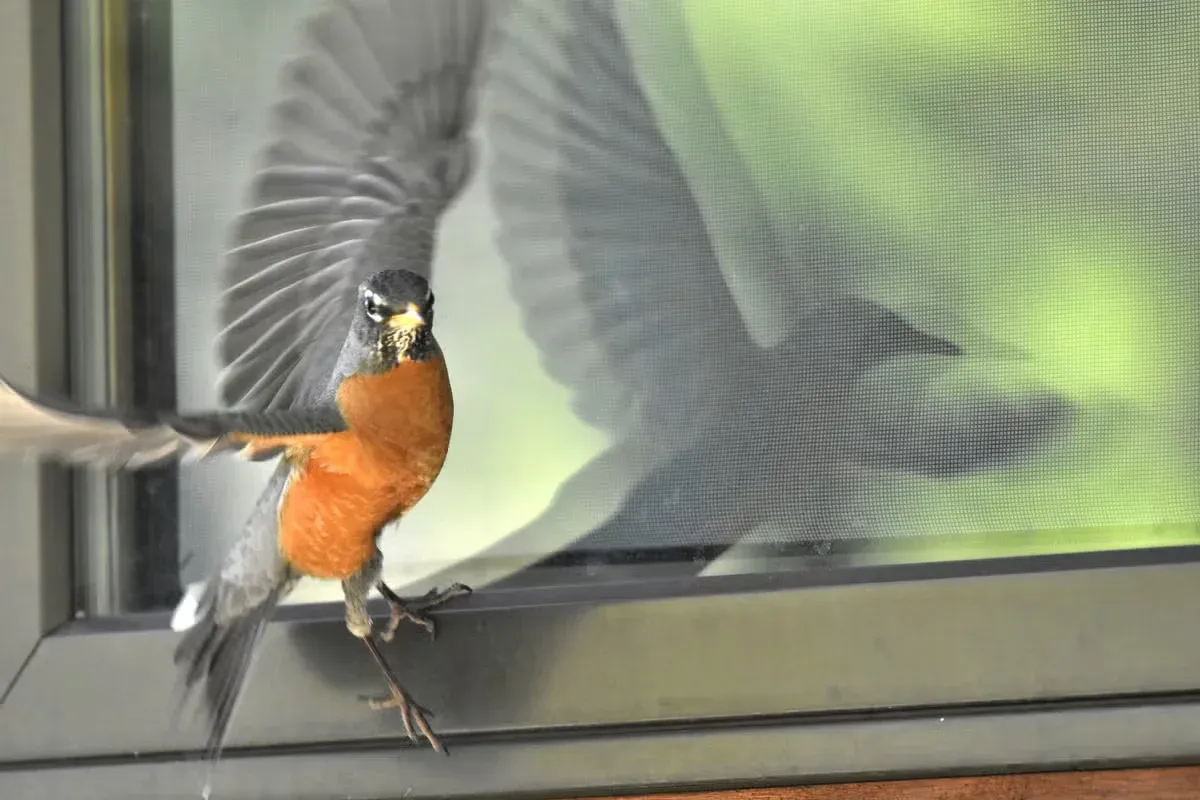
A robin visiting someone’s home window.
Image via Getty Images/mlharing
A robin pausing at your window to peer inside can feel like a magical moment. It may seem as though the bird is trying to catch your attention, but unfortunately the reality is usually far less sentimental.
"They are attracted to their own reflection, so they will often become territorial," says Gordon. "When they see the reflection of another bird and during mating season, they may attack the window repeatedly."
So if a robin keeps visiting your window, do not assume it is trying to greet you. More likely, it is reacting to what it sees in the glass and mistaking the glass for a rival bird. While some people may read a deeper spiritual meaning into the encounter, there is often a fully natural explanation for this particular robin behavior.
What Is the Spiritual Meaning of a Robin Visiting You?
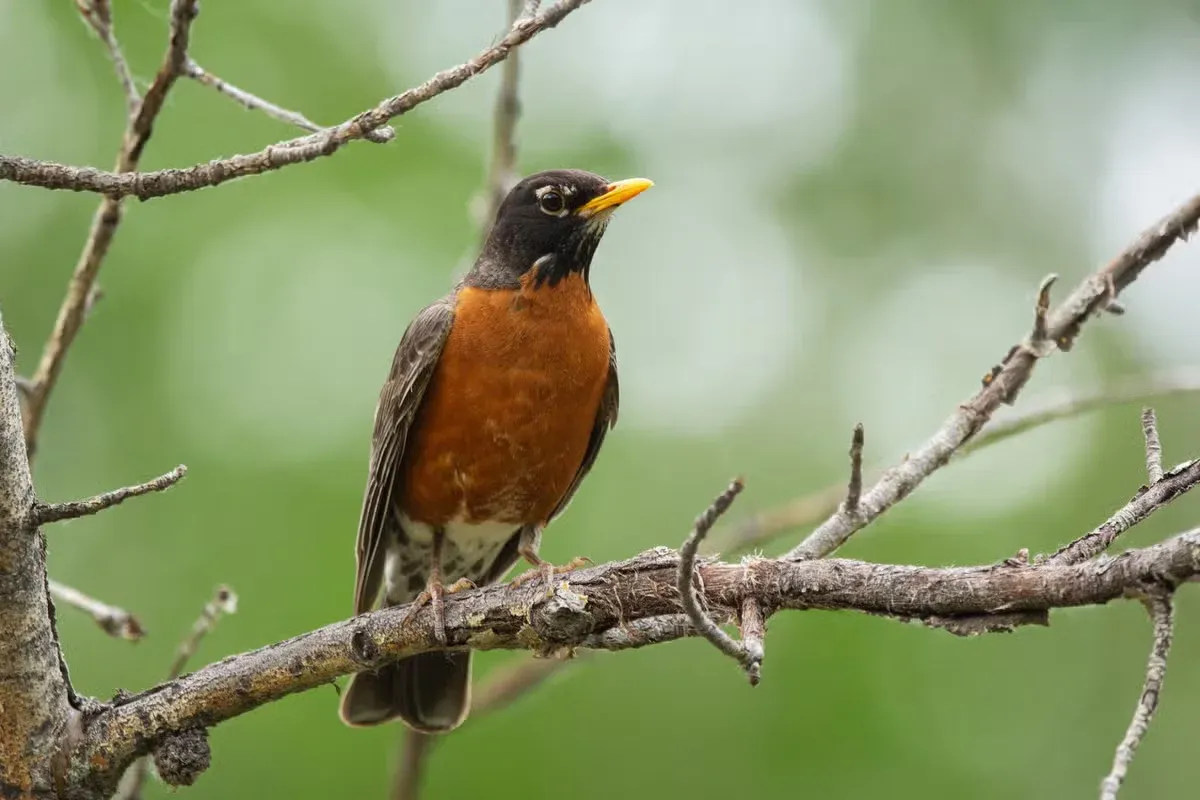
The spiritual meaning of seeing a robin is deeply personal.
Image via Getty Images/Anna Richard
For some people, a robin's repeated appearance is not merely an interesting example of bird behavior. It may feel like a meaningful encounter that prompts them to wonder whether a bird's visit can carry a deeper message, especially among those who feel a spiritual connection to birds.
There is no single spiritual meaning behind seeing a robin, but some people interpret these encounters as signs of hope, peace, protection, or a new beginning. The meaning may also depend on what is happening in your own life and what the robin's appearance makes you feel or think about.
"For such small creatures, robins carry an enormous amount of spiritual meaning, with them being a symbol of hope and one that appears time and time again across cultures," says spiritual medium Joanne Jones, founder of Trusted Psychics.
"In folklore, they're also believed to represent warmth and courage, as, even though they're so little, they're one of the most territorial creatures in nature, fearlessly protecting their nests and family, which is also where their association with guardianship comes from," Jones says. "So, when one appears close to your home, traditionally, you can read it as a sign of peace, meaning that the space is watched over and safe."
For someone who feels a special connection to a visiting robin, that sense of comfort may be part of what makes the encounter feel so meaningful.
What Do Robins Symbolize?
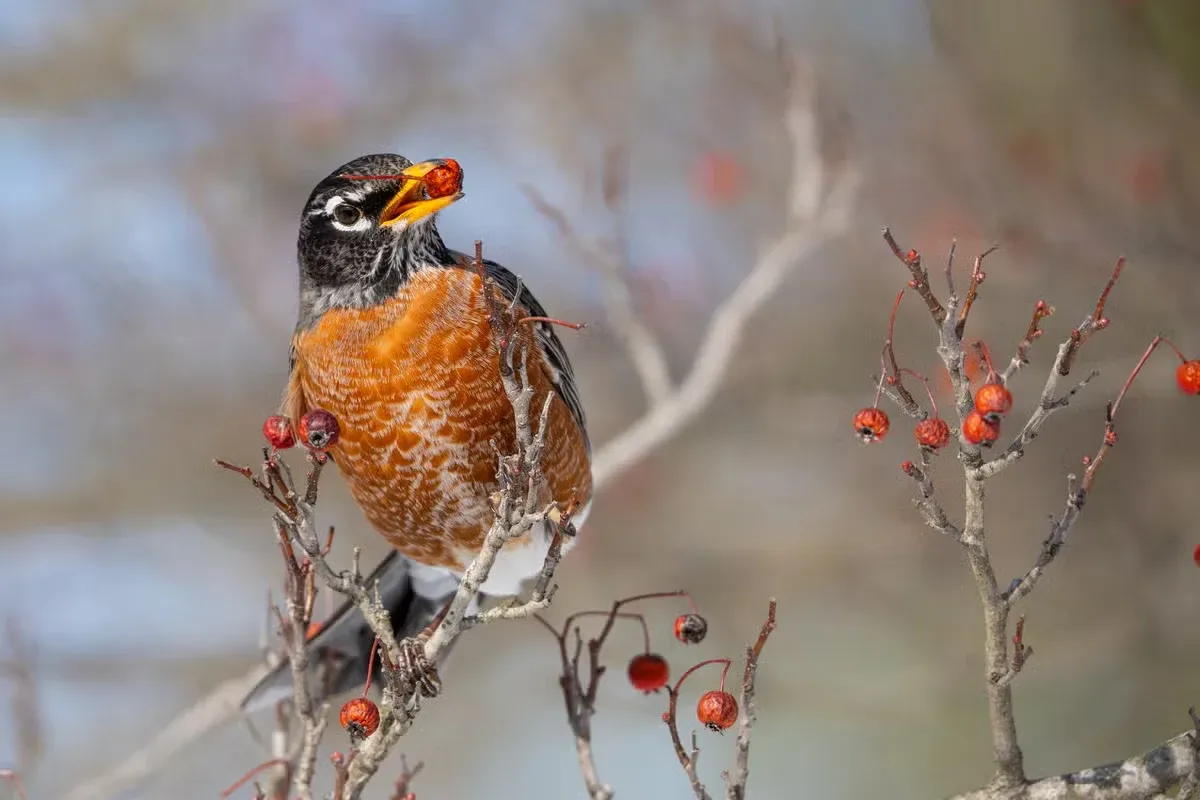
A robin visiting your home may be trying to tell you something.
Image via Getty Images/arlutz73
The robin has a reputation as a bird of hope and protection, but that symbolism is not confined to a single belief system. Across various cultures and traditions, these well-known birds have been linked to everything from hope and renewal to protection and transformation.
Rather than concentrating on what a robin's visit might mean to one person, these traditions provide a wider view of why robins have carried such positive associations for generations.
- In Christian cultures: According to Jones, Christianity has two well-known legends explaining the robin's red chest. In one, a robin sang to Christ to comfort him during the crucifixion, and was marked by his blood. In the other, a robin singed its breast feathers while warming the infant Jesus in the manger.
- In Western European mythology: "Norse mythology connected the robin to Thor, which made harming one taboo, as it was said to invite a lightning strike," shared Jones. "Scottish and Irish folklore had similar understandings, holding that disturbing a robin's nest brought great misfortune."
- In indigenous North American cultures: "The Blackfoot associated robins with peace and the safety of the village, while the Hopi regarded them as guardians of the south," Jones informs. "Several tribes, including the Ojibwe and Mi'kmaq, told stories connecting robins to fire and transformation, framing the bird as a figure of change rather than a mere decorative piece in the landscape."
Is a Robin a Sign From a Loved One?
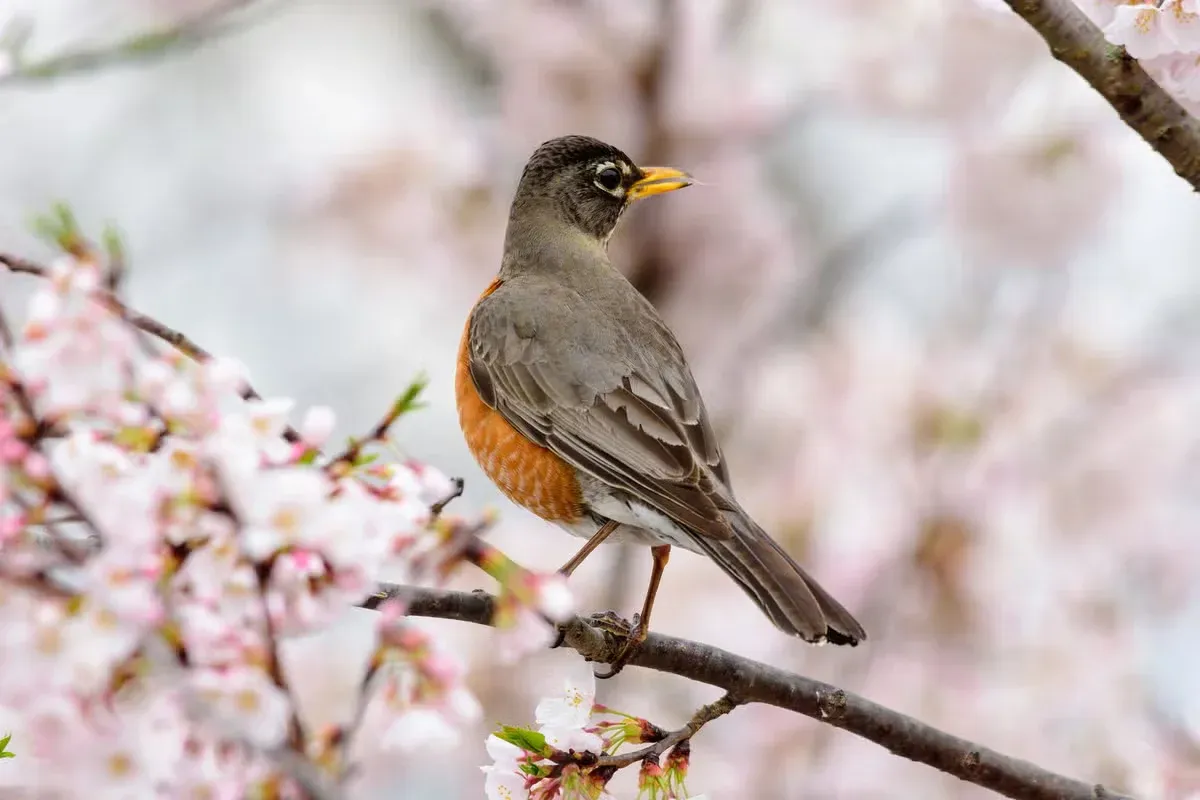
Seeing a robin after the loss of a loved one may bring comfort to some.
Image via Getty Images/Larry Keller, Lititz Pa.
For people grieving the loss of a loved one, a robin can be a welcome sight, serving not only as a possible spiritual visit from that person but also as a sign of hope and healing.
"Robins are one of the clearest signs of new beginnings, tied to the arrival of spring and the idea of a fresh start after a hard season," says medium Christine J Gold, founder of Soul Healers Sanctuary. "Many people do read a robin as a visit from a loved one, particularly one who passed during a season of renewal or whose presence still feels associated with hope and rebuilding."
For those who take comfort in these interpretations, a robin's appearance can become a small symbol of hope, connection, and healing.
Is Seeing a Robin a Good Sign or a Bad Omen?
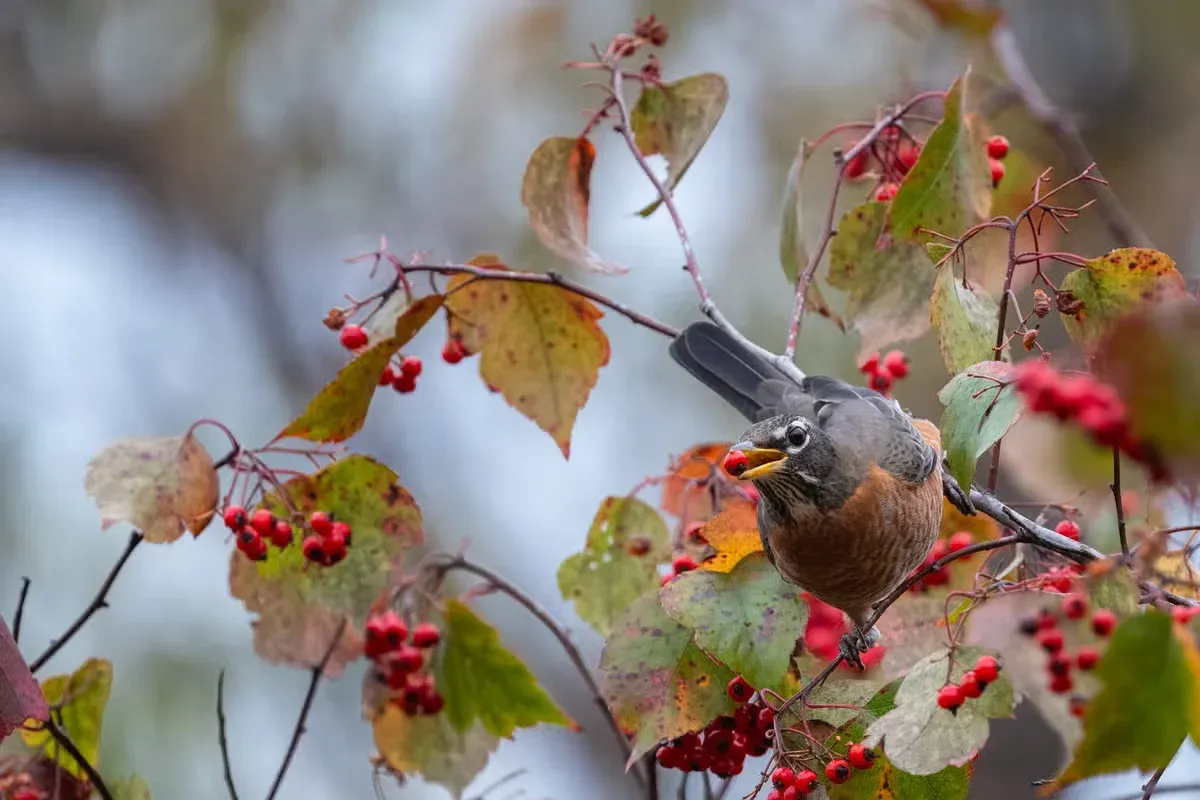
Some birds can be thought to be a good sign when you spot them.
Image via Getty Images/Brian Reinke
When a bird appears at an unexpected moment in your life, it is natural to wonder whether the encounter is a good sign or a bad omen. With robins, both of our spiritual experts assured us that these backyard birds are indeed seen as signs of good luck. Their presence is overwhelmingly interpreted as a positive one: robins are representative of hope, peace, and comfort, even in the bleakest times in one's life.
"Their very nature reminds us to find hope in every new day, as they're often the first birds that sing during the arrival of spring while also being one of the few still visible birds in the garden through the depths of winter," affirms Jones. "As such, they're seen as symbols of new beginnings and renewal, and the contrast between their cheerful presence and bright plumage, even when everything else feels cold, gray and dormant, is where a lot of that comes from."
So whether you see a robin as a welcome backyard visitor, a symbol of renewal, or a comforting reminder of someone you love, its appearance is generally viewed as something positive.
Sources:
- Jennifer Gordon, founder of Carolina Waterfowl Rescue
- Audubon
- Joanne Jones, founder of Trusted Psychics
- Christine J Gold, founder of Soul Healers Sanctuary
- #Pets
- #Birds
- #Christine J Gold
- #animal medium
- #backyard birds
- #Pet News
- #All Pets
- #Wildlife & Wild Animals