What Experts Say About Hawks Repeatedly Circling Your Home
Sam Cooper
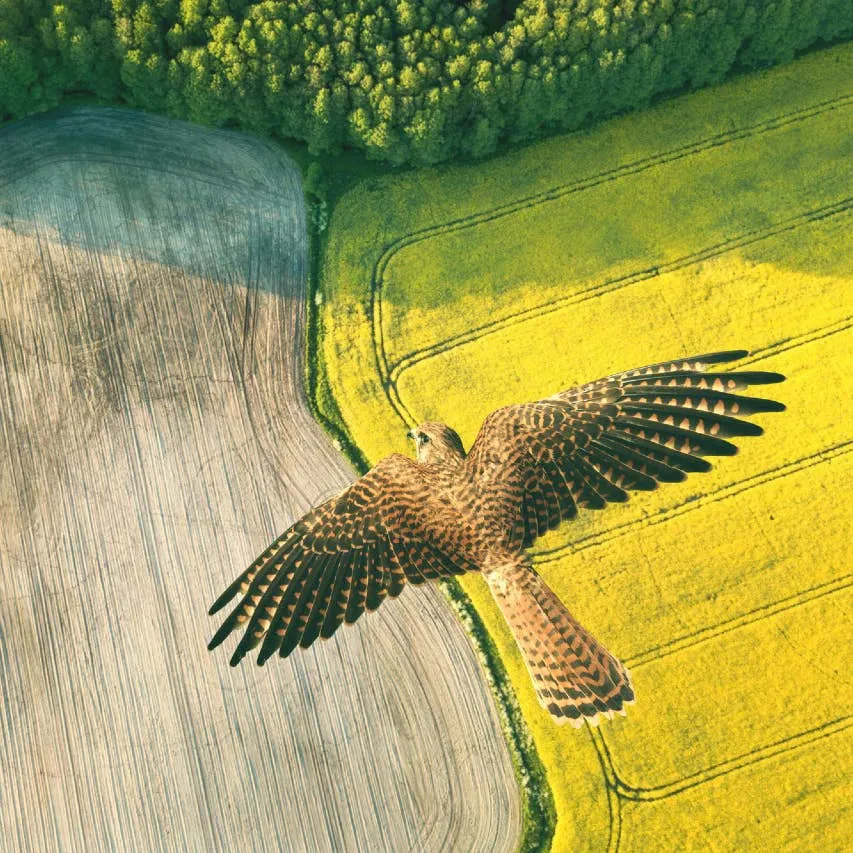
Have you been seeing more hawks than usual in your area? You're in good company. These birds were once uncommon in many regions, but now they appear regularly above towns, suburbs, and yards nationwide.
What drives hawks to repeatedly circle your home, and what does a hawk's persistent return signify? There are multiple explanations—ranging from the practical reasons these predators gravitate toward populated areas to the symbolic meanings some cultures attach to hawk sightings—and several of them might catch you off guard.
In the following sections, we'll explore why hawks show up in residential zones, what it may indicate when sightings occur again and again, and whether a hawk passing over your property might be interpreted as something beyond the ordinary. We consulted a wildlife authority and an animal medium to dig into these questions.
The Reasons Hawks Keep Appearing Above Your Home
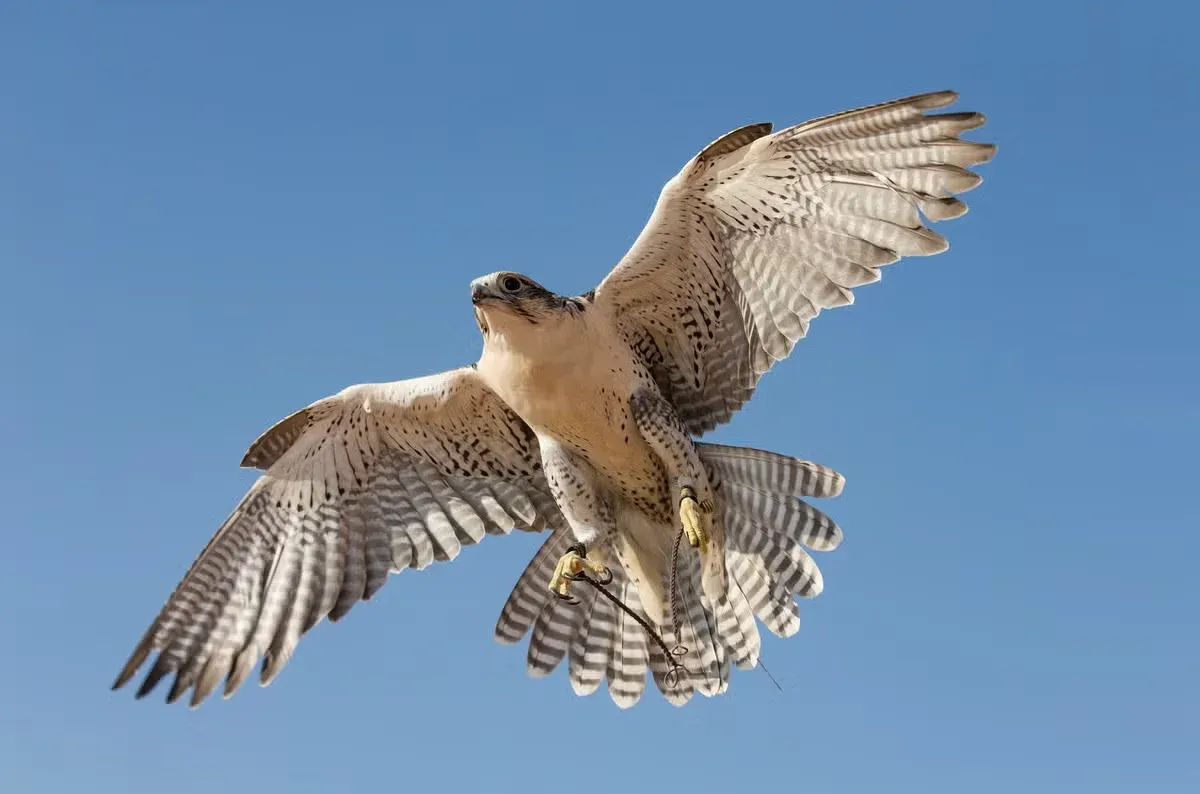
A hawk flies overhead, leaving many people wondering: why here?
Image via Getty Images/Katiekk2
Raptors—the category of predatory birds that encompasses hawks along with owls, eagles, and falcons—were not always a common sight in neighborhoods. Over the last several decades, though, that has been gradually shifting, driven by a couple of key factors.
Bob Mulvihill, Lead Ornithologist at the National Aviary, explains: "First, the overall population of many raptors has been increasing steadily since the removal of the pesticide DDT from the environment beginning in 1972. Residues of DDT in the food chain caused eggshell thinning and reproductive failure in Peregrine Falcons, Bald Eagles, and many other raptors, leading to a sharp decline in their populations in the 1940's, 50's, and 60's."
Mulvihill further notes that in the past, raptors were broadly persecuted due to an incorrect assumption that they reduced populations of game animals that people wished to hunt. In certain places, hawks were even subject to legal bounty programs.
Changing attitudes toward birds of prey, along with conservation work, have allowed many raptor populations to bounce back. Still, population recovery is only one piece of the puzzle when it comes to why hawks are now often seen flying above homes and neighborhoods.
Specialists use the term "urban raptor phenomenon" to describe the increasing presence of raptors in areas dominated by humans. As hawk numbers rebound and these birds grow more at ease near people, encounters in residential settings have become more frequent.
What Makes Your Neighborhood Appealing to Hawks?
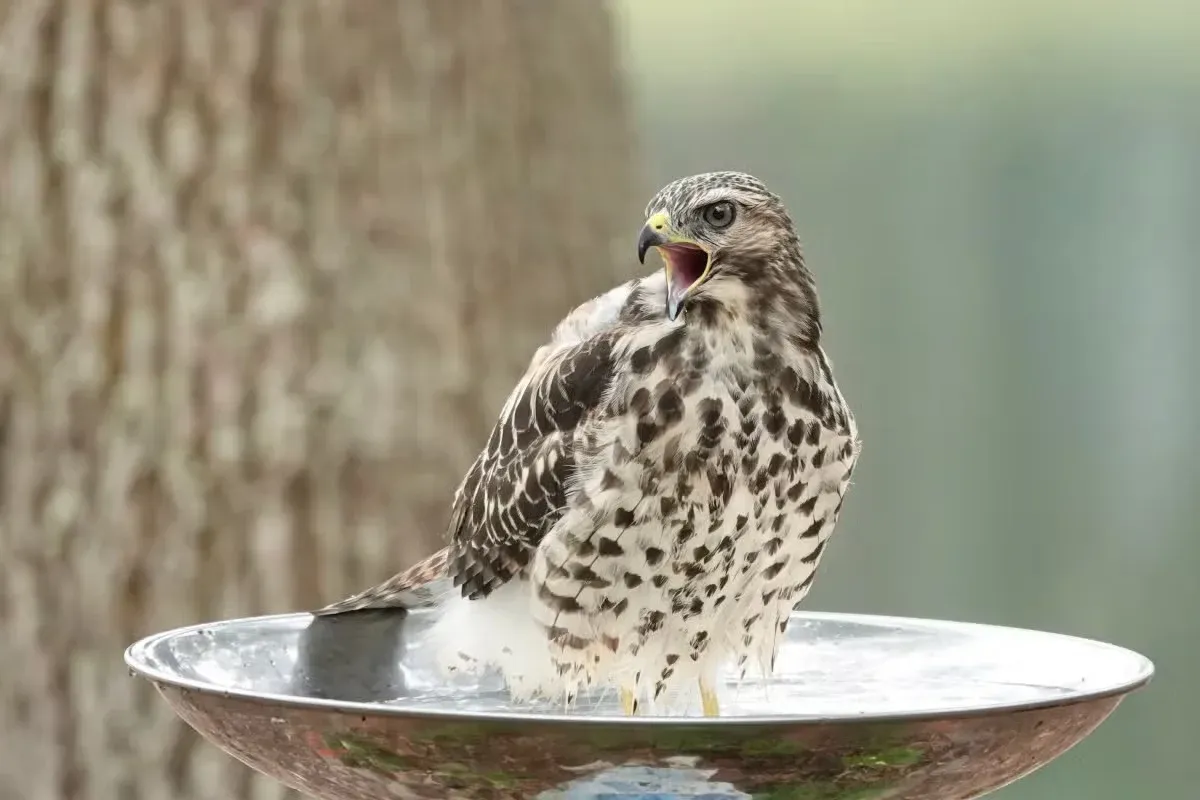
Suburban environments can offer hawks many of the resources they need.
Image via Getty Images/Chris Klonowski
So what is it that keeps hawks flying over your house? If you spot these birds often around your community, something about the location is probably drawing them in. Residential areas can offer hawks the resources they require to hunt, rest, and survive.
Plenty of Prey
A major factor behind hawks showing up in neighborhoods is the easy availability of prey. According to Mulvihill, residential zones teem with the kinds of animals hawks naturally target: rats, mice, squirrels, rabbits, other small rodents, and even certain bird species. This plentiful prey supply helps explain why hawks are often seen circling above homes or perching close by.
Convenient Perches and Roosting Spots
Another reason hawks may keep flying around your neighborhood is the presence of spots to rest, scan for prey, and construct nests. "Urban environments provide abundant perches in the form of rooftops, street lights, and signposts from which hawks can sit and scan for prey," Mulvihill explains.
In fact, Mulvihill points out, many raptor species—red-tailed hawks included—become particularly adept at adjusting to human settings. These man-made structures can stand in for the cliffs, trees, and other natural features hawks historically depended on for nesting and hunting.
Thermals: Columns of Warm Rising Air
The tendency of cities and suburbs to absorb and then release heat also plays a role in where hawks choose to fly. The "heat island" effect—produced by heat radiating off large paved surfaces in developed areas—generates rising columns of warm air known as thermals, which some hawks exploit to save energy while looking for food.
"This actually benefits several species of hawks that are adapted to conserve energy when searching for prey by soaring up on rising columns of warmer air called 'thermals,' created by the uneven heating of surfaces in the built environment," Mulvihill says.
These ascending air currents help explain why a hawk circling overhead has become a familiar sight in many urban and suburban communities.
What a Hawk's Repeated Return to Your House Might Indicate
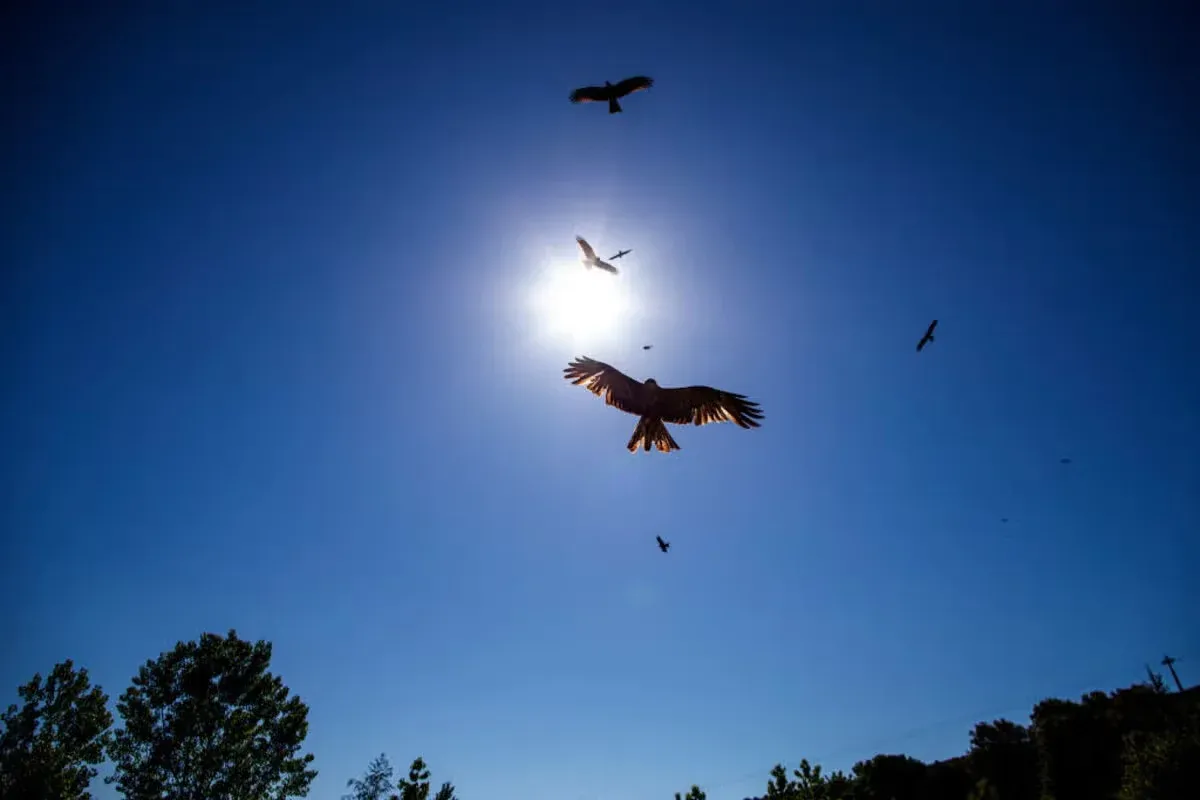
If a hawk keeps flying over your house, there’s usually a reason.
Image via Getty Images/Soccrates Images / Contributor
When a hawk keeps returning to your house and flying above it, the bird has likely identified a dependable spot for hunting, nesting, or resting. Frequent visits typically signal that your property or neighborhood falls within the hawk's territory or its regular home range.
"A hawk that returns to the same area again and again it is using that area for nesting, hunting, or both," Mulvihill says. "In addition, just like small birds, hawks need to drink and like to bathe, so they may return to an area that has a reliable water source, such as a bird bath, too. But, again, if they are regularly visiting an area, then by definition that area is within their territory or home range."
A hawk coming back does not automatically point to anything out of the ordinary. More often than not, it simply means the bird has located a dependable place to find food, rest safely, or raise its young. The season in which you notice a hawk overhead can also offer clues.
"Early spring and fall are the seasons when raptors migrate," Mulvihill adds. "So, if you see a hawk flying overhead on a regular basis in late spring or summer, then they may nest there, and possibly live there year-round."
Distinguishing a Passing Hawk from One Hunting Nearby
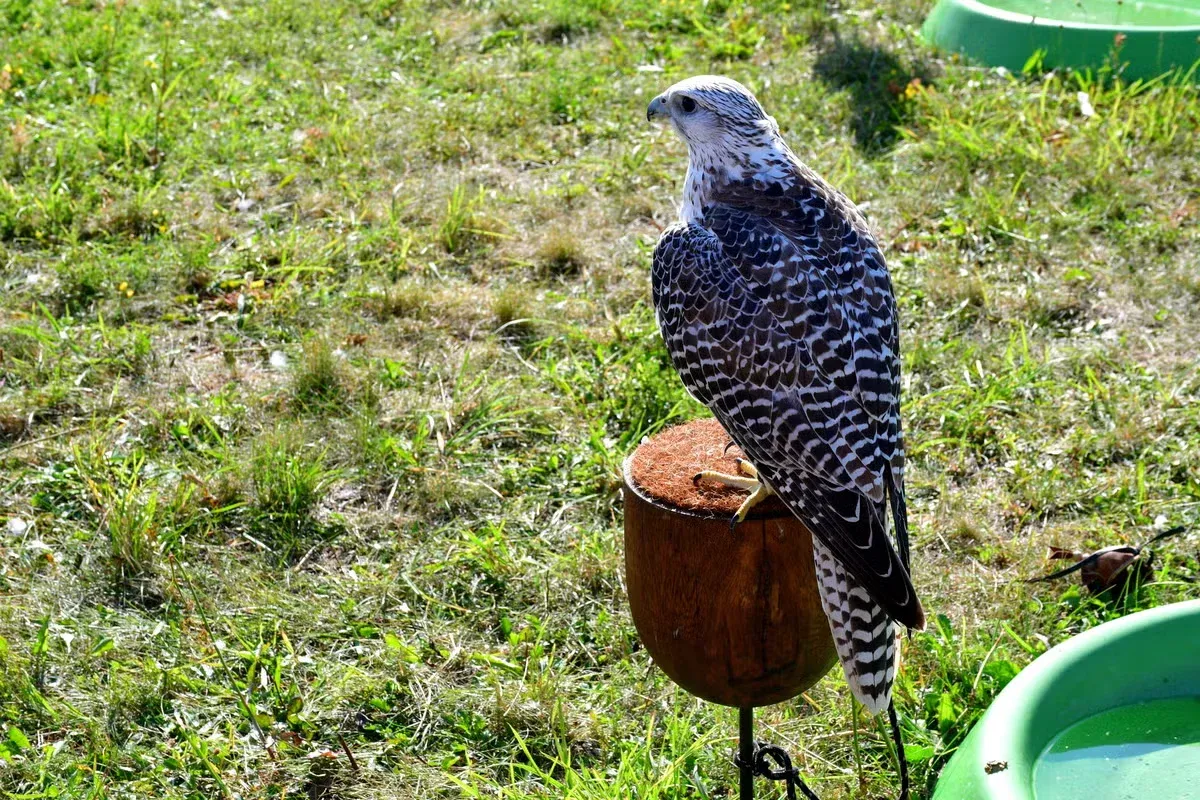
Not every hawk sighting means the bird lives nearby.
Image via Getty Images/Polecam, PolglishPL!
Not every hawk that flies over your house has settled in your neighborhood. Some are merely traveling through.
"Migrating hawks that are passing through tend not to stop, but rather simply soar and glide high overhead until they are out of sight," Mulvihill explains. "A hunting hawk perches and watches for a long time, looking for an opportunity to hunt."
Even if you don't spot a hawk directly, you might determine whether one is hunting nearby by watching how other birds behave.
"You can tell when a hawk is in the vicinity, even if you don't see it, if birds at your feeders all seem suddenly to be frozen motionless," Mulvihill describes. "Birds try not to move a muscle when they become aware (often through another bird's alarm call) that a hawk is present. When they start moving again, the hawk has moved on, and then the coast is clear! Hawks that live in an area will be back, though, to try again."
The Spiritual Significance of Hawk Sightings
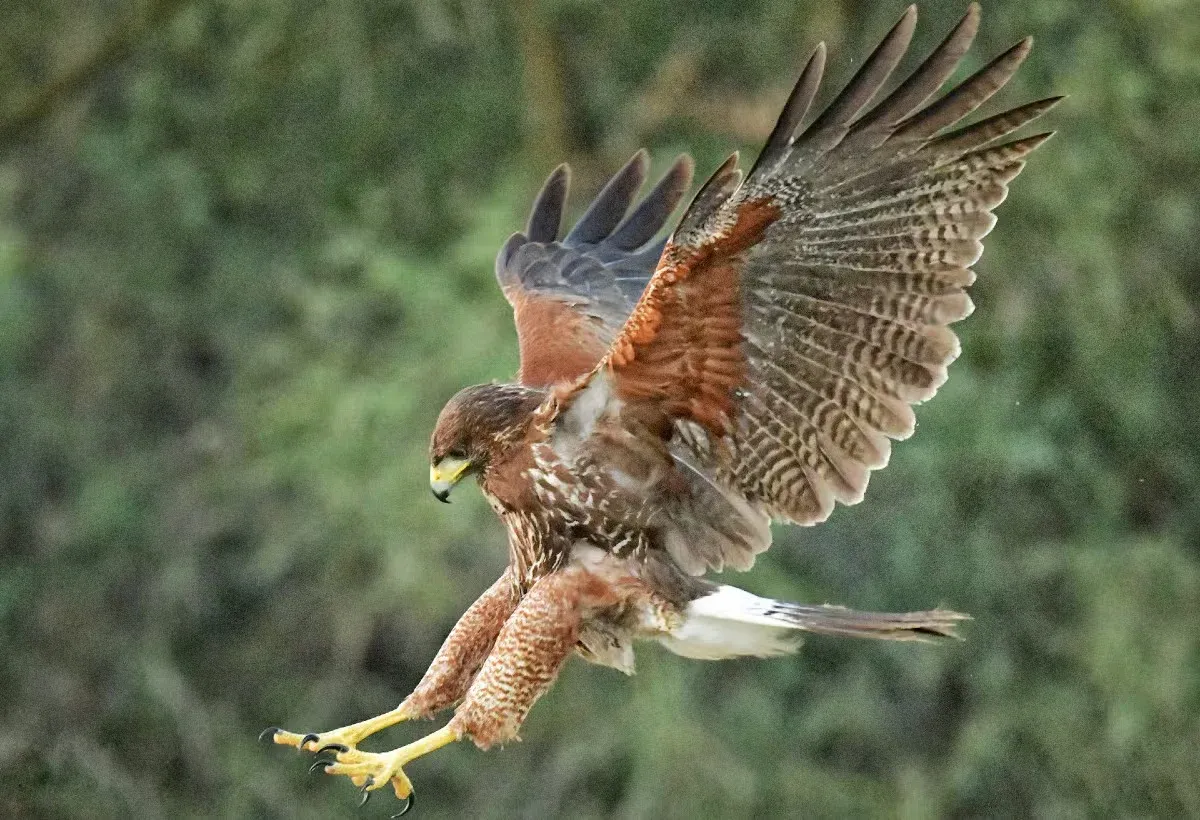
A hawk sighting is interpreted by some as a meaningful encounter connected to symbolism.
Image via Getty Images/Jeff R Clow
Although science can account for why hawks might fly over your house—whether due to hunting patterns or favorable flight conditions—many individuals also ponder the spiritual dimension of hawk encounters. In various cultures, hawks have been linked to vision, protection, guidance, and a wider view of life's difficulties. These connections lead some to regard the hawk as a "soul bird," a symbolic messenger tied to intuition, awareness, and the spiritual realm.
Christine J Gold, a spiritual medium and founder of Soul Healers Sanctuary, notes that the hawk has held meaningful symbolic status across many cultures for a long time.
"The hawk's spiritual significance spans virtually every major civilisation that has encountered it," Gold says. "Across these traditions, the hawk consistently represents the bridge between the human and the divine, between what we can see with our physical eyes and what becomes visible when we rise above our immediate circumstances."
Hawk Symbolism in Different Cultural Traditions
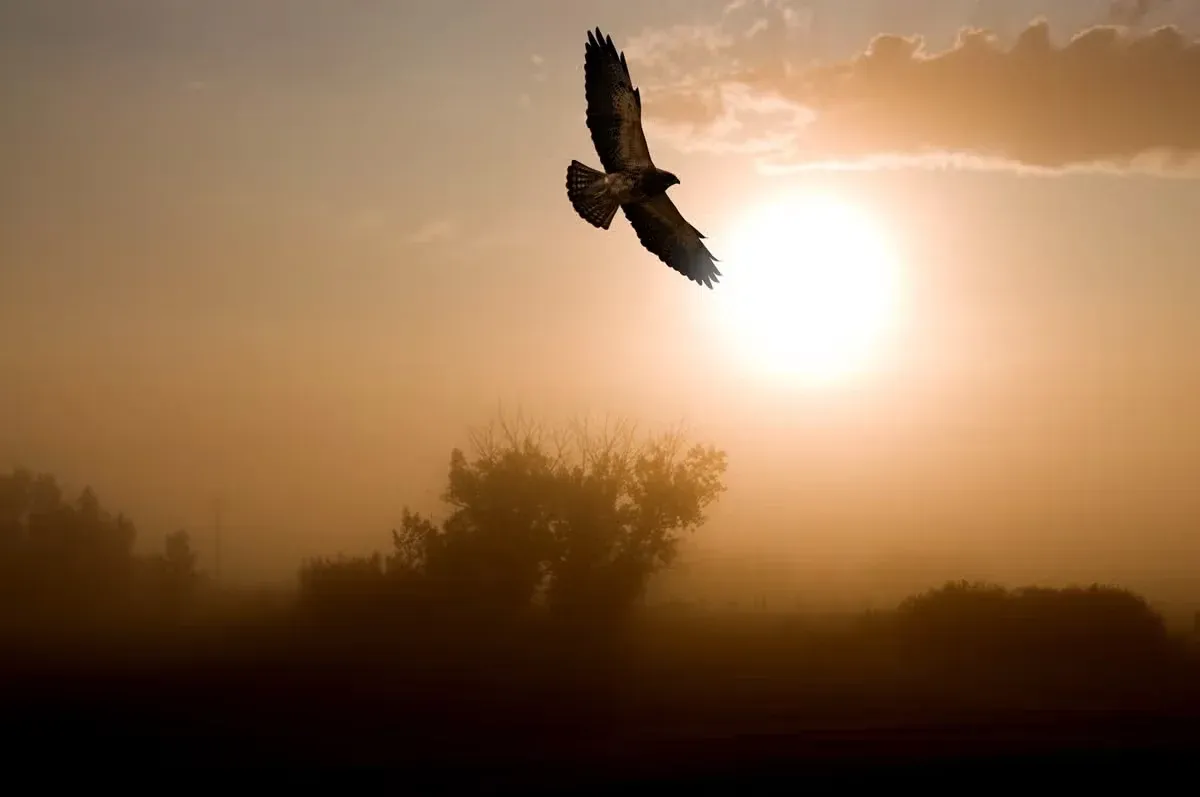
Some cultures view hawks as powerful symbols of guidance or protection.
Getty Images wwing
Over the course of history, various civilizations have crafted their own understandings of what hawks stand for. Hawk symbolism has shown up in cultures worldwide, from ancient deities to spiritual messengers. While no single article could encompass every culture's spiritual take on the hawk, Gold highlights several of the most notable instances:
- "In ancient Egypt, the hawk was among the most sacred of all animals. Horus, one of the most important deities in the Egyptian pantheon, was depicted as a man with the head of a hawk. Horus represented the sky, kingship, divine protection, and the sun and moon as his eyes. The hawk was the embodiment of the pharaoh's divine authority and of the connection between heaven and earth. Ra, the sun god, was also frequently depicted with a hawk's head, reinforcing the bird's association with solar energy, divine sight, and the life-giving power of light."
- "In ancient Greece, the hawk was sacred to Apollo, the god of prophecy, truth, and the sun. A hawk sighting was considered a direct omen from Apollo, often interpreted as confirmation that you were on the right path or that a message of significance was incoming."
- "In many Native American traditions, the hawk is a messenger between humans and the Creator. It is considered a guardian and protector, and its feathers are used in sacred ceremonies for their connection to the spirit world."
- "In some traditions, the red-tailed hawk specifically carries the energy of the kundalini, the primal life force energy that awakens spiritual consciousness."
- "In Celtic tradition, the hawk was associated with the soul's journey and with a clear-eyed perspective on life and death. It was a symbol of nobility, swiftness, and the kind of discernment that comes only from rising above the noise of daily life."
Throughout these traditions, hawk symbolism tends to revolve around perceiving things more clearly, trusting intuition, and gaining perspective—themes that still influence how many people understand repeated hawk sightings today.
What Does It Mean When You Keep Seeing Hawks?
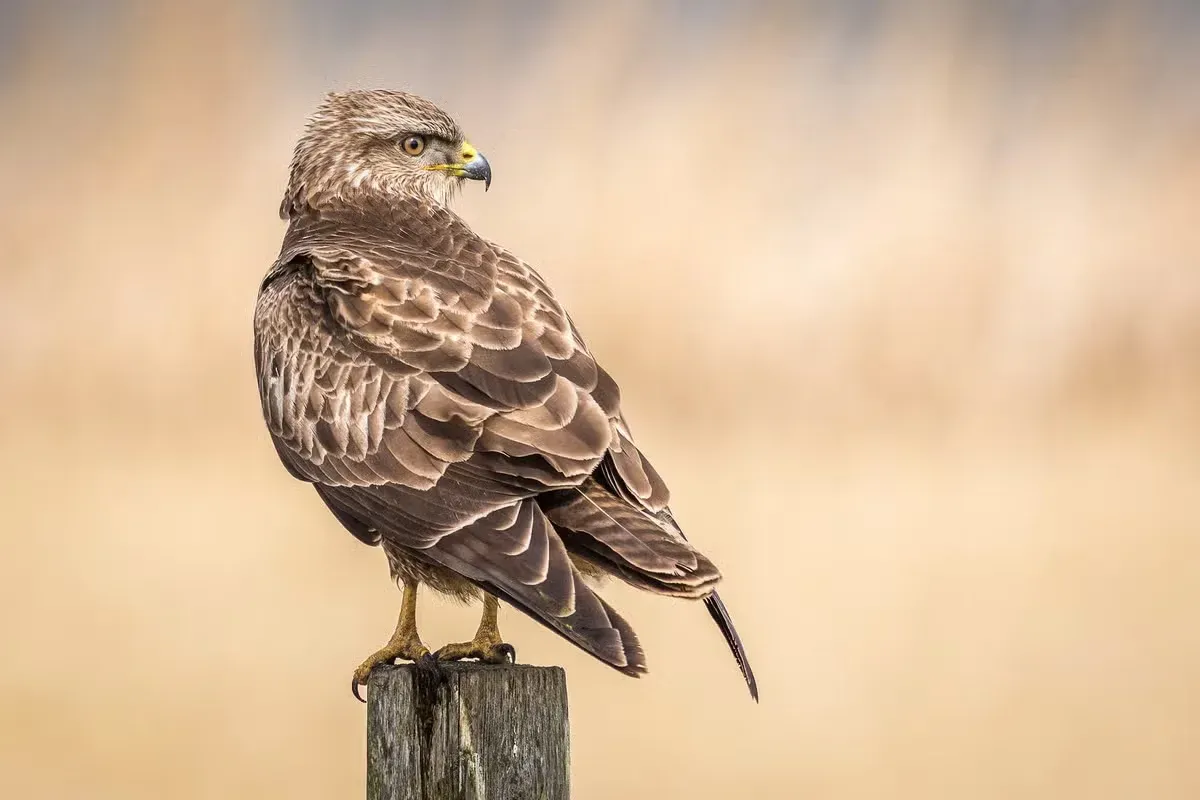
A hawk perched scanning the area for prey.
Image via Getty Images/Hermen van Laar / 500px
Whether you approach hawks from a spiritual angle or simply observe them in nature, encountering the same hawk again and again can feel meaningful. From a wildlife standpoint, repeated sightings generally indicate that the bird has located a reliable area for hunting, nesting, or resting. Some individuals also read repeated hawk encounters as significant signs.
"Repeated hawk sightings are one of the most common experiences my clients bring to me, and they almost always arrive during a specific kind of season: one where an important decision is being avoided, a truth is being resisted, or a calling is being ignored," Gold shares. "The hawk does not appear repeatedly by accident. It is circling until you look up."
The specific message is unique to each person who experiences it. In Gold's practice, though, it usually boils down to one of several possible readings. "You are being called to gain perspective on a situation you are currently too close to," Gold offers. "The hawk is asking you to rise above the emotional noise and see what is actually happening. You are receiving confirmation that you are on the right path, particularly if the hawk appears at a moment of doubt or hesitation. Or, you are being asked to act."
"The hawk is not a bird that circles indefinitely," Gold continues. "At some point, it dives. If hawks keep appearing, and you have been procrastinating on something you know you need to do, the message is clear: it is time to move."
Does a Hawk Flying Over Your House Bring Good Luck?
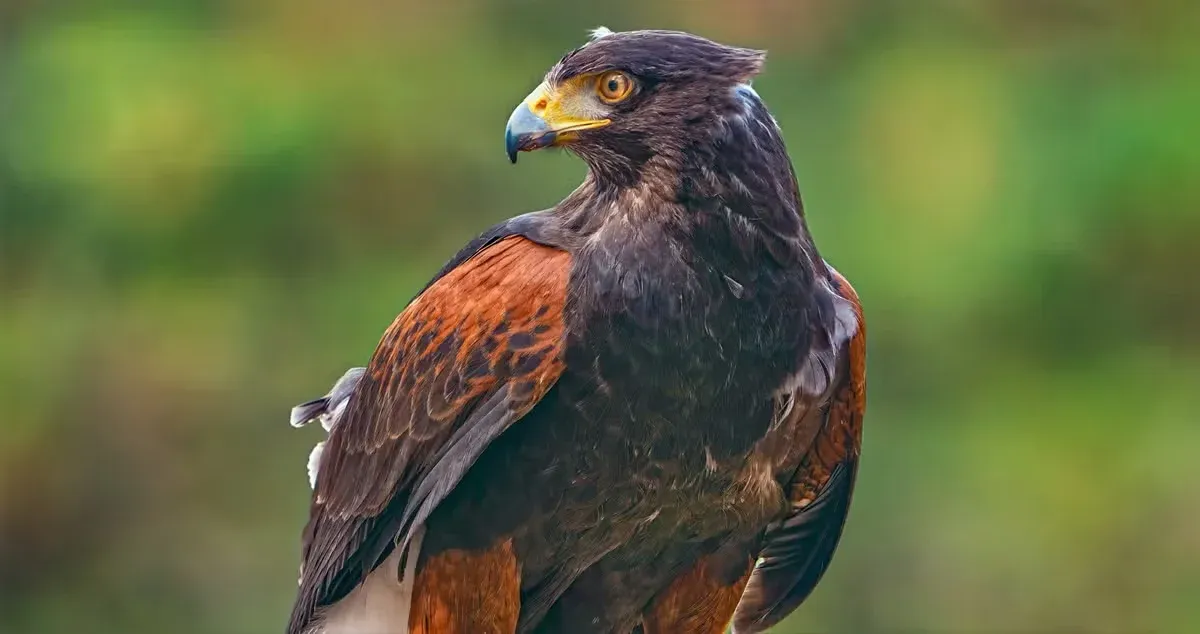
A hawk flying over your house can be seen as a sign of good luck.
Getty Images Plume Productions
Whether a hawk flying over your house is considered good luck varies depending on whom you ask. From a scientific standpoint, no evidence supports the idea that a hawk overhead signals either good or bad fortune. Wildlife experts explain that hawks are usually drawn to residential areas because they are looking for food, making use of warm air currents, or returning to a familiar hunting territory.
In many cultures, however, a hawk's visit is regarded as a positive sign, since hawks have long served as potent symbols of guidance, protection, wisdom, and clear vision in numerous spiritual traditions. For those who embrace bird spiritual symbolism, a hawk flying overhead might be seen as a meaningful indication of encouragement, protection, wisdom, or positive change.
Sources:
- Bob Mulvihill, National Aviary
- Christine J Gold, founder of Soul Healers Sanctuary
- #Pets
- #Birds
- #Christine J Gold
- #animal medium
- #soul bird
- #Pet News
- #Ask an Expert
- #All Pets
- #Wildlife & Wild Animals