When Is It Time? Judging Quality of Life in Older Dogs
Hayden Brooks
How Can I Tell If My Senior Dog Is Still Happy?
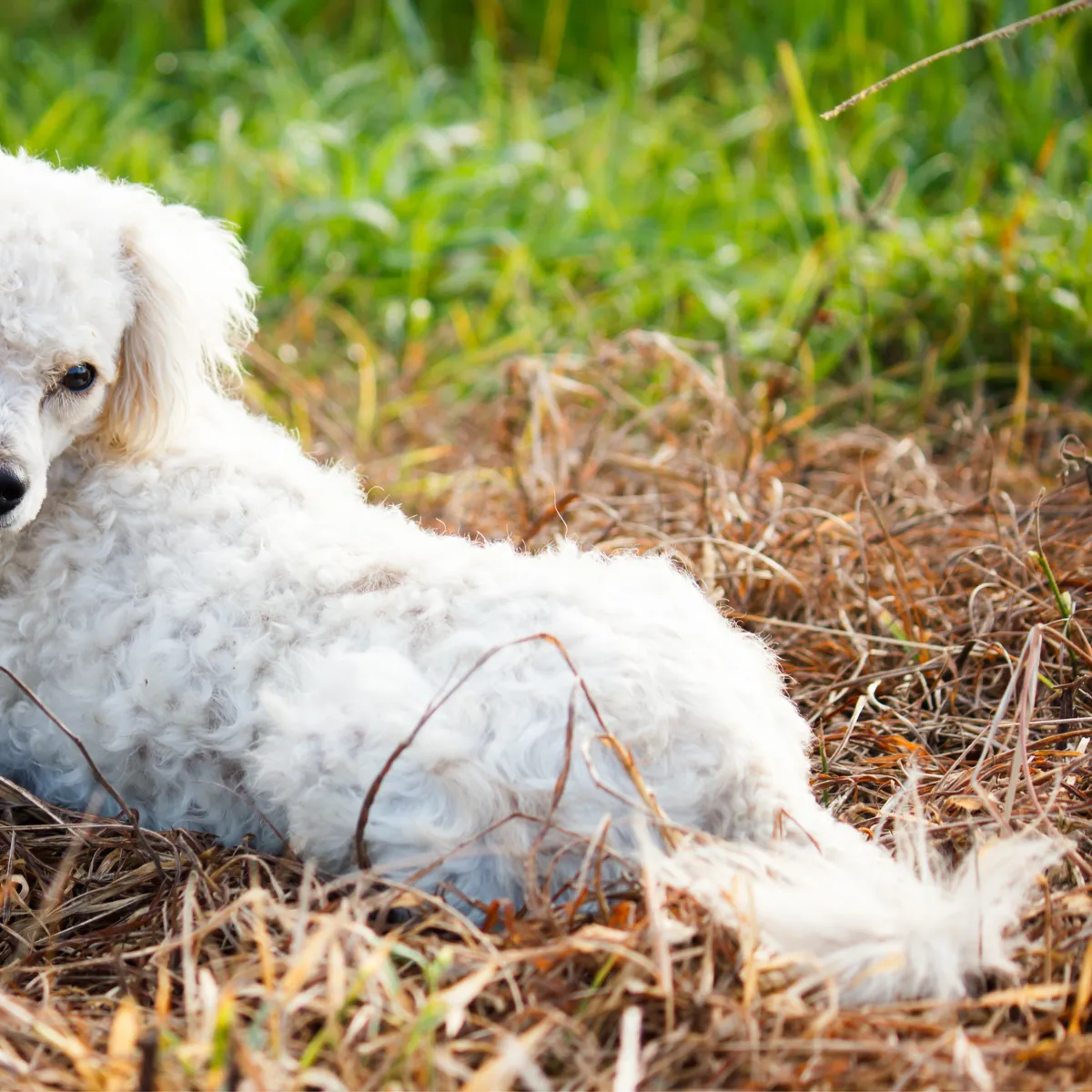
Susan shared her situation: “We have an 18-year-old poodle cross who is blind and deaf. She has been eating and walking okay, but since she’s blind, she collides with everything. Recently, she has been acting jumpy and frightened, and she is starting to eat less. We’ve tried all kinds of different food for her, but she’s still not eating as much as before. She’s also lost control of her bladder, so we make sure to take her out more often. The worst is she’s sleeping approximately 20 hours a day.”
How to Assess Your Senior Dog’s Quality of Life
Recognizing when a dog’s suffering has reached the point where their life is no longer good can be difficult. The American Veterinary Medical Association euthanasia guidelines offer limited direction on this matter, noting that pain is subjective and thus avoiding firm criteria.
While it is true that pain is subjective, if your dog is in pain, can you still improve their quality of life? One step is to consult your local veterinarian to see whether your dog might benefit from medications designed for dogs in pain.
Tips for Keeping Your Senior Dog Happy and Engaged
For older dogs and those with dementia, there are things you can do at home to sustain or even slightly enhance their life as they age.
- Take frequent, short walks. Research in humans indicates that walking in the morning sun has positive effects, and it is reasonable to expect similar benefits for dogs. Even blind dogs absorb light and can respond favorably to a morning walk.
- Teach them some new tricks. Blind and deaf dogs are capable of learning. You can teach basic cues like “sit” as well as other behaviors.
- Consider adding antioxidants to their diet. Evidence for how these help dogs is still limited, but they have been shown to slow aging in other species. Along with her normal diet, you can offer dried blueberries instead of usual treats, provide fresh sources of vitamin C, and include a source of vitamin E.
- Give them omega fatty acid supplements. Fish oil, such as salmon oil, contains high levels of omega fatty acids that can be useful in cases of dementia. It is not a standalone solution, but when combined with the other suggestions here, your dog may improve.
- Feed a natural diet. MCTs like coconut oil may have beneficial effects for patients with dementia. Providing a raw or cooked homemade diet that excludes processed food requires more effort but has some benefits, most of which research has not yet focused on.
- Maintain structured routines. Take your dog out every morning at about the same time. Avoid moving furniture or the dog’s food bowl, bed, and other items.
How Much Do Older Dogs Sleep?
It is very normal for geriatric dogs to sleep most of the day. As adults, most dogs sleep 80% of the night and even more in intervals throughout the day. Geriatric dogs usually sleep 18 to 20 hours a day.
How Do You Know When It Is Time to Say Goodbye to Your Dog?
It is very difficult for another person to tell you when it is “time,” but often, the decision has to be made based on the dog’s quality of life. I do not think being blind and deaf is reason enough to put a dog to sleep as long as you are willing to not move the furniture and confuse the dog.
There are several medical options for the loss of bladder control, so you would need to have her examined by your regular veterinarian to evaluate this.
Every Dog Is Unique
Some people will extend their dog’s life even when the dog is no longer able to enjoy his day; others put their dog down when the animal seems to have very few problems.
If you feel like her quality of life is so low that she is not able to enjoy her life, or if she is suffering from a medical problem that you cannot take care of, it is time to put her to sleep.
This article is not meant to substitute for diagnosis, prognosis, treatment, prescription, or formal and individualized advice from your veterinarian. Animals exhibiting signs and symptoms of distress should be seen by a veterinarian immediately.