When Home Care Helps Cats with Bladder Inflammation—and When It Doesn't
Robin Wood
Recognizing Cystitis in Your Cat
Cystitis—inflammation affecting the bladder and lower urinary tract—typically shows up as:
- Going to the bathroom outside the litter box
- More frequent urination
- Straining to urinate but passing only small amounts
- Blood in the urine
This article explains how to determine whether your cat has a urinary tract infection (UTI) and what steps to take. It also clarifies why home remedies are not suitable for treating an infection, though they may help reduce inflammation and lower the risk of future urinary issues.
Blockages Are Life-Threatening
A cat that is straining without producing any urine at all needs immediate veterinary care. A stone can cause a blockage; because urine cannot exit, toxins accumulate in the bloodstream and the cat may die.
Determining Whether Your Cat Has a UTI
The only reliable way to confirm a urinary tract infection is to have your veterinarian examine a urine sample under a microscope. This reveals the number of bacteria present, and sometimes the type. If a veterinarian is not available, some human laboratories offer the same test, though it is usually more costly. Roughly one in five cats with urinary problems turns out to have a bacterial urinary tract infection.

Antibiotics are the only effective treatment for a feline urinary tract infection.
Photo by Hal Gatewood on Unsplash
Why UTIs Require Veterinary Treatment
Most cats with a bacterial infection need antibiotics to clear it. If the infection is not eliminated, at-home measures will not help, and the infection can spread to the kidneys and ultimately prove fatal.
That said, if no infection is present, certain steps can help relieve cystitis.
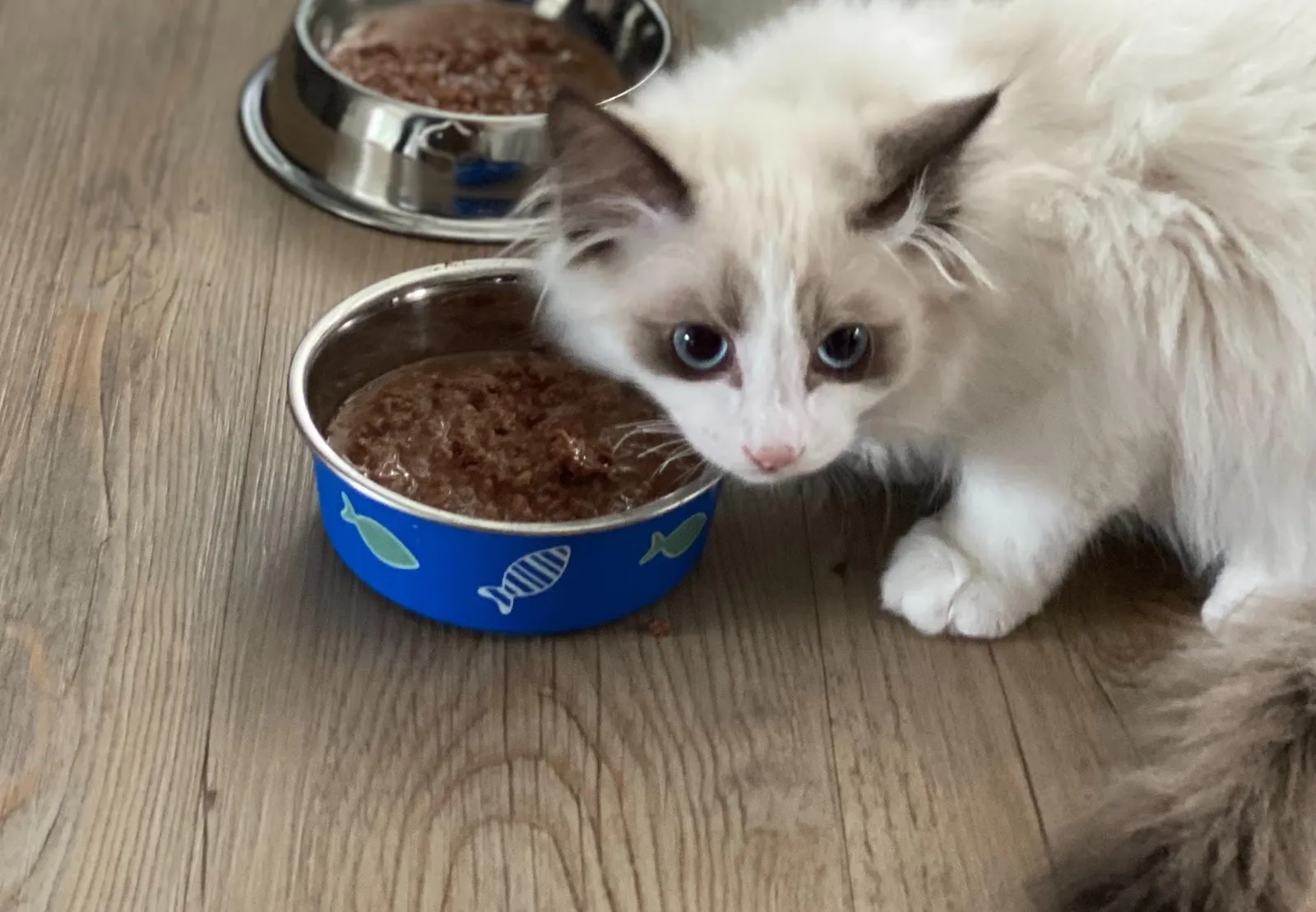
For cats with urinary inflammation but no infection, dietary adjustments and cranberry supplements can make a meaningful difference.
Photo by Fernando Jorge on Unsplash
Home Care for Cystitis Without Infection
Cranberry Pills or Powder
Cranberries contain compounds (flavonoids and phenolic acids) that can lessen or even eliminate signs of cystitis—bladder inflammation. They do not cure an infection, but they may help prevent recurrence.
Do Not Give Cranberry Supplements Before a Urinalysis
Avoid cranberry juice; pills or powder are preferable. I would not recommend using cranberry products for your cat before a urinalysis has been performed.
If your cat is not concentrating urine, kidney disease may be the cause. Cranberries are contraindicated in such cats because they are acidic and contain benzoic acid, which can be toxic to a sick cat.
Dietary Changes
The best long-term home approach—after any infection has been treated—is to change the diet. First, repeat the urinalysis to confirm the infection is gone and to check the urine pH. If the pH is very low, your cat may be forming oxalate crystals that irritate the bladder and lead to reinfection. If the pH is too high, struvite crystals may be forming.
Several good cat foods that lower urinary pH (making it more acidic) are available without a prescription. If the pH is too low, however, a prescription diet is necessary.
Encouraging Water Intake
This simple measure does not require a pharmacy. Any remedy that acts as a diuretic causes mild dehydration, and even mild dehydration can worsen cystitis.
To encourage drinking:
- Provide a second water bowl
- Add an ice cube to one bowl several times a day
- Use a bowl that does not irritate your cat's whiskers
- Try a water fountain
Essential oils and other herbal remedies can harm cats more than help them.
Photo by Kadarius Seegars on Unsplash
Remedies to Avoid for Cystitis or UTI
Juniper Berry Essential Oil
Although studied in humans, there is no evidence this works in cats. It is a diuretic, meaning it prompts the kidneys to produce more urine. There is another concern: cats can be sensitive to essential oils, and juniper berries are available only in that form. I would not use this product on a sick cat. Juniper berries are said to work because of their phenols, but cats cannot metabolize phenols, so the essential oil can become toxic.
Other Herbal Medications
Other herbal remedies exist (marshmallow root, parsley leaf, and others). Some are simply anti-inflammatory, while others are diuretic (causing more fluid to leave the kidneys). However, none of them will help if your cat has a bacterial infection. All information about these remedies comes from human use, and none have been studied in cats. (Not everything used in humans is safe for cats.)
Homeopathic Products
The many remedies marketed for feline urinary tract infections do not work. Cats with cystitis and a UTI do not respond to placebo, and numerous studies show no evidence that any "remedies" sold by homeopathic companies provide benefit.
None of these home remedies will cure your cat if an infection is present. Before starting any at-home treatment, confirm whether an infection is underway—one that could lead to more serious disease later.
This article is not a substitute for diagnosis, prognosis, treatment, prescription, or formal and individualized advice from your veterinarian. Animals showing signs of distress should be seen by a veterinarian immediately.