Rabbit Pica: When Your Bunny Chews Walls and Pulls Fur
Taylor White
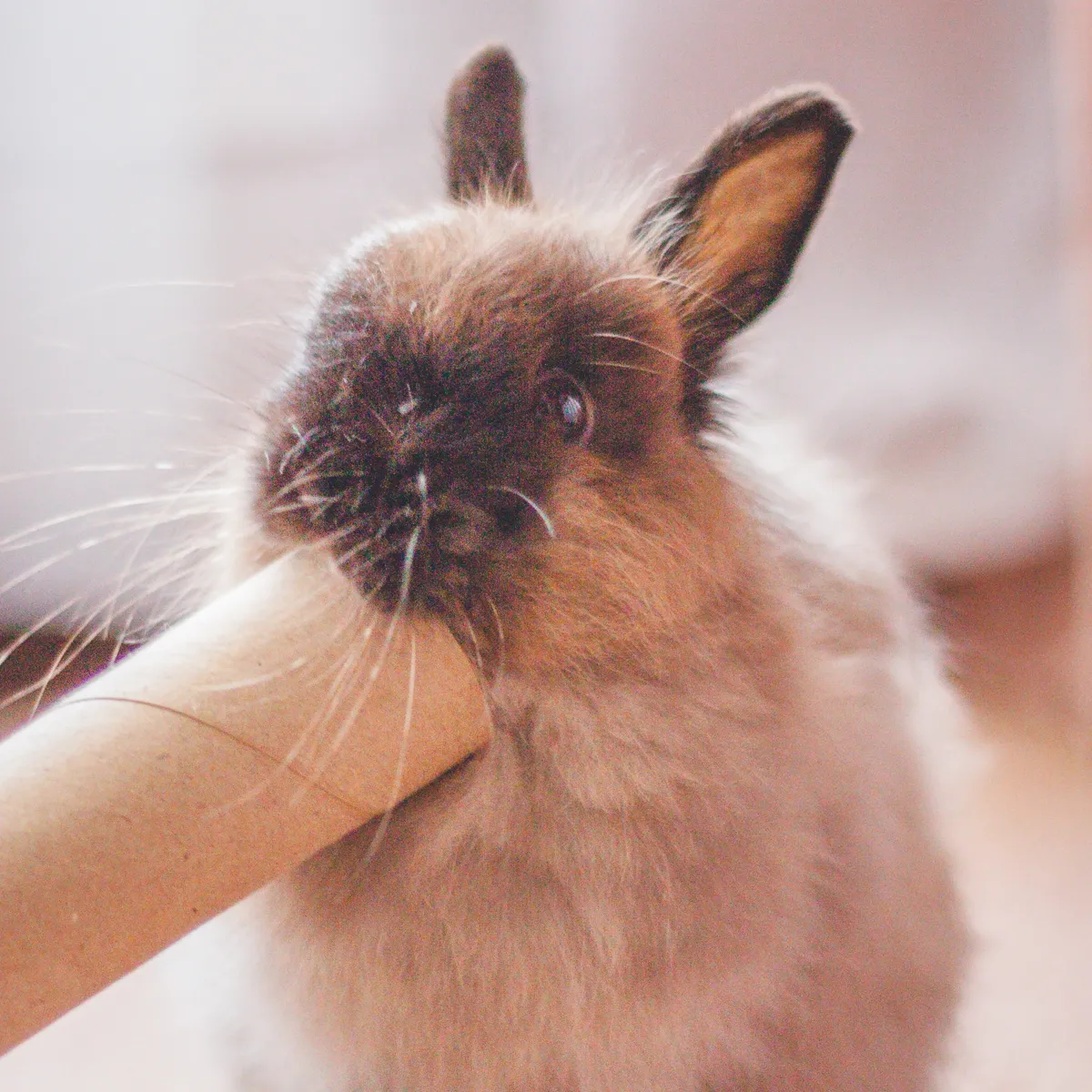
Why Does My Rabbit Keep Eating Plaster and Other Objects?
A concerned rabbit owner, Alana, shared that her male rabbit has been consuming plaster from walls, dust from the floor, and even the table cover when she's not watching. Her vet advised buying a large cage and confining the rabbit when unsupervised. She followed the advice, and now the rabbit spends most of his time in the cage, with six hours of daily out-time. However, he has become aggressive, biting hard when picked up to be put back, over-grooming himself, and losing fur near his stomach. He also seems fearful when his feet are touched. Alana is sad and distrustful of the vet who recommended the cage.
Pica and Resulting Behavioral Issues in Rabbits
Confining a pet to a cage whenever you can't watch them is not a solution. It's far better to identify and address the underlying cause so the undesirable behavior stops.
In this case, it appears the problem began as pica and has since developed into a behavioral issue. Possible reasons for the rabbit starting to eat walls include:
- Dental disease: Overgrown teeth can occur if rabbits lack sufficient wood or other chew items.
- Nutritional deficiencies
- Anemia: Often related to diet.
- Boredom: Frequently no specific cause is found, and the rabbit is assumed to chew out of boredom.
The most effective approach to pica is to provide abundant forage, wood for chewing, and interactive wooden toys.
Is Caging Rabbits Advisable?
Indeed, rabbits' personalities can change if they are locked in a cage most of the time. Commercial breeders who keep animals confined constantly produce animals very different from pets. Caged pet rabbits may begin biting or pulling out their own fur.
Rabbits typically prefer to run and hide rather than bite, but if biting is their only option, they will resort to it.
How to Curb Biting in Your Rabbit
Your rabbit may be biting out of fear of being returned to the cage and may not understand he's causing pain.
Squeal When Bitten
A useful tip is to let your rabbit know he's hurting you by mimicking a bunny in distress if he bites. Hitting or yelling at a rabbit is ineffective, but if you emit a high-pitched squeal like a small rabbit when he nips, he will likely stop and refrain from doing it again unless he's extremely frightened and feels defensive.
This method doesn't work for every rabbit and may fail if the biting is fear-based, such as fear of being caged after enjoying freedom in your home. It tends to be more effective for aggressive rabbits.
Avoid Neutering Your Rabbit
Some may suggest neutering a biting rabbit. Although your rabbit's issue appears more fear-driven than aggressive, neutering is often proposed for male rabbits with testosterone-related biting aggression. Unfortunately, regardless of the vet's experience, about 5% of even healthy rabbits die during surgery.
Rabbits are highly sensitive to anesthesia, and their safe range is narrow, so even healthy animals can suffer toxic effects. Others, especially larger rabbits, may develop gastrointestinal complications like gut stasis and die later.
If the surgery were life-saving, it would be reasonable, but elective procedures should not be recommended for rabbits.
How to Stop a Rabbit From Pulling Out Fur
When rabbits are confined to a cage for long periods, they can also develop behavioral problems such as hair plucking (barbering). This is normal for females (they pluck the dewlap to build nests), but males don't pluck unless they have a disease (mites, fleas, allergies, etc.) or are not getting enough hay or grass fiber.
Enrich the Environment
If the hair loss is due to plucking from boredom, the only treatment is to provide a more stimulating environment. My rabbits live in an enclosure with chickens, but some people let their rabbits roam with their dogs.
Rabbits do spend most of their time in their dens but should have plenty to observe and do when they want to be active. Interactive toys can help pass the time, but the most important thing for your pet is to chew extensively every day.
Rabbits can also be offered different types of hay or allowed to graze on fresh grass daily if you have a suitable space.
Seek Veterinary Advice If Plucking Persists
If the hair loss worsens or the fur doesn't grow back after your rabbit has more free range and toys, I recommend consulting a veterinarian experienced with exotic pets for an examination.
This article is not intended to replace diagnosis, prognosis, treatment, prescription, or formal and individualized advice from your veterinarian. Animals showing signs of distress should be seen by a veterinarian immediately.