Managing Urinary Incontinence in Older Dogs: Options Beyond Standard Drugs
Sam Wood
Exploring Alternative Treatments for Senior Dog Incontinence
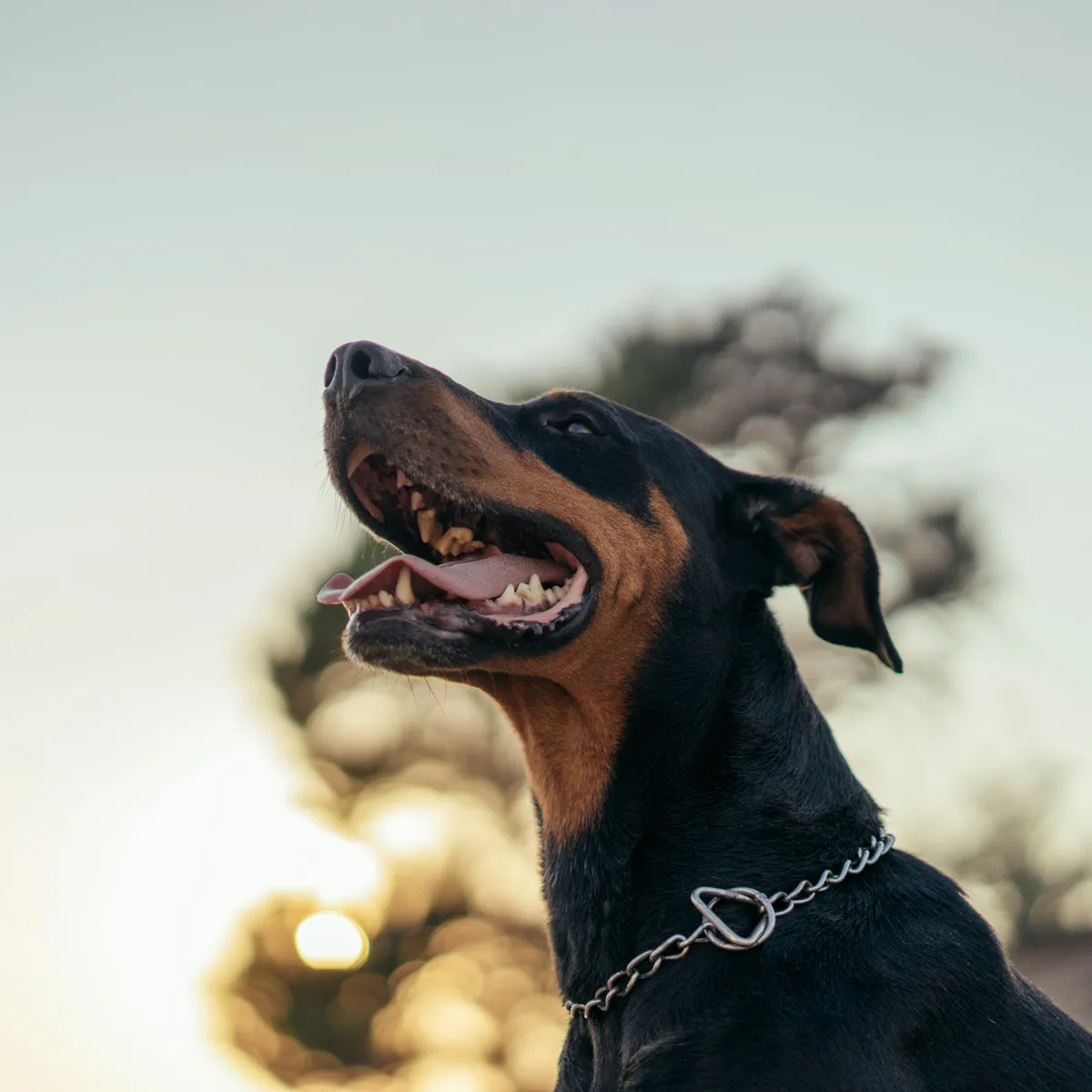
"My 13-year-old Doberman is becoming incontinent when it comes to urinating. The drugs we’ve used for our other Dobies were all disappointing, to say the least. Is there any treatment for age-related urine incontinence that isn’t dangerous? We’re privy to some shocking stories. All our elderly Dobies went through this, and there was never anything close to a happy ending." —Krandall
Understanding Urethral Sphincter Mechanism Incompetence (USMI)
Several factors can raise a dog's likelihood of losing bladder control, such as carrying extra weight, advancing age, having a docked tail, or any physical condition that makes normal squatting difficult. The leading cause behind urinary incontinence is known as urethral sphincter mechanism incompetence (USMI).
The Role of Spaying at a Young Age
If your Doberman came to see me, my first question would be whether she had been spayed and, if so, whether the procedure was done early in her life.
Medication Options for Canine Urinary Incontinence
While there are alternative drugs for dogs with this condition, they cannot be prescribed if the dog is still intact (not spayed).
Phenylpropanolamine (Proin)
The longest-used drug, and likely the one you tried previously on your older incontinent dogs, is phenylpropanolamine, sold as Proin.
It can be effective for many dogs facing this issue, but side effects do occur. Some are minor (such as vomiting, diarrhea, or increased thirst) or challenging to manage (like aggression or high blood pressure), while others may be quite severe (including seizures or collapse).
Estriol and Diethylstilbestrol
Certain estrogen-based products (such as estriol and diethylstilbestrol) can help strengthen the muscles that retain urine, but they pose risks if your dog has not been spayed.
Baclofen
When a weak sphincter is not the underlying issue, baclofen is another alternative medication. It may sometimes be more effective, but it carries a high risk of toxicity. (1)
Non-Drug Approaches to Reduce Incontinence in Senior Dogs
If you prefer not to use synthetic hormones or medications, several other strategies might help lessen the severity of the problem.
Treating Lower-Back Pain
Because doctors have observed a link between lower back pain and urinary incontinence in people, a study by veterinary researchers explored whether treating arthritis and lower back pain in dogs could reduce incontinence episodes. (2) This is logical: if your dog hurts when she squats to urinate, she may be more inclined to ignore the urge to go.
The study found fewer incontinence episodes following treatment. The researchers primarily used physical therapy and acupuncture, but we now also know that the most effective approach for back pain in dogs includes weight loss and NSAID pain relievers.
If your dog is overweight or even at a normal weight, put her on a strict diet and have her checked for any signs of arthritis.
Your veterinarian may decide to try a course of one of the newer arthritis pain medications. NSAIDs can help prevent many problems that arise secondary to pain as dogs age.
Estrogen Supplements
Natural supplements rich in estrogens can also be given. While there is no proof that these natural remedies work, it is possible that estrogens could strengthen the muscles that are allowing urine to leak.
In my region, the most common natural estrogen source is soy oil. (You might also consider flax seeds and swap regular commercial treats for dried fruit.) No exact dose for soy oil has been established, but you can start with a tablespoon mixed into her food, and if she does not develop loose stools, increase the amount. Remember to account for the calories in the oil as part of her daily intake to avoid weight gain.
Frequent Walks
Dogs are also more prone to leaking urine when their bladder is full, so taking your dog out for walks as often as possible throughout the day can be helpful.
Final Thoughts
I regret that there is no simple solution. Large pharmaceutical companies are unlikely to fund research into alternatives, so unless a new drug is discovered, no new answers are likely to emerge.
The most promising step we can take is to treat senior dogs for early signs of arthritis and hope that urinary incontinence is postponed for as long as possible.
Sources
(1) Fox CM, Daly ML. Successful treatment of severe baclofen toxicosis initially refractory to conventional treatment. Clin Case Rep. 2016 Dec 20;5(1):44-50. i.nlm.nih.gov/pmc/articles/PMC5224782/
(2) Lane DM, Hill SA. The relationship between urethral sphincter mechanism incompetency and lower back pain: Positing a novel treatment for urinary incontinence in dogs. Open Vet J. 2022 Jan-Feb;12(1):105-113. i.nlm.nih.gov/pmc/articles/PMC8956227/
This article is not meant to substitute for diagnosis, prognosis, treatment, prescription, or formal and individualized advice from your veterinarian. Animals exhibiting signs and symptoms of distress should be seen by a veterinarian immediately.
© 2023 Mark dos Anjos, DVM