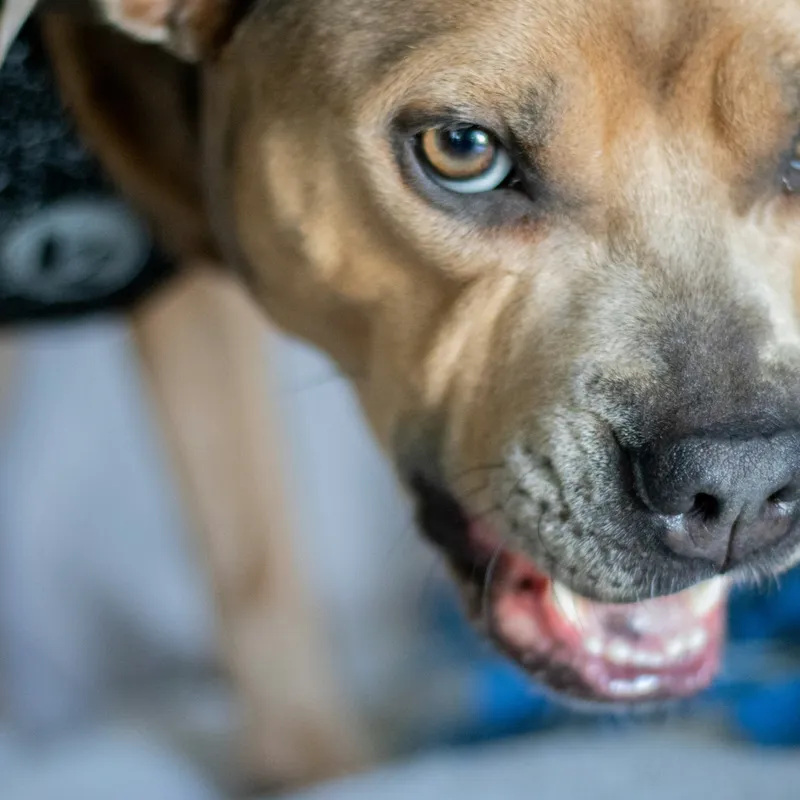
Aggression in a 3-Year-Old Dog: What Options Are Available to an Owner?
Jordan Hall

How to Address Aggression Toward Other Dogs and People in the Home?
“I have had my 3-year-old male dog since he was an 8-week-old puppy. Tucker is a very sweet boy to kids and people who live in his home, but if we want guests over, he has to be caged in a room because he is extremely aggressive towards them (even my father who’s over almost weekly and makes an effort to work with him).
Recently he has also become aggressive with our other male dog (both are neutered). Usually it’s just growling or a few warning snaps, but today was a full-on battle and they had to be separated. Now he tries to attack whenever he sees our other dog. What are my options?
We are moving into a smaller house, and I’ve got a 2-year-old son to worry about. Rehoming is kind of an issue because he doesn’t like strangers at all! What are your thoughts?” —Kaitlyn
Is Rehoming a Viable Choice for an Aggressive Dog?
Rehoming is not a good option here. If Tucker was only aggressive with other dogs, that might be an option, but since he also has aggression toward strangers, it is not a good idea. He might end up biting his new owner and be sent to a shelter or put to sleep immediately. The only options you have are training and behavioral counseling.
Ways to Lessen a Dog’s Aggression Toward People
There are also some things you can try to make him less aggressive towards your father or other guests:
Enroll in Obedience Training
When Tucker is obedience trained, you will be able to put him in a down/stay next to you when guests come over and he will not be allowed to get up and approach that person.
Obedience training is sometimes the best way to deal with an aggressive dog, so this is very important and will be worth the investment.
Ensure He Gets Ample Exercise
Getting out of the house and going for a long walk several times a day is the best thing for a dog’s mental health. Tired dogs have a lot less energy, sleep more, and are less likely to be aggressive.
He needs to go out for at least an hour three times a day. (If this is not possible, look into purchasing a dog backpack for the walks you are able to make time for. You can add water bottles so that he becomes tired more quickly, but at the very least, he needs to be walked twice a day.)
Focus on Socialization During Walks
Although Tucker is past his sensitive socialization period, he should still be socialized with strangers when out for a walk each day. Some dogs develop a fear of strangers and will get over it if socialized enough.
Note: If he is aggressive when outside of his territory, ignore this section.
Schedule a Visit with Your Regular Veterinarian
Sometimes aggression has a medical cause, so you should take him in to see your regular veterinarian to rule out any medical problems that can be causing his changes.
Seek Out a Veterinary Behaviorist
Since several types of aggression are involved, Tucker should see a veterinary behaviorist. When you have him looked at for any medical issues, be sure to ask your veterinarian for a referral to a behaviorist. If there is no one available in your area, then a good trainer might be able to help.
Implement Time-Outs
It sounds like you are already doing this. In theory, it works because our dogs are social and want to be with us. Unfortunately, some dogs will start to resent any guests and become more aggressive since they do not want to be locked away.
Obedience training and teaching him to lie quietly in the same room is a much better option.
When Dogs Direct Aggression Toward Their Owners
My concern is that he will develop another type of aggression and hurt your 2-year-old son. He already has territorial aggression and dog-on-dog aggression, and if he becomes fearful or dominant, he may lash out at one of the people living in the house.
Dogs are “face level” with small children and can do a lot of damage.
Canine Aggression Rarely Has a Quick Fix
When dogs develop aggression problems, there are not usually quick solutions. Best of luck.
This article is not meant to substitute for diagnosis, prognosis, treatment, prescription, or formal and individualized advice from your veterinarian. Animals exhibiting signs and symptoms of distress should be seen by a veterinarian immediately.
© 2022 Mark dos Anjos, DVM