Puppy's Persistent Head Shaking and Foot Licking: What Pet Owners Should Know
Emerson Watson
Understanding the Problem: Head Shaking and Foot Licking in a Young Dog
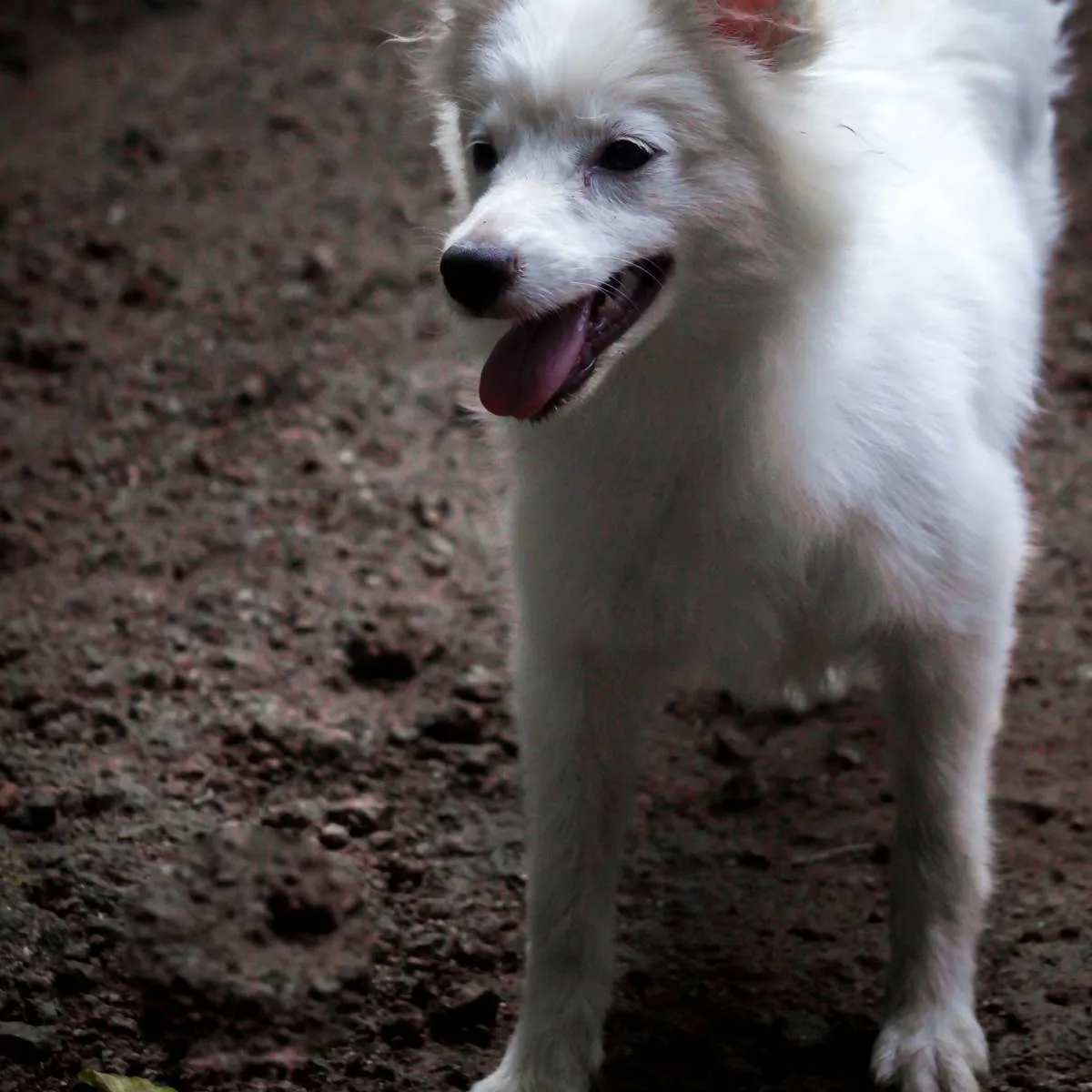
"My 10-month-old pomeranian/Maltese puppy is shaking her head and tilting it slightly to the right. She has seen the vet, who said there is no infection. She said it could be allergies but offered no remedies.
We are treating puppy’s feet as they are stinky like they have a yeast infection, and she has always had weepy red eyes, which we have cream and drops for. She is still shaking her head and tilting, and she is miserable. She has a reduced appetite and seems to be in pain, but the vet offered no help.
Should I give her pain relief, antihistamines? What can I do to relieve her? Also can a vet tell if a dog has an inner ear infection just by looking down her ears?
I’m very concerned, but our vet seems like she has only recently become qualified and doesn’t have a lot of experience, so she was really no help. Cheers." —Karen
Diagnosis and Treatment of Ear Infections in Dogs
Allergies can indeed lead to significant redness in the ear canals, which a veterinarian can observe using an otoscope. However, determining the specific type of infection—whether yeast or bacteria—requires a swab sample and laboratory analysis.
During an examination, many veterinarians administer a corticosteroid injection to alleviate pain, as these conditions can be quite uncomfortable. Yet, some newer graduates are trained to steer clear of such medications due to potential side effects. If your dog is in severe discomfort, there are effective alternatives to prednisone.
Contacting your regular vet to report ongoing inflammation and pain may lead to a prescription for steroid-based ear drops to manage the discomfort.
The Connection Between Allergies and Ear Infections
Your veterinarian is right that allergies often underlie these issues. The challenge lies in identifying the specific allergen and providing relief in the interim.
Why might your puppy be shaking her head and licking her feet? Consider these possibilities:
- Inhalant Allergies: This is the most probable culprit. Some dogs suffer from seasonal pollen allergies, while indoor dogs may react to dust mites, molds, or other household allergens.
- Fleas: Flea allergy is the leading cause of itching in dogs. While fleas don't cause ear infections, any dog should be on prescription flea control before exploring other therapies like hypoallergenic diets.
- Food Allergies: Roughly 1% of dogs are thought to have food allergies, but 40% of those are German Shepherds, West Highland White Terriers, Labradors, and Golden Retrievers. You didn't mention vomiting or diarrhea. About 93% of dogs with food allergies will have diarrhea. (1)
- Mites: Ear mites would likely have been detected during the exam.
- Infection (Yeast or Bacteria): Identifying this type of infection requires a swab sample from your dog's ear.
- Contact Allergies: Dogs can have allergic reactions when certain substances (e.g., grass, detergent) touch their skin.
Soothing an Itchy Dog
While investigating the cause, you can try these approaches to make her more comfortable:
- Antihistamines: A reasonable first step for a puppy with allergies, though they often don't work. If inflammation is mild, they can help, so it's worth trying before other tests and treatments.
- Medicated Baths: Itching and foot chewing may improve with a medicated bath containing colloidal oatmeal. Follow the instructions carefully. If itching is mainly between the toes and a yeast infection has developed, consider another medicated shampoo and a vinegar and coconut oil treatment.
- Moisturizing: Many pet store moisturizers are available, but coconut oil is one of the best and may already be in your home. It's rich in vitamins and antioxidants, and besides moisturizing, it supports the skin's beneficial bacteria. (2) Apply after a bath, but do it outside as your puppy will roll around and stain carpets.
- Cytopoint: Dogs with itching and ear infections may respond to Cytopoint, an antibody injection that reduces skin reactivity to allergens in some dogs. There are also medications that suppress the immune system to reduce itching, but try other suggestions first and determine if the problem is seasonal or year-round.
Additional Strategies
If the condition doesn't resolve or recurs after stopping the above treatments, you'll need to find the underlying cause. Here are two suggestions.
- Decrease Allergens in the Environment: Here are tips to keep your dog more comfortable at home.
- Try a Novel Protein Diet: If the itching pattern and other symptoms point to a food allergy, try a novel protein diet. This should not be commercial dog food. For the two months your dog is on this diet, you can prepare it at home.
None of this will be easy, and this may be a long-term issue. Your best chance of avoiding future problems is to address it soon, so please read the links and let us know if you have further questions to help your puppy.
Sources
(1) Valentine B. Review of critically appraised topics on adverse food reactions of companion animals. Can Vet J. 2020 May;61(5):537-539. i.nlm.nih.gov/pmc/articles/PMC7156131/
(2) Shilling M, Matt L, Rubin E, Visitacion MP, Haller NA, Grey SF, Woolverton CJ. Antimicrobial effects of virgin coconut oil and its medium-chain fatty acids on Clostridium difficile. J Med Food. 2013 Dec;16(12):1079-85. i.nlm.nih.gov/24328700/
This article is not meant to substitute for diagnosis, prognosis, treatment, prescription, or formal and individualized advice from your veterinarian. Animals exhibiting signs and symptoms of distress should be seen by a veterinarian immediately.
© 2022 Mark dos Anjos, DVM