Dog on Long-Term Benadryl: Managing Congestion and Coughing
Emerson Watson
Owner Reports Congestion and Coughing in Dog on Benadryl
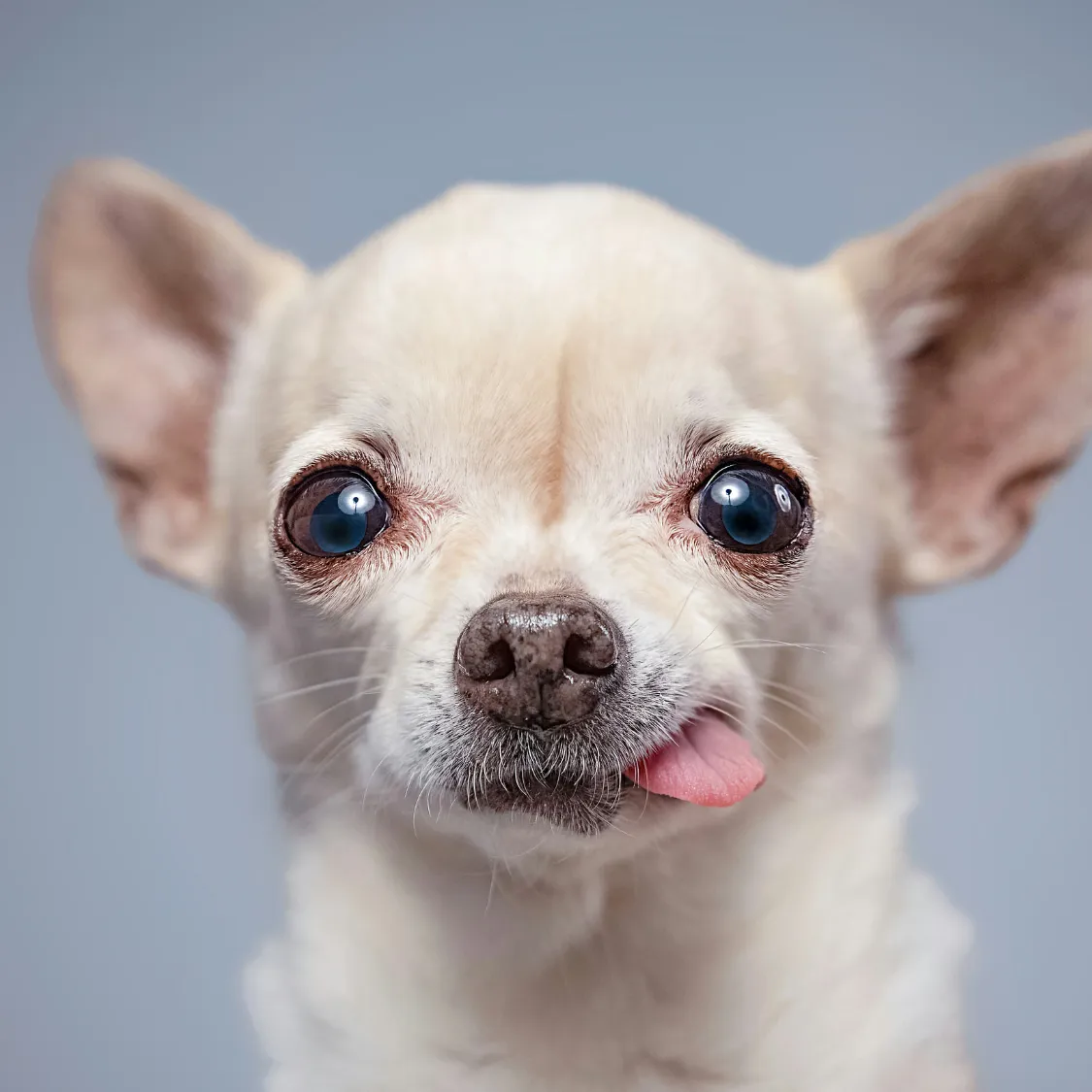
An owner of a 7-year-old, 12-pound Chihuahua/Pomeranian mix with allergies describes giving about 8 mg of Benadryl two or three times daily, which helps the allergies but leaves the dog sleeping constantly. The dog also snores, snorts, coughs, and sounds as though she is trying to bring up phlegm. The owner asks whether anything can help the dog cough up mucus. This scenario is addressed below.
Why Long-Term Antihistamine Use May Lead to Problems in Dogs
The signs described are most likely caused by prolonged, high-dose antihistamine therapy. Antihistamines reduce nasal secretions by thickening them. In people with allergic rhinitis, that drying effect is desirable; in dogs, a runny nose is usually not the main concern—itchy skin from allergies is—so this drying action is an unintended side effect rather than a needed one. Antihistamines also make dogs drowsy, as the owner has observed. That drowsiness is not necessarily a drawback: a dog that sleeps more is often preferable to one that stays awake all night scratching.
Options for a Dog With Nasal Congestion
Several approaches can help reduce the thick mucus the dog is experiencing.
Add a Humidifier
When antihistamines cause thick secretions, some dogs do well if they can simply sneeze the mucus out, but the mucus must be loose. Placing a humidifier in the room where the dog sleeps can make secretions easier to clear. Many affordable, small humidifiers are available that will not over-humidify the room.
Lower the Antihistamine Dose
It is worth testing how the dog responds to 5 mg instead of 8 mg. Some lower doses remain effective and may cause fewer side effects. The dose should be reduced gradually while monitoring the response; if the dog stops responding at a very low dose, the next higher dose can be resumed.
Try a Different Antihistamine
Several alternatives to Benadryl may cause less drowsiness or congestion. Zyrtec and Claritin are options, but only one bottle should be purchased at a time to see how the dog tolerates the change. Every drug, including antihistamines, has side effects; if the dog does not do well on an alternative, Benadryl may still be the best choice.
Prescription-only antihistamines are also available from a veterinarian and tend to cause less drowsiness and less phlegm than over-the-counter products. If the veterinarian suggests more steroids or Apoquel, it is up to the owner to ask specifically about antihistamines.
Give Antihistamine Only at Night
If the dog is comfortable during the day and a weekly oatmeal bath is sufficient, the antihistamine can be given only at night. That way the dog sleeps better and does not stay awake from itching. If medicated baths seem to help more, they should be done correctly. Using medicated baths instead of relying solely on antihistamines requires experimentation because no single dose or routine fits every dog.
Anti-Tussive Medications
Butorphanol and other cough-suppressing medications can be obtained from a veterinarian. However, if the dog is doing well on antihistamines, it is advisable to try adjusting the antihistamine regimen first. All medications have side effects, and using as few as possible to keep the dog comfortable is preferable.
Source
(1) Liu H, Farley JM. Effects of first and second generation antihistamines on muscarinic induced mucus gland cell ion transport. BMC Pharmacol. 2005 Mar 24;5:8. doi: 10.1186/1471-2210-5-8. PMID: 15790419; PMCID: PMC1079883. i.nlm.nih.gov/pmc/articles/PMC1079883/
This article is not meant to substitute for diagnosis, prognosis, treatment, prescription, or formal and individualized advice from your veterinarian. Animals exhibiting signs and symptoms of distress should be seen by a veterinarian immediately.
© 2023 Mark dos Anjos, DVM