Gecko Nose Sore: Causes, Home Care, and When to See a Vet
Emerson Watson
What Could Be Causing a Sore on Your Gecko's Nose?
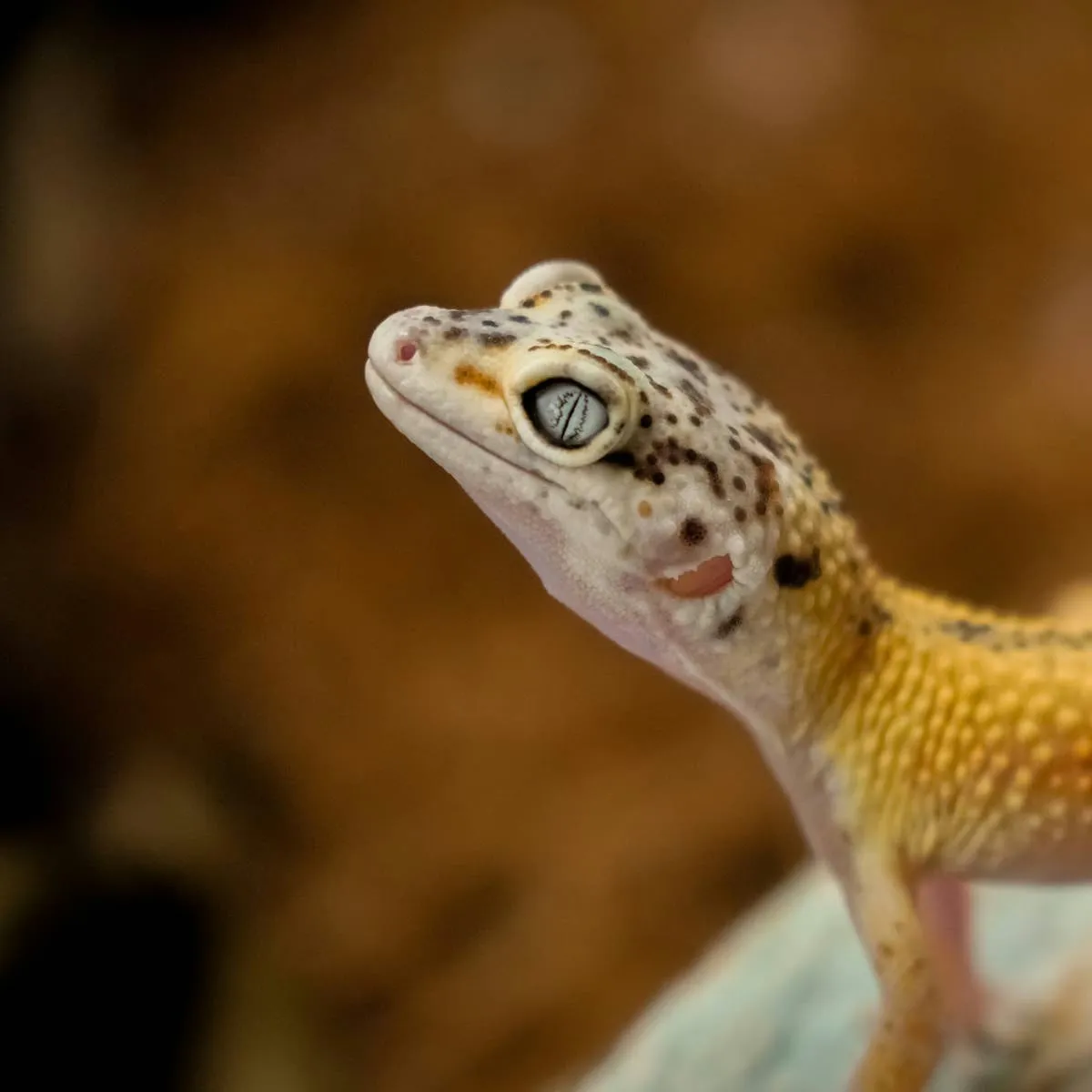
Lindsay wrote in describing a concerning discovery: her lizard had what looked like stubble on its nose when she woke up. After brushing it away, she saw peeling skin underneath. She is uncertain whether the skin will come off during the next shed and wants to know what is happening.
Reasons a Gecko Might Develop a Nose Lesion
While the term "stubble" is not entirely clear, there are a few explanations for why a reptile could wake up with damage to its nose.
Trauma From Rubbing or Hitting the Glass
One possibility is that the gecko has been bumping into or rubbing against the glass of its enclosure. In most cases, an owner would likely have observed this behavior and mentioned it, so it may not apply here.
However, if this behavior has been noticed, enriching the habitat can help. Providing a rock or a piece of wood for the gecko to climb under is one option. Some breeders suggest keeping at least two hides in the enclosure.
Bacterial or Fungal Skin Infection
Another explanation is a skin infection caused by bacteria or fungi. Such infections are frequently seen in reptiles, particularly when the substrate is not kept clean or when humidity levels in the cage are incorrect. (1)
Sand is a popular choice for aquariums because of its appearance, but paper towels are simpler to replace once soiled, and skin infections tend to occur far less often when paper towel bedding is used.
Using Topical Chlorhexidine to Treat Skin Infections
Treating skin infections is generally straightforward with a topical chlorhexidine solution. A 2% solution can be found at a local pharmacy or ordered from Amazon.
Avoid sprays, because treating the nose with one would irritate the gecko's eyes. Instead, apply the solution with an eye dropper, using just enough to cover the sore — one or two drops — twice daily for a period of two to three weeks.
Signs That Your Gecko Needs Veterinary Attention
If the sore shows no improvement, or if it worsens, a different treatment may be necessary, as the cause could be a fungus infection that resists standard treatment. In that situation, the most helpful step is to bring the gecko to a local reptile veterinarian so a skin culture can be performed.
Helping Your Gecko Complete a Shed
The video below focuses on the feet, but the same soaking approach can be used to loosen skin stuck on the nose after a shed. A moist paper towel, as demonstrated, can be used locally rather than soaking the entire body. A cotton swab can then be used to gently rub the tip of the nose if skin remains stuck there following the shed.
If the skin does not adhere to the wound once it has healed, this step can simply be disregarded.
Source
(1) Hellebuyck T, Pasmans F, Haesebrouck F, Martel A. Dermatological diseases in lizards. Vet J. 2012 Jul;193(1):38-45. doi: 10.1016/j.tvjl.2012.02.001. Epub 2012 Mar 12. PMID: 22417690. i.nlm.nih.gov/22417690/
This article is not meant to substitute for diagnosis, prognosis, treatment, prescription, or formal and individualized advice from your veterinarian. Animals exhibiting signs and symptoms of distress should be seen by a veterinarian immediately.
© 2022 Mark dos Anjos, DVM