Feline Stroke: Recognizing the Signs and Seeking Care on a Budget
Charlie Evans
Could My Elderly Cat Be Having a Stroke?
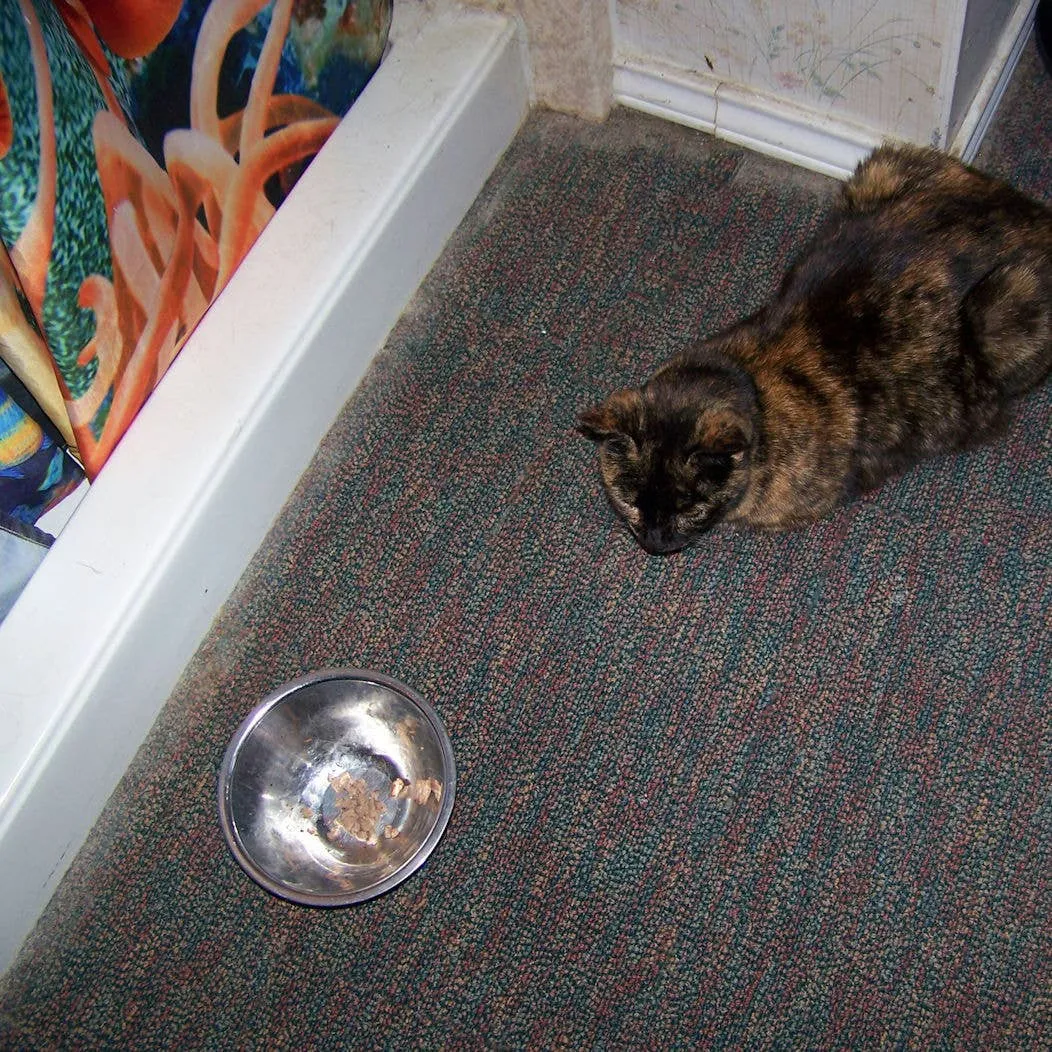
Lela wrote to Dr. Mark with a worrying situation: her 15-year-old cat appeared to have had a stroke. The cat's eyes were equal and responsive, breathing was normal, but she had weakness in her right hind leg. More concerning, the cat did not seem to recognize Lela or her familiar surroundings, and she refused to eat—which was highly unusual for her.
Two days earlier, Lela had found the cat in the yard near the bamboo, a spot where the cats usually go to relieve themselves. The cat seemed to be in pain. Lela suspected a snakebite but saw no bite marks. She brought the cat inside, and the cat has been lethargic since.
By the next morning, the cat was much more alert and even jumped onto the countertop. She remained disoriented but was improving. She was urinating and drinking small amounts of water, yet showed no interest in food—again, very unusual for her.
Lela explained that she cannot afford a vet visit because she knows the bill for diagnosing the problem would include labs, X-rays, and other costly procedures. She hesitated to ask for help but appreciated that Dr. Mark answers questions like hers.
Strokes Are a Real Concern for Older Cats
Yes, strokes can affect senior cats, and there are several reasons why. A primary factor is that older cats may develop high blood pressure linked to other conditions such as kidney disease, hyperthyroidism, and stress. Strokes are also significantly more common in cats with heart disease, diabetes, or liver disease, as well as in those that are obese.
What a Stroke Might Look Like
The signs of a stroke can differ from cat to cat, and based on Lela's description, Dr. Mark was not certain her cat had one. In many cats, however, the following signs appear:
- disorientation
- unequal pupil sizes
- weakness on one side of the body
- head tilt
- circling
- pressing the head against a wall
Vet Care Without Breaking the Bank
Dr. Mark was glad to hear the cat was improving, but he was most concerned about Lela's financial constraints. It is very common for pet owners to come in with a limited budget. He advised that simply bringing the cat in for a physical exam and bloodwork would be the best course of action.
If the exam suggests a stroke, the vet might recommend additional tests such as blood pressure measurement, clotting time, or a cerebrospinal fluid tap. However, it is perfectly normal for owners to decline these. If Lela cannot afford all the tests, she should just say no.
When additional testing is declined, the cat will be treated based on her clinical signs and basic bloodwork results. The vet might find that she is already dehydrated and recommend fluids. If she has kidney disease, diabetes, or an enlarged thyroid, she might be prescribed special medication, but at the very least, she would be placed on a special diet to help meet her caloric needs during this difficult time.
If Lela cannot take the cat for an exam, there are some things she can do at home, but nothing will be as effective as determining the underlying cause of the stroke.
This article is not intended to replace diagnosis, prognosis, treatment, prescription, or personalized advice from your veterinarian. Animals showing signs of distress should be seen by a veterinarian immediately.
© 2022 Mark dos Anjos, DVM