How to Improve Life for Your Indoor Cats: 10 Practical Steps
Charlie Evans
Can Environmental Changes Reduce Fighting Between Cats?
"My cats Rubin and Gavin fight all the time. I heard from someone that I need to enrich their homelife so they learn to get along. What can I do around my house to help my cats stop fighting?" —Mitch
10 Strategies for Bored Indoor Cats
Keeping cats indoors comes with many benefits, but it also means you must adjust their surroundings to support both their physical and mental well-being. Making your home more stimulating might also improve how your cats interact with each other. While not every cat requires an enriched environment, all cats can benefit from the mental engagement that these changes provide.
A variety of modifications—ranging from simple to complex and costly—can enhance your indoor cats' quality of life. Below, I've organized them from the easiest to the most involved.
1. Set Up Multiple Feeding Stations
Competition over food areas is a common trigger for cat fights. If you free-feed dry food—which I don't advise—cats may feel more pressure to compete for that spot.
In homes with more than one cat, it's far better to place bowls or flat plates in several locations around the house. Flat plates also help prevent whisker fatigue.
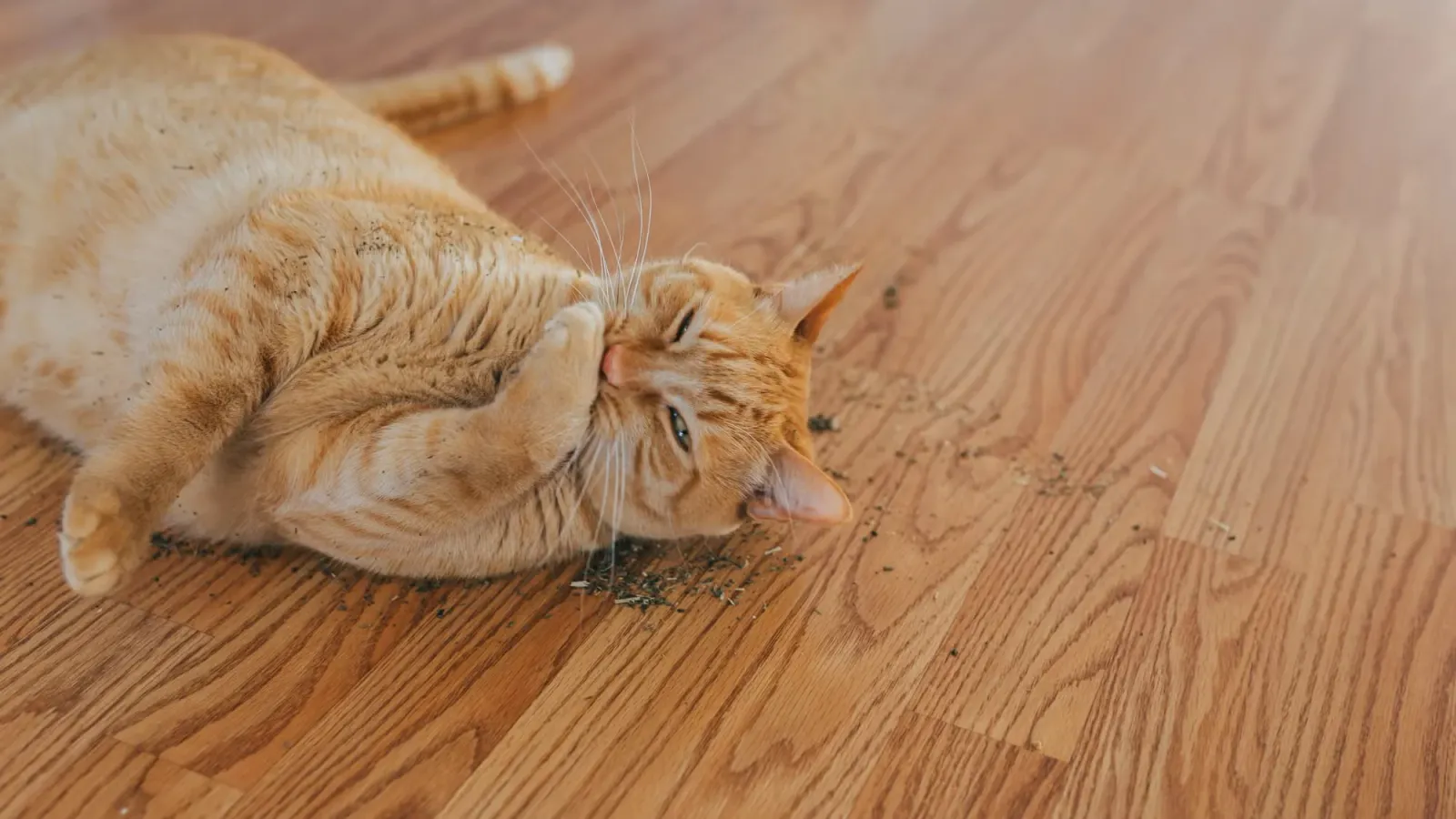
Most cats enjoy catnip!
Canva
2. Try Catnip
Once cats reach about 8 weeks old, roughly 70% of them show interest in catnip's scent. (2) Even cats that ignore other toys or activities may still engage with toys that contain catnip. Several affordable catnip toys can entertain indoor cats for hours. You can also offer a grass planter as another option.
3. Place Multiple Litter Boxes
Cats also compete for litter box access. One of the most effective environmental improvements is to provide several litter boxes in different styles—open, covered, low-sided, high-sided, and so on. (2)
4. Add a Water Fountain
Fresh running water is important for medical reasons, but a fountain also gives cats an alternative drinking spot away from other cats. If one cat drinks too little because of aggression near the water source, you might not notice until a serious issue like kidney disease appears years later. A ceramic fountain looks good in any room and is less likely to cause contact allergies.
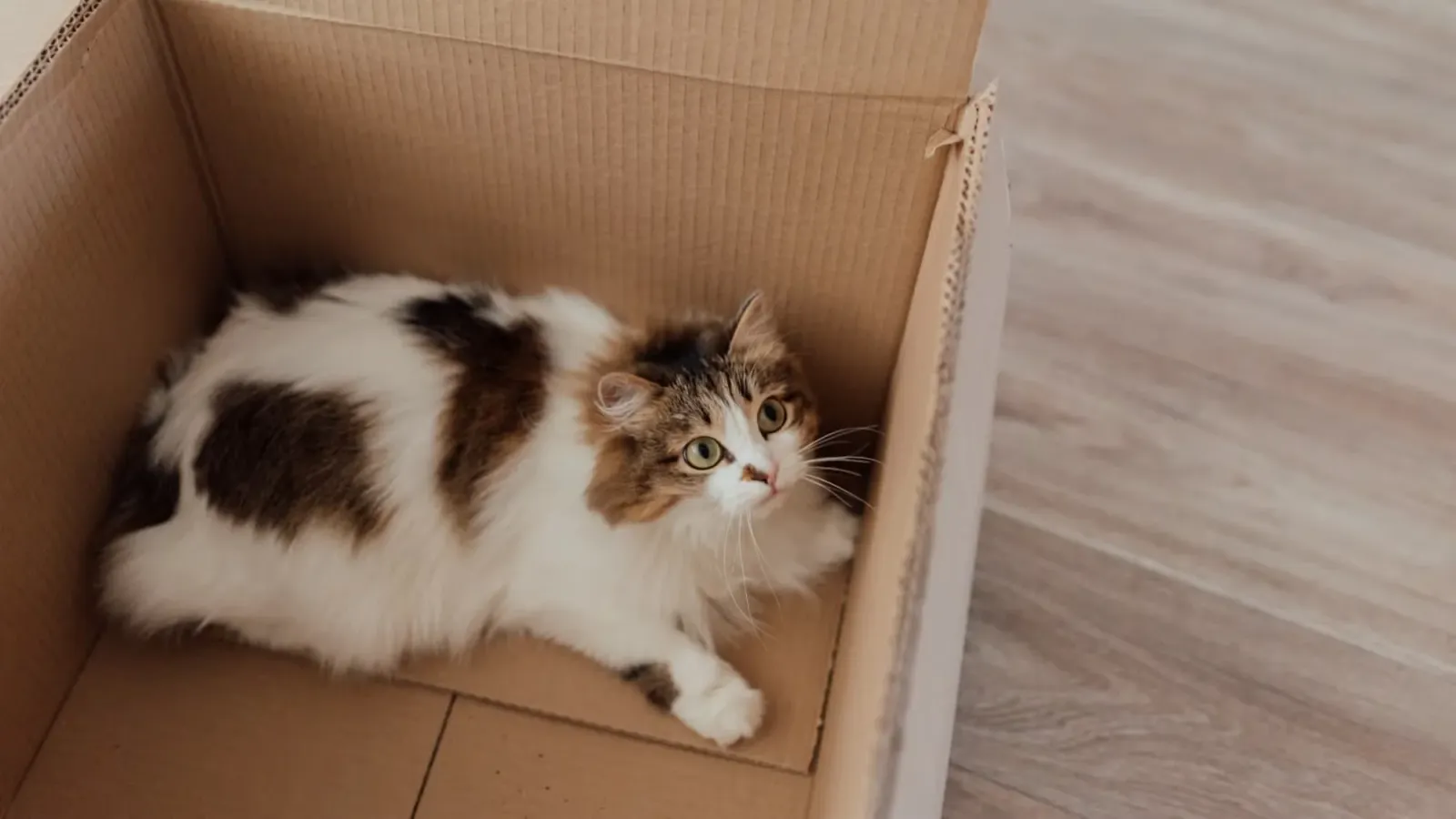
Yes, we all know cats love boxes, but did you know that they can actually help your cat feel safe?
Canva
5. Provide Hide Boxes Throughout the House
In a study of cats in a stressful shelter, those given a hiding box showed fewer behavioral problems than cats without one. (3) These cats were also more likely to approach people when they knew they had a safe retreat.
Strangers visiting the home are a common source of anxiety for cats, and a hide box offers a natural, inexpensive way for your cat to cope with that stress.
6. Rotate Interactive Toys
Various types of hunting toys can keep your cats occupied. They're affordable enough to buy several different ones.
To maintain your cat's interest, keep a supply of hunting and other interactive toys and swap them every week or two so something "new" is always available.
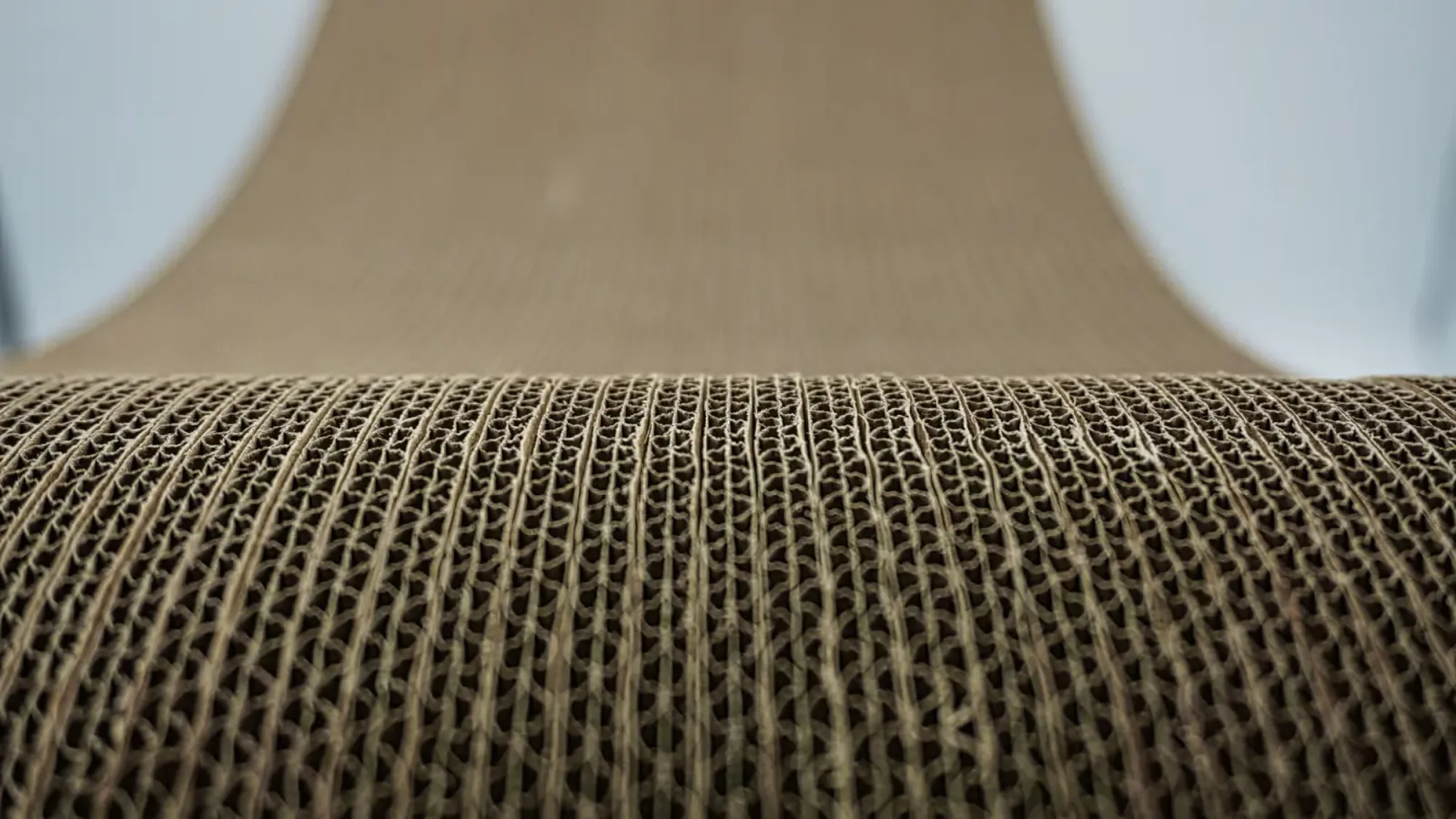
Cardboard scratchers are an inexpensive way to provide stimulation for your cat.
Canva
7. Get Scratching Posts
Research indicates that cats prefer an S-shaped cardboard scratcher over a hemp-covered post, window screen, carpet, or even bubble wrap. (4) If your cats need an outlet for excess energy, this inexpensive option often helps.
8. Try an Exercise Wheel
Picture a large hamster wheel lined with carpet—that's a feline exercise wheel. Tired cats are less likely to seek out fights with other cats in the home, and these wheels can be set up so they require supervision.
According to Waltham research center, about 40% of cats use them daily, for about a minute at a time, alone or with other cats. (2) Some cats find the motion unsettling at first, so if yours don't like it, you can train them to be more comfortable using treats or a toy.
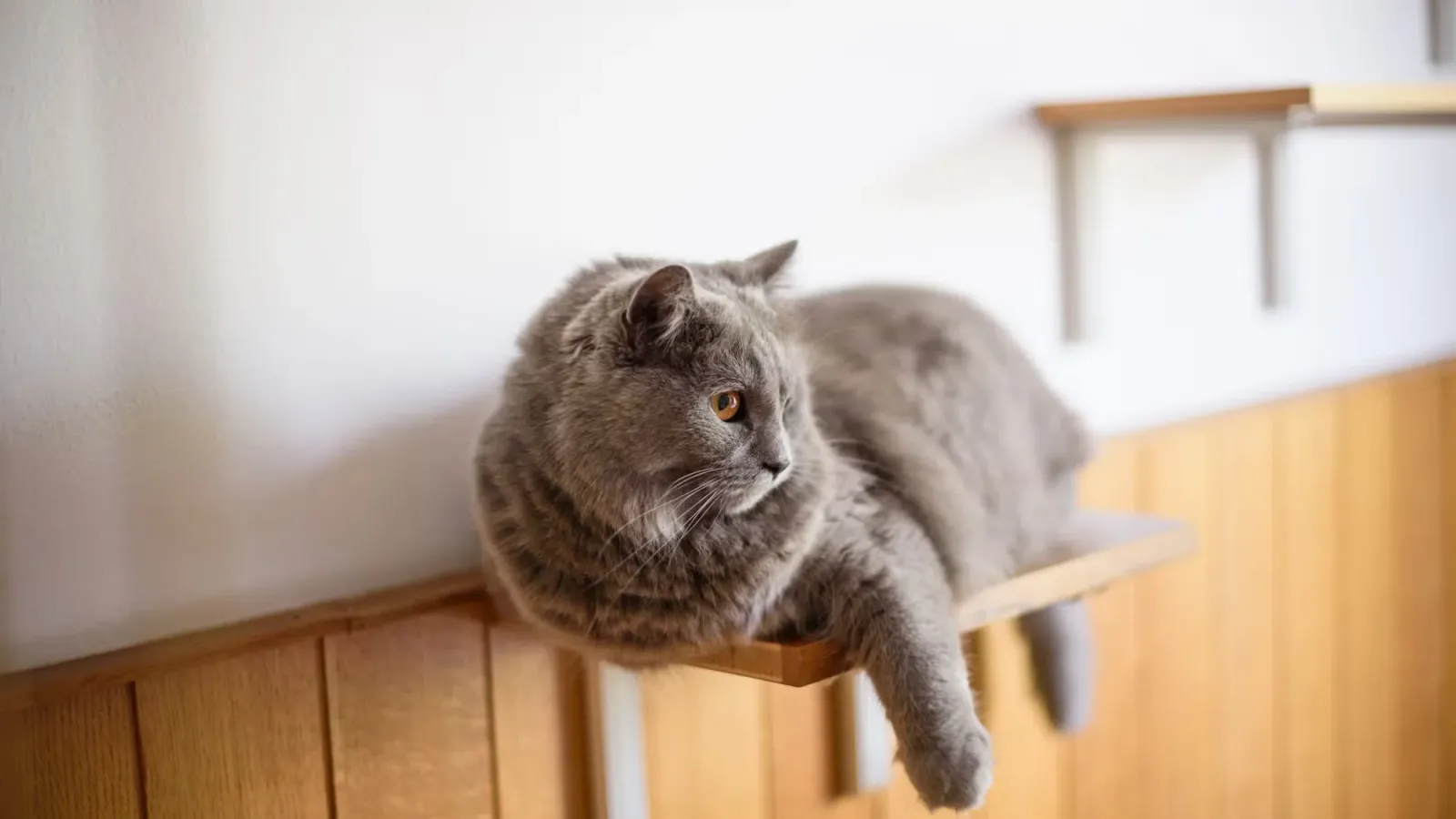
Shelves provide a fun place for your cat to play and relax.
Canva
9. Install Climbing Shelves
Climbing shelves encourage cats to move around day and night. The dominant cat will often claim a spot and guard it rather than controlling the entire structure.
You can buy shelving that matches your decor or build your own from plans available online. Even in a rented apartment, you can install shelves or purchase ones that can be removed later without significant wall damage.
10. Build a Catio
A catio is an enclosed outdoor space where cats can go outside but can't run off, get hurt, or disappear. If there are many feral cats in your area, the catio might be stressful, but in most cases, pets have fewer behavioral problems when they have supervised outdoor access.
Cats with a catio use the litter box more and have fewer skin problems from scratching. (5) Some apartment dwellers convert their balcony for their cat, but there are also good plans available if you have a backyard.
Some Cats Never Learn to Get Along
I can't guarantee that your cats will get along after you try these suggestions and enrich their environment, but it's worth attempting. Some cats, like some people, simply don't like each other and never learn to coexist. There are other strategies to help cats get along, but if none of these work, you may need to consider rehoming one of your pets.
Try the suggestions above first, but if they don't work, leaving the cats together indefinitely isn't a good idea. The more submissive cat might stop using the litter box, develop stress-related illnesses, or even become aggressive toward other pets and people in the home.
Unhappy Cats Often Develop Behavioral Issues
Indoor cats experience stress and have few ways to show unhappiness other than through problem behaviors. Some act out simply from boredom, but whether it's stress or boredom, they may exhibit issues such as:
- aggression toward other cats
- aggression toward people
- urinating outside the litter box
- spraying walls
- scratching furniture
Research shows that cats respond more to interactions with their family than to any other stimulus. (1) Since most of us have to work and don't have round-the-clock time to interact with our pets, feeding a whole food diet and enriching their environment are ways we can compensate for our absence.
References
(1) Vitale Shreve KR, Mehrkam LR, Udell MAR. Social interaction, food, scent or toys? A formal assessment of domestic pet and shelter cat (Felis silvestris catus) preferences. Behav Processes. 2017 Aug;141(Pt 3):322-328. doi: 10.1016/j.beproc.2017.03.016. Epub 2017 Mar 24. PMID: 28343989. i.nlm.nih.gov/28343989/
(2) Desforges E. Challenges and Solutions Surrounding Environmental Enrichment for Dogs and Cats in a Scientific Environment. Animals (Basel). 2021 Oct 15;11(10):2980. doi: 10.3390/ani11102980. PMID: 34679999; PMCID: PMC8532686. i.nlm.nih.gov/pmc/articles/PMC8532686/
(3) Vinke C., Godijn L., van der Leij W. Will a hiding box provide stress reduction for shelter cats? Appl. Anim. Behav. Sci. 2014;160:86–93..sciencedirect.com/science/article/abs/pii/S0168159114002366?via%3Dihub
(4) Zhang L, Plummer R, McGlone J. Preference of kittens for scratchers. J Feline Med Surg. 2019 Aug;21(8):691-699. doi: 10.1177/1098612X18795258. Epub 2018 Aug 28. PMID: 30152710; PMCID: PMC6661717. i.nlm.nih.gov/30152710/
(5) de Assis LS, Mills DS. Introducing a Controlled Outdoor Environment Impacts Positively in Cat Welfare and Owner Concerns: The Use of a New Feline Welfare Assessment Tool. Front Vet Sci. 2021 Jan 11;7:599284. doi: 10.3389/fvets.2020.599284. PMID: 33505999; PMCID: PMC7829302. i.nlm.nih.gov/pmc/articles/PMC7829302/
This article is not meant to substitute for diagnosis, prognosis, treatment, prescription, or formal and individualized advice from your veterinarian. Animals exhibiting signs and symptoms of distress should be seen by a veterinarian immediately.
© 2023 Mark dos Anjos, DVM