Post-Cystotomy Urinary Changes in Dogs: When Should Owners Be Concerned?
Charlie Evans
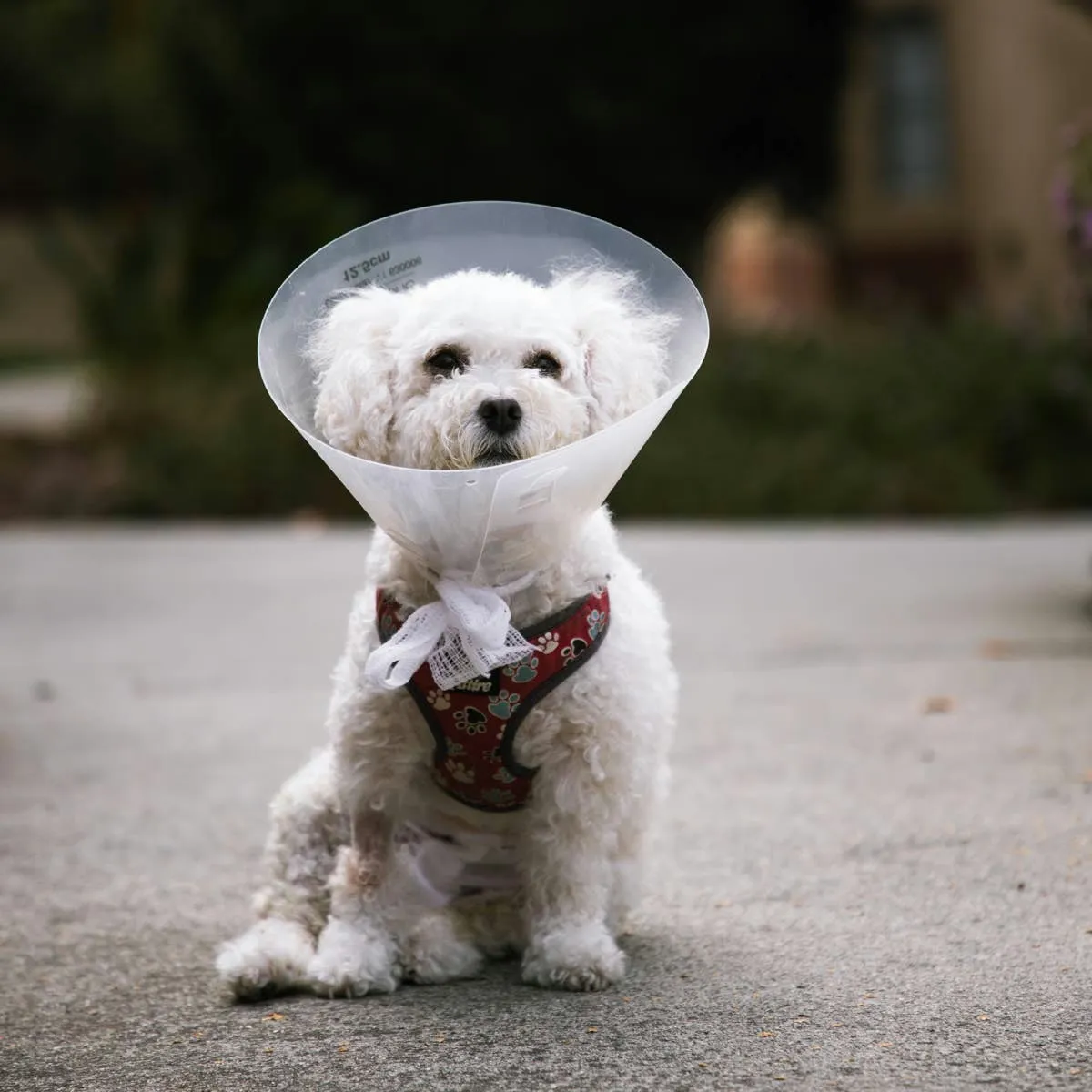
Owner's Concern About a Dog That Stopped Peeing After Bladder Surgery
Velyda wrote in with a question about her Maltipoo, who underwent a cystotomy on Thursday at 18:00. The dog urinated twice overnight, but the last time she went was Friday morning around 11:00. Her water intake has dropped below its usual level. Velyda is staying on top of the pain medication and anti-inflammatory medication, and the dog is eating normally. When taken to her usual bathroom spots, she takes a single step and then sits down. Velyda wants to know whether this warrants worry.
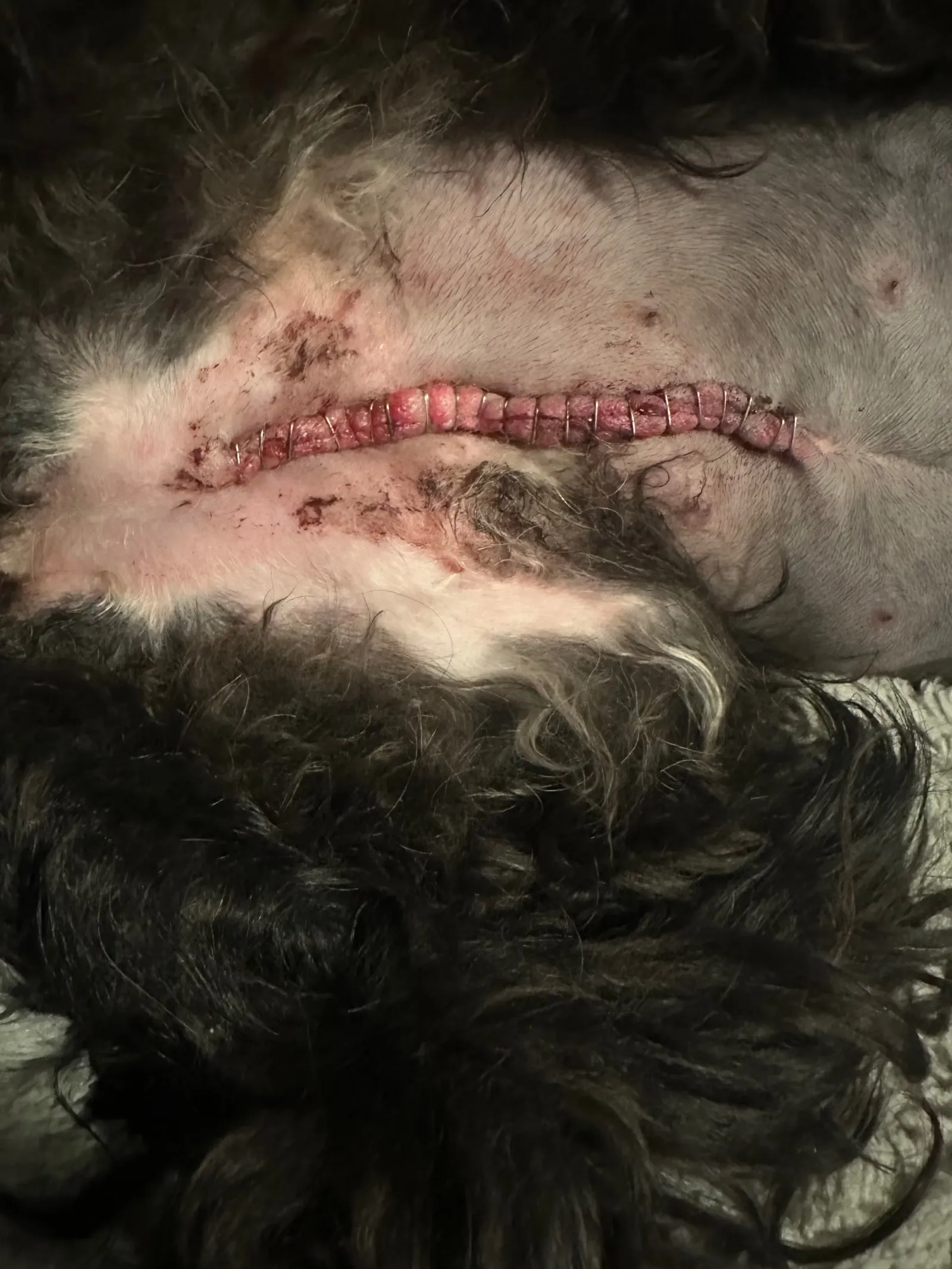
Even if a surgical wound appears to be healing well, there may be other issues preventing your dog from urinating normally.
Possible Explanations for Reduced Urination After Surgery
A dog's urine output can drop after an operation for a range of reasons, and some of them are more serious than others. Below are the ones seen most often, along with suggested responses.
Acute Kidney Failure
Of all the possibilities, this one is generally the most alarming. The duration of anesthesia during the dog's procedure is unknown in this case, but blood pressure has the potential to drop while an animal is under, and when that happens the kidneys may stop making sufficient urine. (1)
That said, because the dog urinated twice after returning home, acute kidney failure is likely not the explanation here, since fluids are typically given during surgery to maintain blood pressure.
Anti-Inflammatory Medications
Medication is another factor that can come into play. Velyda did not specify which anti-inflammatory drug the Maltipoo is receiving, and certain drugs in this category are associated with a reduction in urine production. (2)
Dehydration
It is also within the realm of possibility that the dog is simply not producing much urine because she is not drinking enough. Several approaches can help increase her fluid intake:
- Place ice cubes in her water bowl.
- Keep fresh water available at all times by using a water fountain. (Some dogs will not drink from a bowl, which is why they look for water elsewhere.)
- Mix chicken broth or another type of soup into the water (making sure there are no onions or garlic).
- Use a syringe to give small quantities of water. (Do not force the water down her throat. It is less stressful for her if you just drip the water into that little pocket at the side of her mouth and do not give more until she swallows.)
- Return to the veterinarian for subcutaneous fluids. (This probably will not be needed unless she becomes very dehydrated.)
Pain When Squatting
The explanation considered most likely is that the dog's bladder is full, but the pain she is experiencing keeps her from squatting to empty it. She has been through significant trauma, and the current pain medication may not be providing enough relief.
Blood Testing at the Veterinarian's Office
A blood test at the regular veterinarian is the only way to rule out a kidney-related cause for the lack of urine production, since it allows monitoring for changes. The visit would begin with a physical exam, and if the bladder turns out to be full, a catheter would be placed to drain it before it leads to further health problems.
Should the bladder be small while kidney function remains normal, the drinking tips above can be used to raise her fluid intake and urine output. If kidney problems do turn up after surgery, prompt treatment can resolve them. Left unaddressed, they can progress to chronic kidney failure, which does not resolve on its own.
Sources
(1) Stone EA, Rawlings CA, Finco DR, Crowell WA. Renal function after prolonged hypotensive anesthesia and surgery in dogs with reduced renal mass. Am J Vet Res. 1981 Oct;42(10):1675-80. i.nlm.nih.gov/7325427/
(2) Hörl WH. Nonsteroidal Anti-Inflammatory Drugs and the Kidney. Pharmaceuticals (Basel). 2010 Jul 21;3(7):2291-2321. i.nlm.nih.gov/pmc/articles/PMC4036662/
This article is not meant to substitute for diagnosis, prognosis, treatment, prescription, or formal and individualized advice from your veterinarian. Animals exhibiting signs and symptoms of distress should be seen by a veterinarian immediately.
© 2022 Mark dos Anjos, DVM