Determining Whether Your Dog Will Require a Cesarean Section
Charlie Mitchell
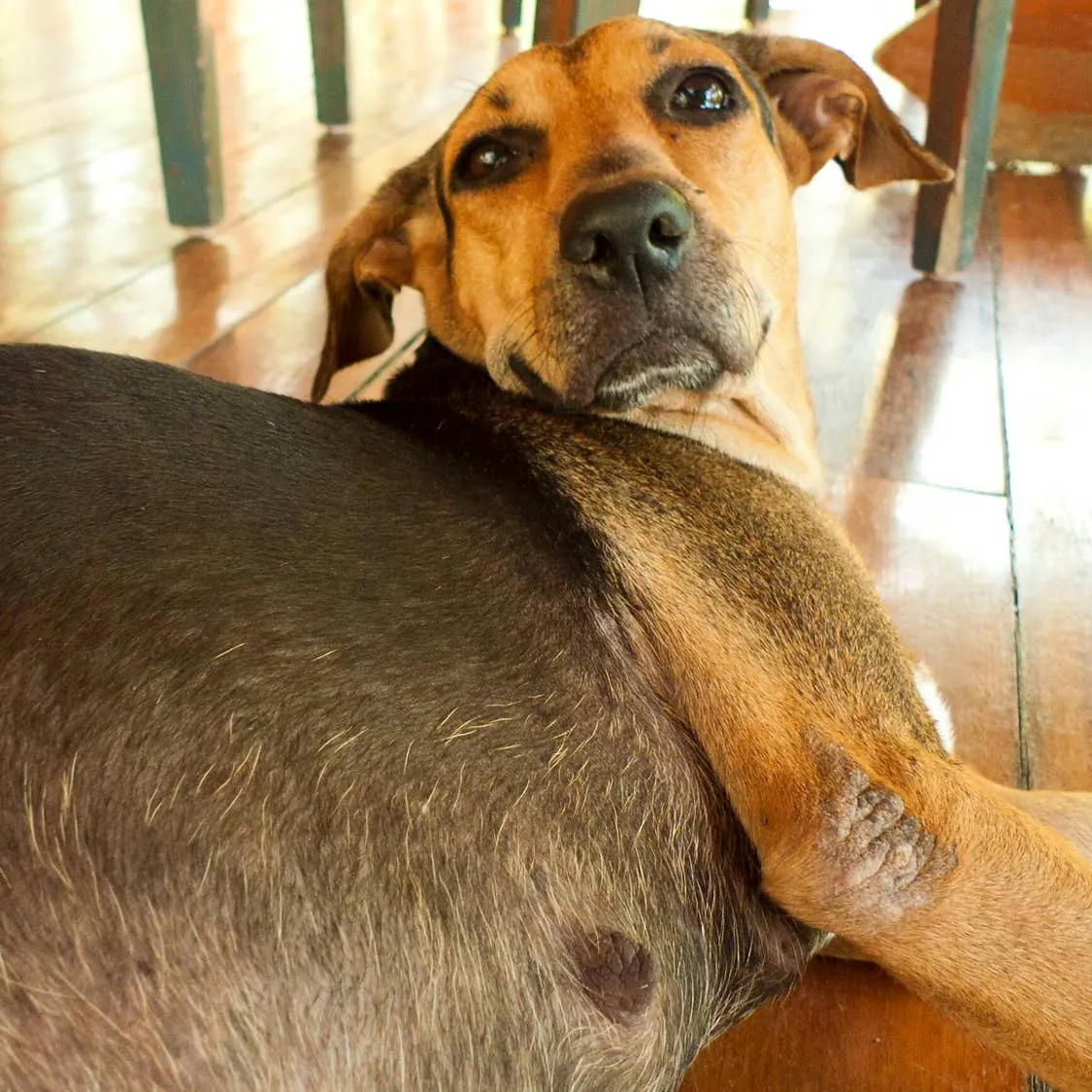
“How can I tell if my dog will need a cesarean? She's 58 days pregnant and hasn't gone into labor.”—Vion
Assessing the Need for a Cesarean in Dogs
To determine whether a dog can deliver naturally, imaging via x-ray or ultrasound is required to evaluate the size of the puppies.
An ultrasound, as demonstrated in this video, provides a more accurate estimated due date than simply counting days from mating. While it might not pinpoint an exact date, it reveals how the puppies are growing and whether they might be too large to pass through the birth canal.
Typical Gestation Length in Dogs
It's not unusual for a dog to show no signs of labor at 58 days. Gestation can extend to about 65 days, with 58 days being the minimum. There have been rare instances of dogs going up to 72 days, but such delays are atypical and warrant concern.
Ultrasound Examination Advised
Schedule an ultrasound and veterinary exam without delay. If you don't have an established relationship with a vet, they may not be able to see your dog promptly or be available when she goes into labor. In that case, you'll need to locate an emergency clinic.
If labor doesn't start soon and the puppies' size is unknown, this should be treated as an emergency, because if the cervix fails to dilate sufficiently for natural birth, the dog could die from hemorrhage.
Uterine inertia—where the uterus becomes exhausted from carrying too many puppies and stops functioning normally—is another potential cause of death during whelping (1). Therefore, counting the puppies during the ultrasound is crucial.
Certain Breeds Are More Prone to C-Sections
Luckily, your dog doesn't belong to the breeds that typically require a C-section, so this may not be a concern. The breeds most commonly affected are the bulldog types (2). In one study, 80% of English bulldogs and French bulldogs needed a C-section, but Pitbulls were not even listed (3). Even mastiff breeds, many with large heads, usually whelp without issues, but an ultrasound to check puppy size before labor is still recommended.
Wishing you the best! I hope everything goes smoothly in the coming weeks. If you need guidance on feeding or caring for the puppies, just let us know.
References
- Uchańska O, Ochota M, Eberhardt M, Niżański W. Dead or Alive? A Review of Perinatal Factors That Determine Canine Neonatal Viability. Animals (Basel). 2022 May 30;12(11):1402. doi: 10.3390/ani12111402. PMID: 35681866; PMCID: PMC9179255. i.nlm.nih.gov/pmc/articles/PMC9179255/
- Conze T, Büttner K, Wehrend A. Parameters in Canines After Cesarean Sections. Front Vet Sci. 2022 Jun 16;9:886691. doi: 10.3389/fvets.2022.886691. PMID: 35782574; PMCID: PMC9244354. i.nlm.nih.gov/pmc/articles/PMC9244354/
- Evans KM, Adams VJ. Proportion of litters of purebred dogs born by caesarean section. J Small Anim Pract. 2010 Feb;51(2):113-8. doi: 10.1111/j.1748-5827.2009.00902.x. PMID: 20136998. i.nlm.nih.gov/20136998/
Frequently Asked Questions
How long is a dog pregnant after mating?
This varies but is usually between 58 to 63 days. A dog can actually give birth up to 72 days after breeding.
How long is a dog pregnant after ovulation?
Research indicates that dogs are typically pregnant for 65 days after ovulation.
When do pregnancy signs appear in dogs?
Most dogs show a swollen abdomen around 40 days after mating.
Can pregnancy be detected before physical signs appear?
Yes, a hormone test can be performed as early as three weeks after breeding.
When does a dog's temperature drop before labor?
About 24 hours before giving birth, a dog's body temperature drops. At this time, most dogs also seek out a nest or quiet spot for whelping.
This article is not meant to substitute for diagnosis, prognosis, treatment, prescription, or formal and individualized advice from your veterinarian. Animals exhibiting signs and symptoms of distress should be seen by a veterinarian immediately.
© 2024 Mark dos Anjos, DVM