Understanding Why Cytopoint Can Lose Effectiveness in Dogs
Charlie Mitchell

When Cytopoint Stops Providing Relief
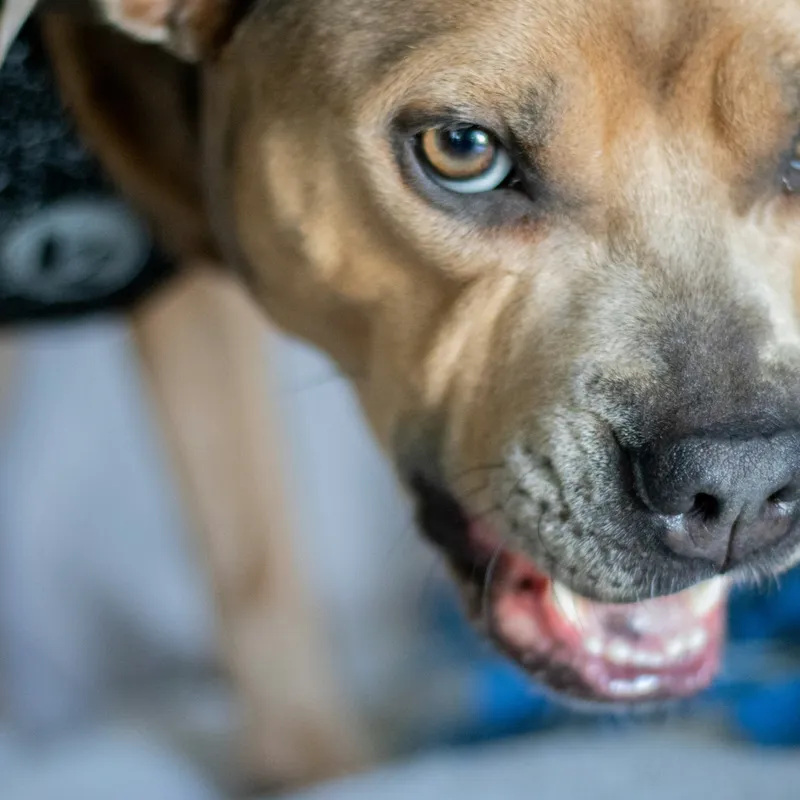
A dog owner recently shared that her Dogue de Bordeaux had a yeasty allergic reaction and was switched to Royal Canin HP, a special diet. They identified chicken as a trigger and moved him to beef, which seemed to help. He was also receiving Cytopoint injections.
But the yeasty odor returned, and the dog seemed miserable. A Cytopoint shot given nearly two weeks earlier didn't improve things. The owner asked what common allergens might be responsible and mentioned that allergy testing is very expensive.
Reasons Cytopoint May Stop Working
Cytopoint is effective in about 87% of dogs when first used (1), but response rates can decline with ongoing treatment. If your dog no longer benefits from the injection, several factors could be at play:
- Antibodies against the protein in Cytopoint: The dog's immune system may produce antibodies that destroy the injected protein quickly. In humans, about 20% of patients stop responding to Dupixent, the equivalent drug, for this reason (2).
- Higher allergen levels: If more allergens are present than when Cytopoint was working—such as pollen during allergy season—the injection may not be enough to control itching, especially if the dog has multiple allergies.
- Non-allergic causes of itching: Conditions like hypothyroidism or hyperadrenocorticism (Cushing's disease) can cause itching that doesn't respond to Cytopoint. A hormonal issue that worsens over time may require different treatment.
If Cytopoint is no longer effective, some owners find their dogs improve with Apoquel, an immunosuppressant prescribed by veterinarians. Natural remedies like raw honey may provide comfort, but they are not cures. The only potential cure is allergy testing and immunotherapy, though allergy shots work in less than 60% of cases (3).
Frequent Food Allergens in Dogs
The most common food allergens for dogs include:
- dairy
- beef
- chicken
- eggs
- soy
- wheat gluten
Royal Canin HP contains chicken fat, so it's worth questioning how the dog's allergies were diagnosed. If an elimination diet wasn't done, that's the best way to confirm a food allergy.
Other Common Allergens
Food allergies are less common than other types. Environmental allergens that cause itching and secondary infections include:
- pollens
- molds
- dust mites
- food mites
- grass
- tree pollens
Is Allergy Testing Necessary?
Many possibilities exist, especially for year-round itching. The key question is whether you can manage your dog without identifying the exact allergen. Often, you can. Allergy skin tests are expensive and may not always provide useful information.
Managing Itching Without Identifying Allergens
Topical therapy alone might keep your dog comfortable, but it won't eliminate itching entirely. You may need frequent medicated baths and possibly antihistamines for severe discomfort. For budget-friendly care, bathing and yeast treatment are recommended.
Yeast Infections vs. Deep Pyoderma
However, the problem might not be a yeast infection but deep pyoderma. Deep pyoderma has a different odor—like rotten meat rather than sourdough bread—and requires topical therapy and sometimes antibiotics.
A musty, corn-chip smell likely indicates yeast and may respond to therapy. A foul, rotting-meat odor suggests deep pyoderma, which needs different treatment. Deep pyoderma isn't an emergency but should be addressed promptly because it can become systemic and life-threatening. If you suspect deep pyoderma, your dog will need oral antibiotics (4) and a veterinary visit.
References
(1) Gober M, Hillier A, Vasquez-Hidalgo MA, Amodie D, Mellencamp MA. Use of Cytopoint in the Allergic Dog. Front Vet Sci. 2022 Jul 19;9:909776. doi: 10.3389/fvets.2022.909776. PMID: 35928119; PMCID: PMC9343842. i.nlm.nih.gov/pmc/articles/PMC9343842/
(2) Leung DYM, Ong PY. Dupilumab nonresponders in atopic dermatitis. Ann Allergy Asthma Immunol. 2022 Sep;129(3):267-268. doi: 10.1016/j.anai.2022.05.029. PMID: 35988971. i.nlm.nih.gov/35988971/
(3) Fennis EEM, van Damme CMM, Schlotter YM, Sinke JD, Leistra MHG, Bartels RT, Broere F. Efficacy of subcutaneous allergen immunotherapy in atopic dogs: A retrospective study of 664 cases. Vet Dermatol. 2022 Aug;33(4):321-e75. doi: 10.1111/vde.13075. Epub 2022 May 30. PMID: 35635279; PMCID: PMC9544551. i.nlm.nih.gov/pmc/articles/PMC9544551/
(4) Beco L, Guaguère E, Lorente Méndez C, Noli C, Nuttall T, Vroom M. Suggested guidelines for using systemic antimicrobials in bacterial skin infections: part 2– antimicrobial choice, treatment regimens and compliance. Vet Rec. 2013 Feb 9;172(6):156-60. doi: 10.1136/vr.101070. PMID: 23292948; PMCID: PMC3582090. i.ncbi.nlm.nih.gov/pmc/articles/PMC3582090/
This article is not meant to substitute for diagnosis, prognosis, treatment, prescription, or formal and individualized advice from your veterinarian. Animals exhibiting signs and symptoms of distress should be seen by a veterinarian immediately.
© 2023 Mark dos Anjos, DVM