Ideal Chicken Breeds for a Small Home Flock: Seven Top Picks
Toby Howard
Selecting Chickens for a Small Home Flock
Commercial egg operations focus almost entirely on how many eggs a hen can produce and how uniform those eggs are in color. Backyard keepers, by contrast, have a broader set of priorities when assembling a small group of birds. Typically, these chickens live in small flocks and serve as a source of eggs for a household.
Key Traits to Consider
- Docile temperament
- Strong egg-laying ability
- Not prone to flying off
- Tolerance of heat and/or cold
Some keepers also choose hens to help preserve heritage breeds or to get eggs in unusual colors.
Seven Top Breeds for the Backyard
- Barred Plymouth Rock
- Buff Orpington
- Silver Gray Dorking
- Wyandottes
- Easter Eggers
- Black Australorps
- Marans
Detailed descriptions of each breed follow.
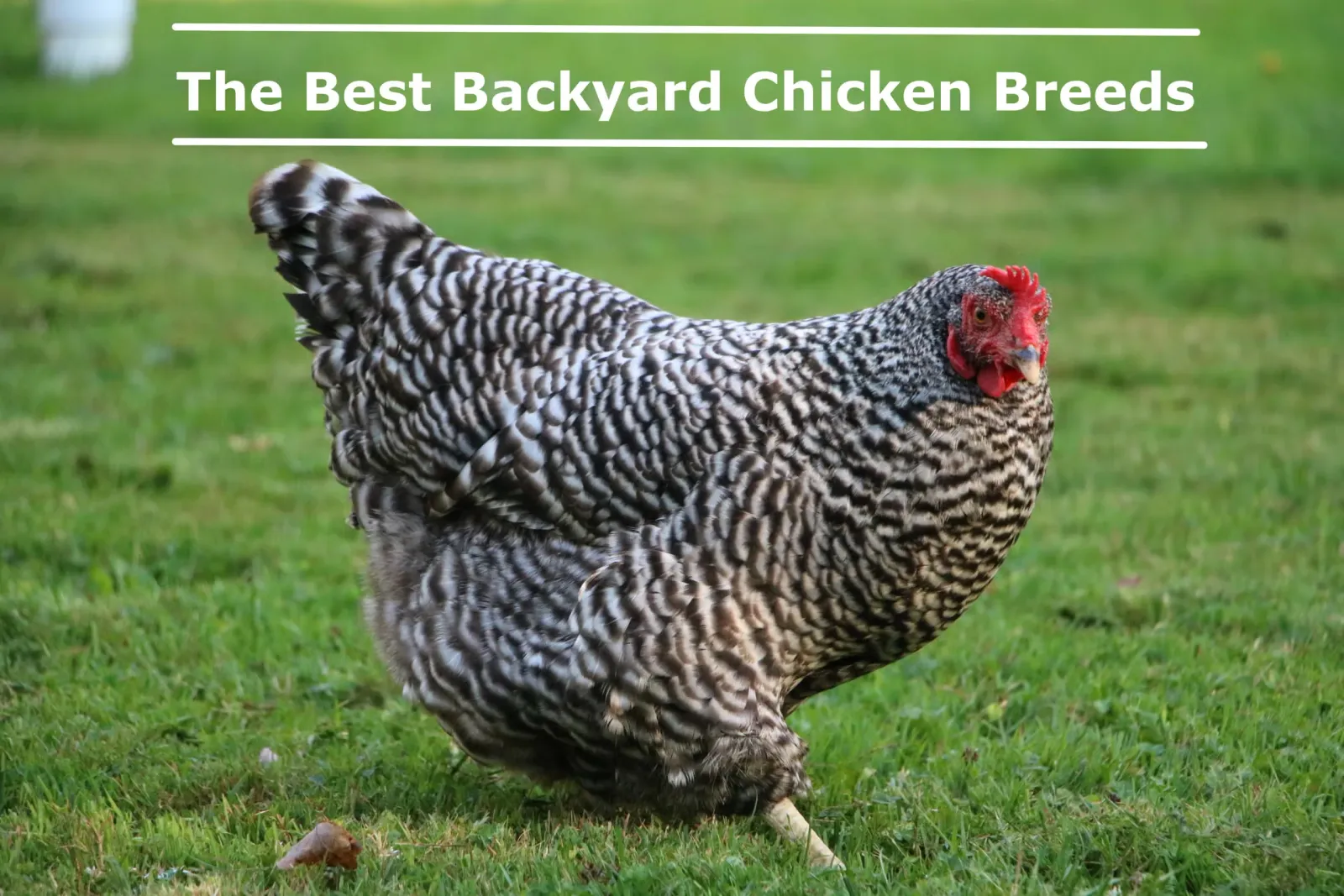
Here are some wonderful breeds to consider for your backyard flock.
Leah Lefler, 2018
1. Barred Plymouth Rock
A heritage breed first shown in 1849, the Barred Plymouth Rock is a strong producer of large brown eggs. Hens have black-and-white barred feathers and a single comb. This is a dual-purpose bird, suitable for both meat and egg production.
Personality: These chickens handle cold well and are very friendly toward people. They are not flighty and adapt well to backyard conditions. They also tend not to be overly aggressive toward other chickens—a useful trait when keeping a small number of hens.
Egg Laying: Expect 200–280 eggs per year. Hens typically begin laying between 16 and 20 weeks of age. Like most hens, production drops during winter. For keepers who want steadier output, artificial lighting in winter can help maintain laying rates.
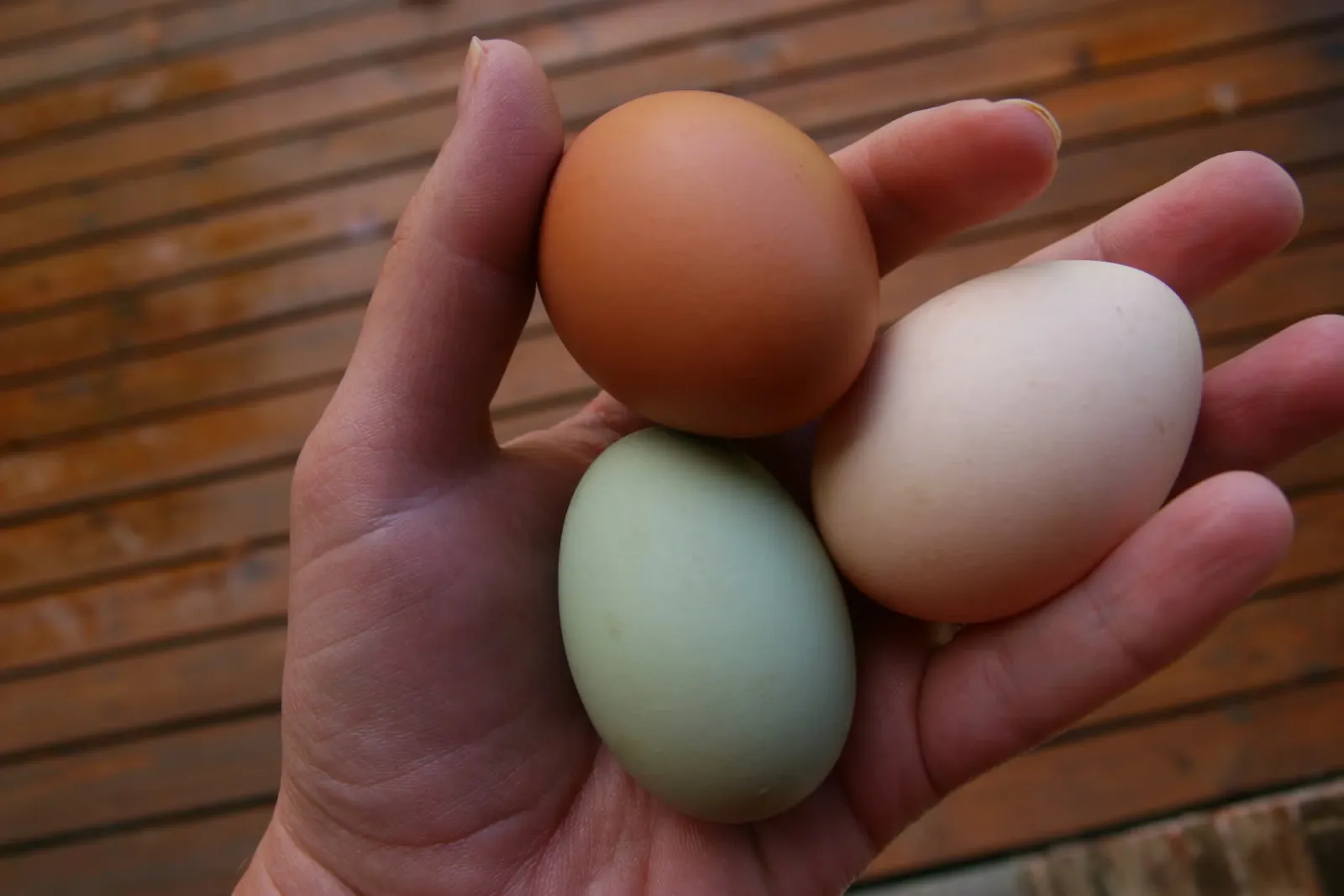
A flock may be selected to produce unusual egg colors. The blue egg is from an Easter Egger chicken, the dark brown egg is from a Barred Rock, and the light brown egg is from a Buff Orpington.
©leahlefler, all rights reserved.
2. Buff Orpington
Originating in Britain, the Buff Orpington is among the best choices for a family flock. It is very friendly and docile, and it lays large light brown eggs. These birds are exceptionally cold-hardy but may struggle in very hot climates. Another dual-purpose breed, these hens are quite large, reaching 7–8 pounds (3.2–3.6 kg) at maturity.
Personality: “Big Buffs” often go broody, which some backyard owners find annoying. However, they make excellent mothers, and broodiness can be an advantage when new chicks are ordered, since a broody hen will raise them as her own.
Egg Laying: Buff Orpingtons usually start laying at about 20–24 weeks of age. Watch for signs that laying is near: squatting, the “egg song,” and reddening of the comb and wattles. This breed lays 200–280 eggs per year.
3. Silver Gray Dorking
These hens came to Britain from the Roman Empire and have five toes on short legs.
Personality: An endangered, old breed, the Silver Gray Dorking is known for being extremely friendly. Like Buff Orpingtons, Dorkings tend to go broody. They stay close to home but enjoy roosting in trees—a notable feat for a chicken with short legs. They are so docile that more aggressive breeds may peck and injure them.
Egg Laying: Dorkings lay medium-sized cream-colored eggs. They are good layers, averaging about 175 eggs per year. They are a dual-purpose bird.
4. Wyandottes
Wyandottes come in many colors and patterns. Silver Laced Wyandottes are the most commonly seen, but Columbian, Penciled, and Blue-Laced-Red varieties also occur. These dual-purpose hens have a rose comb. They are cold-hardy and large (7–8 pounds).
Personality: Their temperaments vary—some hens are friendly and get along with flock-mates. Others may become dominant and aggressive toward other hens. Most Wyandottes are fairly easy-going and should mix well with most backyard flocks.
Egg Laying: Wyandottes lay approximately 275 large brown eggs per year.
5. Easter Eggers
Although not a heritage breed, Easter Eggers are a fun addition to a backyard flock. They are not pure-bred chickens. They are a mixed breed, generally bred to produce colorful eggs. These chickens often have a beard and a muff, traits from the pure-bred Araucana chickens used in breeding.
Personality: Easter Eggers tend to be friendly and curious, and are easy to tame.
Egg Laying: Depending on the hatchery or breeder, Easter Eggers may be bred to lay green, blue, or “pink” (light tan) eggs. Most hatcheries and breeders sell blue- or green-laying Easter Eggers. The eggs are beautiful and unique. Egg color can also be a selling point for those who wish to sell eggs from their hens. They lay approximately 200 extra-large eggs per year.
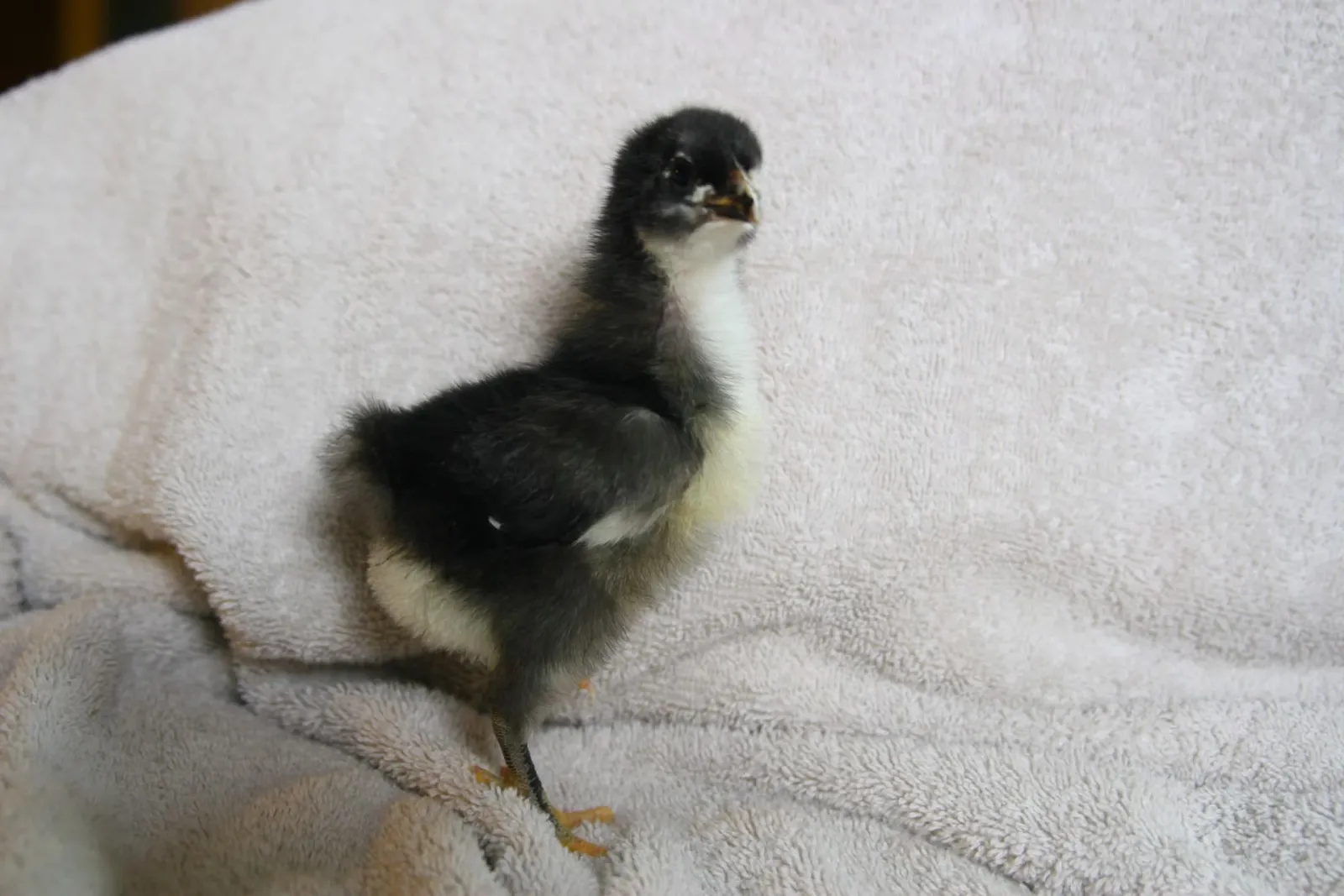
A one-week-old Australorp chick from our backyard flock
©leahlefler, all rights reserved.
6. Black Australorps
This Australian breed was developed from Black Orpingtons and is another dual-purpose chicken.
These hens have black feathers with a green iridescence in sunlight. They are large birds, weighing 5–7 pounds at maturity. They mature quickly and begin laying at about 16 weeks of age.
While adult hens are entirely black, chicks hatch with black and white down. Some early feathering may include white feathers, which fall out at the first molt.
Egg Laying: An Australorp set the egg-laying record, laying 364 eggs in 365 days. While this feat hasn’t been repeated recently, these hens are excellent producers of large light brown eggs.
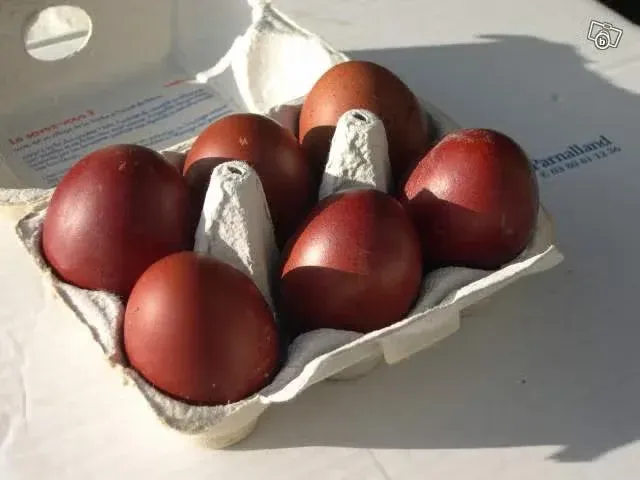
Maran hens lay extremely dark brown eggs—these appear to be chocolate!
By Abrahami (Own work) [CC-BY-SA-3.0], via Wikimedia Commons
7. Marans
Due to an import ban, the genetic stock of this breed suffers from a lack of diversity in the United States. This is a rare breed.
These chickens are cold-hardy and calm. They are one of the rarest chicken breeds in the United States, though they are common in France. Most Marans have feathered legs, though clean-legged varieties are available. The French Poultry Standard states Marans should have feathered legs.
Egg Laying: Maran eggs are highly sought after because they are often so dark they appear chocolate-colored. Some Marans lay darker eggs than others, with the Black Copper Maran laying extremely dark brown eggs. Mature hens weigh 5–6 pounds and lay over 200 dark chocolate brown eggs per year. For the darkest eggs, seek out a breeder working to improve the breed’s egg color.
Chicken Characteristics
| Breed | Hardiness | Egg Production | Egg Color | Egg Size |
|---|---|---|---|---|
| Barred Rock |
|
Cold Hardy
|
Very Good
|
Brown
|
Large
| |
Buff Orpington
|
Cold Hardy
|
Very Good
|
Tan
|
Large
| |
Gray Dorking
|
Cold Hardy
|
Good
|
Cream
|
Medium
| |
Wyandottes
|
Cold Hardy
|
Very Good
|
Brown
|
Large
| |
Easter Eggers
|
Cold Hardy
|
Very Good
|
Variable (Blue, Green, or Pink)
|
Extra Large
| |
Australorps
|
Cold Hardy
|
Excellent
|
Brown
|
Large
| |
Marans
|
Cold Hardy
|
Very Good
|
Dark Chocolate Brown
|
Large
|
Featured Gallery
1 / 1
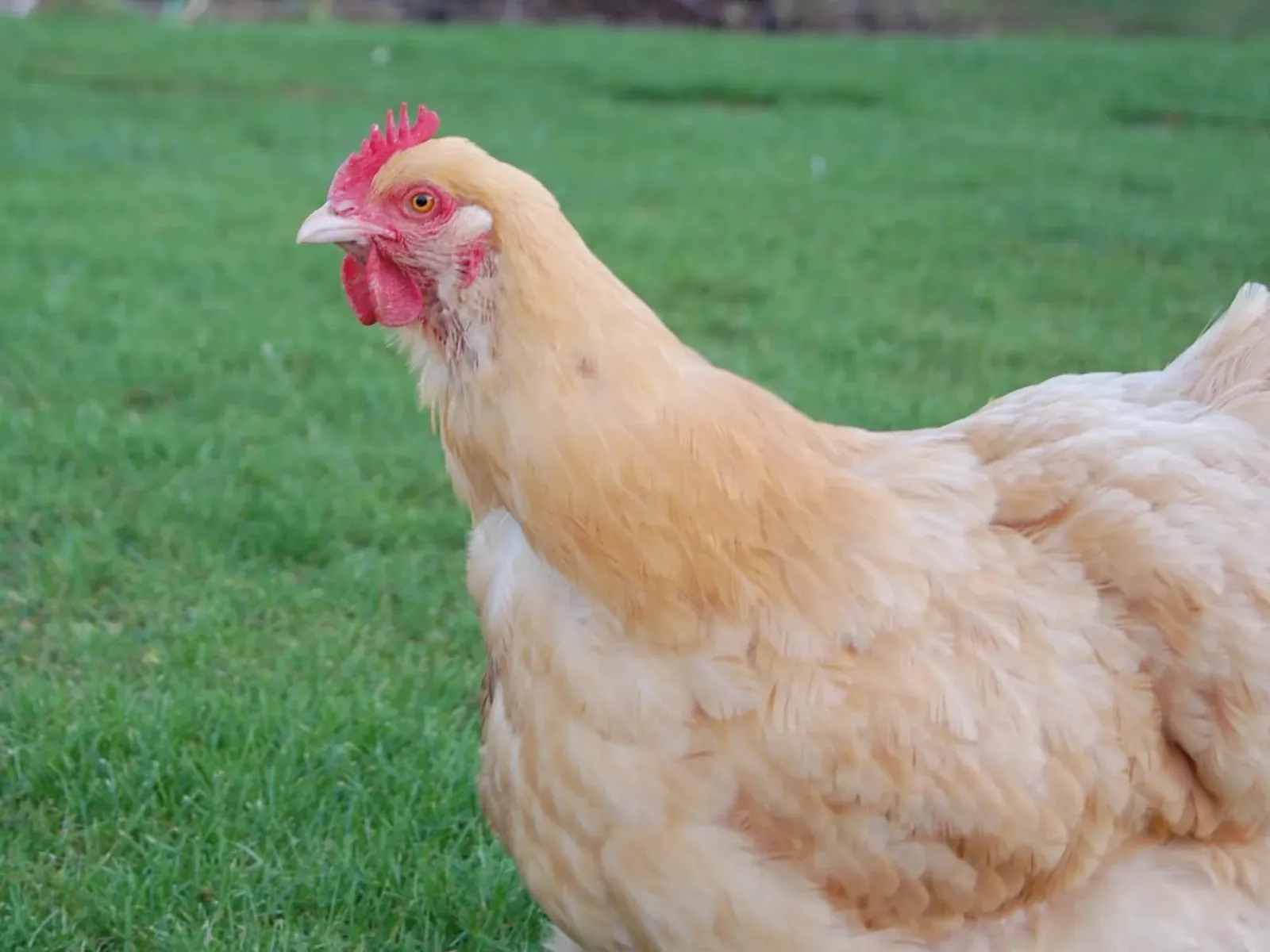
_A Buff Orpington hen
By Smudger94 (Own work) [GFDL, CC-BY-SA-3.0 or FAL], via Wikimedia Commons_
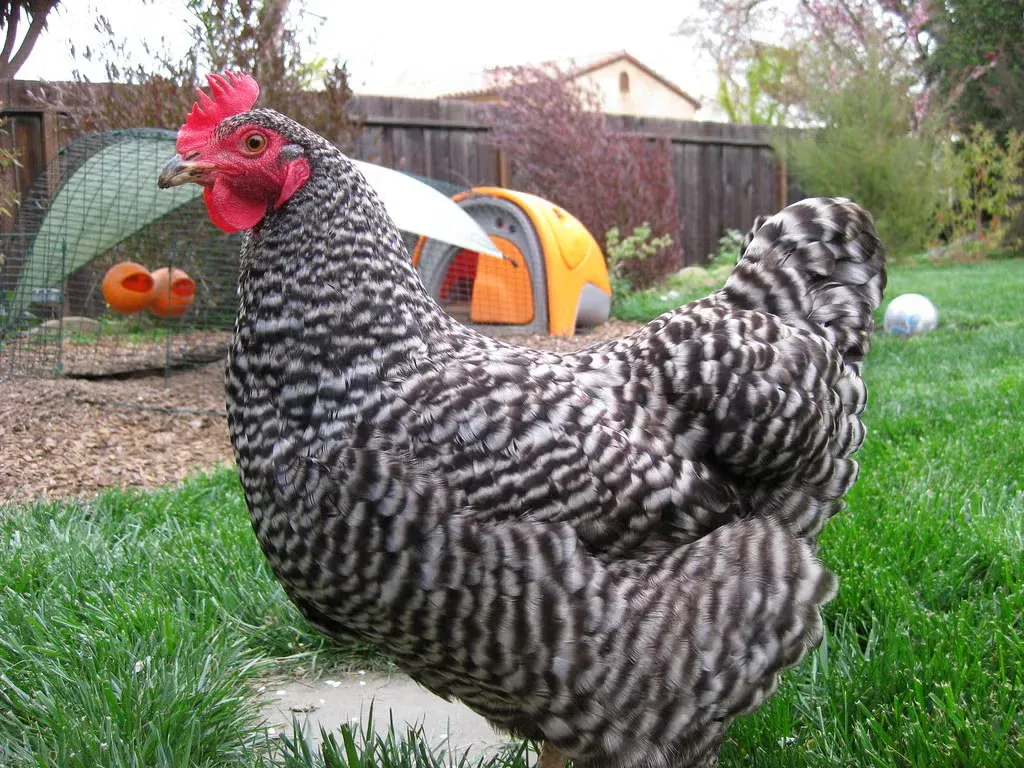
_A Barred Rock hen as part of a backyard flock
By Thomas Kriese (ZsuZsu in the grass) [CC-BY-2.0], via Wikimedia Commons_
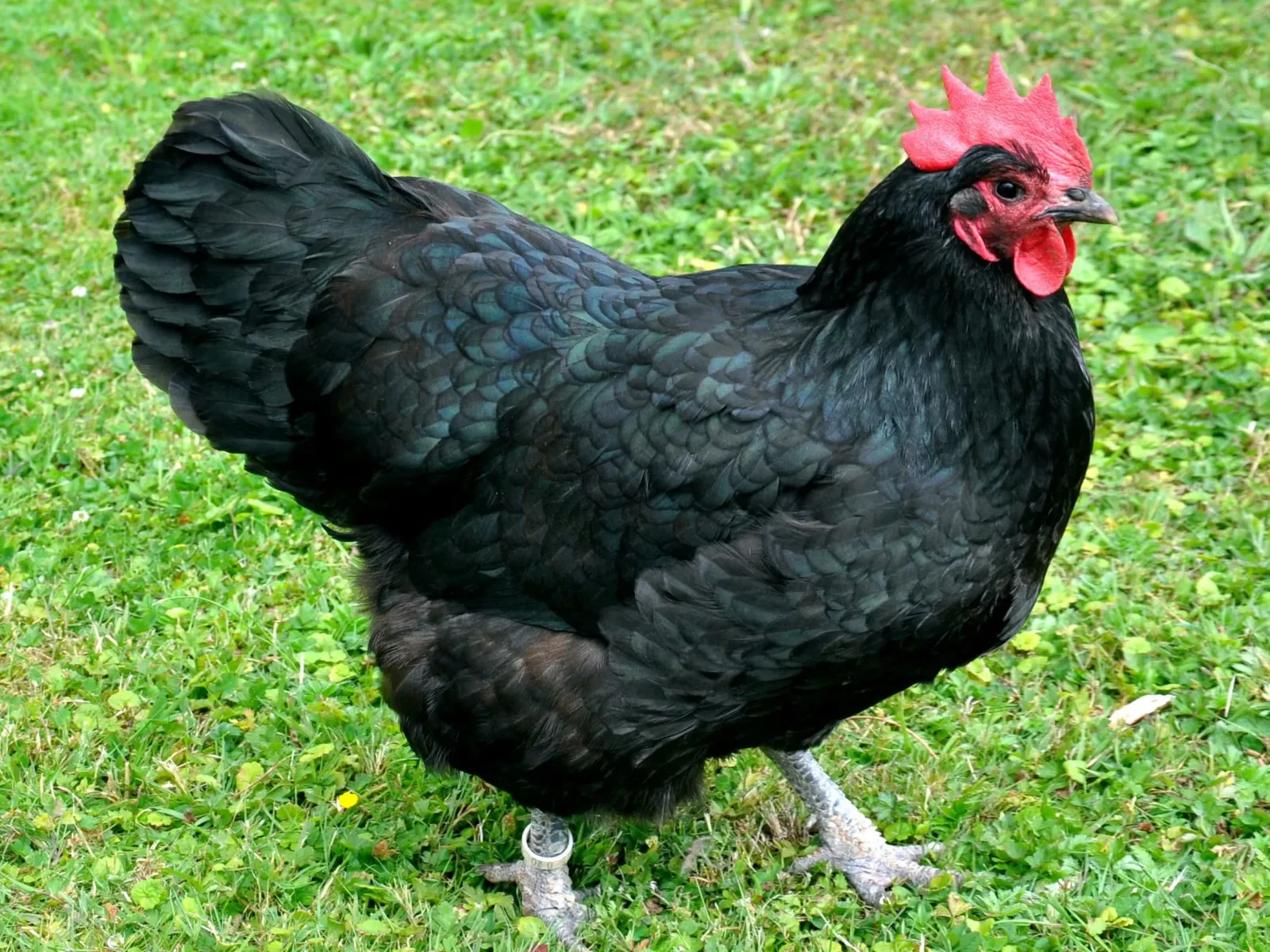
_This Australorp hen shows the beautiful green iridescence peculiar to this breed.
By Palauenc05 (Own work) [CC-BY-SA-3.0], via Wikimedia Commons_
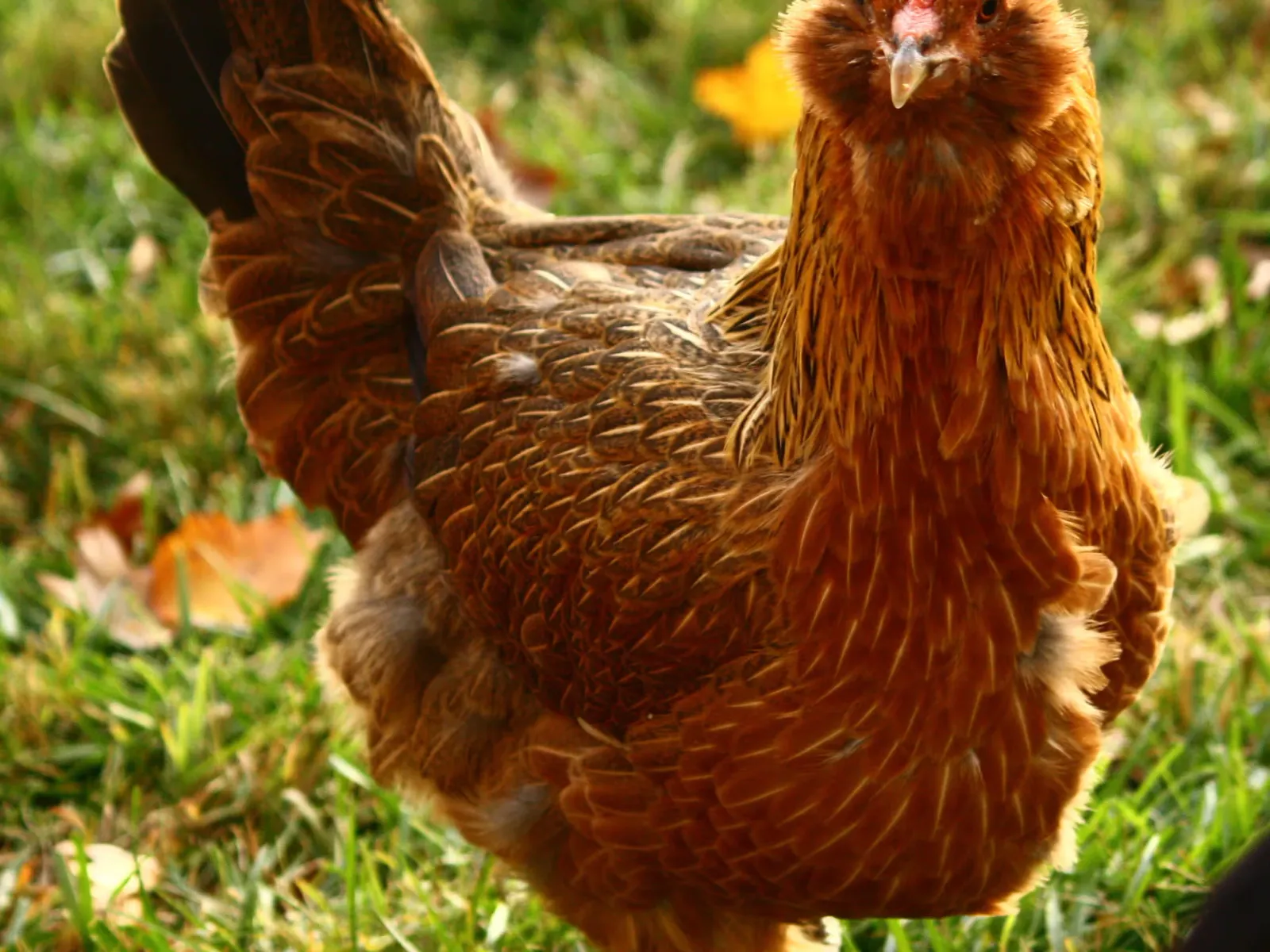
_An Easter Egger hen
By HedgehogWhisperer (Own work) [CC-BY-SA-3.0 ] via Wikimedia Commons_
Advantages of Keeping Backyard Hens
- Hens with pasture access produce eggs containing 2–3 times more omega-3 fatty acids than commercially produced eggs.
- Hens consume table scraps, cutting the amount of waste sent to landfills.
- Hens produce manure that, when composted, becomes an excellent fertilizer for vegetable and flower gardens.
- Chickens kept as pets can teach children about the food supply chain.
- Hens are entertaining to watch and are among the few pets that give something back (eggs)!
Which Breed Fits Your Situation?
All the breeds listed above work well for a small flock. Most chicken owners keep more than one breed, though some focus on a single breed. Our family maintains a small flock of Buff Orpingtons, Barred Rocks, and Black Australorps. This mix yields a large quantity of eggs and is personable (and friendly with our children).
There are many chicken breeds, and all provide entertainment along with the benefit of healthy, protein-packed eggs!
Questions & Answers
Question: Is it difficult to introduce new chicks to an established flock of 3?
Answer: Introducing new chicks is always a difficult task, but not impossible. Ensure the chicks are old enough (and big enough) to integrate with the new flock – I would not introduce 2-week old chicks to an established flock of mature chickens. Wait until the chicks have all of their adult feathers and are of an appropriate size to fend off any potential attacks by the established chickens. Slowly introduce the new members by placing them side-by-side with the existing flock (use chicken wire or another see-through barrier). You want the existing flock to be able to see, but not touch, the new chickens. After this has been done and no aggression observed, remove the barrier and keep a sharp eye out for aggression. If aggression is observed, you will need to separate the new chickens and try again. Keep trying and eventually, the flock should integrate. Please note that there will always be some aggression, as the introduction of new chickens will cause the pecking order to be re-established. Having a rooster can sometimes be a help with this, as the rooster is always the ‘alpha.’ In an all-hen flock, the dominance of the top hen is sometimes challenged.
© 2014 Leah Lefler